Burdened by over five months of civil unrest, Hong Kong has fallen into a recession, the city's financial secretary said Sunday.
"The economy has entered a technical recession, and the negative growth rate has significantly expanded," Secretary Paul Chan wrote in a blog post. "The blow to our economy is comprehensive."
Chan added that official quarterly GDP figures would be released Thursday, but that preliminary analysis shows consecutive economic contractions. It will be "extremely difficult," he wrote, for Hong Kong to reach its previously forecasted growth rate.
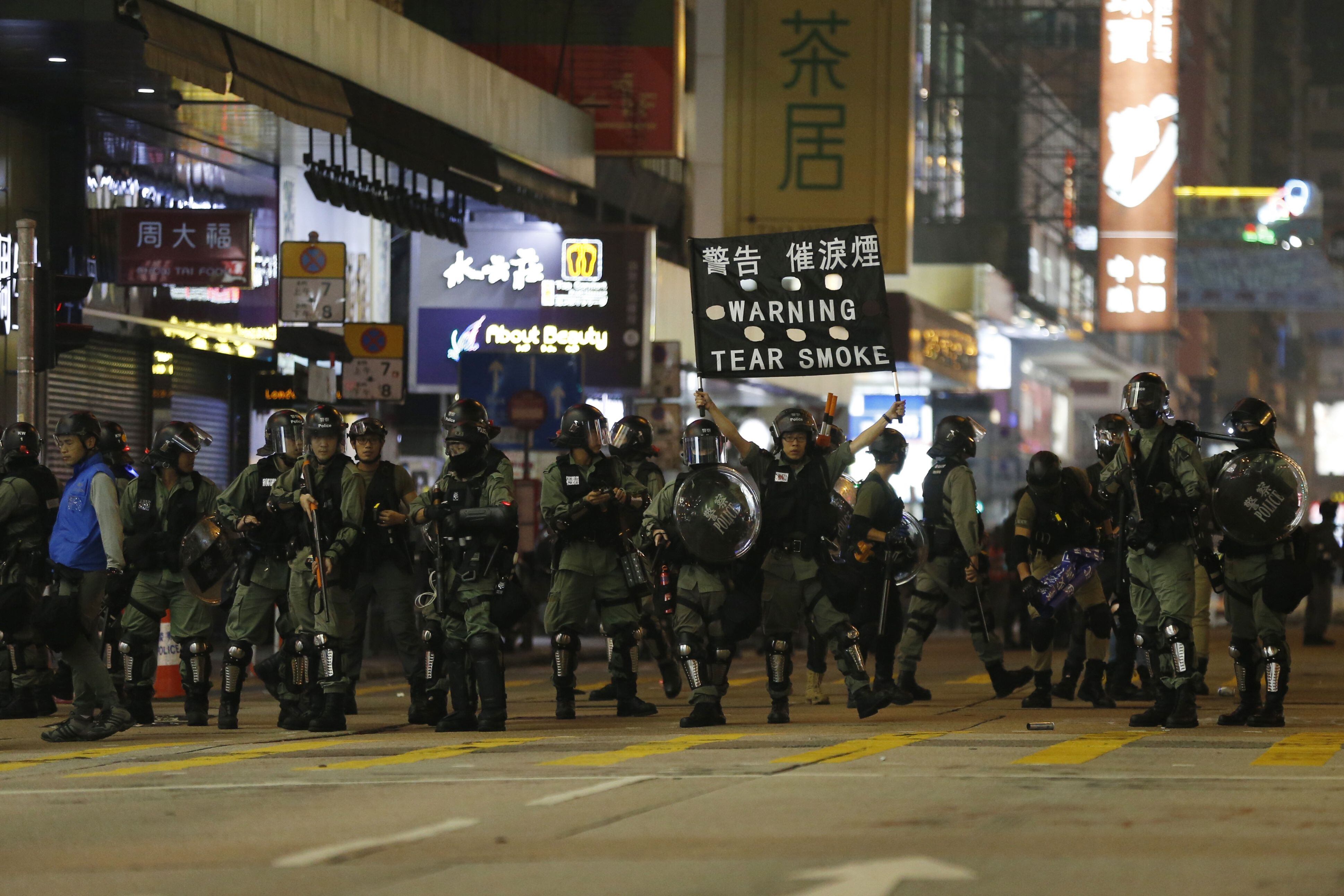
The bleak report coincided with chaotic demonstrations over the weekend that saw shops set ablaze and petrol bombs thrown at police, who responded heavily with water cannons and tear gas. In a statement Monday, police said that protesters overstepped the "bottom line of any civilized society." Unrest in Hong Kong, which first broke in June in opposition to a proposed extradition bill, has escalated significantly in recent months as residents continue to protest China's growing influence over the city and call for more democratic rights.
Chan on Sunday called on demonstrators to keep order and allow industry and commerce to operate freely. "Our society and the economy need to take a breather and need to get back on the road," he wrote.
<i>Police and protesters in Hong Kong on Sunday. Photo Credit: JEROME FAVRE/EPA-EFE/Shutterstock</i>
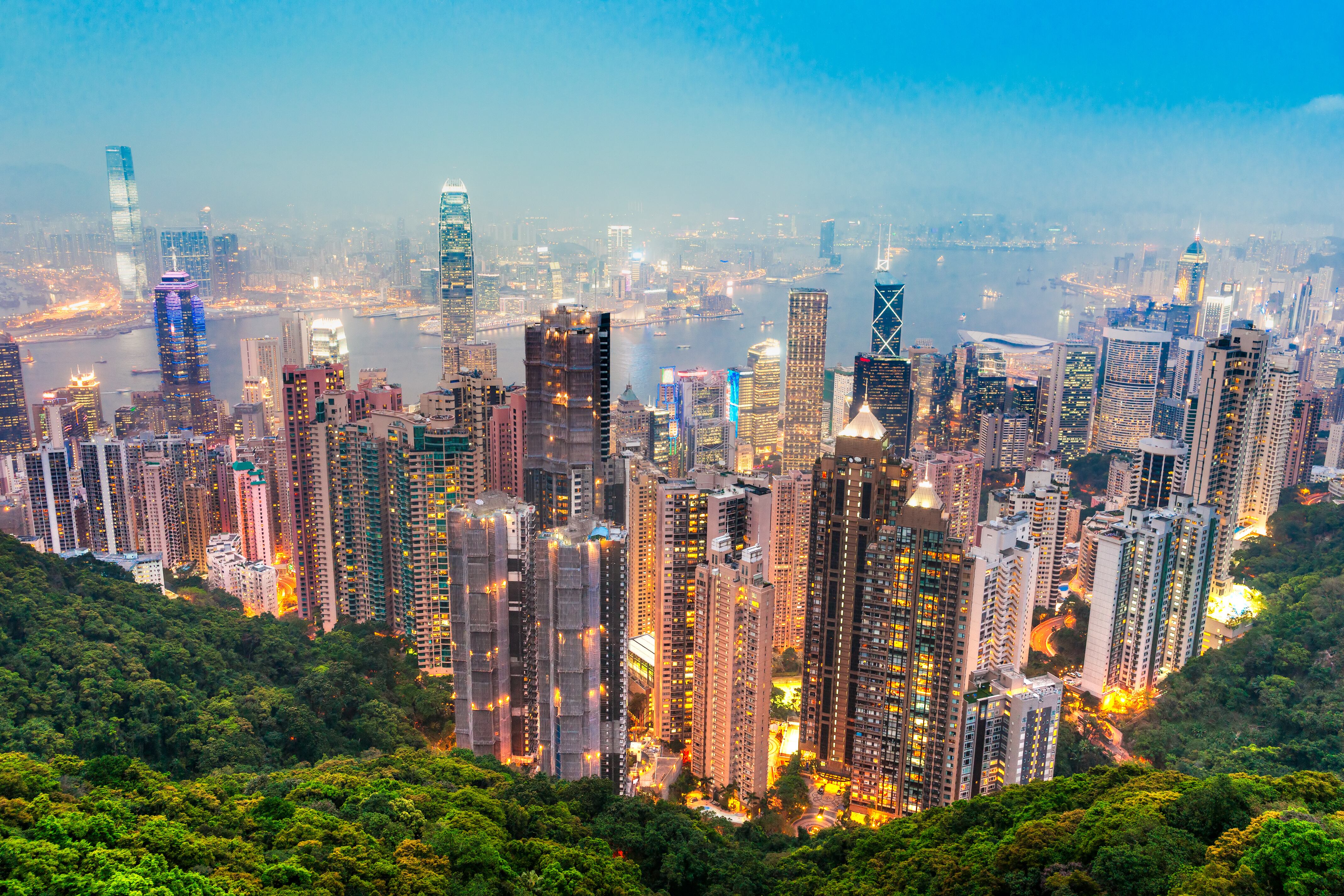
As a Chinese special administrative region since 1997, Hong Kong has enjoyed relative autonomy from Beijing in recent decades and has grown into one of the world's most significant financial and commercial hubs. In 2018, Hong Kong was home to the highest number of ultrawealthy ($30 million or more net worth) residents of any city in the world, according to Wealth-X's annual report. New York surpassed Hong Kong just slightly in 2019.
Earlier this month, Hong Kong's richest resident, Li Ka-shing, donated 1 billion Hong Kong dollars ($128 million) to support local business affected by the city's "unprecedented challenges."
"I hope that HK$1 billion donation will spark more support for the embattled [Small and Medium Enterprises]," Li said in a statement. "All suggestions are welcome and let's work together during these difficult times."
The Hong Kong government has also implemented a series of measures to help alleviate financial pains. Secretary Chan announced earlier this month a 19 billion Hong Kong dollar ($2.4 billion) relief package, which included significant rent reductions.
In announcing the recession Sunday, Chan cited plummeting tourism and retail sales figures. The number of visitors to Hong Kong fell by 37 percent in August and September, and by 50 percent in the first half of October. Tourism's decline constitutes an "emergency," Chan wrote. The decline of retail sales volume fell by 13.1 percent in July to 25.3 percent in August.
"We will continue to closely monitor the external economic situation and the political and economic situation in Hong Kong and try our best to further study the relief measures," Chan added in his Sunday blog post.
Investors, however, seem to be sticking with Hong Kong. The Hong Kong Stock Exchange's Hang Seng Index remains up more than 4 percent year-to-date.
Stocks closed lower on the last trading day of 2021, but all three major indexes ended the year with double-digit growth. The S&P 500, in particular, marked its third straight positive year. What's in store for 2022 amid the Federal Reserve's plans to speed up asset tapering and raise interest rates, and how could COVID-19 continue to impact stocks? Steve Sosnick, Chief Strategist at Interactive Brokers, joins Cheddar News' Closing Bell to discuss movement on the last trading day of 2021, market predictions for 2022, and more.
As the pandemic continues to evolve, and cases of the omicron variant increase, how will this impact economic growth and movement in the new year? Consumer behavior continues to shift, labor issues linger, and questions about whether the pandemic will eventually become endemic are on economists' minds as we enter 2022. Jason Ware, Economist & Chief Investment Officer at Albion Financial Group, joins Cheddar News' Closing Bell to discuss.
Mike Draper, Founder and Owner of Raygun, joins Cheddar News' Closing Bell, where he discusses how increases to the minimum wage in several states next year will help his company and explains why he advocates for it nationally.
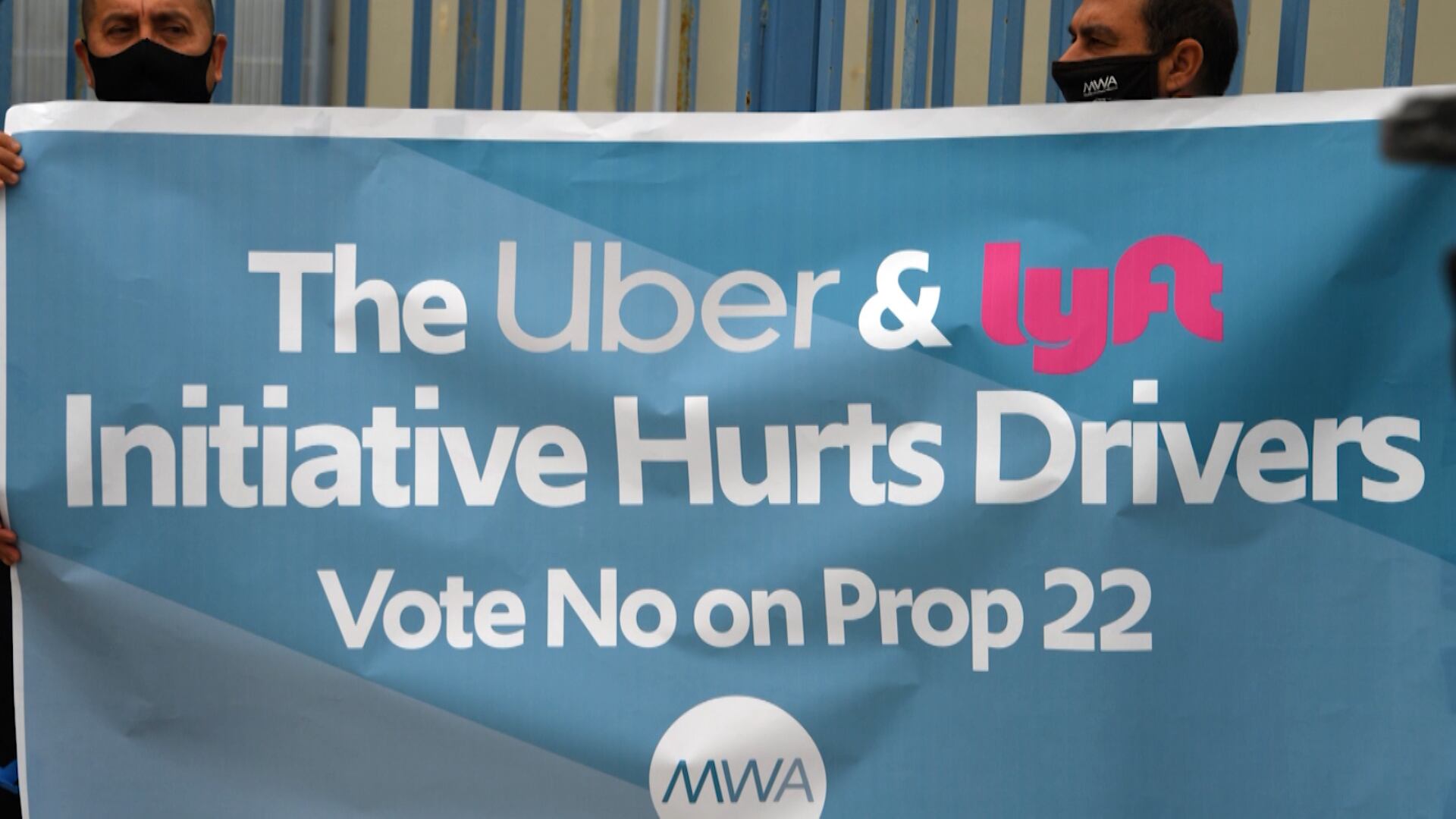
The push to regulate the gig worker economy is gaining steam as the share of workers who participate in freelancing through businesses like Uber and Lyft have also exponentially grown during the pandemic. Employment attorney Mark Kluger, founding partner at Kluger Healey, LLC, joined Cheddar to break down how the battle to reclassify gig workers will continue in the new year, and why the issue continues to generate conflict. "More and more workers are using gig work as their primary source of income and as a result of that they are not like employees in the sense that they don't have benefits like health insurance," Kluger noted.
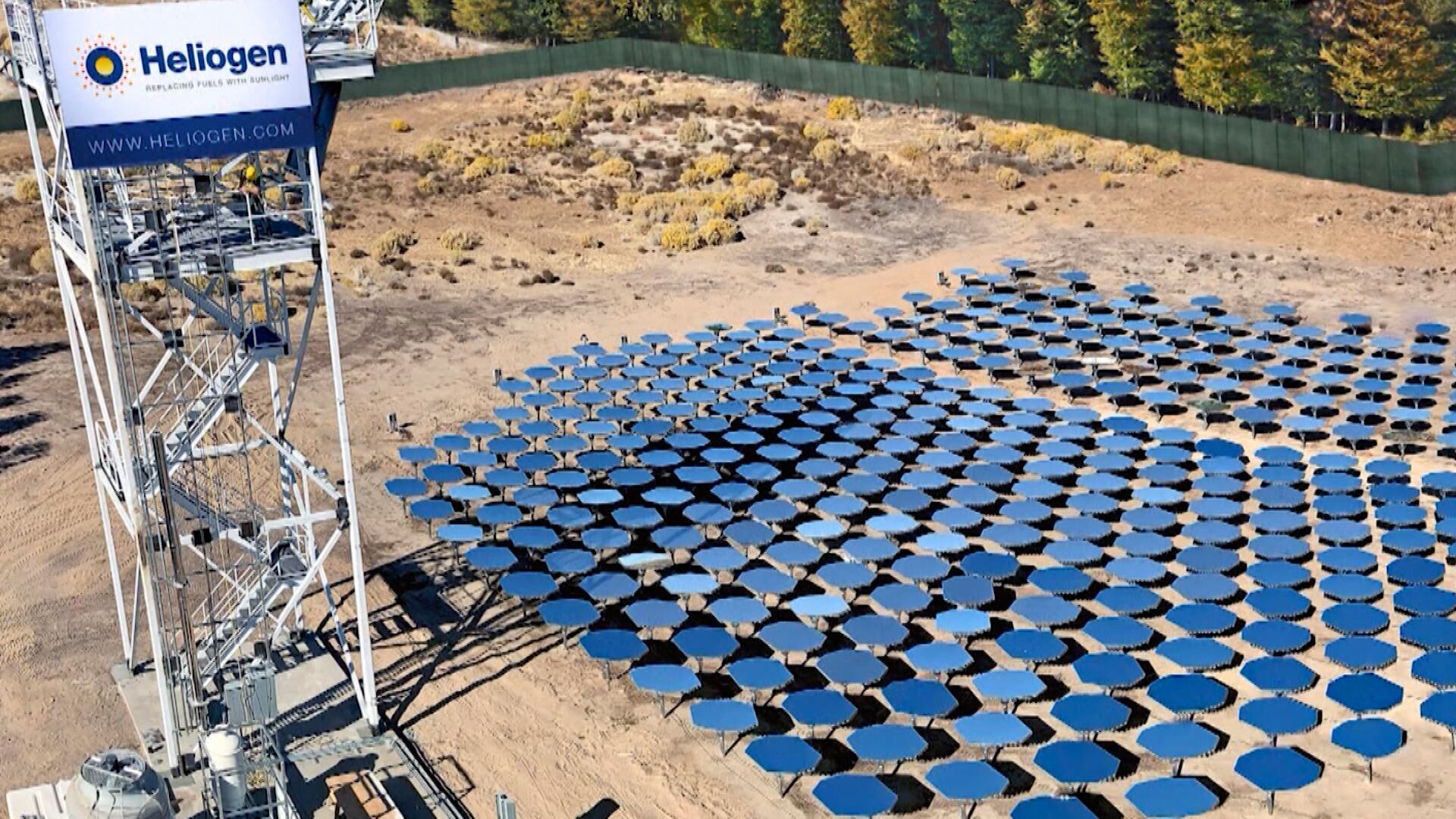
Renewable energy company Heliogen has gone public via a SPAC merger with blank check company Athena Technology Acquisition Corp. on the NYSE. Joining Cheddar, founder and CEO Bill Gross went into why he felt the end of 2021 was the best time to get into the public markets. "If you think of the Industrial Revolution and the digital revolution, this renewable revolution is probably going to be as big or larger than that," he said. "So we're going to use this capital to scale our business, to meet more customer demand, to do more projects in parallel, and to scale our research and development to continue to drive down the price to be competitive with fossil fuels."
Carl "The Moon" Runefelt, a Bitcoin investment expert, recently made a hefty purchase of a $2 million Bugatti sports car at a Dubai dealership. The Swedish crypto evangelist joined Cheddar to talk about how he made the big acquisition of a luxury item he had long had his eye on and why he chose the dealership, The Car Vault, to make the unprecedented transaction. "They accepted crypto directly, and that was important to me," he said. "I am not going to go to any car dealership that don't accept crypto, and that's kind of a principle I have today."
Marjorie Mesidor, Partner at Phillips & Associates, joined Wake Up With Cheddar to break down the latest trends in the job market, as the demand for labor has recovered, but as the number of people willing to fill positions remains relatively low.
2021 proved that crypto currency is here to stay. This year saw more and more adoptions of crypto, from top athletes looking to be paid in bitcoin, to Elon Musk even experimenting with bitcoin and dogecoin payments for a bit over at Tesla. And it wasn't all bitcoin either - other cryptos like Cardano and Solana saw some action in 2021 as well. Patrick McConlogue, CEO of Overline and former Citadel Investment Group Engineer explains why 2021 was such a good year for crypto, and what to expect in 2022.