The Trump administration said Tuesday that it will waive federal contracting laws to speed construction of a wall at the U.S.-Mexico border.
The Department of Homeland Security said waiving procurement regulations will allow 177 miles (283 kilometers) of wall to be built more quickly in California, Arizona, New Mexico and Texas. The 10 waived laws include requirements for having open competition, justifying selections, and receiving all bonding from a contractor before any work can begin.
The acting Homeland Security secretary, Chad Wolf, is exercising authority under a 2005 law that gives him sweeping powers to waive laws for building border barriers.
“We hope that will accelerate some of the construction that's going along the Southwest border,” Wolf told Fox News Channel's “Fox & Friends” on Tuesday.
Secretaries under President Donald Trump have issued 16 waivers, and President George W. Bush issued five, but Tuesday's announcement marks the first time that waivers have applied to federal procurement rules. Previously they were used to waive environmental impact reviews.
The Trump administration said it expects the waivers will allow 94 miles (150 kilometers) of wall to be built this year, bringing the Republican president closer to his pledge of about 450 miles (720 kilometers) since taking office and making it one of his top domestic priorities. It said the other 83 miles (133 kilometers) covered by the waivers may get built this year.
“Under the president’s leadership, we are building more wall, faster than ever before,” the department said in a statement.
The move is expected to spark criticism that the Trump administration is overstepping its authority, but legal challenges have failed. In 2018, a federal judge in San Diego rejected arguments by California and environmental advocacy groups that the secretary's broad powers should have an expiration date. An appeals court upheld the ruling last year.
Congress gave the secretary power to waive laws in areas of high illegal crossings in 2005 in a package of emergency spending for wars in Iraq and Afghanistan and minimum standards for state-issued identification cards. The Senate approved it unanimously, with support from Joe Biden, Barack Obama and Hillary Clinton. The House passed it with strong bipartisan support; then-Rep. Bernie Sanders voted against it.
The waivers, to be published in the Federal Register, apply to projects that the U.S. Army Corps of Engineers will award in six of nine Border Patrol sectors on the Mexican border: San Diego and El Centro in California; Yuma and Tucson in Arizona; El Paso, which spans New Mexico and west Texas, and Del Rio, Texas.
The administration said the waivers will apply to contractors that have already been vetted. In May, the Army Corps named 12 companies to compete for Pentagon-funded contracts.
The Army Corps is tasked with awarding $6.1 billion that the Department of Defense transferred for wall construction last year after Congress gave Trump only a fraction of the money. The administration has been able to spend that money during legal challenges.
Big Apple workers who deliver for food apps like Doordash and Grubhub will now receive a number of legal protections provided through a package of new regulations that have started going into effect. These updated rules include more control over their deliveries, pay and tip transparency, a higher minimum pay rate, and access to restaurant bathrooms during the workday. New York City Comptroller Brad Lander joined Cheddar to elaborate on the regulations and how the platform holders reacted. "I have to say it's a mixed bag," he said. "Grubhub actually welcomed the legislation and said they recognize they need to do better by their deliveristas, but DoorDash, unfortunately, has actually been pushing back against the legislation."
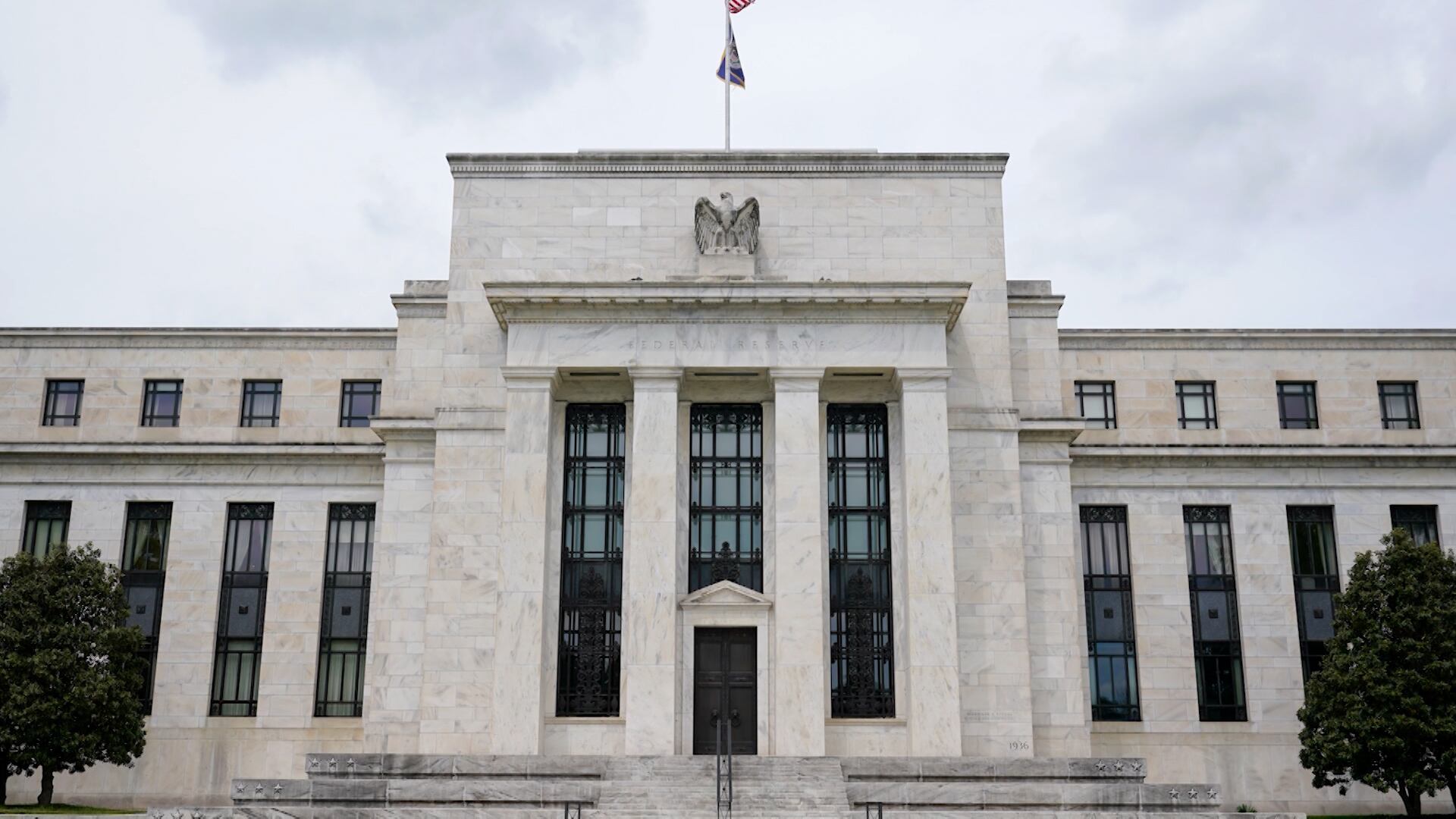
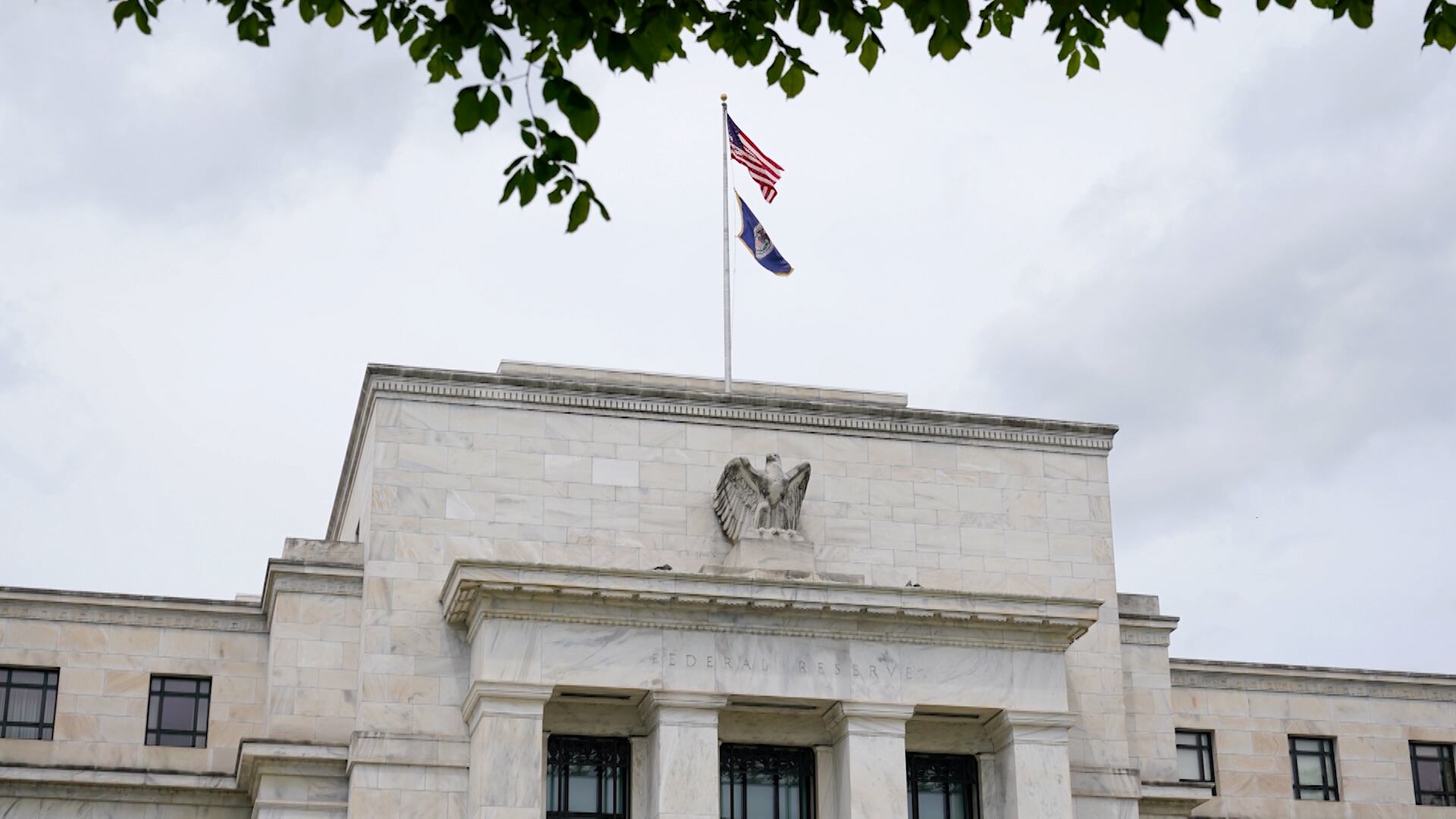
Thomas Hoenig, Former CEO of Federal Reserve Bank of Kansas City and currently Distinguished Senior Fellow with the Mercatus Center, joined Cheddar News' Closing Bell, where he says the Fed's decision was no surprise, but believes the Fed is behind the curve on raising rates.
Legal cannabis businesses are having a hard time surviving in California with the high cost of doing business and a still-thriving illicit market. In response, nonprofit Supernova Women, founded by women of color, is advocating on behalf of Black and brown shareholders in the cannabis industry. Amber Senter, co-founder, executive director, and chairman of the organization, spoke with Cheddar News about calling for changes in the Golden State's taxation system for legal marijuana. "We're really leaning on the legislators now to support the industry and make sure that this industry, in particular craft cannabis, can survive," said Senter.
After being among the hardest-hit industries by the pandemic, restaurants are still having a hard time staying afloat, with owners claiming that business is worse now due to closures from staff shortages and customer decline than it was three months ago. Mike Whatley, vice president of state affairs and grassroots advocacy for the National Restaurant Association, spoke to Cheddar News about how the sector is reaching out to lawmakers for help. "Working with Senators Wicker, Sinema, and a whole host of bipartisan leaders, we're trying to get the Restaurant Revitalization Fund replenished," Whatley said.
Communities of color are disproportionately affected by climate change and continuously feel the impacts. Mark Magaña, founding president and CEO of Green Latinos joined All Hands to discuss.
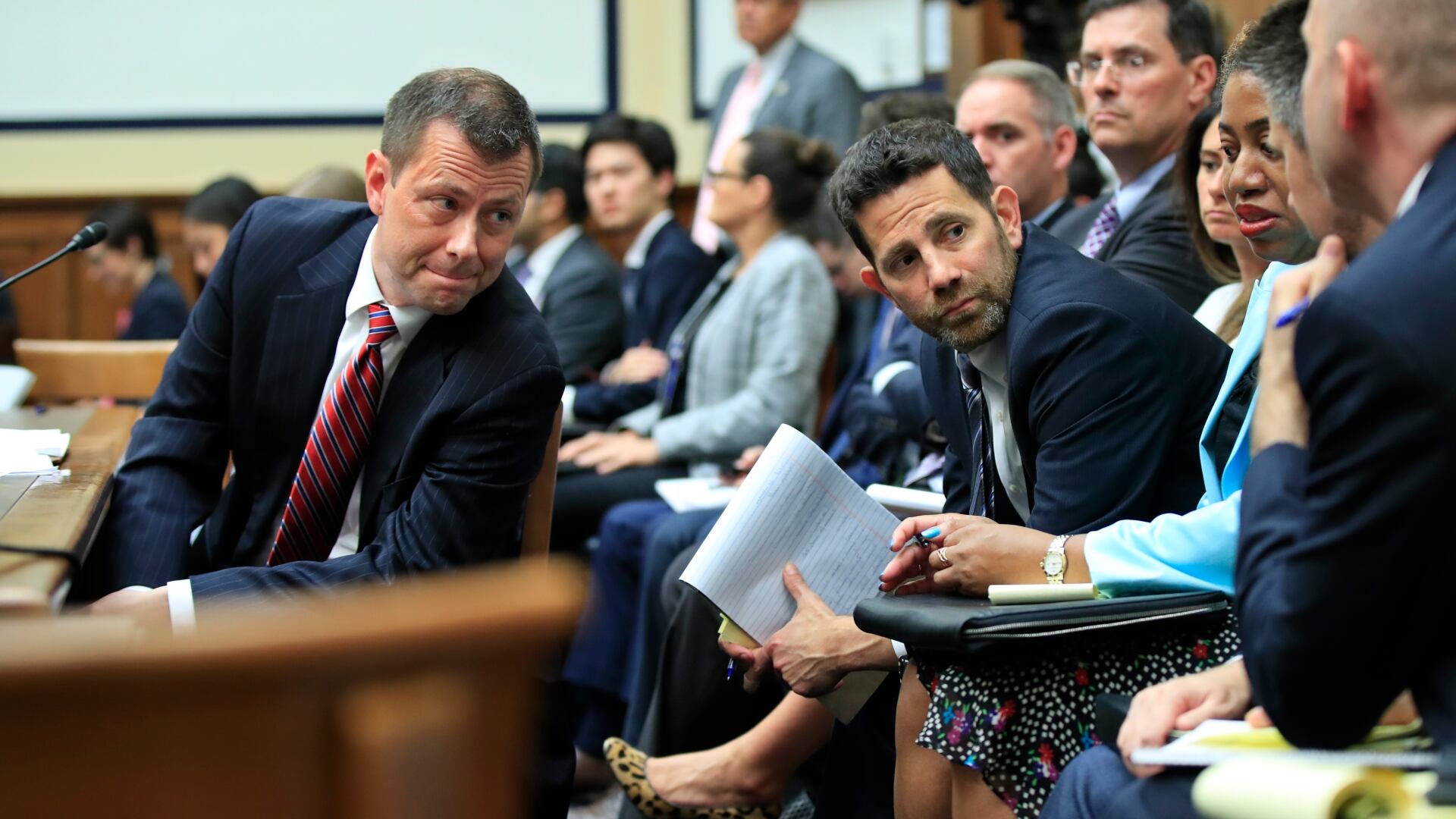
The memoir, "COMPROMISED: Counterintelligence and the Threat of Donald J. Trump", tells a familiar story from a bit of a different source: Peter Strzok himself, former FBI Counterintelligence Agents and Agency Veteran who spent most of his very long career investigating some of the most controversial inquiries, most notably in recent American history. Those inquiries were Hillary Clinton's email to even Trump Russia investigations. Former FBI Agent and Author of "Compromised" Peter Strzok, joined Cheddar to discuss more.
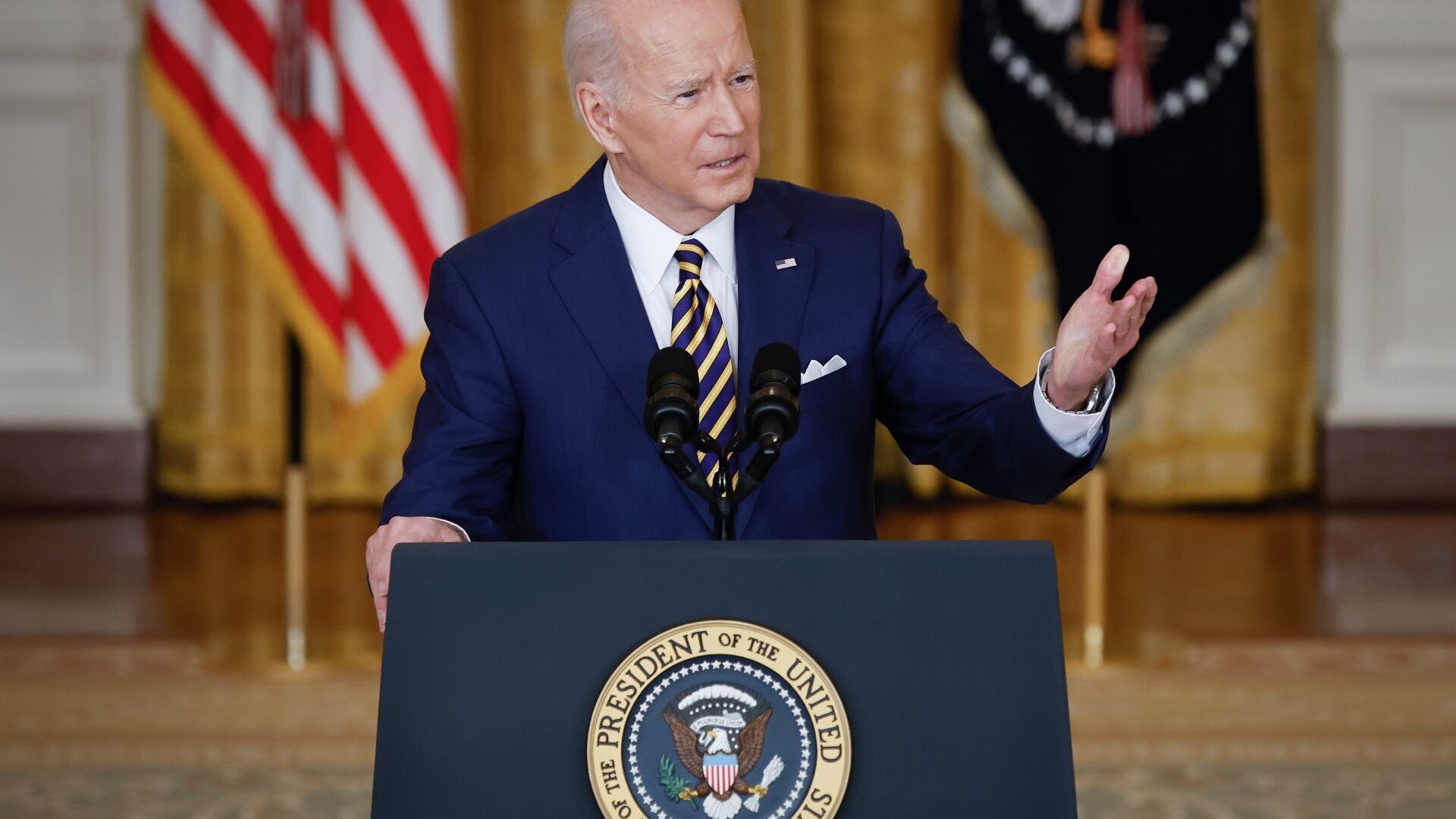
President Biden's first year did not come to the close that he had hoped after last night's Senate vote blocked the voting rights bill, a priority that Biden has promoted since his inauguration. Joining us to discuss the voting rights bill, and many others passing through congress is congresswoman Lori Trahan, representing Massachusett's 3rd district.