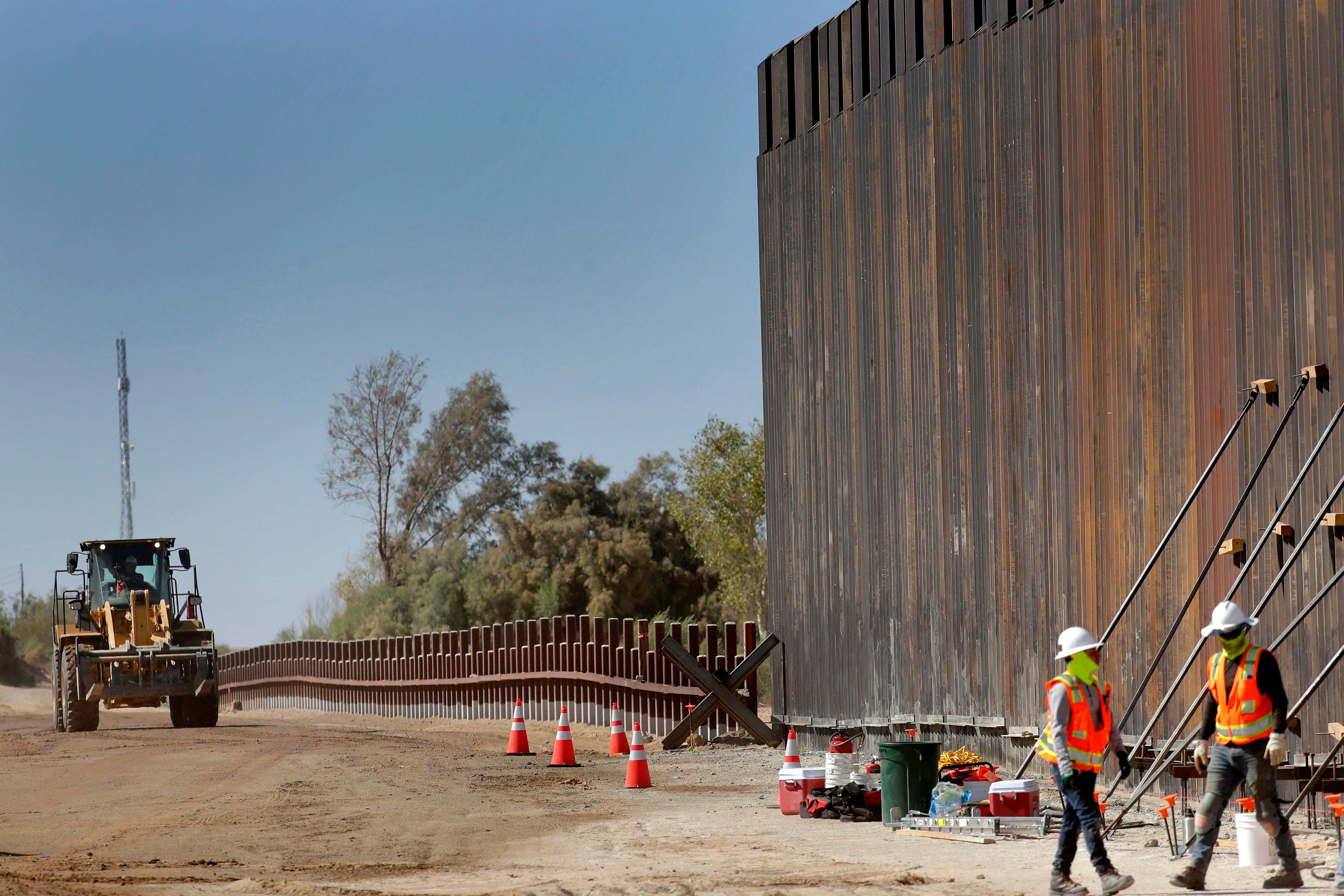
The Trump administration said Tuesday that it will waive federal contracting laws to speed construction of a wall at the U.S.-Mexico border.
The Department of Homeland Security said waiving procurement regulations will allow 177 miles (283 kilometers) of wall to be built more quickly in California, Arizona, New Mexico and Texas. The 10 waived laws include requirements for having open competition, justifying selections, and receiving all bonding from a contractor before any work can begin.
The acting Homeland Security secretary, Chad Wolf, is exercising authority under a 2005 law that gives him sweeping powers to waive laws for building border barriers.
“We hope that will accelerate some of the construction that's going along the Southwest border,” Wolf told Fox News Channel's “Fox & Friends” on Tuesday.
Secretaries under President Donald Trump have issued 16 waivers, and President George W. Bush issued five, but Tuesday's announcement marks the first time that waivers have applied to federal procurement rules. Previously they were used to waive environmental impact reviews.
The Trump administration said it expects the waivers will allow 94 miles (150 kilometers) of wall to be built this year, bringing the Republican president closer to his pledge of about 450 miles (720 kilometers) since taking office and making it one of his top domestic priorities. It said the other 83 miles (133 kilometers) covered by the waivers may get built this year.
“Under the president’s leadership, we are building more wall, faster than ever before,” the department said in a statement.
The move is expected to spark criticism that the Trump administration is overstepping its authority, but legal challenges have failed. In 2018, a federal judge in San Diego rejected arguments by California and environmental advocacy groups that the secretary's broad powers should have an expiration date. An appeals court upheld the ruling last year.
Congress gave the secretary power to waive laws in areas of high illegal crossings in 2005 in a package of emergency spending for wars in Iraq and Afghanistan and minimum standards for state-issued identification cards. The Senate approved it unanimously, with support from Joe Biden, Barack Obama and Hillary Clinton. The House passed it with strong bipartisan support; then-Rep. Bernie Sanders voted against it.
The waivers, to be published in the Federal Register, apply to projects that the U.S. Army Corps of Engineers will award in six of nine Border Patrol sectors on the Mexican border: San Diego and El Centro in California; Yuma and Tucson in Arizona; El Paso, which spans New Mexico and west Texas, and Del Rio, Texas.
The administration said the waivers will apply to contractors that have already been vetted. In May, the Army Corps named 12 companies to compete for Pentagon-funded contracts.
The Army Corps is tasked with awarding $6.1 billion that the Department of Defense transferred for wall construction last year after Congress gave Trump only a fraction of the money. The administration has been able to spend that money during legal challenges.
A new report by the Foreign Correspondents Club of China warns that press freedom in the most populous country in the world is declining at an alarming speed. Cheddar News speaks with Steven Butler, Asia Program Coordinator at the Committee to Protect Journalists, about the hardships journalists face in China.
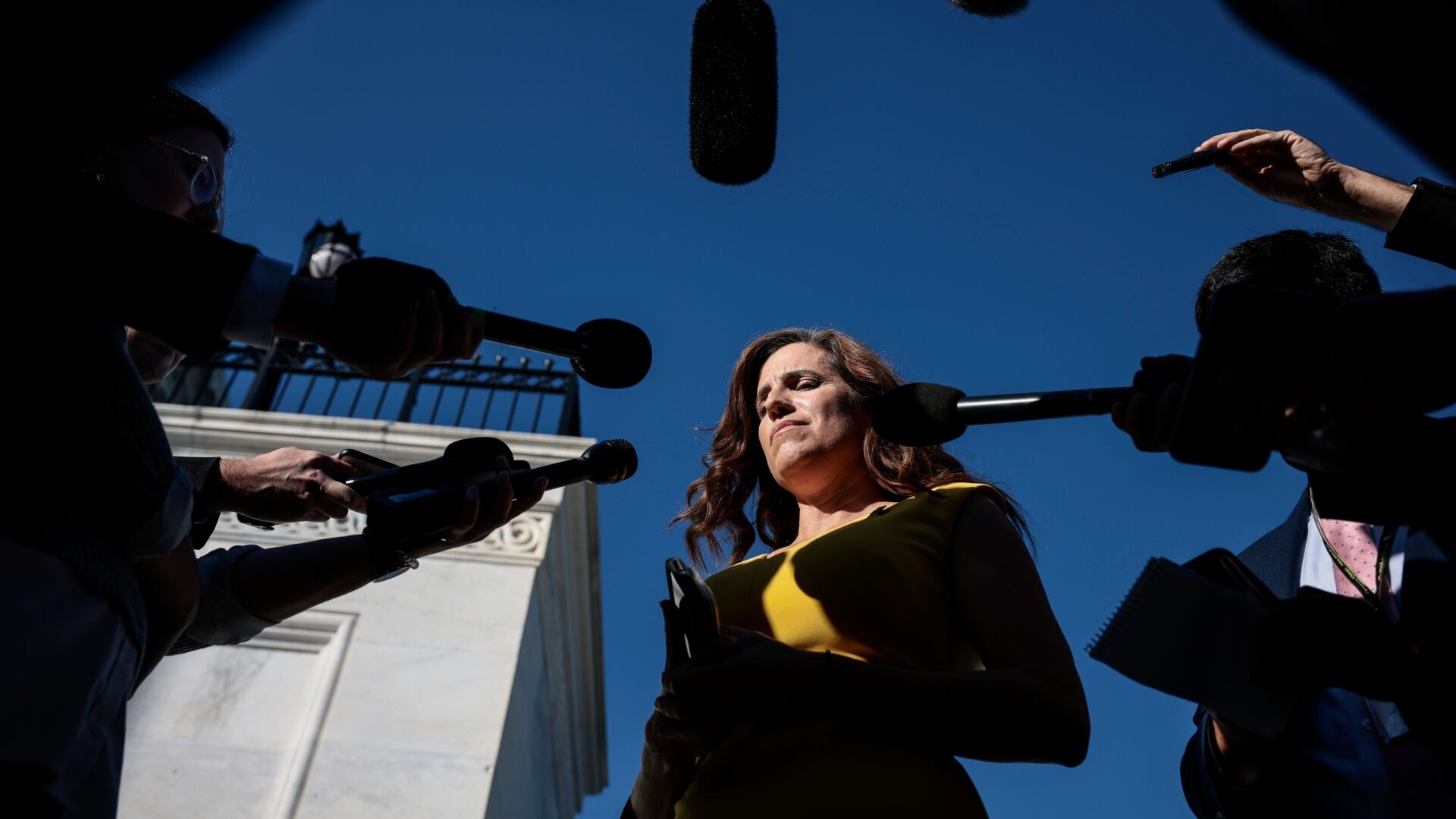
Rep. Nancy Mace (R-S.C. 1st District) joined Cheddar to discuss her cannabis legalization bill, the States Reform Act, and the prospects for gaining bipartisan support for a bill that has garnered the endorsement of e-commerce giant Amazon. This legislation is supported by businesses large and small, Amazon obviously being the most recent and largest business to support it," Mace said. "They don't want to sell pot. But what it does do is it affects their working employment pool." She stated that 10 percent of eligible new hires for Amazon are affected by restrictive marijuana laws. The representative also explained that the bill leaves equity provisions up to the states rather than mandating them on a federal level.
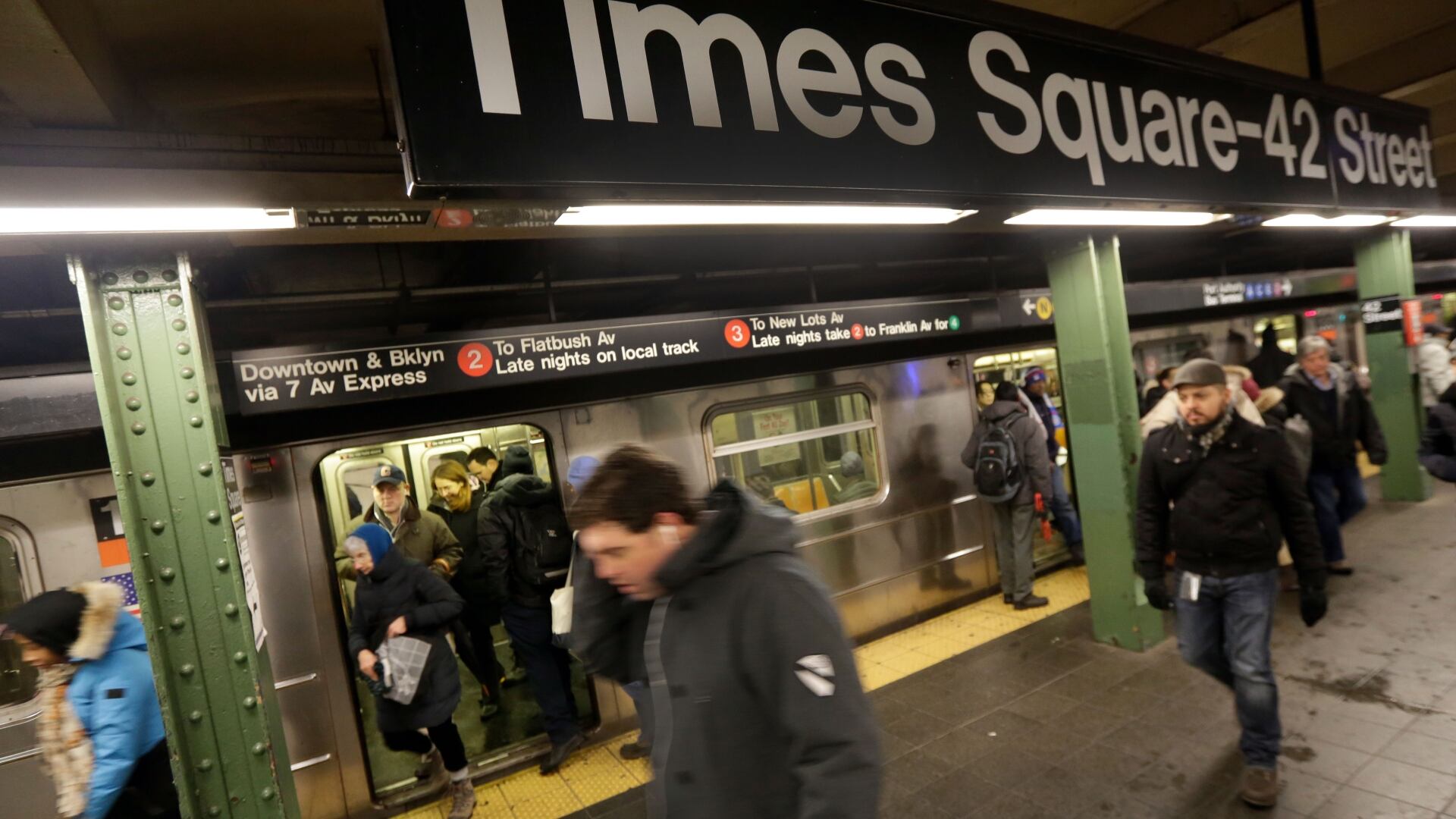
After a number of tragic subway incidents, the MTA is facing increased pressure to install subway platform screens to help prevent injury or death. However, according to an earlier report from the MTA, installing these prevented measures isn't feasible. New York City Council Member Keith Powers, joined Cheddar to discuss more.
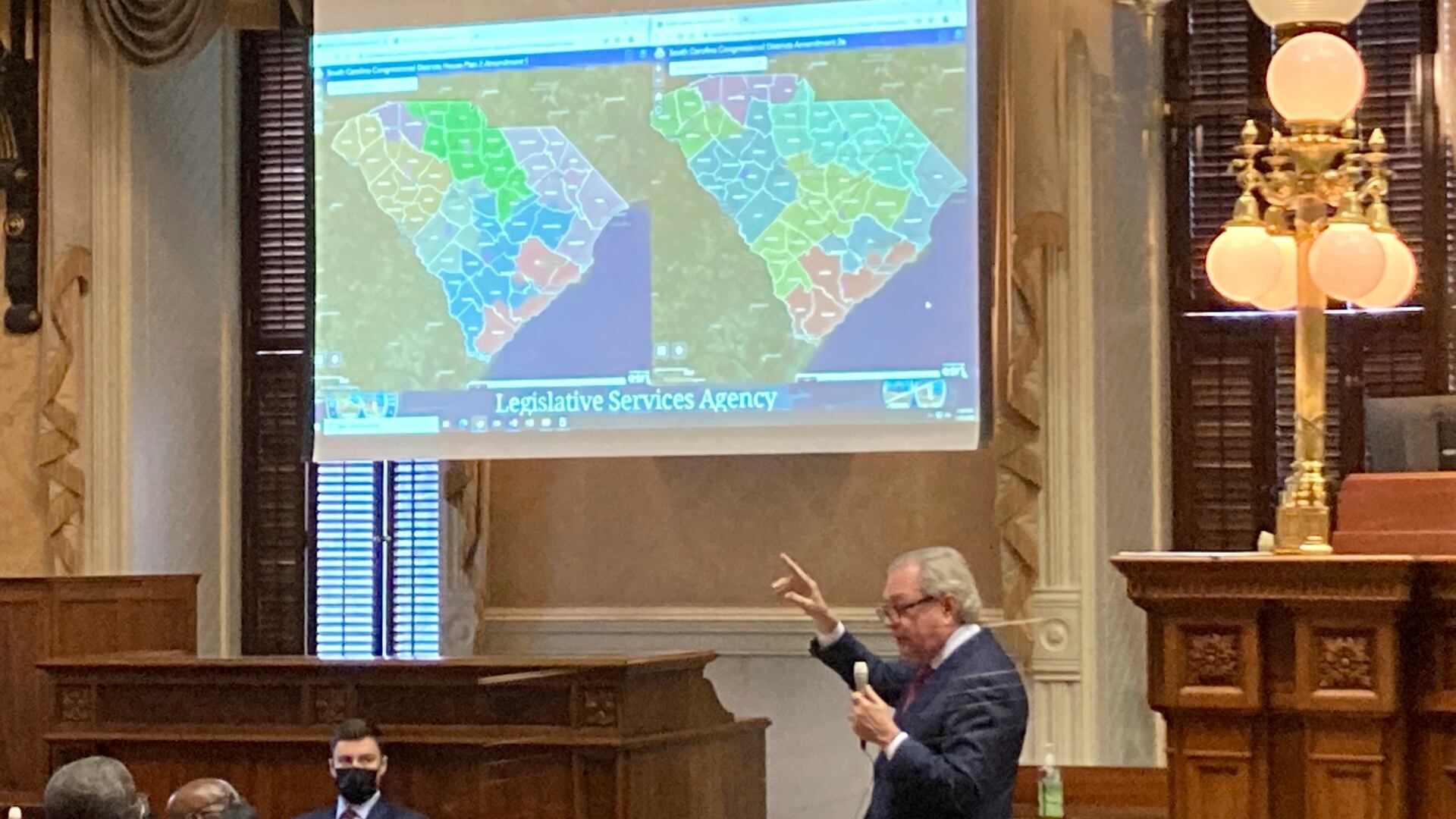
Across the country, states are working to redraw their congressional lines in what is often known as gerrymandering. These news lines are expected to determine the balance of power between Democrats and Republicans within the next decade. Senior Counsel for the Brennan Center's Democracy Program, Michael Li, joined Cheddar to discuss more.
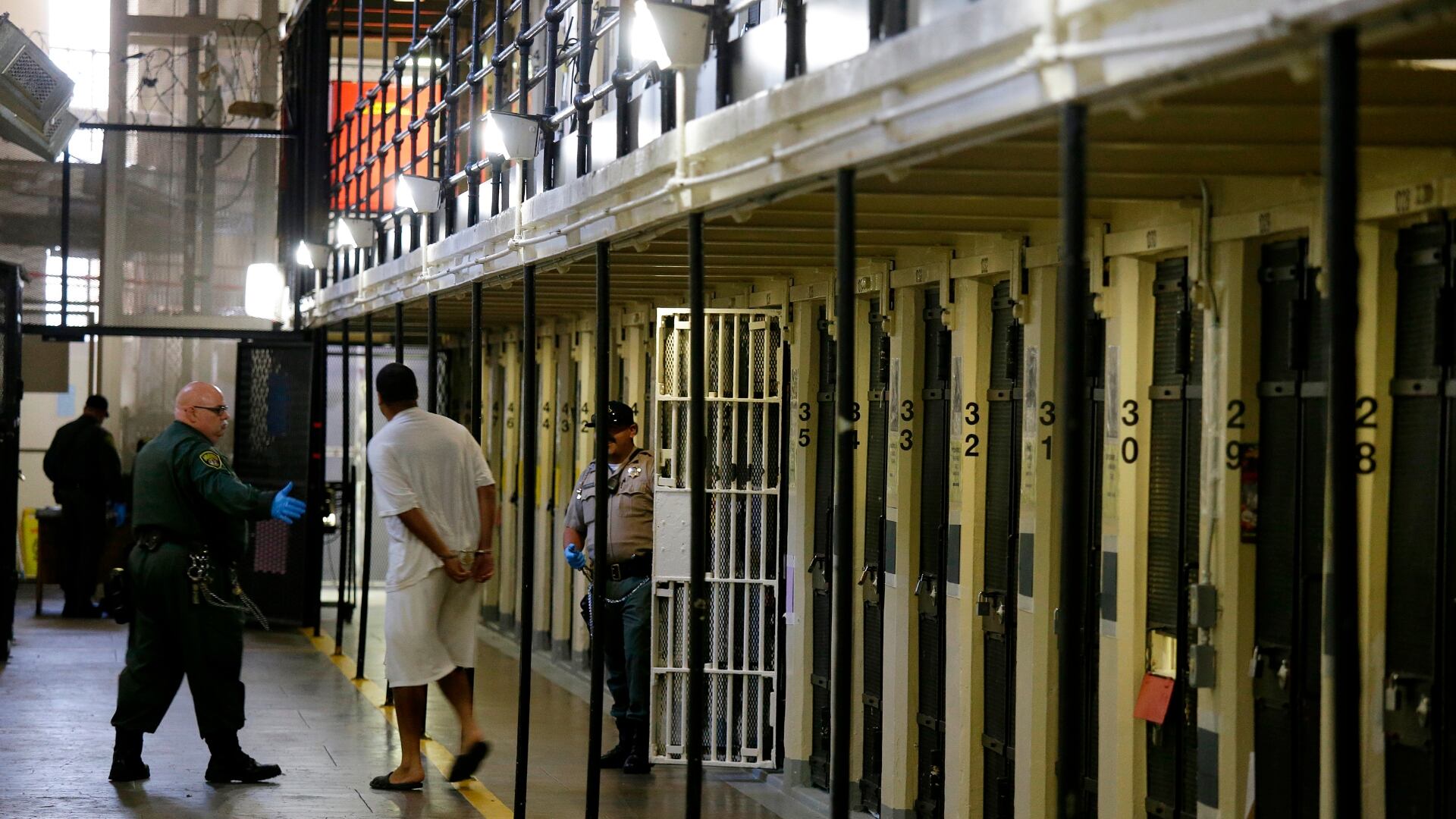
The state of California is officially planning to close its death row in the next two years. That state's governor Democrat Gavin Newsom says the plan is now to move all condemned inmates to other prisons and turn it into, as he calls it, a positive healing environment. Former U. S. Assistant Attorney and Legal Analyst, David Katz, joined Cheddar to discuss more.
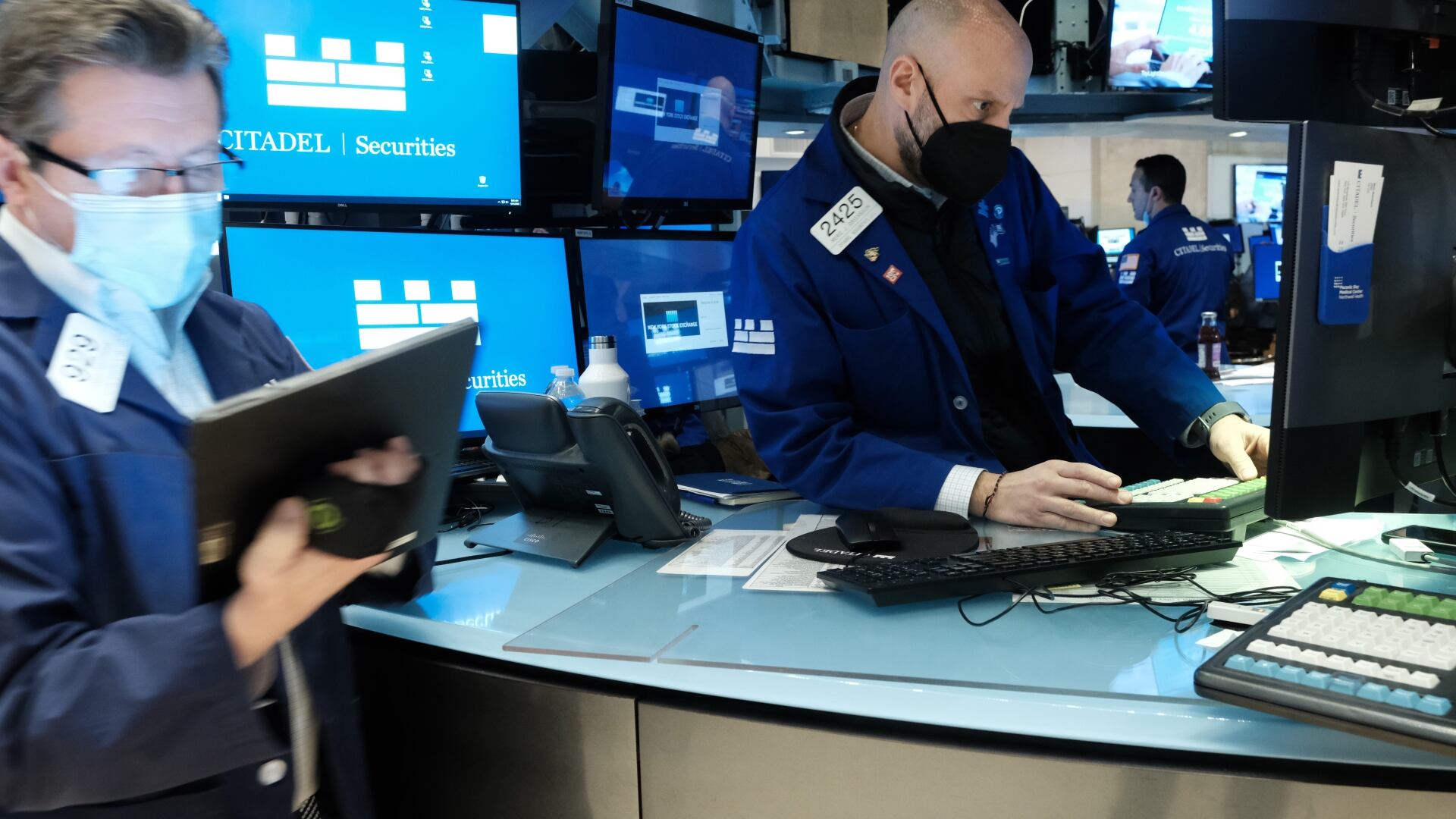
Anthony Saccaro, Founder and President of Providence Financial, joins Cheddar News' Closing Bell, where he elaborates on why he is excited that the market is beginning to rebound and believes February has the potential to be a good month after a turbulent January.
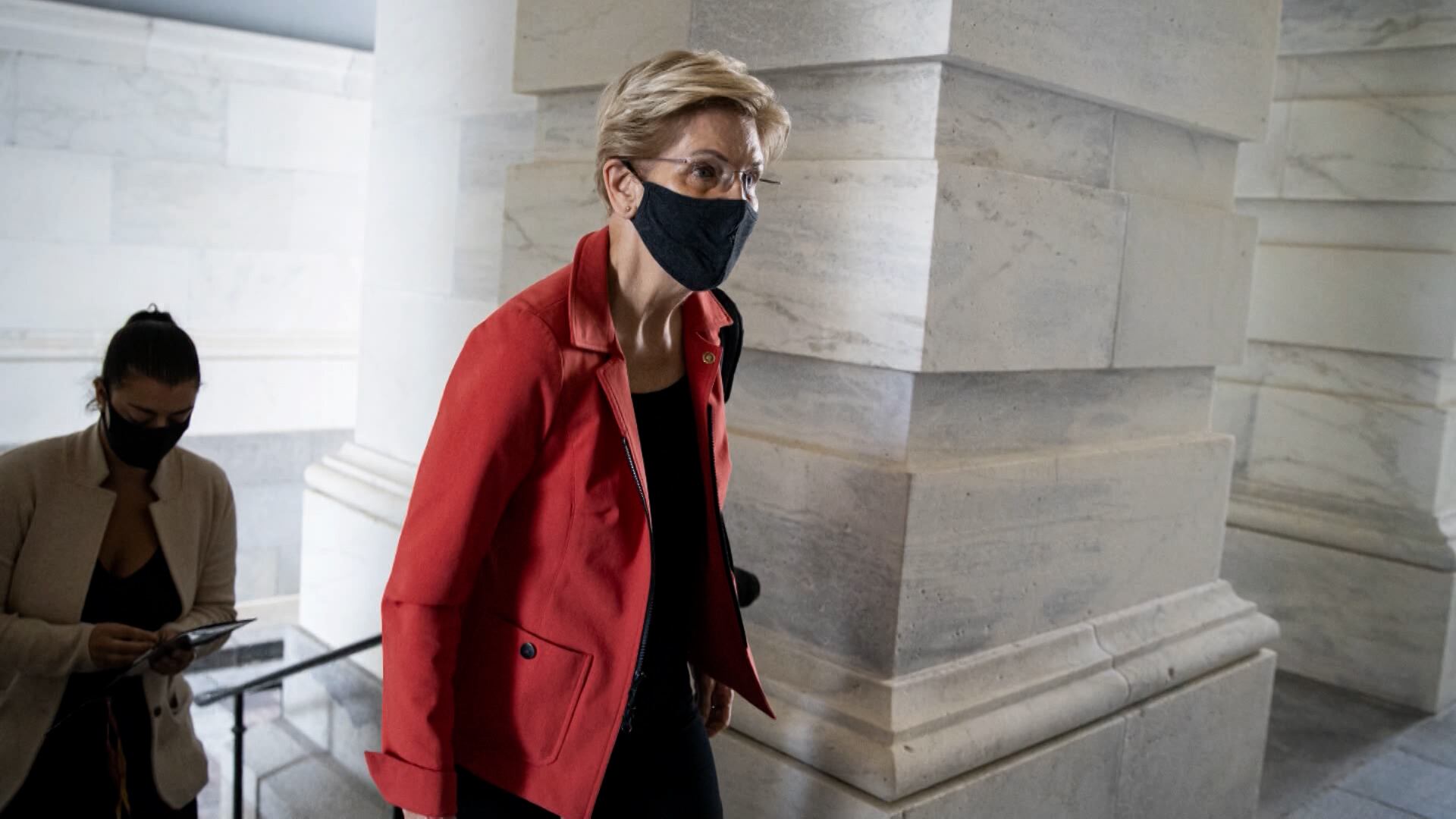
Cryptocurrency is expected to become a part of our daily lives — but what sort of environmental impact does it have? As the U.S. becomes the crypto mining capital of the world, climate advocates are worried about mining companies reopening old coal plants, using massive amounts of energy, wasteful hardware, and more. Congressional Democrats led by Senator Elizabeth Warren are demanding answers from mining firms about their electricity use and waste levels. John Belizaire, CEO of Soluna Computing, joins Cheddar Climate to discuss the congressional letters, how crypto mining can become a green industry, and more.
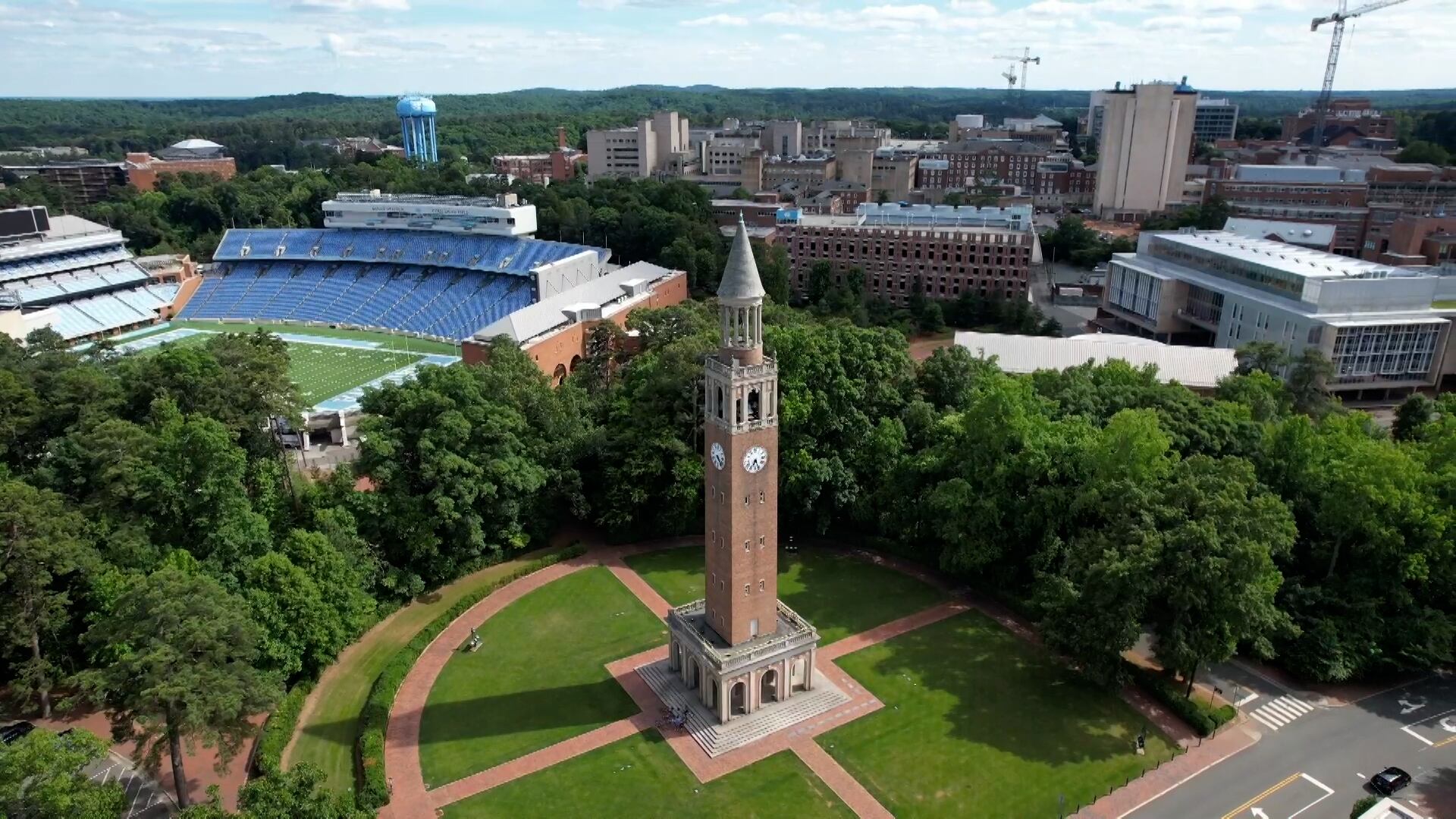
The Supreme Court will reconsider race-based affirmative action in college admissions. The court will examine admissions policies at Harvard University and The University of North Carolina Chapel Hill, which count the race of applicants as a factor in admissions. The court has upheld affirmative action policies in the past, saying it helps to create more diverse student bodies. However, the conservative Supreme Court could be skeptical and even possibly hostile to such policies. Nick Anderson, Higher Education Writer, Washington Post joined Cheddar's Opening Bell to discuss.