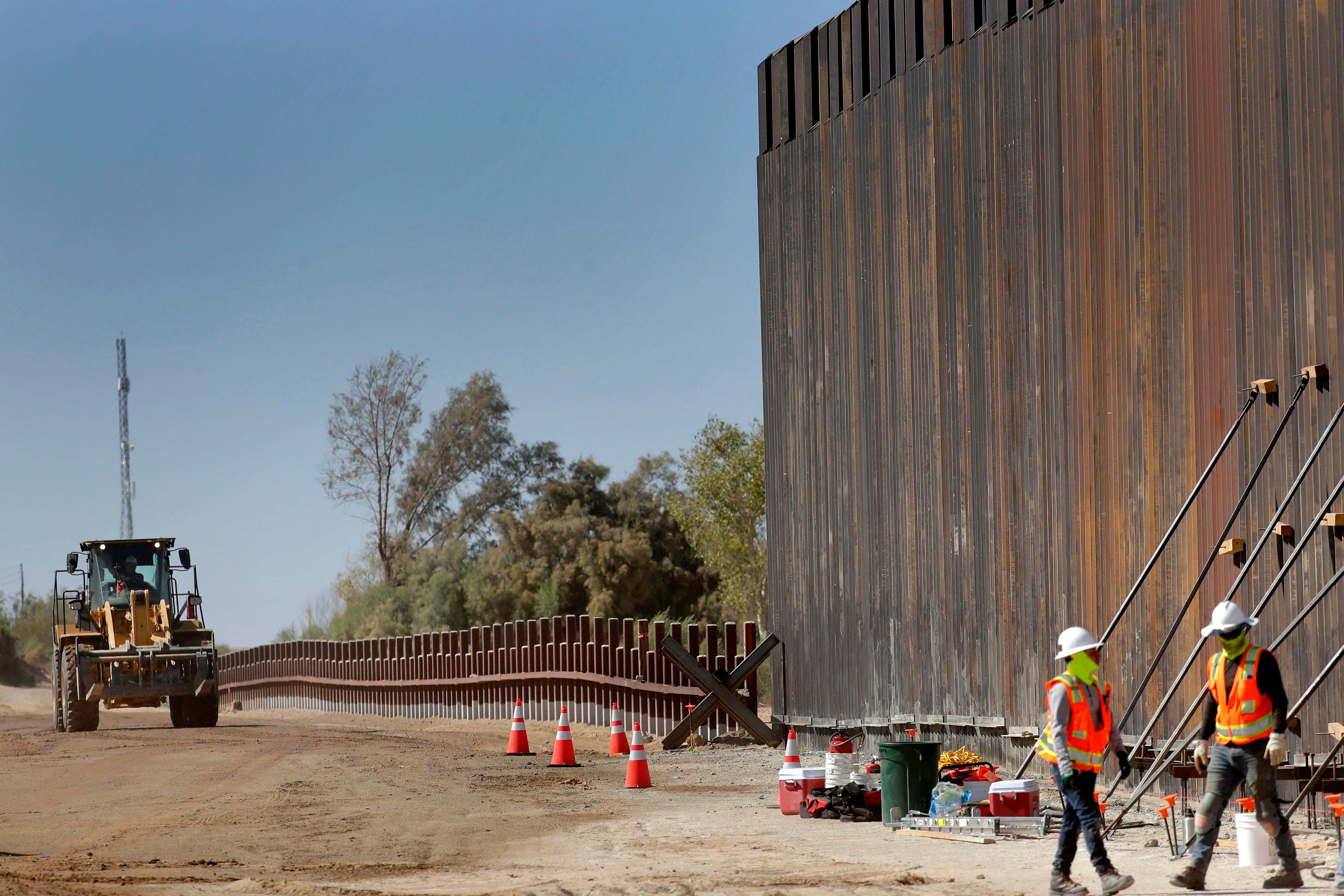
The Trump administration said Tuesday that it will waive federal contracting laws to speed construction of a wall at the U.S.-Mexico border.
The Department of Homeland Security said waiving procurement regulations will allow 177 miles (283 kilometers) of wall to be built more quickly in California, Arizona, New Mexico and Texas. The 10 waived laws include requirements for having open competition, justifying selections, and receiving all bonding from a contractor before any work can begin.
The acting Homeland Security secretary, Chad Wolf, is exercising authority under a 2005 law that gives him sweeping powers to waive laws for building border barriers.
“We hope that will accelerate some of the construction that's going along the Southwest border,” Wolf told Fox News Channel's “Fox & Friends” on Tuesday.
Secretaries under President Donald Trump have issued 16 waivers, and President George W. Bush issued five, but Tuesday's announcement marks the first time that waivers have applied to federal procurement rules. Previously they were used to waive environmental impact reviews.
The Trump administration said it expects the waivers will allow 94 miles (150 kilometers) of wall to be built this year, bringing the Republican president closer to his pledge of about 450 miles (720 kilometers) since taking office and making it one of his top domestic priorities. It said the other 83 miles (133 kilometers) covered by the waivers may get built this year.
“Under the president’s leadership, we are building more wall, faster than ever before,” the department said in a statement.
The move is expected to spark criticism that the Trump administration is overstepping its authority, but legal challenges have failed. In 2018, a federal judge in San Diego rejected arguments by California and environmental advocacy groups that the secretary's broad powers should have an expiration date. An appeals court upheld the ruling last year.
Congress gave the secretary power to waive laws in areas of high illegal crossings in 2005 in a package of emergency spending for wars in Iraq and Afghanistan and minimum standards for state-issued identification cards. The Senate approved it unanimously, with support from Joe Biden, Barack Obama and Hillary Clinton. The House passed it with strong bipartisan support; then-Rep. Bernie Sanders voted against it.
The waivers, to be published in the Federal Register, apply to projects that the U.S. Army Corps of Engineers will award in six of nine Border Patrol sectors on the Mexican border: San Diego and El Centro in California; Yuma and Tucson in Arizona; El Paso, which spans New Mexico and west Texas, and Del Rio, Texas.
The administration said the waivers will apply to contractors that have already been vetted. In May, the Army Corps named 12 companies to compete for Pentagon-funded contracts.
The Army Corps is tasked with awarding $6.1 billion that the Department of Defense transferred for wall construction last year after Congress gave Trump only a fraction of the money. The administration has been able to spend that money during legal challenges.
Mayor Ras Baraka of Newark, NJ and Ayana Morris, co-director of the documentary 'Why Is We Americans?,' join Cheddar News to discuss the new documentary highlighting the impact of the Baraka family.
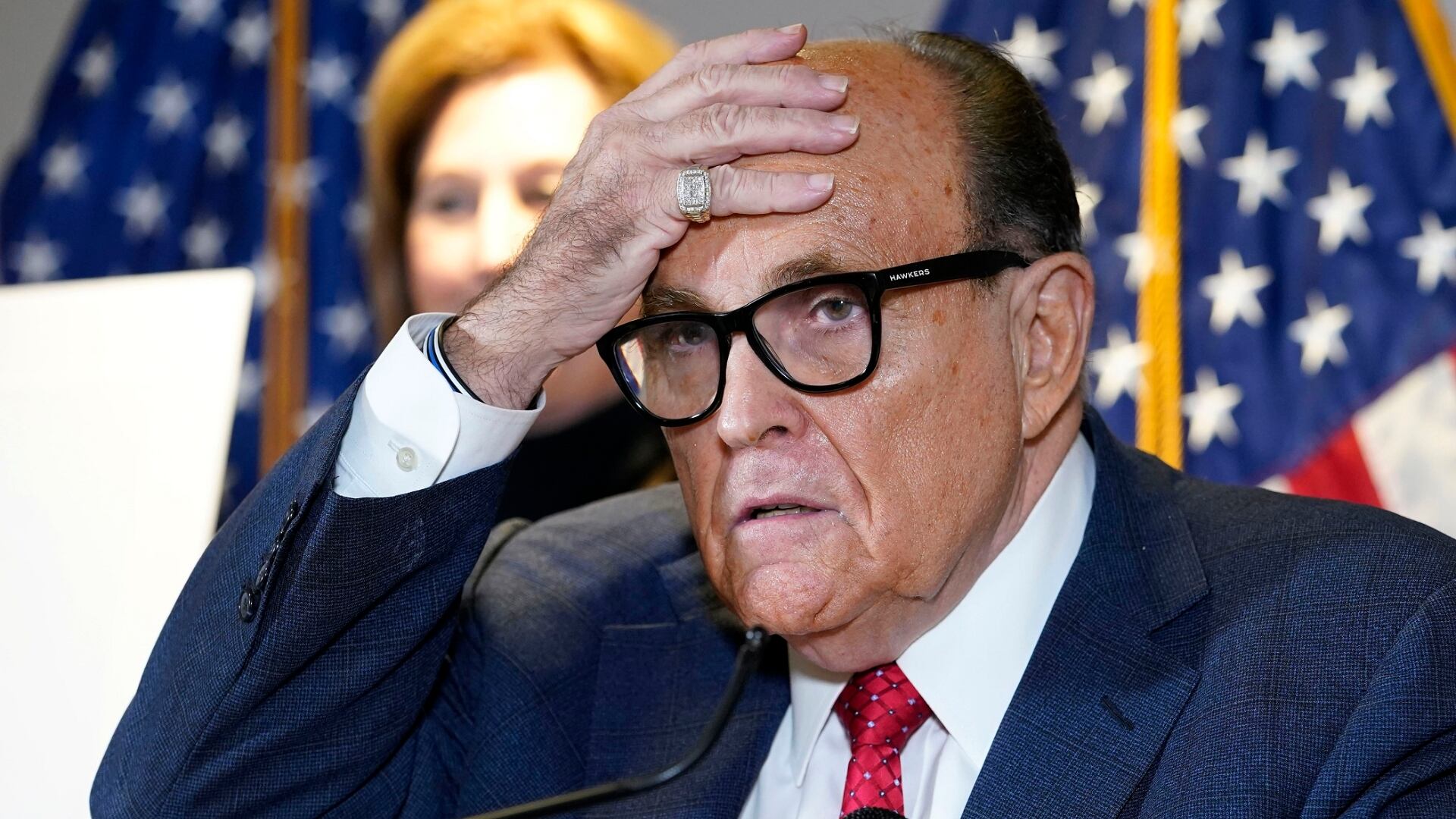
Former New York City mayor and lawyer to Donald Trump Rudy Giuliani made his singing debut on a taping of Fox’s The Masked Singer. However, Ken Jeong and Robin Thicke, two judges on the competition show, reportedly left in protest when Giuliani was unmasked upon being eliminated.
All Hands celebrates Black History Month by highlighting achievements in inclusivity and paying homage to those who have fought for equal rights. Rep. Maxine Waters (D-CA) joins Cheddar News to discuss voter suppression; Damali Peterman, CEO of Breakthrough ADR, elaborates on the biggest barriers for Black professionals; Andre Perry, senior fellow of Brookings Institution, dives into student loans and the racial wealth divide; and lastly, BET CEO Scott Mills discusses the company's initiatives for 2022.
All month long Cheddar News is celebrating Black History Month.
In our nation’s capital, Black history is being made right now.
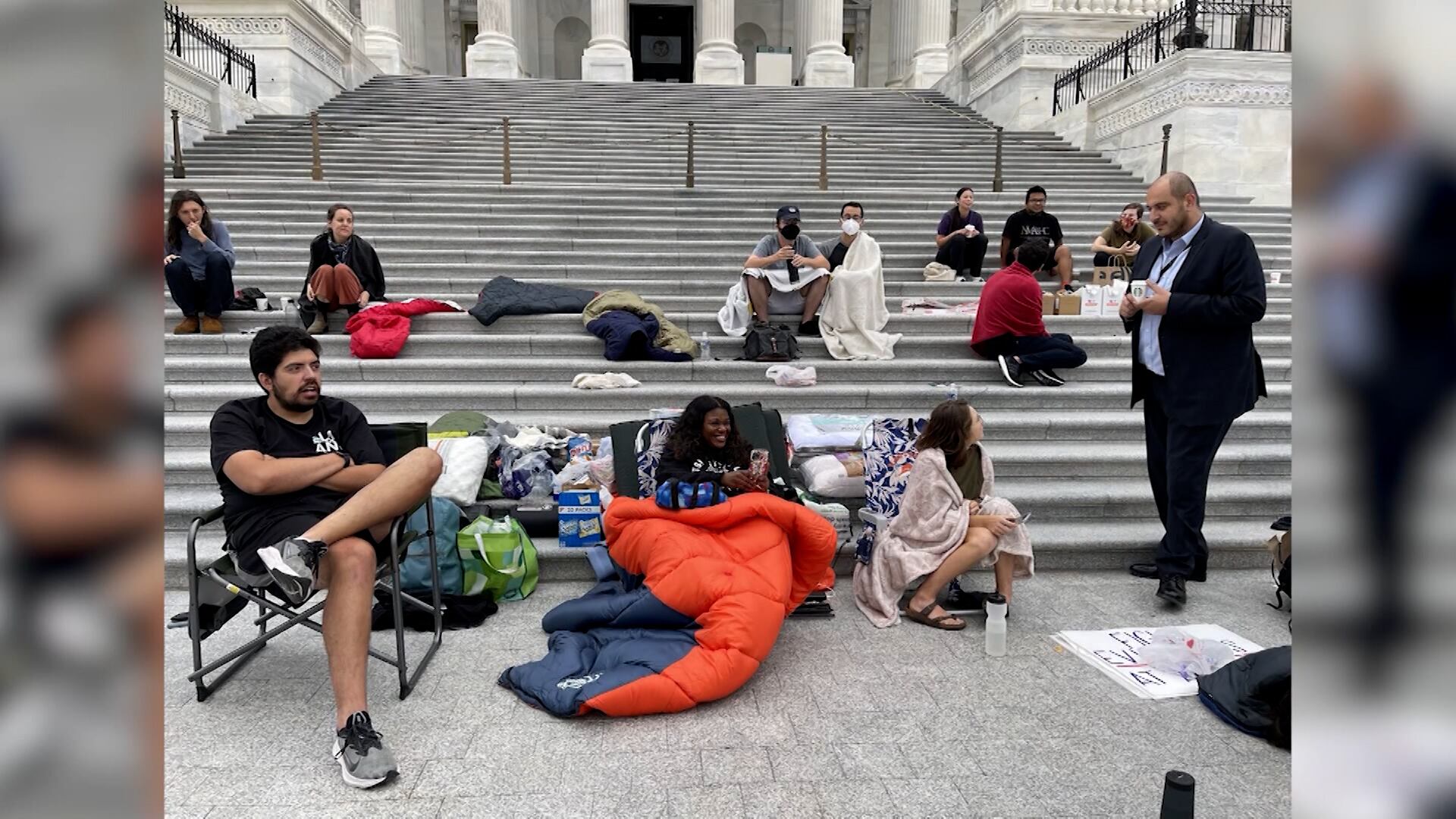
cheddar's own Arielle Hixon puts the spotlight on three lawmakers making that happen, Rep. Lauren Underwood (D-IL), Rep. Cori Bush (D-MO), and Sen. Tim Scott (R-SC).
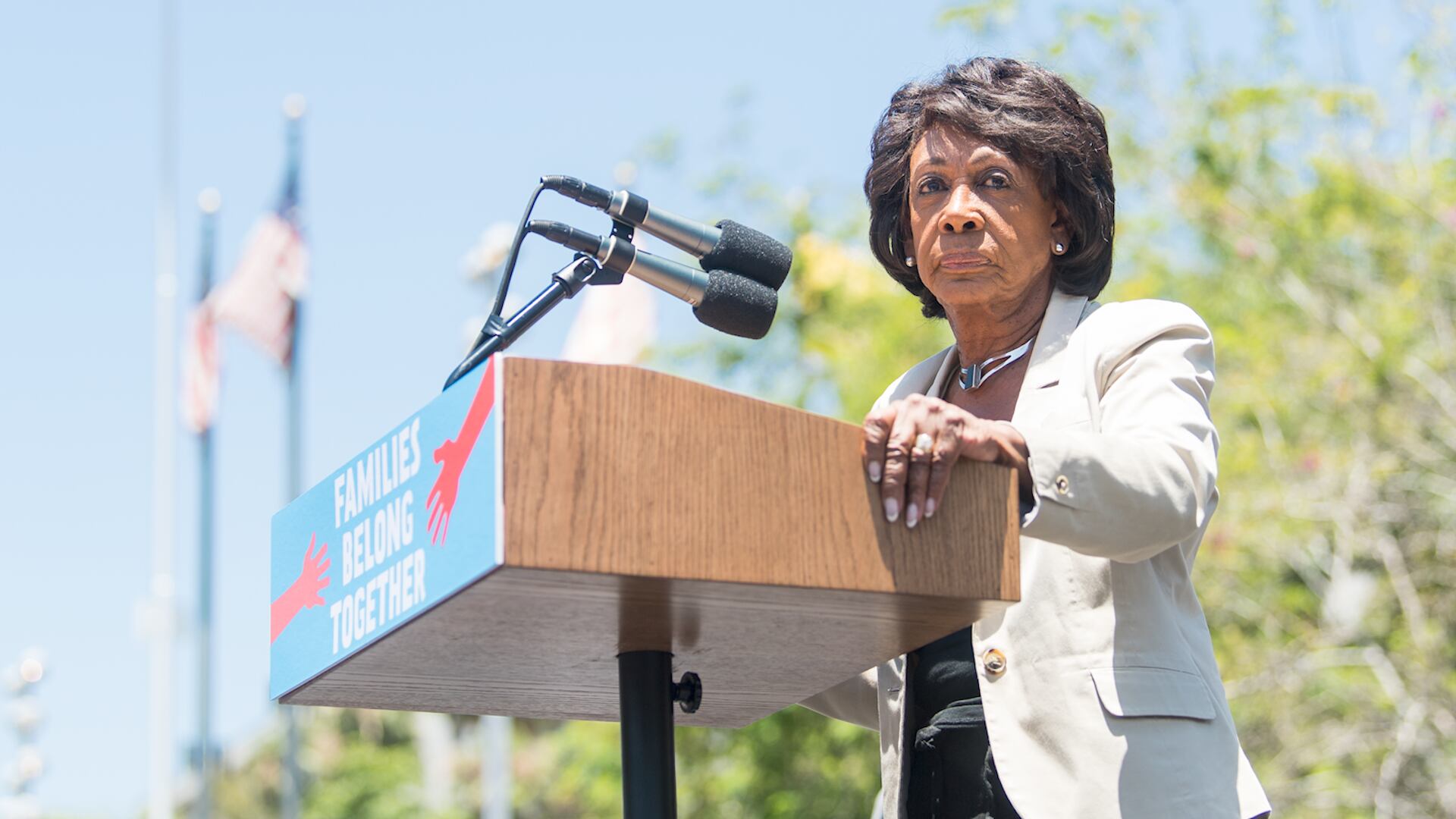
Representative Maxine Waters (D-Calif. 43rd District) joined Cheddar News to talk about the current political climate in America, including efforts to roll back voting rights in multiple states in light of Black History Month. "Why do we have to deal with those who still believe that somehow this country only belongs to the whites of the country and that somehow they have to do everything that they can to undermine our voting and do voters suppression to keep us from being influential and at the table by which to solve problems?" she asked. Waters chided "two Democrats" who she said were stymying attempts to rectify the issue and also spoke on President Biden’s promise to nominate a Black woman to the Supreme Court.
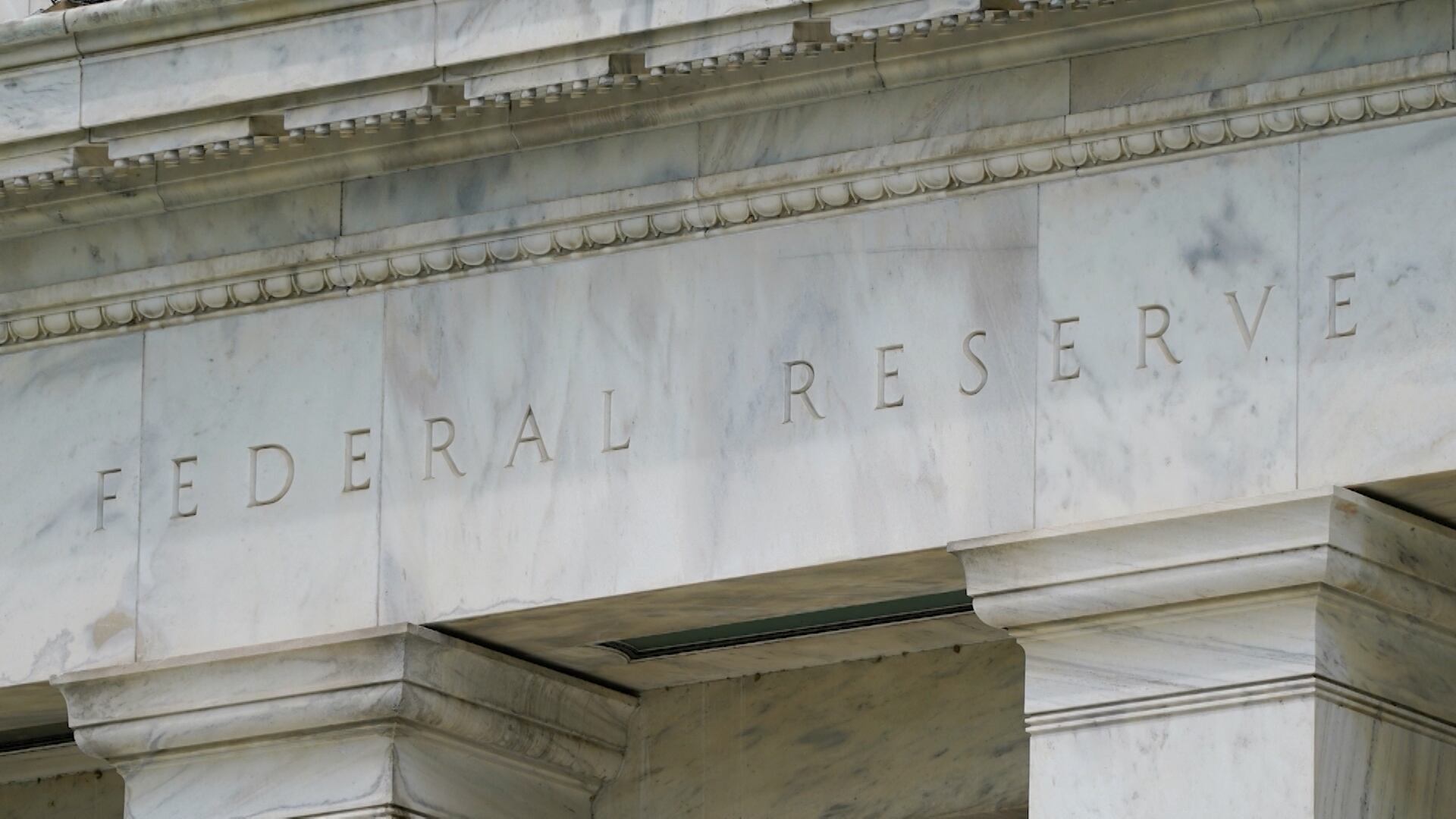
Wall Street saw another volatile day after the Federal Reserve left rates unchanged for now, with plans to raise rates in March at its next meeting in order to ease inflation. Fed Chair Jerome Powell said the Fed has not made decisions on the size of rate increases, adding that the Fed is not trying to get inflation below two-percent. Ken Johnson, CFA and Investment Strategy Analyst explains why Powell thinks that high inflation is a significant threat to the labor market.
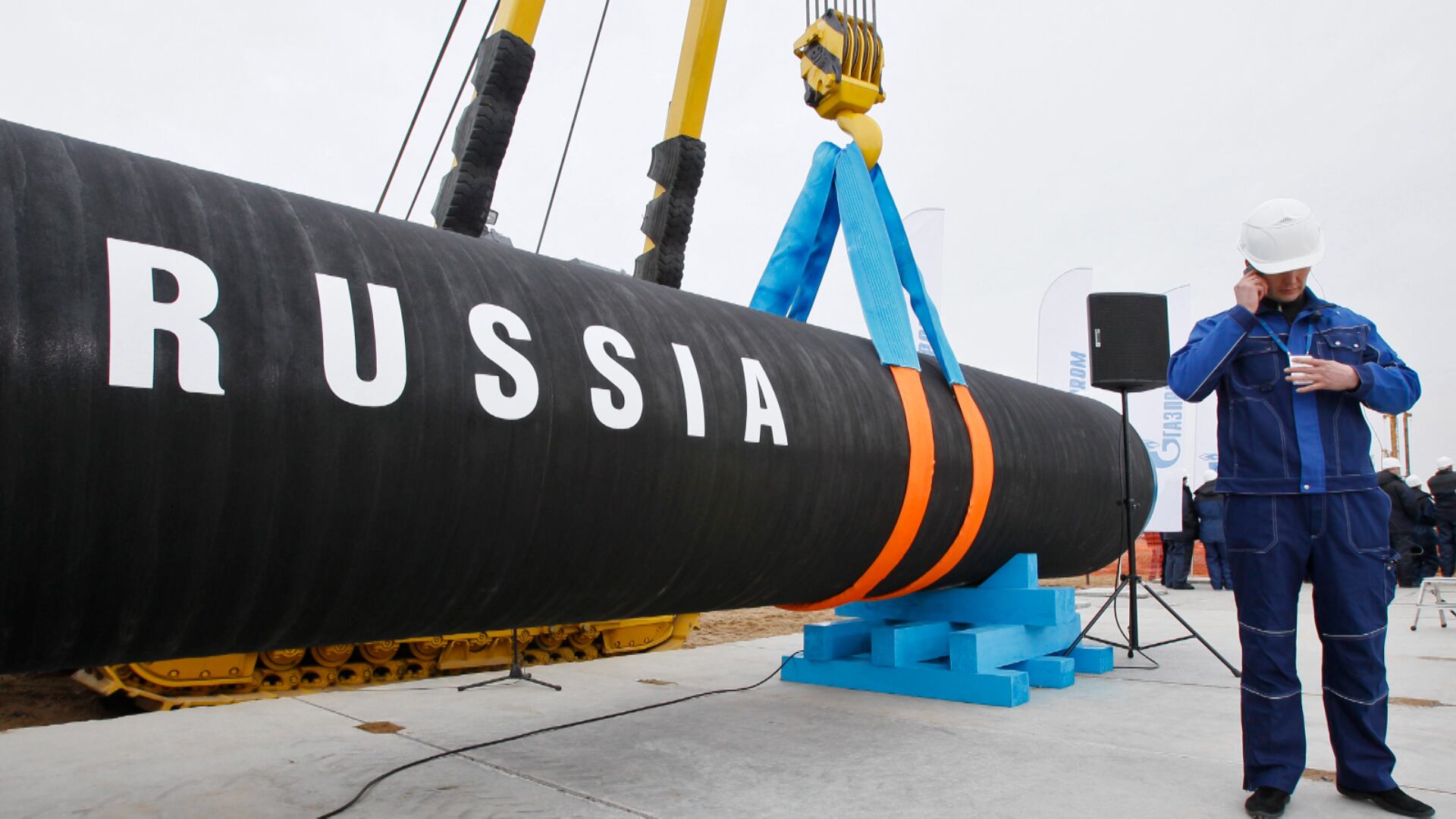
Anu Gaggar, global investment strategist for Commonwealth Financial Network, joined Cheddar News to discuss how global supply chains could be disrupted even further by an armed conflict in Ukraine.
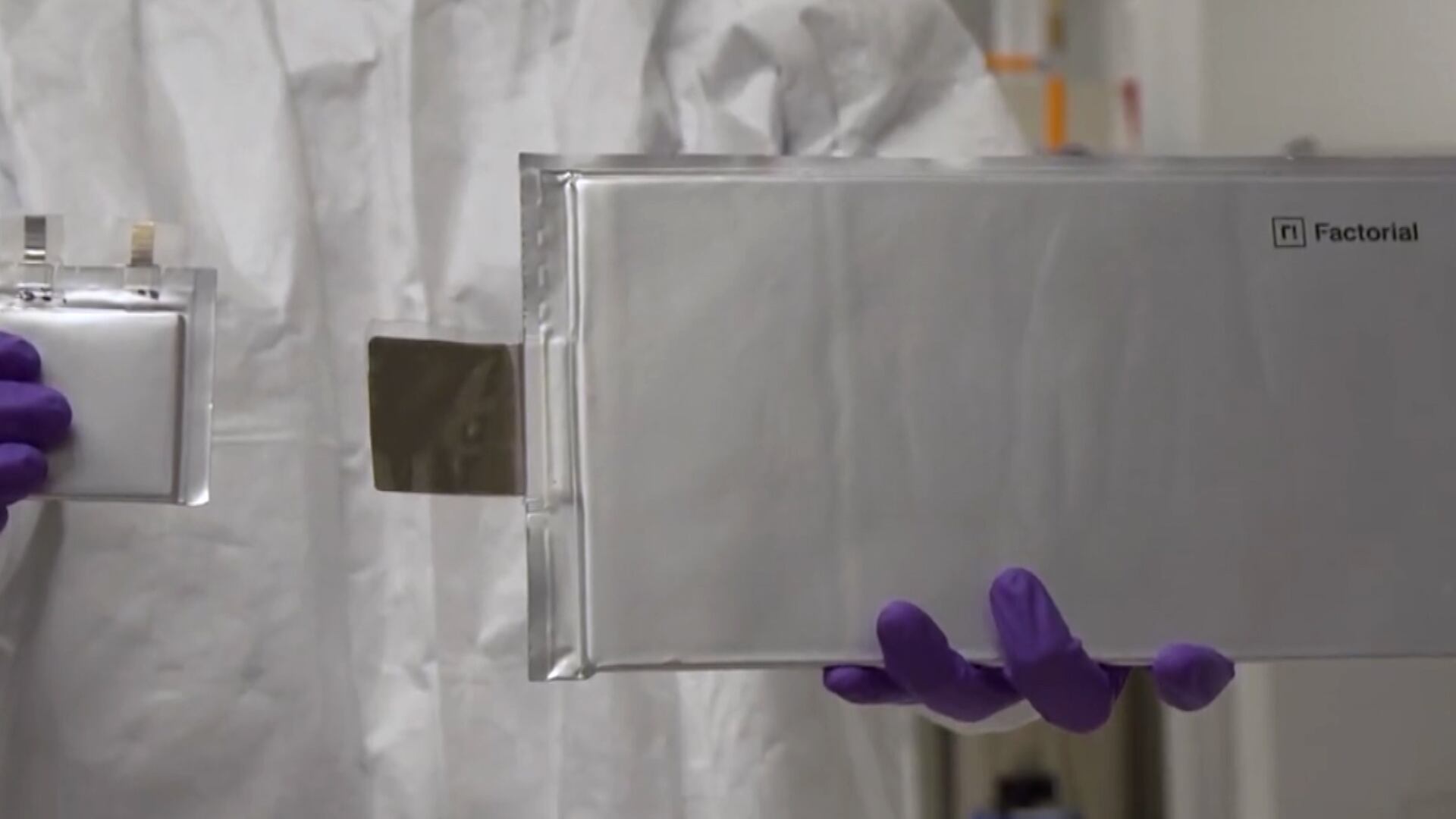
Solid-state battery maker Factorial Energy recently raised $200 million in a Series D round led by Mercedes-Benz and Stellantis. Factorial says the funding will be used to accelerate commercial production and deployment of its solid-state battery technology, which the company says is safer, and offers up to 50% more driving range than current lithium-ion technology. Factorial also has joint development agreements (announced in late 2021) with Mercedes-Benz, Stellantis, and Hyundai, three of the top 10 global automotive manufacturers, to commercialize its batteries. Factorial CEO Siyu Huang joined Cheddar News' Closing Bell to discuss.