*By Kristen Lee*
This holiday season was a happy one for U.S. retail, which saw its biggest sales bump in six years, according to MasterCard.
Retail sales, excluding car purchases, rose 5.1 percent year-over-year for the key holiday shopping period between Nov. 1 and Dec. 24 to reach more than $850 billion.
As expected, online spending led that surge, with a 19.1 increase in online spending during that same period, according to MasterCard.
But more surprisingly, brick-and-mortar sales also increased 3.3 percent. According to Adobe Analytics, a key trend boosting brick-and-mortar was a 47 percent spike in "Buy Online Pick-up In Store" spending, otherwise known as BOPIS. The rise in BOPIS benefits both consumers and retailers. Retailers save on shipping costs and can pass those savings on to consumers in the form of discounts. Also, when customers comes to stores for pick-up, they are more likely to spend more on impulse purchases there.
More broadly, improved retail sales this year can be attributed to better inventory levels, fewer promotions and greater investments in e-commerce platforms, Elaine Low, a reporter for Investor's Business Daily, told Cheddar Wednesday.
However, the success was not universal.
"What you're seeing really is this further widening gap between the winners and the losers in the space. You have the folks who are really doubling down on ecommerce, who are making investments in their technology platforms, and are really hoping to drive shoppers to buy more even while they are in-store," she said. "And you also have the guys on the other end of the spectrum, who are playing catch up with their e-com investments."
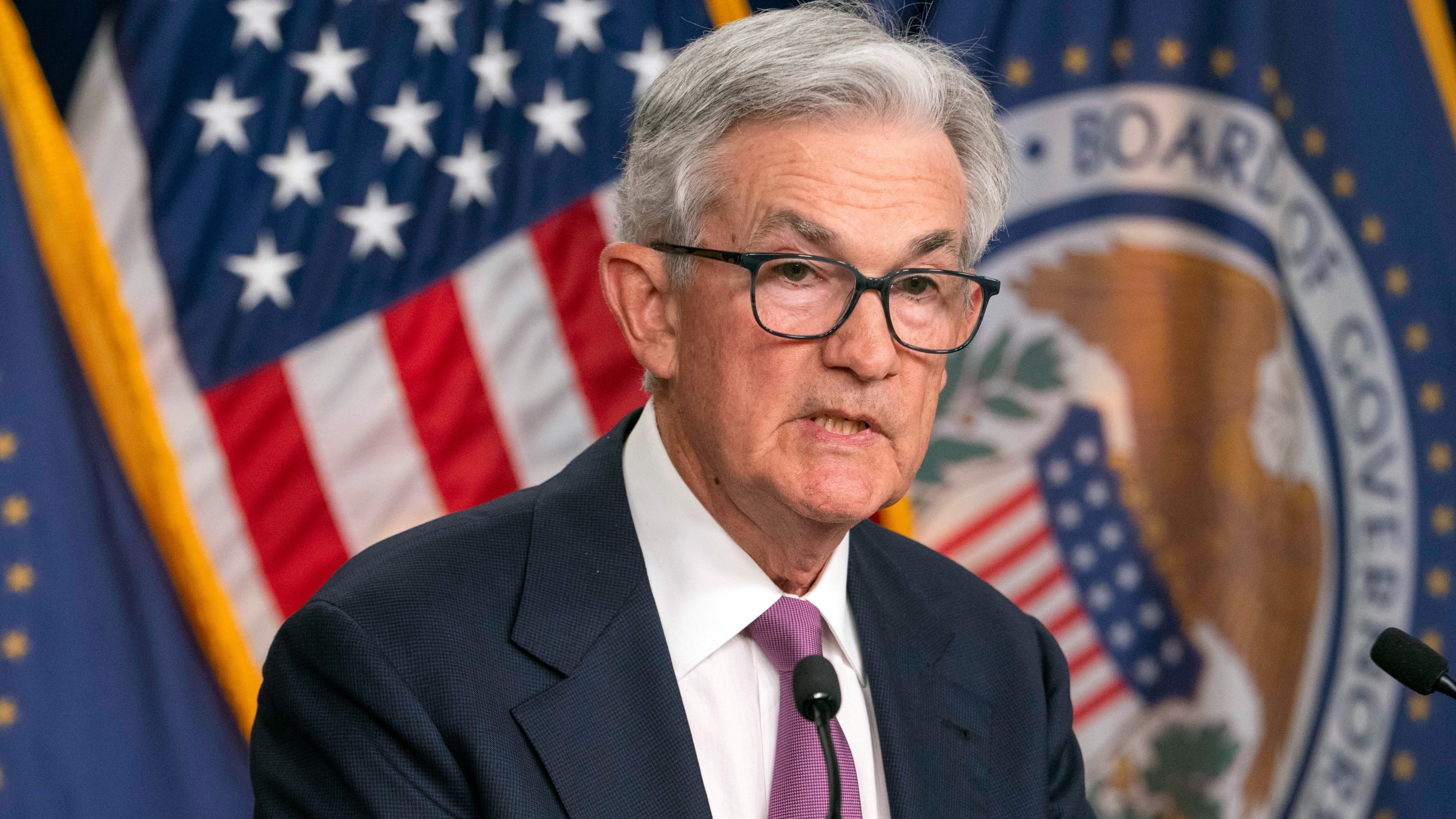
The Federal Reserve, having raised interest rates at the fastest pace in four decades, is poised Wednesday to leave rates alone for the first time in 15 months to allow time to gauge the impact of its aggressive drive to tame inflation.
Stocks are drifting Wednesday, as Wall Street waits to hear what the Federal Reserve’s latest economy-moving decision will be on interest rates.
Chipmaker AMD said on Tuesday that it's producing an advanced chip for artificial intelligence applications that is designed to compete with Nvidia.
On Tuesday, the Bahamas Supreme Court allowed FTX founder Sam Bankman-Fried to review the terms of his extradition and temporarily delayed the country from agreeing to let U.S. prosecutors pursue criminal charges against him.
Microsoft's planned $69 billion purchase of video game company Activision Blizzard was blocked by a federal judge Tuesday, giving more time for an antitrust review of the deal.
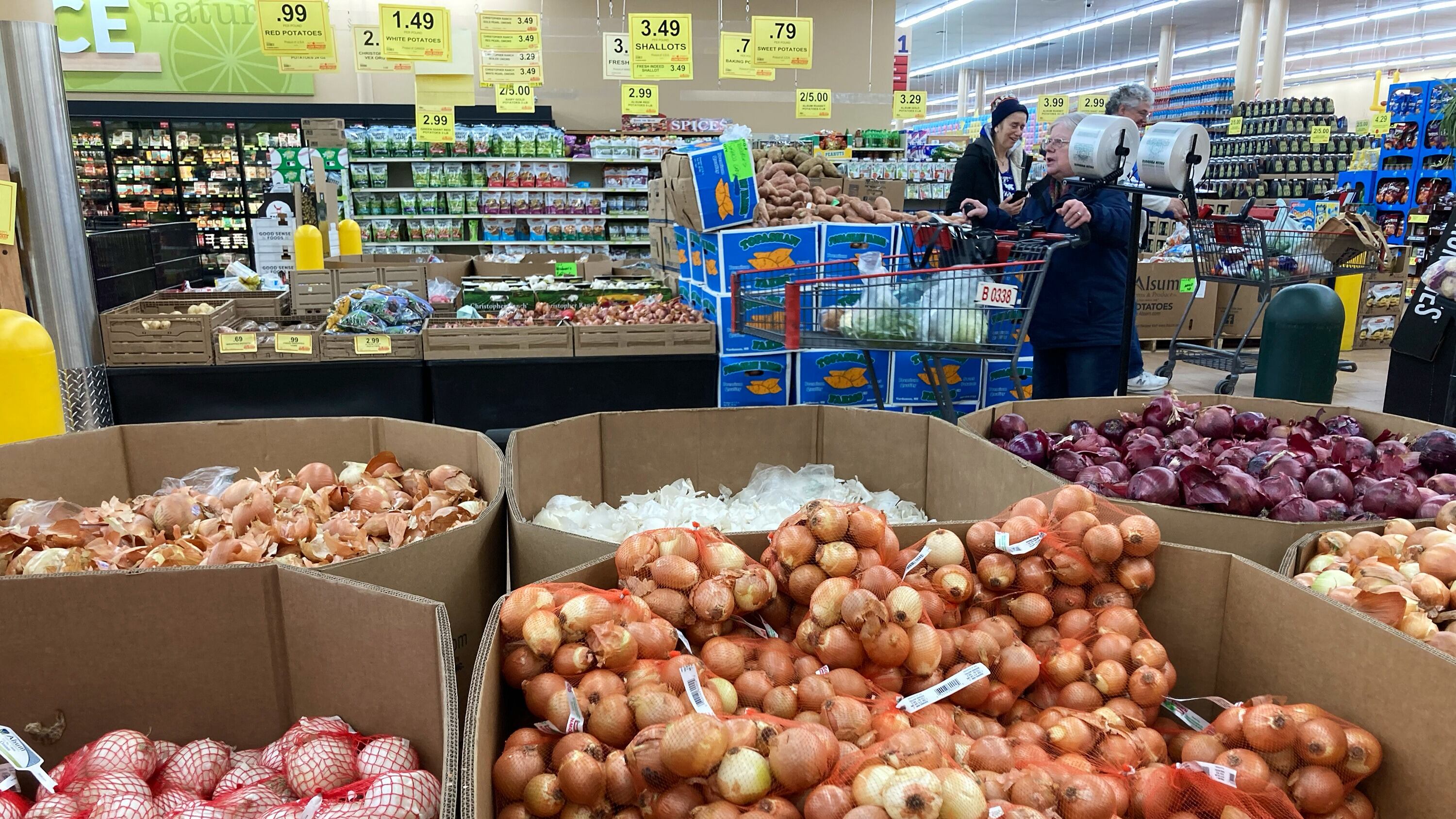
Consumer prices in the United States cooled last month, rising just 0.1% from April to May and extending the past year's steady easing of inflation. At the same time, some measures of underlying price pressures remained high.
People are using apps more than ever to help manage and save their money, and it's hard to know which ones work best. We recently sat down with Insider financial correspondent Jennifer Streaks to help us break down some of the best apps out there right now.
Stocks rose Tuesday after a cooler reading on inflation cemented Wall Street’s bets for the Federal Reserve to hold off on hiking interest rates this week.
Be Well: How to Attain Financial Freedom
Grubhub is cutting 400 corporate positions or about 15 percent of its workforce as the company contends with declining orders and rising costs.