Hilton Rolls Out Smart Hotel Rooms That Know What You Like
Hilton is jumping into the smart technology craze, testing “connected” hotel rooms that can automatically adjust temperatures according to a guest’s preferences and sync televisions to their Netflix accounts.
Joshua Sloser, the company’s Senior Vice President of Product Innovation, told Cheddar that Hilton wants guests to have a personalized digital experience from the get-go. The efforts started with allowing customers choose their rooms and unlock doors with their devices.
“To bring all of that same functionality into the app for their in-room stay,” he said, “is a win for the consumers, and it actually drives a ton of engagement.”
The hotel chain allows customers to fill out a preference sheet prior to their arrival, so the company can customize their experience by the time they check in. For those who may have security concerns, Sloser says the data is deleted from every room upon check-out.
“It’s really about giving the guest the opportunity to share what they want,” he said.
Hilton has so far tested the service in one hotel and plans to expand the program before the year ends.
Increased personalization is one way the hospitality industry is trying to compete with disruptors like Airbnb, which are growing share of the short-term lease and rental market.
Sloser says that Hilton takes on the challenge by focusing on customer service.
“We believe that hospitality is a business of people serving people,” he said.
For full interview [click here] (https://cheddar.com/videos/the-hotel-industry-gets-smart).
Nvidia on Wednesday became the first public company to reach a market capitalization of $5 trillion. The ravenous appetite for the Silicon Valley company’s chips is the main reason that the company’s stock price has increased so rapidly since early 2023.
Chris Williamson, Chief Business Economist at S&P Global, breaks down September’s CPI print and inflation trends, explaining what it means for markets.
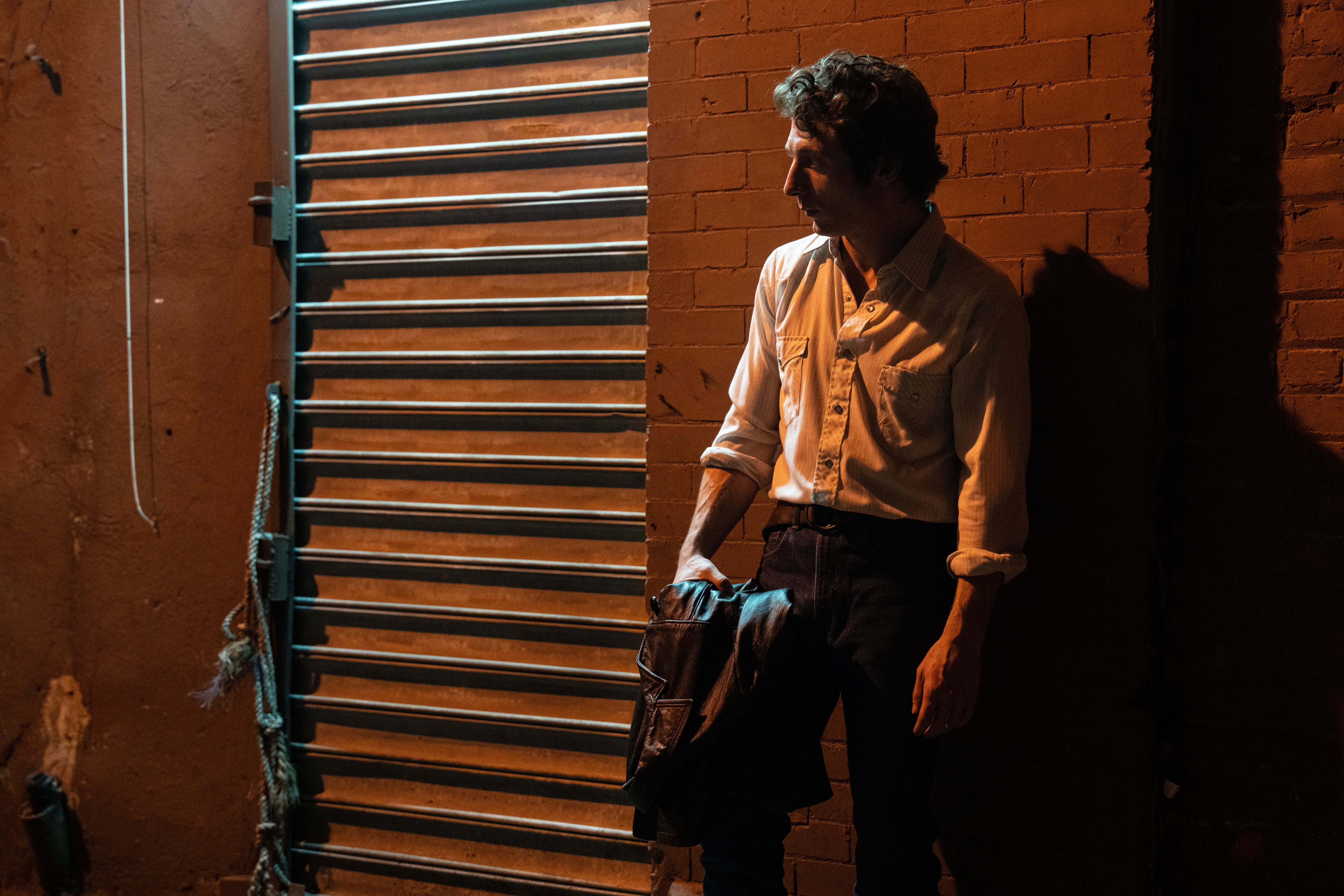
A big-screen adaptation of the anime “Chainsaw Man” has topped the North American box office, beating a Springsteen biopic and “Black Phone 2.” The movie earned $17.25 million in the U.S. and Canada this weekend. “Black Phone 2” fell to second place with $13 million. Two new releases, the rom-com “Regretting You” and “Springsteen — Deliver Me From Nowhere,” earned $12.85 million and $9.1 million, respectively. “Chainsaw Man – The Movie: Reze Arc” is based on the manga series about a demon hunter. It's another win for Sony-owned Crunchyroll, which also released a “Demon Slayer” film last month that debuted to a record $70 million.
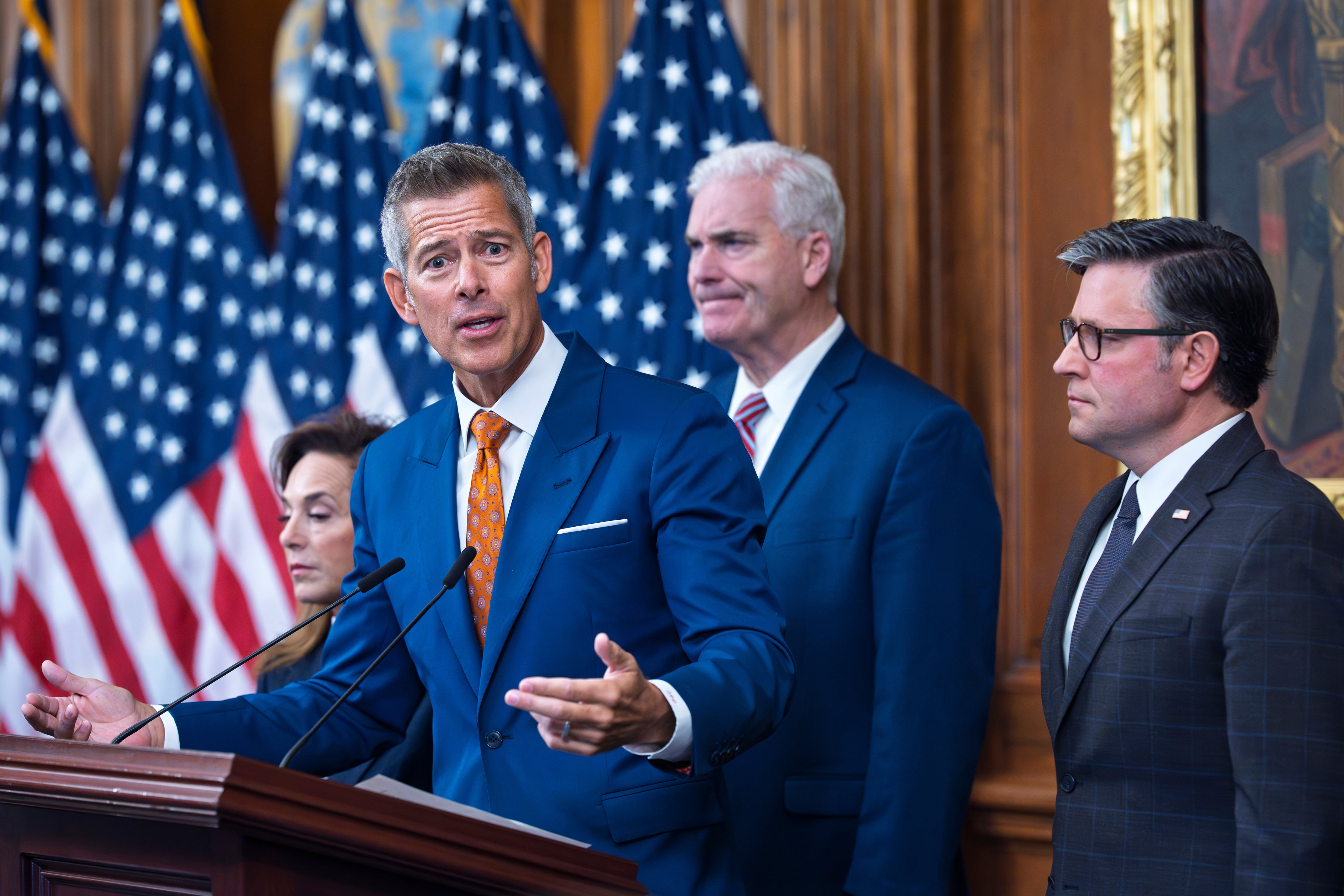
The Federal Aviation Administration says flights departing for Los Angeles International Airport were halted briefly due to a staffing shortage at a Southern California air traffic facility. The FAA issued a temporary ground stop at one of the world’s busiest airports on Sunday morning soon after U.S. Transportation Secretary Sean Duffy predicted that travelers would see more flights delayed as the nation’s air traffic controllers work without pay during the federal government shutdown. The hold on planes taking off for LAX lasted an hour and 45 minutes and didn't appear to cause continued problems. The FAA said staffing shortages also delayed planes headed to Washington, Chicago and Newark, New Jersey on Sunday.
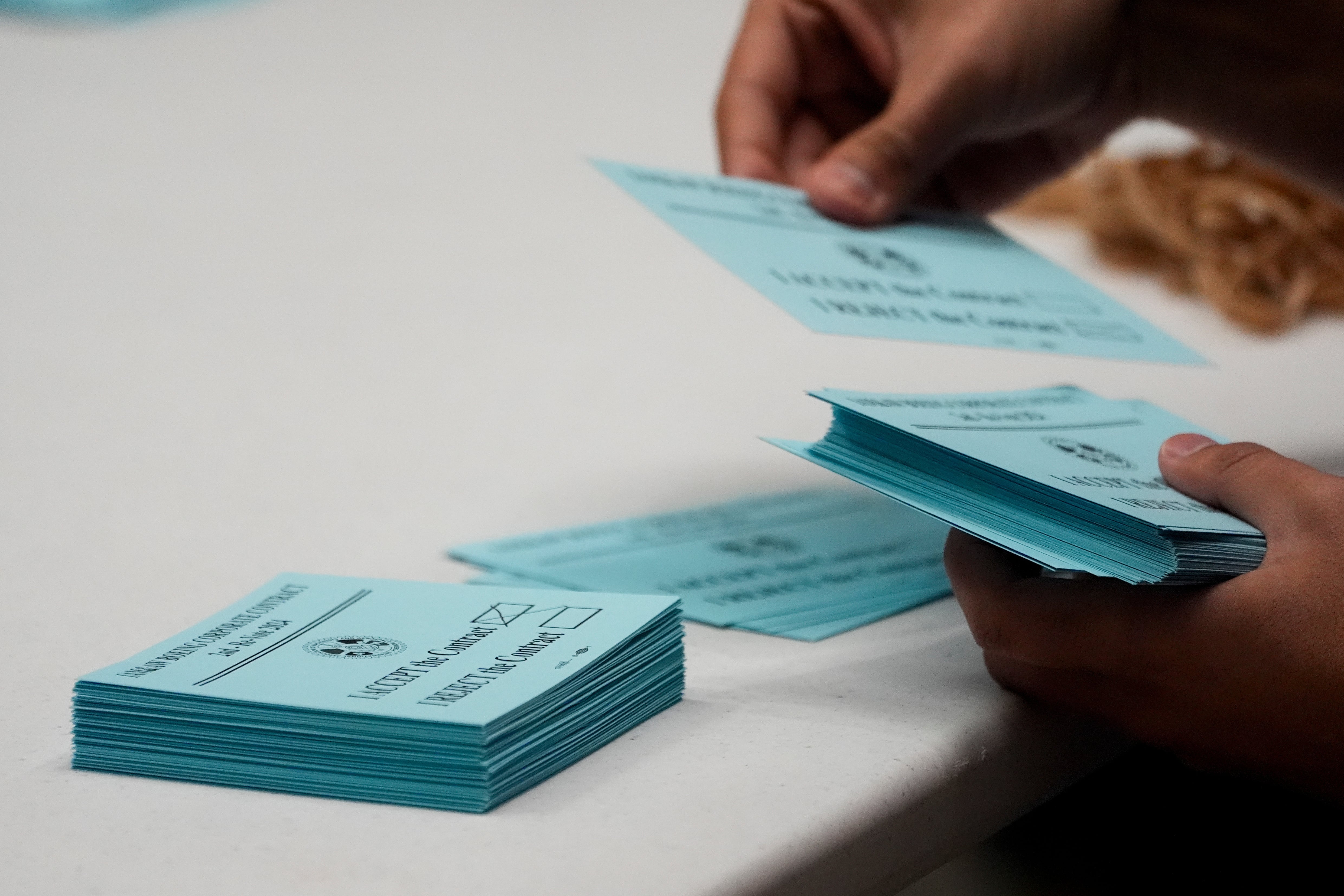
Boeing workers at three Midwest plants where military aircraft and weapons are developed have voted to reject the company’s latest contract offer and to continue a strike that started almost three months ago. The strike by about 3,200 machinists at the plants in the Missouri cities of St. Louis and St. Charles, and in Mascoutah, Illinois, is smaller in scale than a walkout last year by 33,000 Boeing workers who assemble commercial jetliners. The president of the International Association of Machinists says Sunday's outcome shows Boeing hasn't adequately addressed wages and retirement benefits. Boeing says Sunday's vote was close with 51% of union members opposing the revised offer.
The stunning indictment that led to the arrest of more than 30 people — including Miami Heat guard Terry Rozier and other NBA figures — has drawn new scrutiny of the booming business of sports betting in the U.S. The multibillion-dollar industry has made it easy for sports fans — and even some players — to wager on everything from the outcome of games to that of a single play with just a few taps of a cellphone. But regulating the rapidly-growing industry has proven to be a challenge. Professional sports leagues’ own role in promoting gambling has also raised eyebrows.