Multiple U.S. owners of Hyundai's popular Ioniq 5 electric SUV have complained of completely or partially losing propulsive power, many after hearing a loud popping noise, the National Highway Traffic Safety Administration said Saturday.
Hyundai said it would offer a software update beginning next month and replace affected components if necessary.
The NHTSA said in a notice posted online that it received 30 complaints about the problem in 2022 models, of which it estimated 39,500 were on U.S. highways.
The Office of Defects Investigation at the NHTSA has opened a preliminary investigation and says Hyundai indicated in an initial review that a power surge was damaging transistors, preventing vehicles' 12-volt battery from recharging.
Hyundai spokesperson Ira Gabriel said the company was fully cooperating with the investigation and was launching a service campaign in July to update affected vehicles' software and, if necessary, replace the component involved. It's called an Integrated Control Charging Unit.
General Motors, Mercedes-Benz, Hyundai, Stellantis and Volkswagen have also issued recalls since February of 2020, most due to internal battery failures that can increase the risk of fires.
The U.S. National Transportation Safety Board also investigated a series of fires in Tesla vehicles and said the high-voltage lithium-ion batteries pose safety risks to first responders after crashes.
Many governments are counting on EVs to replace gasoline-burning vehicles that emit greenhouse gases that cause global warming.
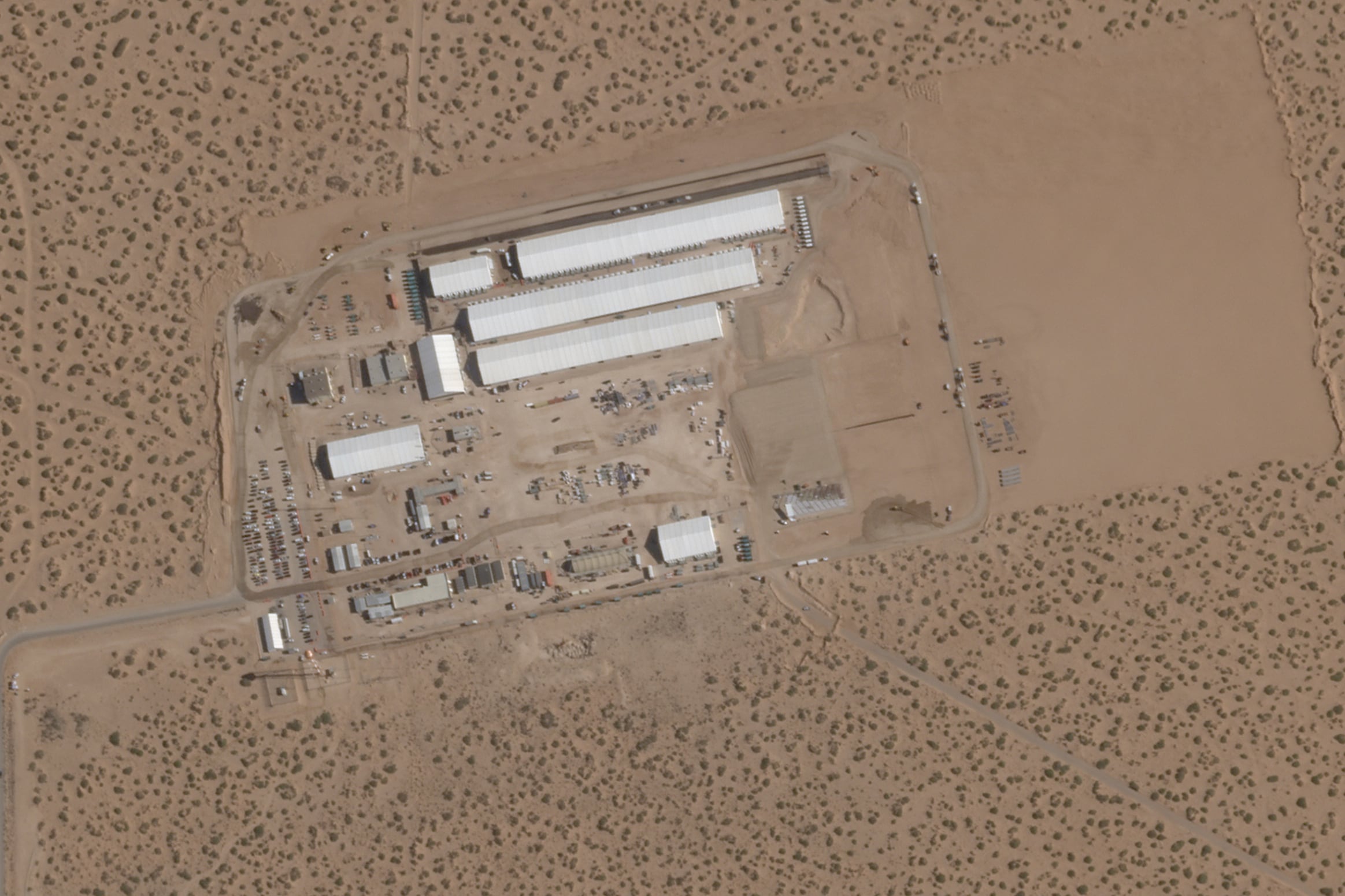
President Donald Trump's administration last month awarded a $1.2 billion contract to build and operate what's expected to become the nation’s largest immigration detention complex to a tiny Virginia firm with no experience running correction facilities.
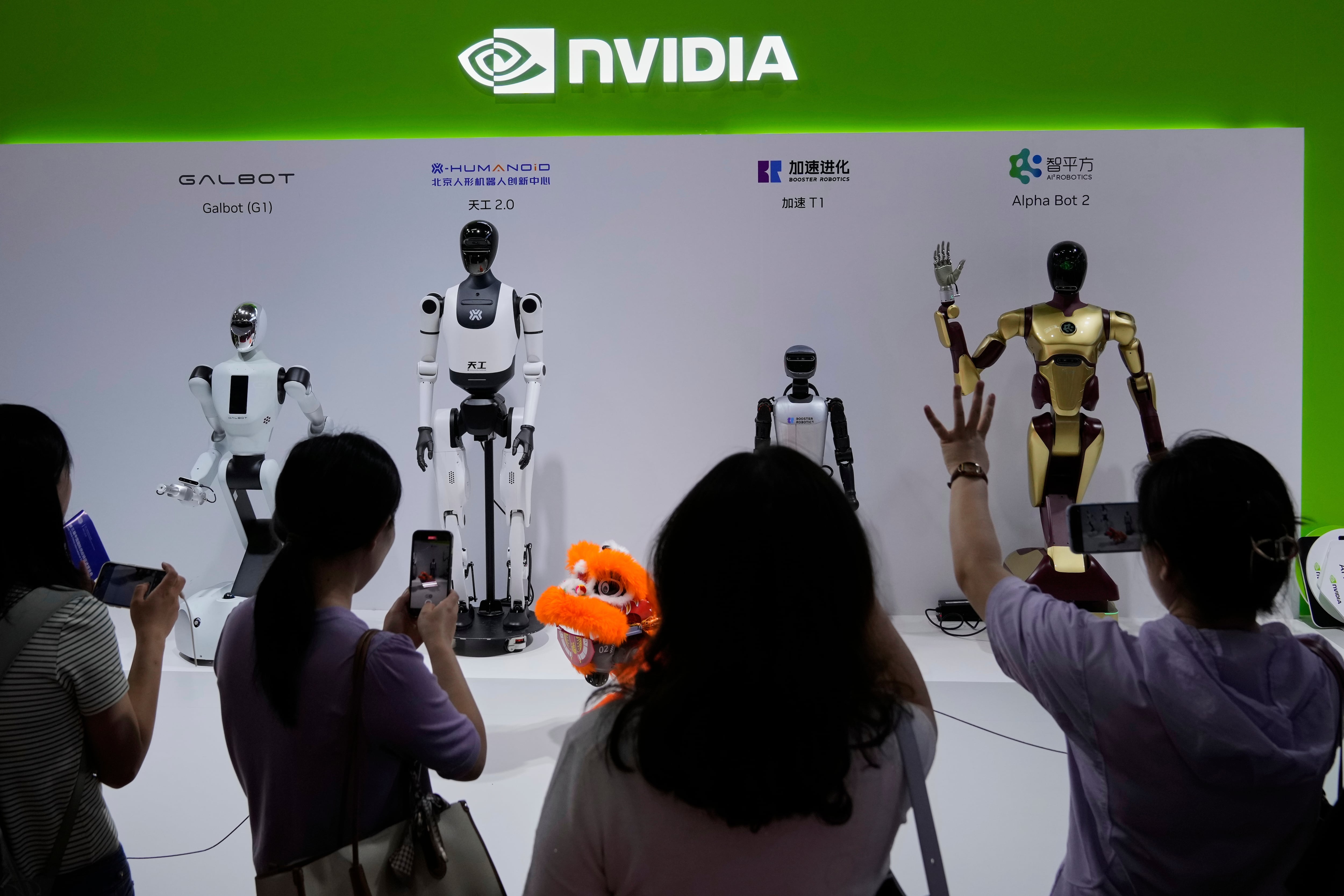
Chipmaker Nvidia is poised to release a quarterly report that could provide a better sense of whether the stock market has been riding an overhyped artificial intelligence bubble or is being propelled by a technological boom that’s still gathering momentum.
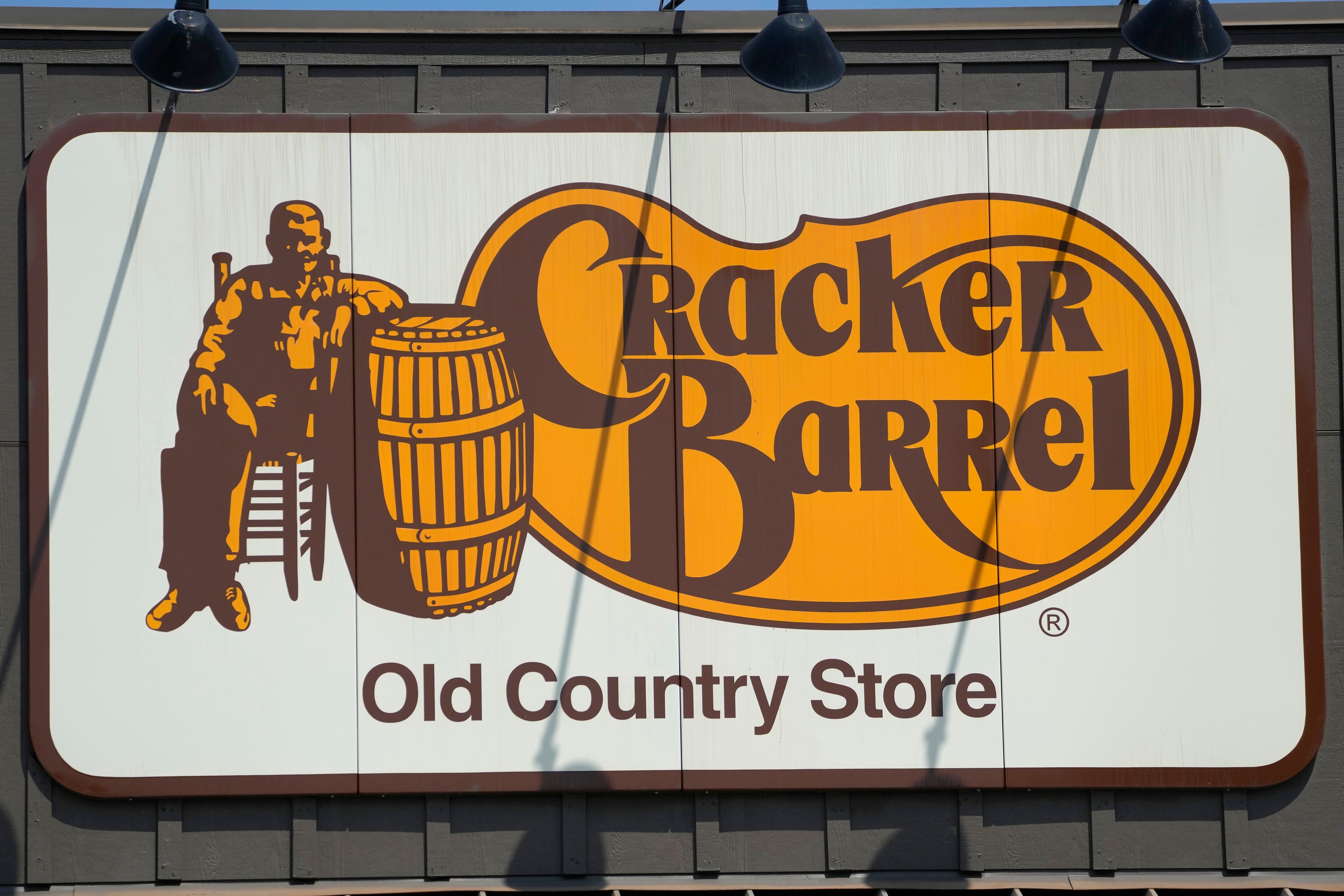
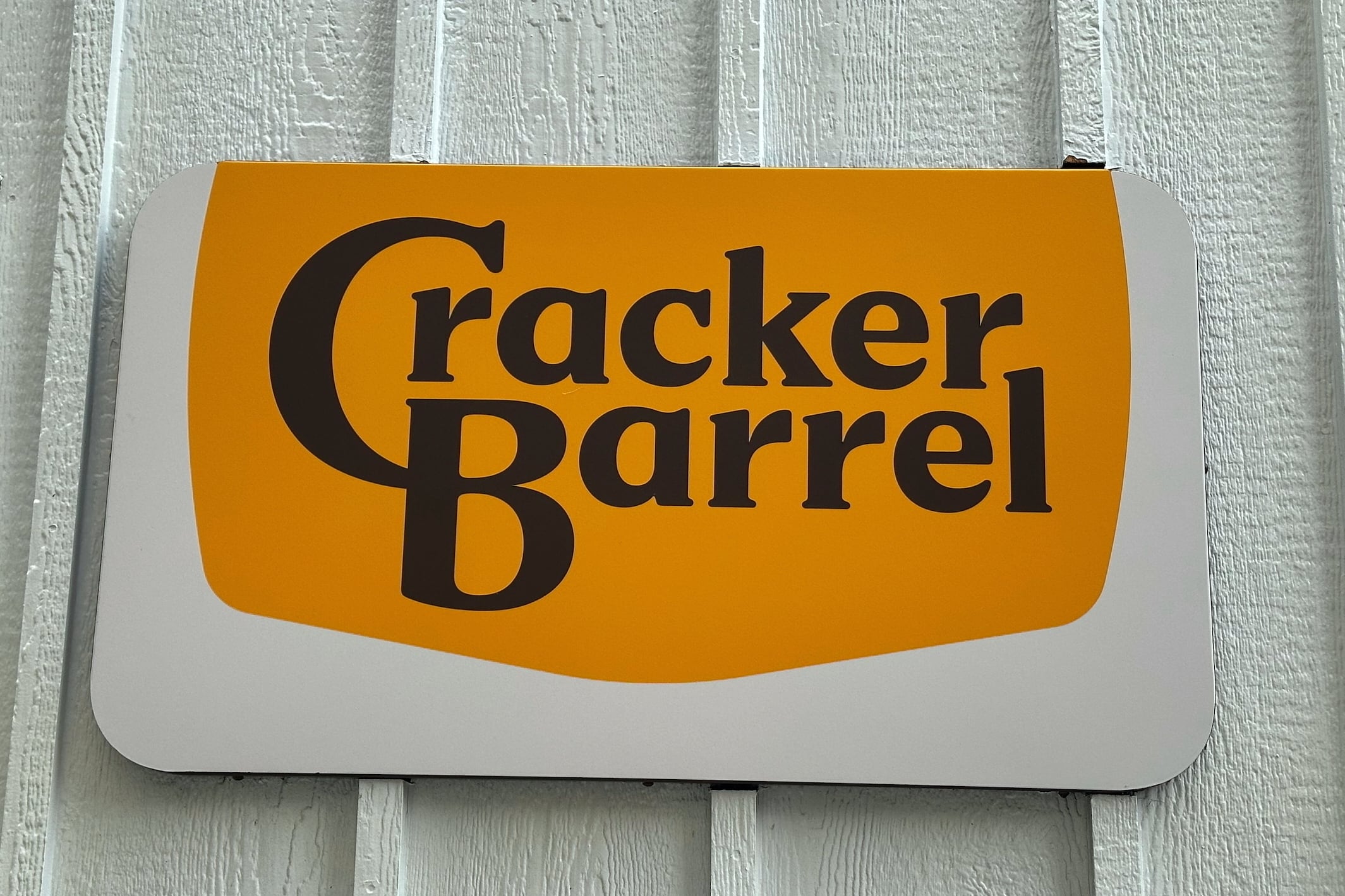
Cracker Barrel said late Tuesday it’s returning to its old logo after critics — including President Donald Trump — protested the company’s plan to modernize.
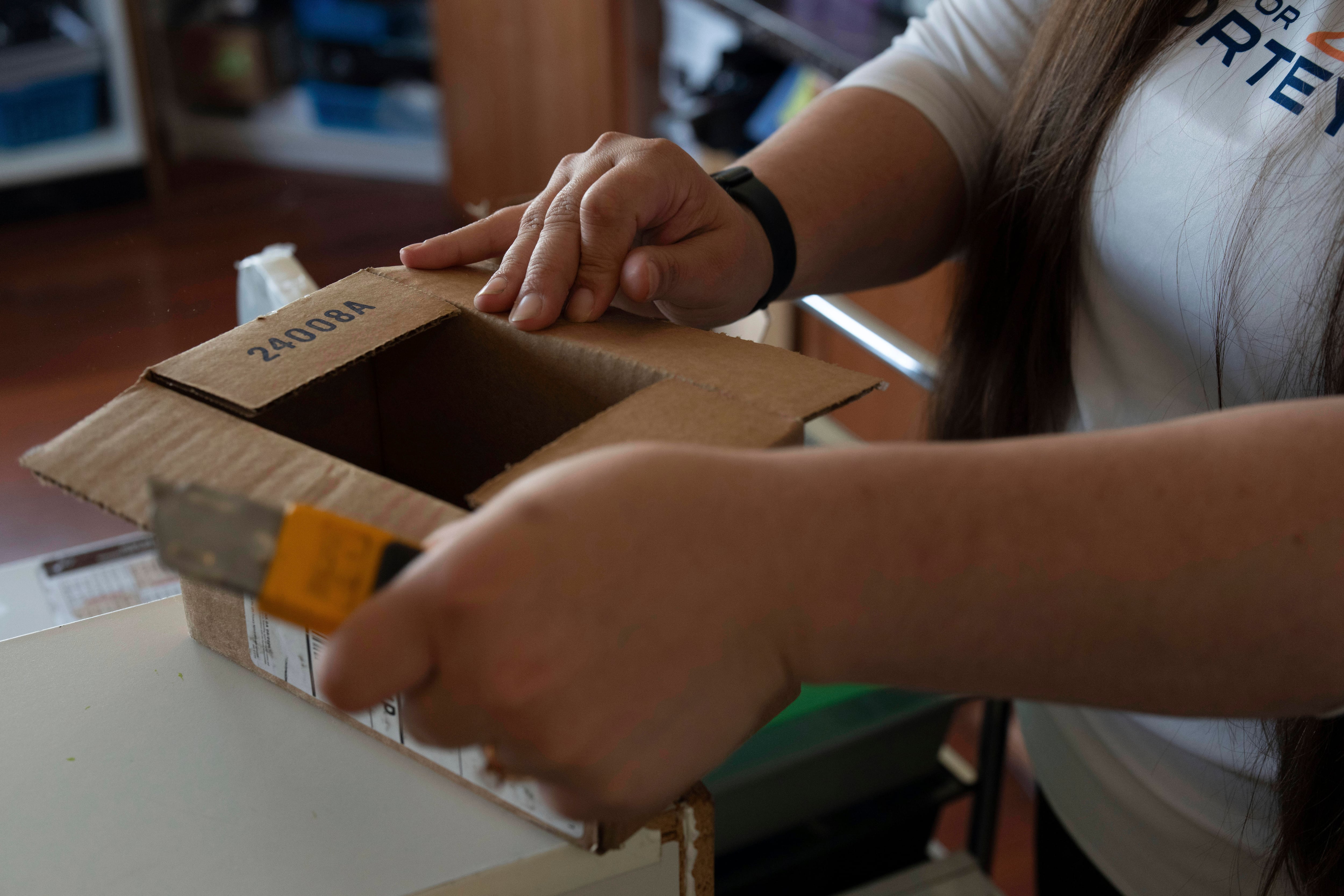
Low-value imports are losing their duty-free status in the U.S. this week as part of President Donald Trump's agenda for making the nation less dependent on foreign goods. A widely used customs exemption for international shipments worth $800 or less is set to end starting on Friday. Trump already ended the “de minimis” rule for inexpensive items sent from China and Hong Kong, but having to pay import taxes on small parcels from everywhere else likely will be a big change for some small businesses and online shoppers. Purchases that previously entered the U.S. without needing to clear customs will be subject to the origin country’s tariff rate, which can range from 10% to 50%.
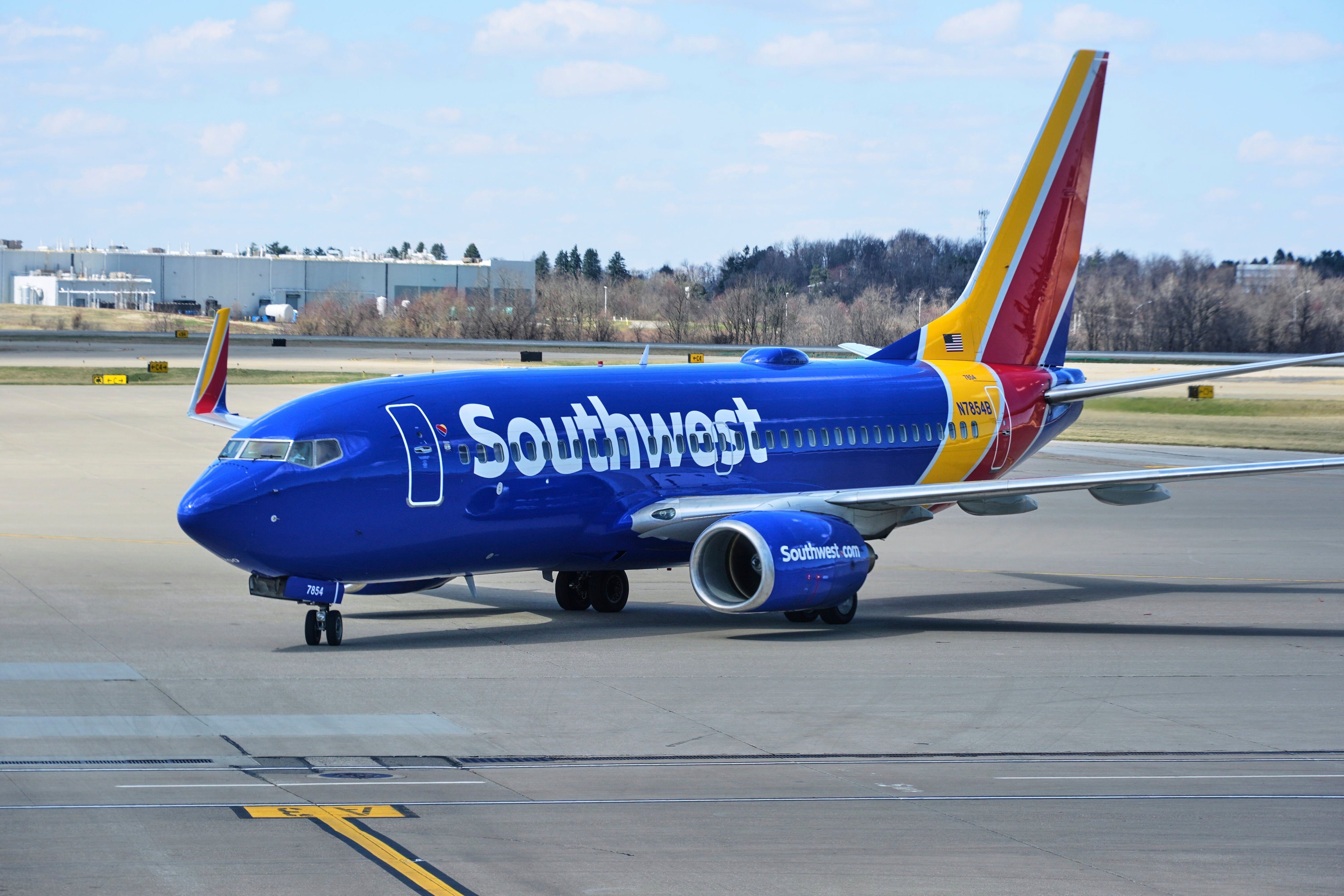
Southwest Airlines will soon require plus-size travelers to pay for an extra seat in advance if they can't fit within the armrests of one seat. This change is part of several updates the airline is making. The new rule starts on Jan. 27, the same day Southwest begins assigning seats. Currently, plus-size passengers can pay for an extra seat in advance and later get a refund, or request a free extra seat at the airport. Under the new policy, refunds are still possible but not guaranteed. Southwest said in a statement it is updating policies to prepare for assigned seating next year.
Cracker Barrel is sticking with its new logo. For now. But the chain is also apologizing to fans who were angered when the change was announced last week.
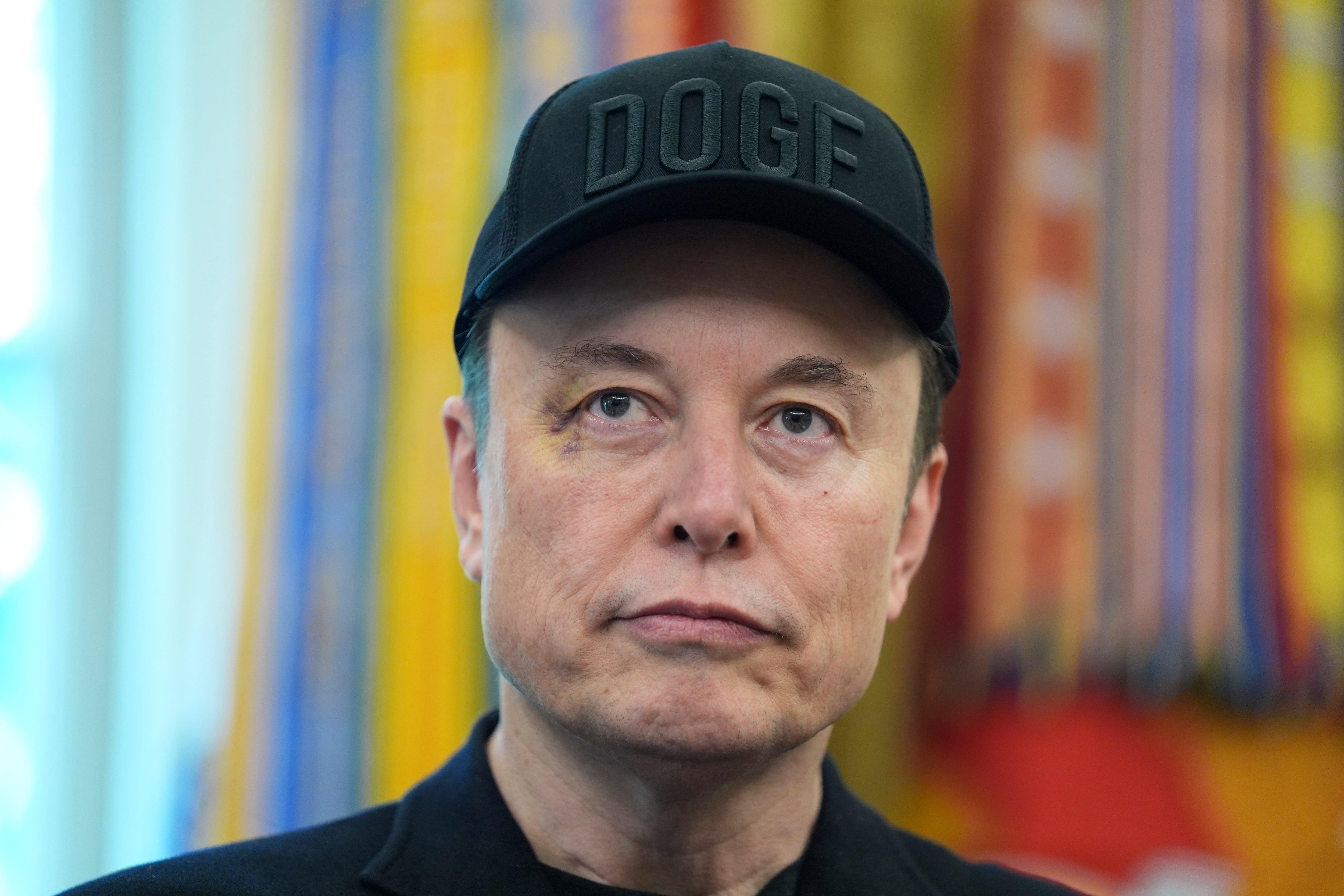
Elon Musk on Monday targeted Apple and OpenAI in an antitrust lawsuit alleging that the iPhone maker and the ChatGPT maker are teaming up to thwart competition in artificial intelligence.