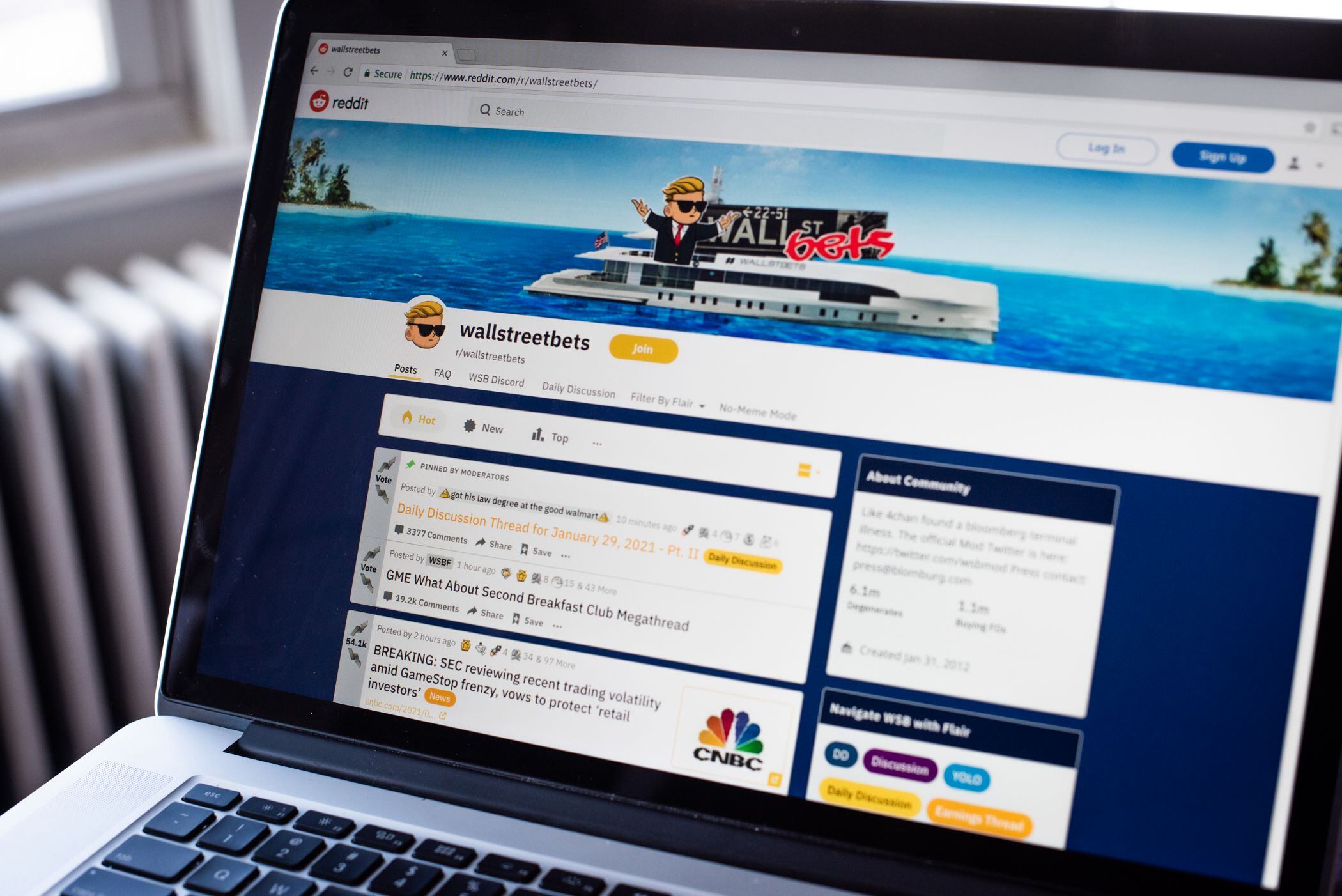
The WallStreetBets forum on the Reddit Inc. website on a laptop computer arranged in Hastings-On-Hudson, New York, U.S., on Friday, Jan. 29, 2021. Photographer: Tiffany Hagler-Geard/Bloomberg via Getty Images
The race is on for hedge funds to better understand how social media is moving markets or risk the same fate as the short-sellers who were clobbered by the rally in GameStop shares.
One way to get ahead of these trends is to more closely track subreddits such as /WallStreetBets, which sparked off the recent buying frenzy and is keeping it rolling with a steady stream of messages telling members to "hold the line" on their investment.
But reading every Reddit post is a tough sell for a hedge fund or institutional investor engaged in high-speed, high-volume trading. That's why brothers Christopher and James Kardatzke, founders of Quiver Quantitative, are suddenly getting a lot of interest from Wall Street.
Over the past few days, the Wisconsin-based startup has gotten a steady stream of inquiries from hedge funds asking about how their technology can help them track social media.
"We've been getting a lot of emails from different hedge funds interested in using our data API to basically get data from /WallStreetBets," Christopher Kardatzke, the chief technology officer for Quiver Quantitative, told cheddar. "They want to make sure there isn't this retail investor interest in what they're taking short positions in."
The company, which provides both free and custom application programming interfaces (API), tracks or "scrapes" alternative data sources such as subreddits, Twitter, and Facebook channels — basically any non-financial source that could be relevant to markets.
Fortunately for the startup, it had been scraping the popular subreddit since early 2020.
Technically, that means it was tracking the number of times certain stocks or ticker symbols were mentioned and whether there was a positive or negative sentiment around those stocks.
Looking at the whole year, Quiver found that the "WallStreetBets Portfolio," a breakdown of the top stocks mentioned positively on the subreddit, was up more than 61 percent, was more volatile than the S&P 500, but outperformed it even through the downturn at the start of the year.
Right now, this data is aggregated on a daily basis, but the startup is working on rolling out a real-time feed within the next few weeks.
"It's pretty basic stuff, but we're in the process right now of expanding that into a live feed to get the most recent comments within seconds," the CTO said.
Kardatzke noted that this will be particularly useful to hedge funds, and will fit well with /WallStreetBets, which features daily posts outlining where members plan to invest the following day.
Soon, he added, Quiver will start looking at language more specific to the subreddit, including option trading terms such as puts and calls.
And while Quiver will likely develop some of these inquiries from hedge funds into client relationships, the company plans to maintain its free platform, which Kardatzke said was originally built to help retail rather than institutional investors.
"It's so relevant to retail investors," he said. "It's data you see in your everyday life. You don't need a finance degree to be able to analyze it or get insights from it."
Kardatzke said that he's conscious that the company could soon be straddling both sides of what appears to be a growing rift in the financial world. The way to remedy that is by making sure both sides are catered to. Retail investors, for instance, want more visualizations and analysis, while institutions want APIs to use for their own analysis, he said.
He said that typically data providers only offer the latter, "but we’d like to do everything we can to make insights from our data available to the public, while keeping afloat."
Tensions from the Russia-Ukraine war have spilled into space. The head of Russia's space agency has threatened to pull the country out of the International Space Station if sanctions aren't lifted on the country — but that doesn't seem to be happening any time soon. What would it mean if Russia really did leave the ISS, who would it harm the most, and what would the consequences be both for the other ISS partners, and private space travel? Casey Dreier, Chief Advocate & Senior Space Policy Adviser at The Planetary Society, joins Closing Bell to discuss.
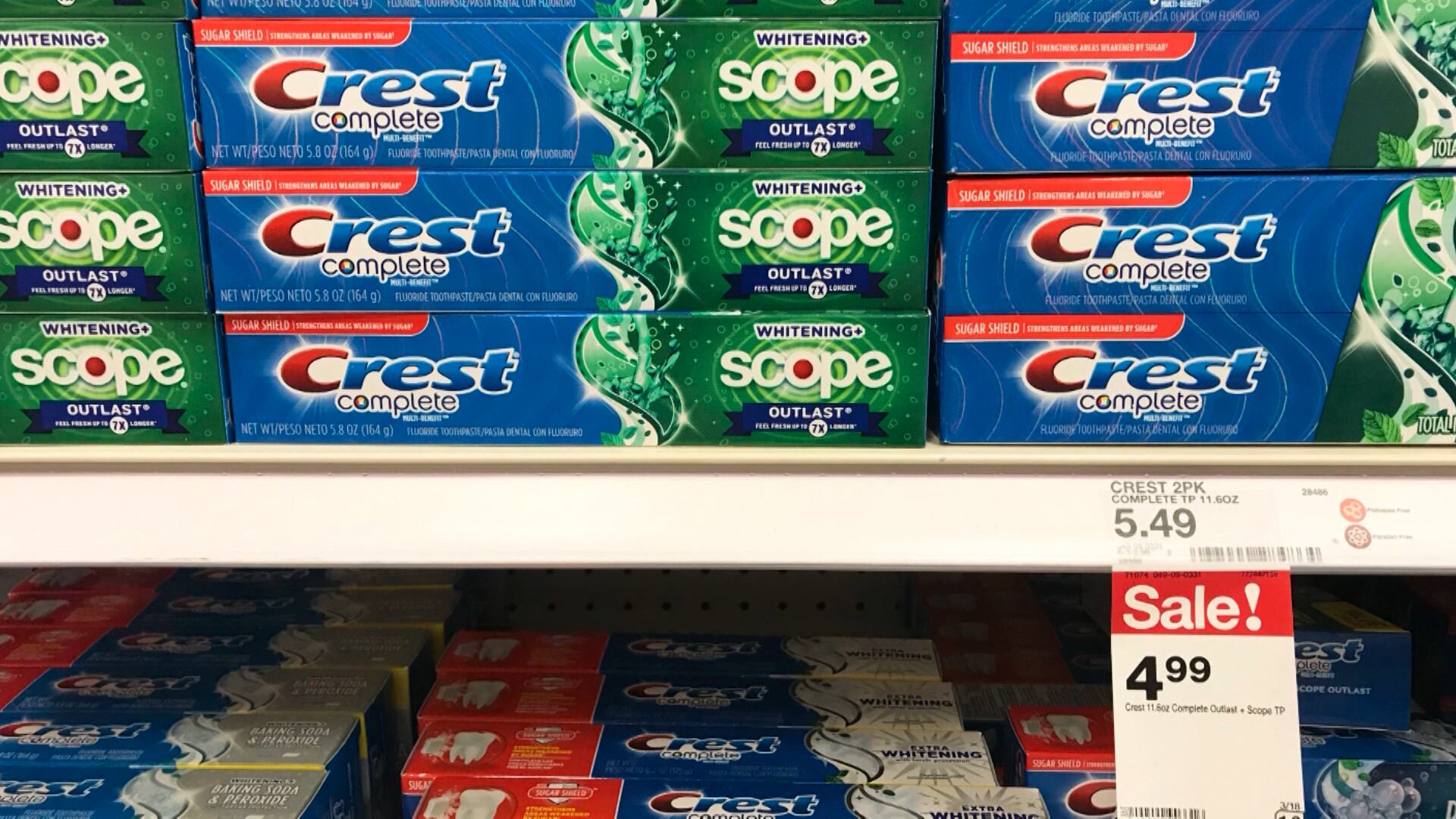
If you've purchased groceries or ordered at a restaurant, you know that prices are going up across the board. You've probably made the switch to cheaper versions of the same products you'd normally buy in an effort to save a few dollars — but did you know that a consumer shift away from brand loyalty is closely followed by grocery chains and big brands? Both need to know where consumers are looking so they can stock shelves, lower prices, and market their products. Brian Mandelbaum, CEO of Klover, joins Closing Bell to discuss how inflation seems to be making brand loyalty disappear, why consumers aren't inclined to be loyal to certain brands or products, how this pattern impacts stores, and more.
Stocks closed near session lows Tuesday as investors digest potentially aggressive rate hikes, and a potential recession.
Both consumers and big banks are starting to think similarly on one topic: both groups think a recession is on the horizon. What does this mean for an American economy still struggling to gain its footing, and for the Federal Reserve which is just starting to implement rate hikes in an attempt to cool inflation? Sam Stovall, Chief Investment Strategist at CFRA, joined Closing Bell to discuss today's close, earnings season, whether a recession is on the horizon, and more.
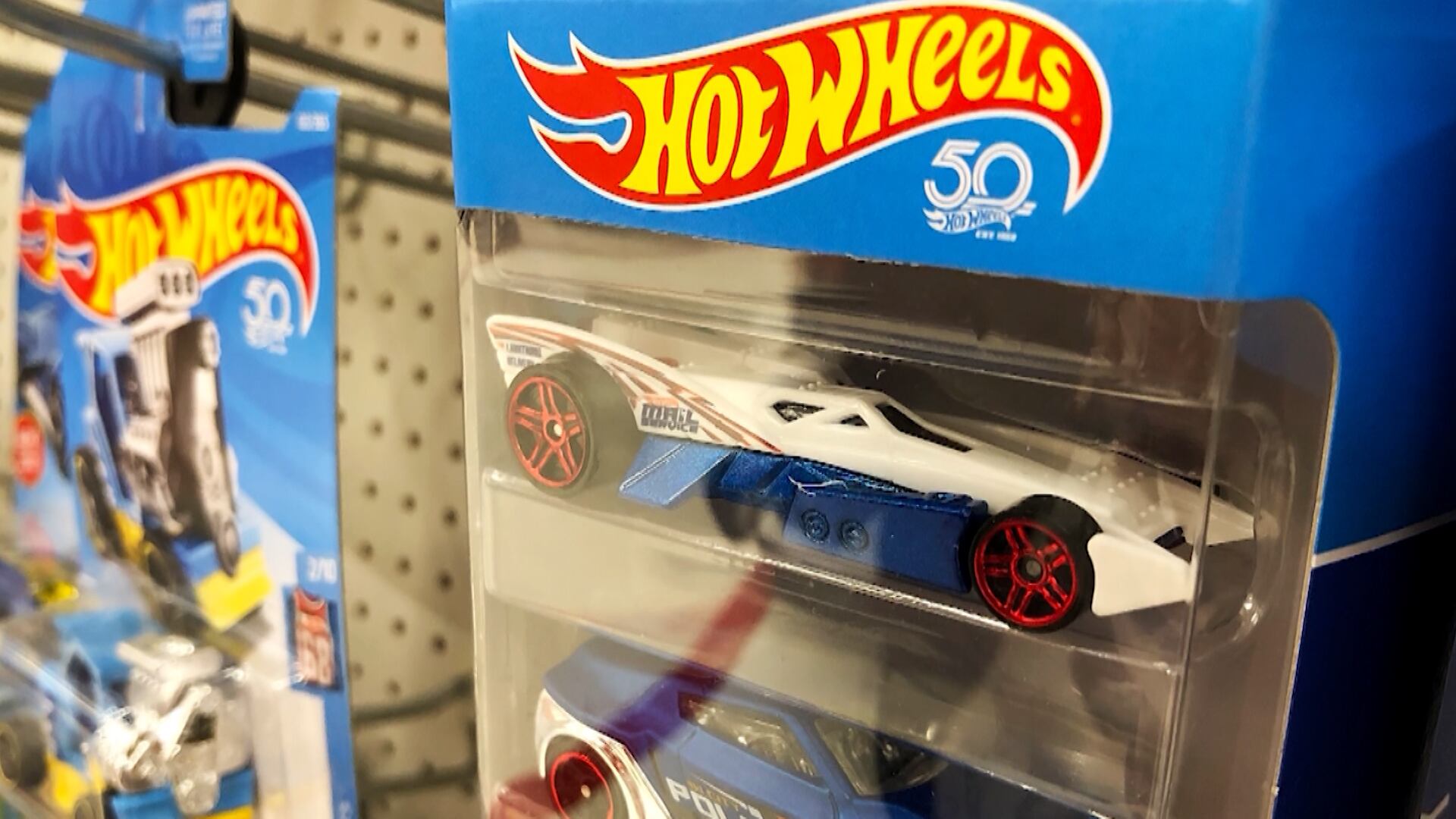
Mattel’s Hot Wheels 2022 Legend Tour will be coming to New York City after a tour of 14 countries and five continents. The company is also launching Hot Wheels into the NFT space with the Hot Wheels Garage allowing users to customize digital cars. Richard Dickson, president and COO of Mattel, joined Cheddar News to talk about the tour and the efforts the iconic brand is taking to stay relevant in the digital age. "I think as you look at what's successful brands and toy brands in particular in this particular chapter are going to be about nostalgic brands that have longevity," he said. "We're generational in the context of our portfolio."
Ghost Financial emerged from stealth to raise $2.5M from investors to provide financial tools to the growing ghost kitchens space. CEO and founder John Meyer joined Cheddar News to discuss the company's future plans as well as potentially getting former Uber CEO Travis Kalanick on board. "The one thing I can say about my time spent with Travis Kalanick is that he definitely believes in the future of Ghost kitchens, given that, he's gone all-in on Cloud Kitchens as a company," Meyer said. "So he's not an investor in us yet. We welcome it, and I'll probably reach out to him today and ask."
The pandemic has seen a historic shift in brand loyalty.
Since the beginning of COVID-19, more than 75% of shoppers have changed their buying habits, and 39% have switched brands or retailers entirely, as inflation and supply shortages have forced them to rethink their purchases, according to McKinsey. Barbara Connors, VP of Commercial Insights at 84.51°, breaks down this shift in brand loyalty and how brands are adapting to it.