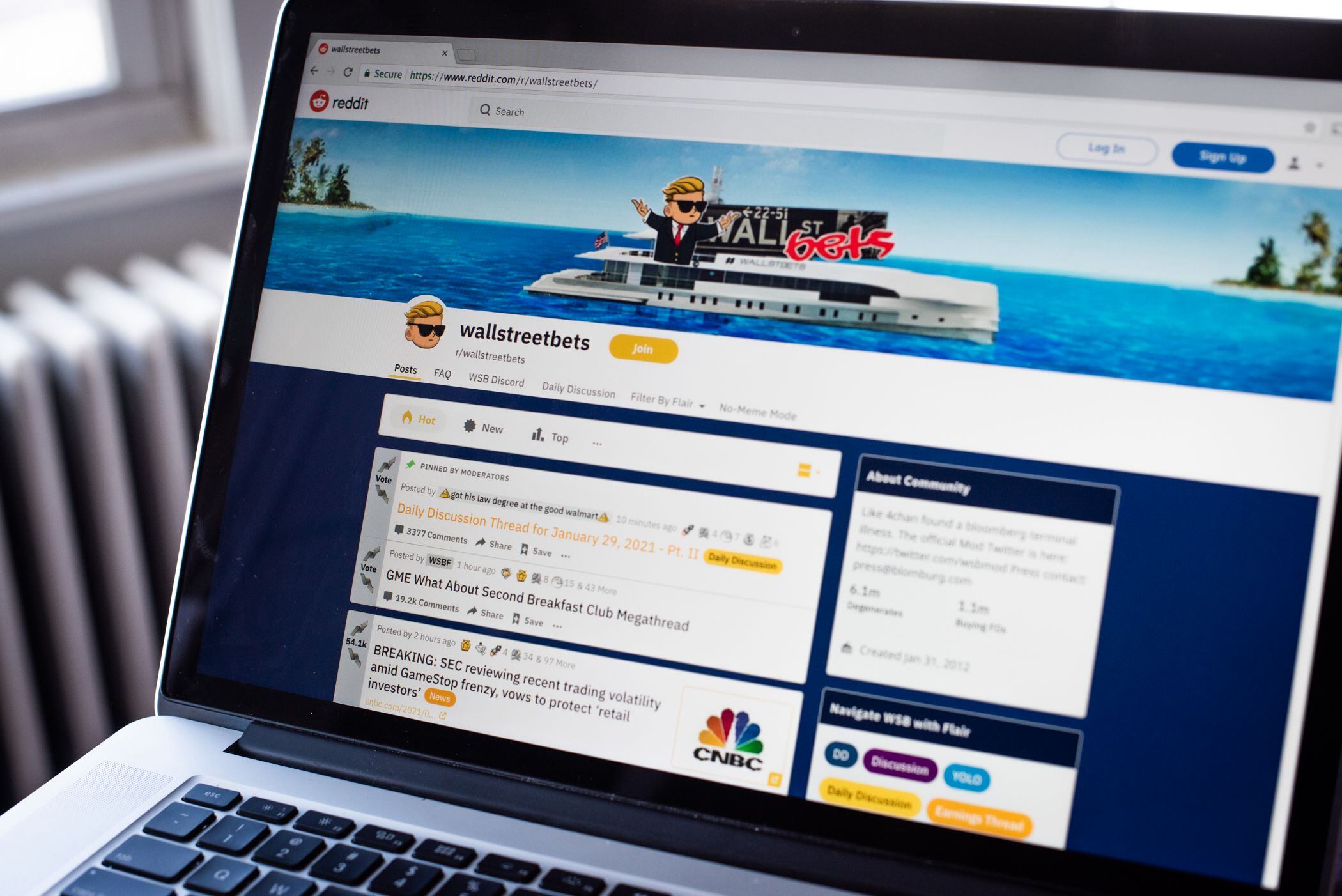
The WallStreetBets forum on the Reddit Inc. website on a laptop computer arranged in Hastings-On-Hudson, New York, U.S., on Friday, Jan. 29, 2021. Photographer: Tiffany Hagler-Geard/Bloomberg via Getty Images
The race is on for hedge funds to better understand how social media is moving markets or risk the same fate as the short-sellers who were clobbered by the rally in GameStop shares.
One way to get ahead of these trends is to more closely track subreddits such as /WallStreetBets, which sparked off the recent buying frenzy and is keeping it rolling with a steady stream of messages telling members to "hold the line" on their investment.
But reading every Reddit post is a tough sell for a hedge fund or institutional investor engaged in high-speed, high-volume trading. That's why brothers Christopher and James Kardatzke, founders of Quiver Quantitative, are suddenly getting a lot of interest from Wall Street.
Over the past few days, the Wisconsin-based startup has gotten a steady stream of inquiries from hedge funds asking about how their technology can help them track social media.
"We've been getting a lot of emails from different hedge funds interested in using our data API to basically get data from /WallStreetBets," Christopher Kardatzke, the chief technology officer for Quiver Quantitative, told cheddar. "They want to make sure there isn't this retail investor interest in what they're taking short positions in."
The company, which provides both free and custom application programming interfaces (API), tracks or "scrapes" alternative data sources such as subreddits, Twitter, and Facebook channels — basically any non-financial source that could be relevant to markets.
Fortunately for the startup, it had been scraping the popular subreddit since early 2020.
Technically, that means it was tracking the number of times certain stocks or ticker symbols were mentioned and whether there was a positive or negative sentiment around those stocks.
Looking at the whole year, Quiver found that the "WallStreetBets Portfolio," a breakdown of the top stocks mentioned positively on the subreddit, was up more than 61 percent, was more volatile than the S&P 500, but outperformed it even through the downturn at the start of the year.
Right now, this data is aggregated on a daily basis, but the startup is working on rolling out a real-time feed within the next few weeks.
"It's pretty basic stuff, but we're in the process right now of expanding that into a live feed to get the most recent comments within seconds," the CTO said.
Kardatzke noted that this will be particularly useful to hedge funds, and will fit well with /WallStreetBets, which features daily posts outlining where members plan to invest the following day.
Soon, he added, Quiver will start looking at language more specific to the subreddit, including option trading terms such as puts and calls.
And while Quiver will likely develop some of these inquiries from hedge funds into client relationships, the company plans to maintain its free platform, which Kardatzke said was originally built to help retail rather than institutional investors.
"It's so relevant to retail investors," he said. "It's data you see in your everyday life. You don't need a finance degree to be able to analyze it or get insights from it."
Kardatzke said that he's conscious that the company could soon be straddling both sides of what appears to be a growing rift in the financial world. The way to remedy that is by making sure both sides are catered to. Retail investors, for instance, want more visualizations and analysis, while institutions want APIs to use for their own analysis, he said.
He said that typically data providers only offer the latter, "but we’d like to do everything we can to make insights from our data available to the public, while keeping afloat."
'Unicorn Hunters' gives business owners the potential of reaching a billion-dollar valuation, but before they can get the capital they have to impress the 'Circle of Money.' Rosie Rios, former U.S. Treasurer and co-host of 'Unicorn Hunters,' joins Cheddar News to talk more about the show.
Stocks closed lower Thursday, with the Nasdaq falling close to 2.5% for its worst day since September. Tech stocks dragged on the index, which is down nearly 3% for the week. Investors are continuing to respond to the Federal Reserve's taper timeline and interest rate announcement, as well as keeping an eye on the COVID-19 omicron variant as cases spike in major metropolitan areas like New York. David Sadkin, president and partner at Bel Air Investment Advisors, joins Cheddar News' Closing Bell to discuss.
There's a new ETF designed to offer investors exposure to 'meme stocks.' Roundhill Investments launched it earlier this month and says the ETF is the first that is explicitly designed to track the performance of meme stocks. Roundhill Investments Vice President of Research Mario Stefanidis joins Cheddar News' Closing Bell to discuss.
Jared Madfes, Partner at Tribe Capital, joins Cheddar's Closing Bell, where he says crypto investors should continue to focus on the long-term despite the recent price boost in the hours following Wednesday's Fed decision.
Mobile bill payment application Papaya recently raised $50 million in a series B round led by Bessemer Venture Partners.
Papaya lets users take a photo of any bill, and the app's AI-powered 'bill understanding technology' pays the bill in seconds. The company says its goal is to help people spend more time on things that matter, by making bill-paying as painless and quick as possible. Papaya CEO and co-founder Patrick Kann joined Cheddar News' Closing Bell to discuss.
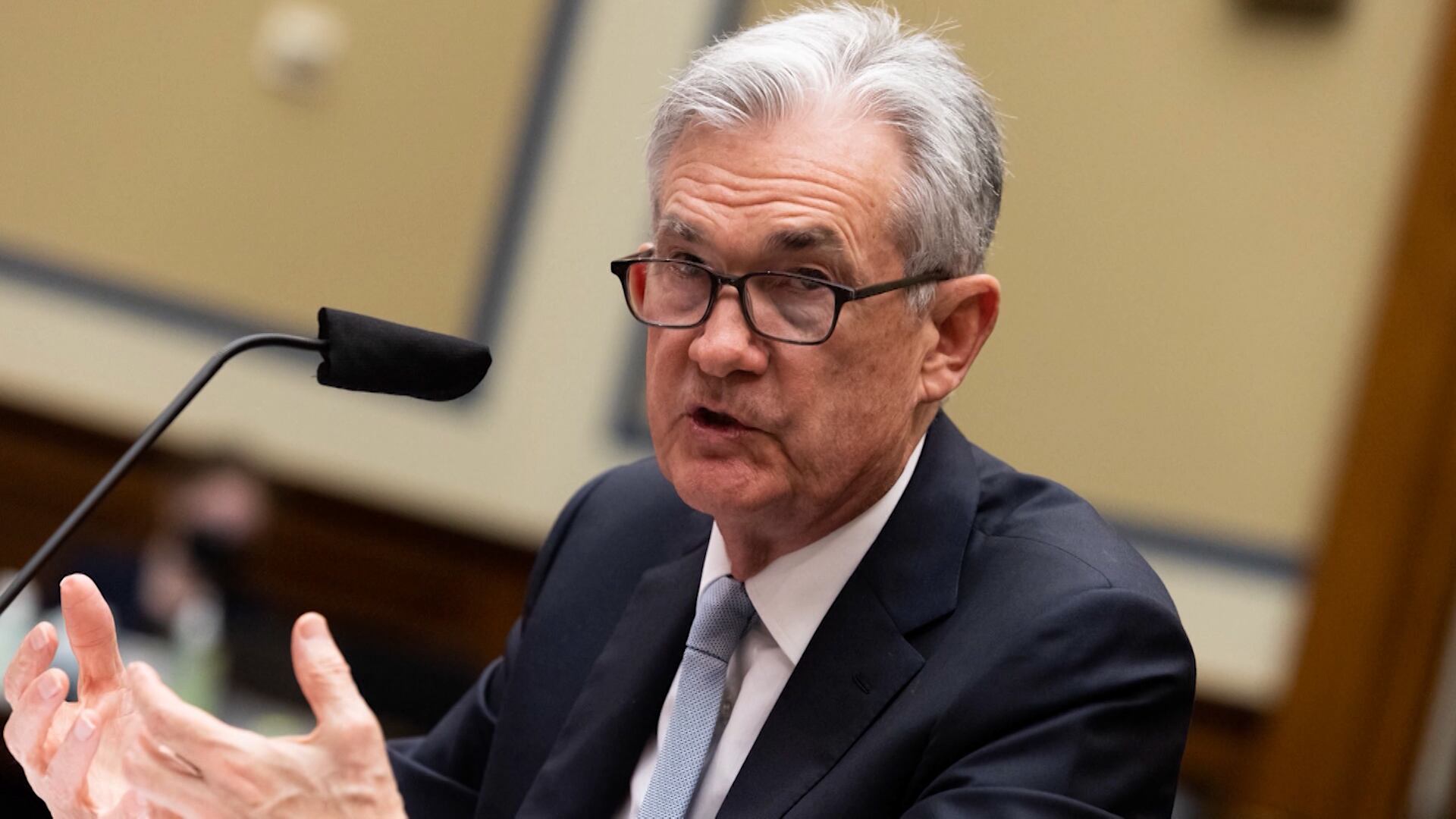
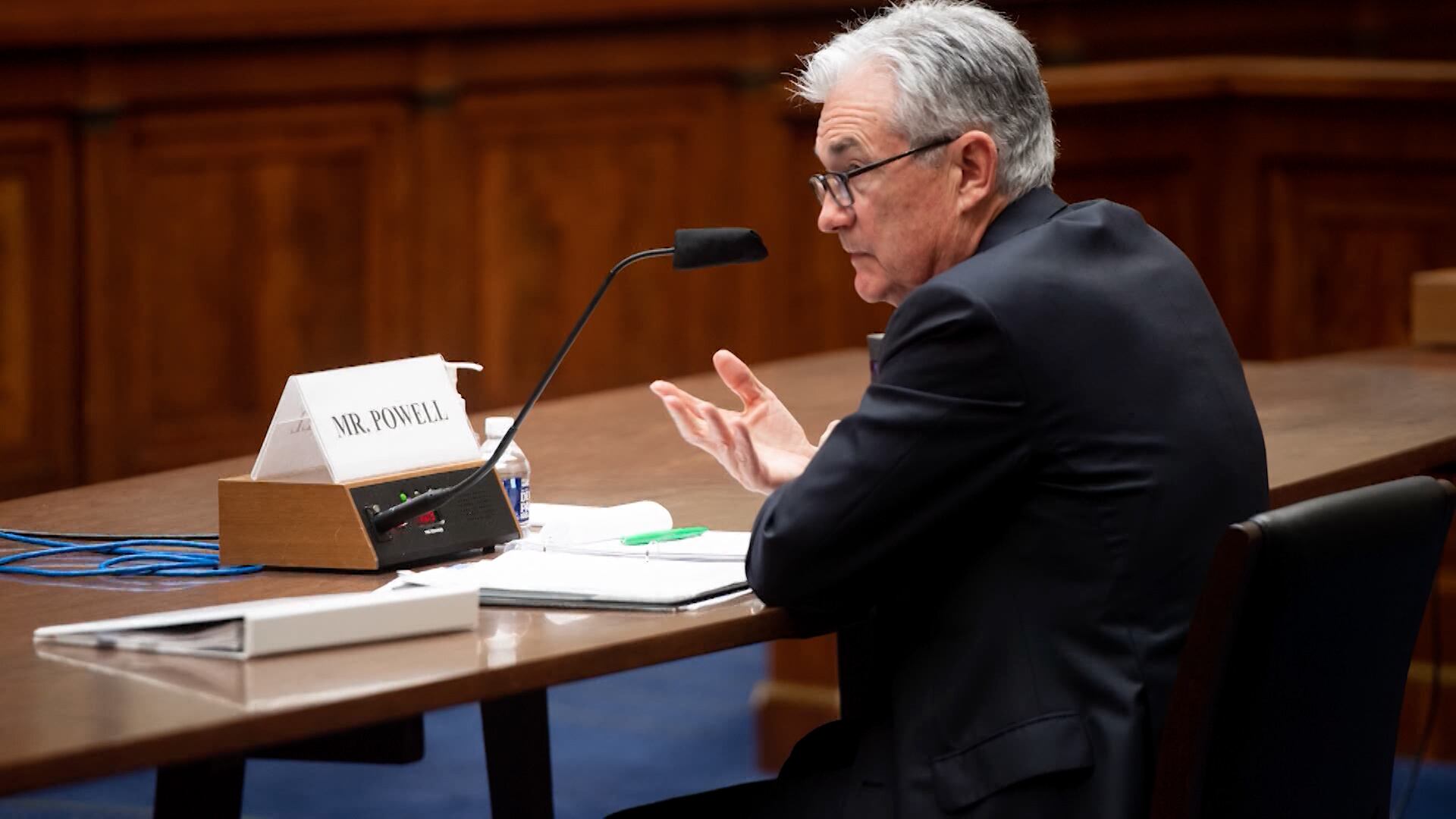
Markets jumped on the Federal Reserve's announcement it would speed up its tapering timeline and institute three rate hikes in 2022 — but that was before the COVID-19 omicron variant seemed to be a threat. This announcement also comes as it took the central bank a number of weeks to recognize that inflation does not seem to be transitory as consumers feel price pressure across the board. Bill Adams, senior economist at PNC, joins Cheddar News' Closing Bell to discuss the Fed's moves, how the ongoing pandemic could continue to impact the economy, the Fed's dual mandate, and more.
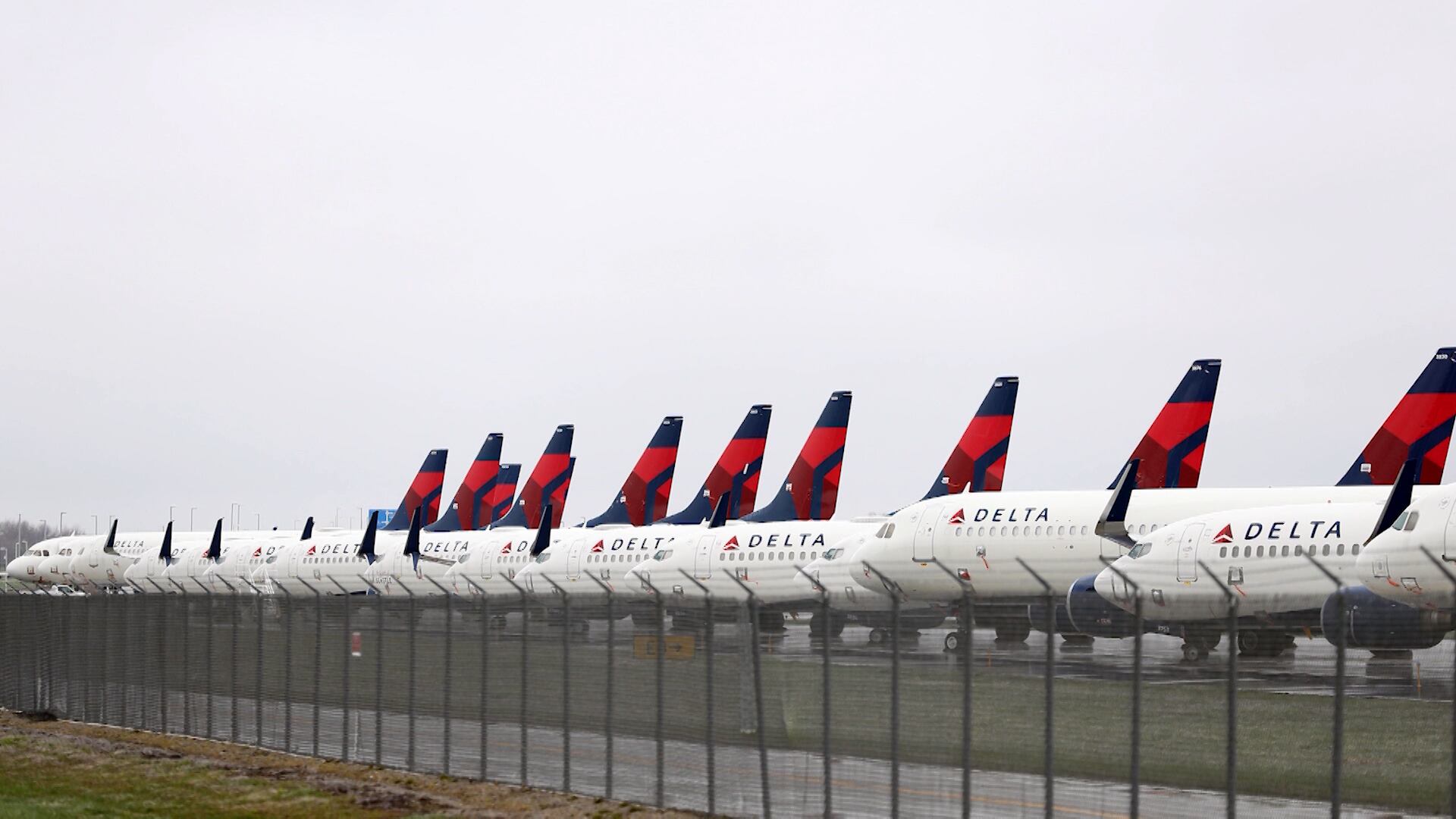
Delta Air Lines CFO Dan Janki joined Cheddar's Kristen Scholer to talk about the airline's 2022 outlook on its Capital Markets Day as the travel industry recovers from pandemic disruptions. The airline projects a return to profitability next year despite the emergence of the omicron variant during the peak holiday season. Janki said that there had been no impact on domestic travel as of yet, but the company is remaining vigilant for any change. He did note that there had been some international fallout as countries implemented travel restrictions.
Tom Shannon, Bowlero CEO, joined Cheddar to discuss the decision to bring the company to the New York Stock Exchange via a SPAC merger with Isos Acquisition Corporation. Shannon said one of the goals of the public offering is to expand operations internationally, noting that Bowlero has the potential to reach worldwide markets due to the sport's popularity. "Bowling is a global market, and I'll give you an example. In South Korea, there are three million league bowlers and 1,200 bowling centers in South Korea alone," he said.
If you're looking for a date, 2022 might be your year. Online dating platform Bumble is buzzing with dating predictions from its latest survey. Shan Boodram, sex and relationships expert at Bumble, joined Cheddar to discuss some of the findings and what people can expect from the future dating landscape. Some of the results showed that public displays of affection are back on the rise as more people get vaccinated and that more users are opting for alcohol-free first dates. She also explained the trend of "explori-dating," a way that users are attempting to get out of their comfort zone. "People are willing to date outside of their city to get to that," she said.