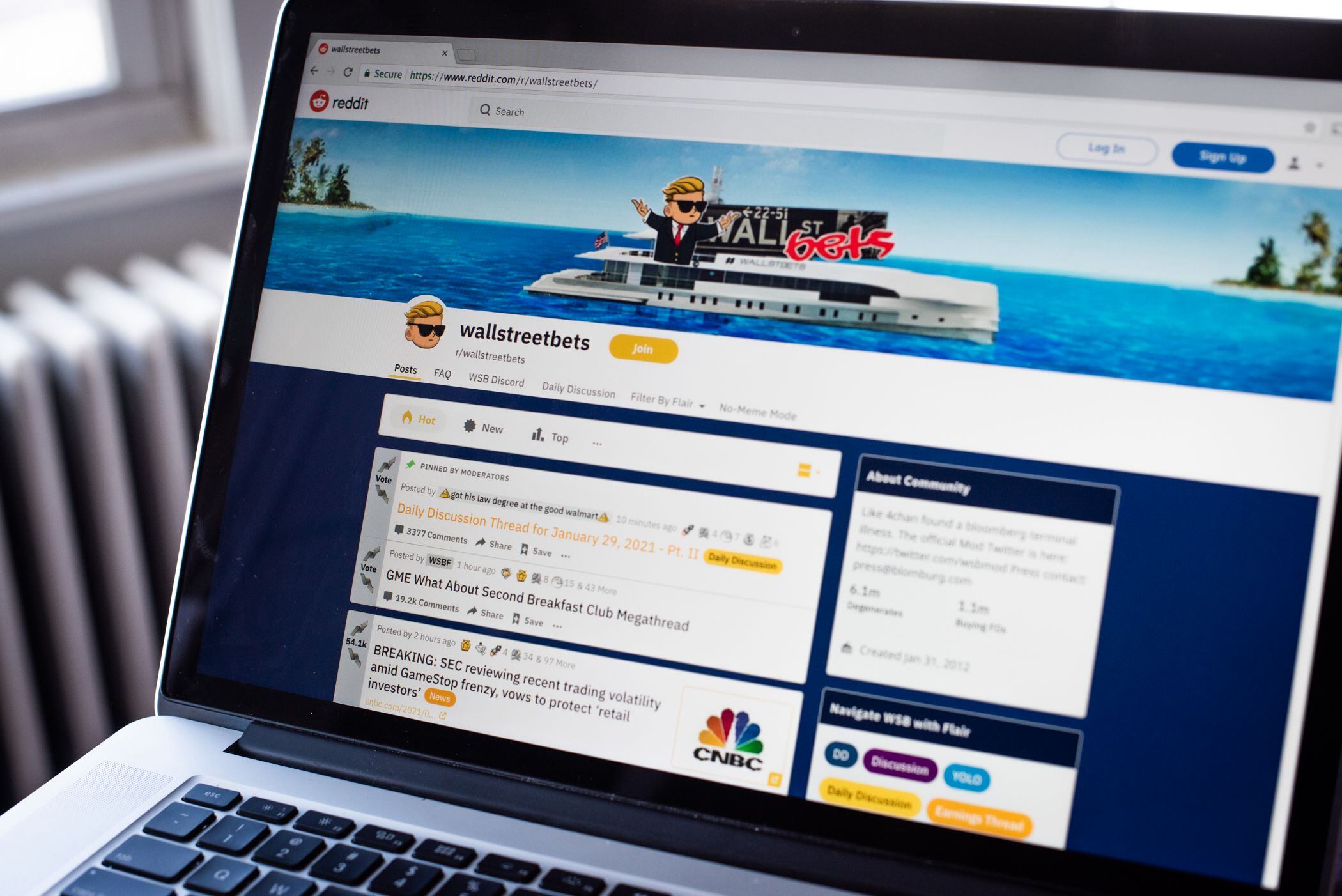
The WallStreetBets forum on the Reddit Inc. website on a laptop computer arranged in Hastings-On-Hudson, New York, U.S., on Friday, Jan. 29, 2021. Photographer: Tiffany Hagler-Geard/Bloomberg via Getty Images
The race is on for hedge funds to better understand how social media is moving markets or risk the same fate as the short-sellers who were clobbered by the rally in GameStop shares.
One way to get ahead of these trends is to more closely track subreddits such as /WallStreetBets, which sparked off the recent buying frenzy and is keeping it rolling with a steady stream of messages telling members to "hold the line" on their investment.
But reading every Reddit post is a tough sell for a hedge fund or institutional investor engaged in high-speed, high-volume trading. That's why brothers Christopher and James Kardatzke, founders of Quiver Quantitative, are suddenly getting a lot of interest from Wall Street.
Over the past few days, the Wisconsin-based startup has gotten a steady stream of inquiries from hedge funds asking about how their technology can help them track social media.
"We've been getting a lot of emails from different hedge funds interested in using our data API to basically get data from /WallStreetBets," Christopher Kardatzke, the chief technology officer for Quiver Quantitative, told cheddar. "They want to make sure there isn't this retail investor interest in what they're taking short positions in."
The company, which provides both free and custom application programming interfaces (API), tracks or "scrapes" alternative data sources such as subreddits, Twitter, and Facebook channels — basically any non-financial source that could be relevant to markets.
Fortunately for the startup, it had been scraping the popular subreddit since early 2020.
Technically, that means it was tracking the number of times certain stocks or ticker symbols were mentioned and whether there was a positive or negative sentiment around those stocks.
Looking at the whole year, Quiver found that the "WallStreetBets Portfolio," a breakdown of the top stocks mentioned positively on the subreddit, was up more than 61 percent, was more volatile than the S&P 500, but outperformed it even through the downturn at the start of the year.
Right now, this data is aggregated on a daily basis, but the startup is working on rolling out a real-time feed within the next few weeks.
"It's pretty basic stuff, but we're in the process right now of expanding that into a live feed to get the most recent comments within seconds," the CTO said.
Kardatzke noted that this will be particularly useful to hedge funds, and will fit well with /WallStreetBets, which features daily posts outlining where members plan to invest the following day.
Soon, he added, Quiver will start looking at language more specific to the subreddit, including option trading terms such as puts and calls.
And while Quiver will likely develop some of these inquiries from hedge funds into client relationships, the company plans to maintain its free platform, which Kardatzke said was originally built to help retail rather than institutional investors.
"It's so relevant to retail investors," he said. "It's data you see in your everyday life. You don't need a finance degree to be able to analyze it or get insights from it."
Kardatzke said that he's conscious that the company could soon be straddling both sides of what appears to be a growing rift in the financial world. The way to remedy that is by making sure both sides are catered to. Retail investors, for instance, want more visualizations and analysis, while institutions want APIs to use for their own analysis, he said.
He said that typically data providers only offer the latter, "but we’d like to do everything we can to make insights from our data available to the public, while keeping afloat."
At-home medical labs company Getlabs raised $20 million in a Series A round, led by Emerson Collective and the Minderoo Foundation. Getlabs aims to be the boots-on-the-ground partner to telehealth. The company says more than 70% of medical decisions still require collecting diagnostic tests in person, and that it fills that void by delivering health care directly to their patients' homes. Founder & CEO of Getlabs Kyle Michelson joined Cheddar News' Closing Bell to discuss.
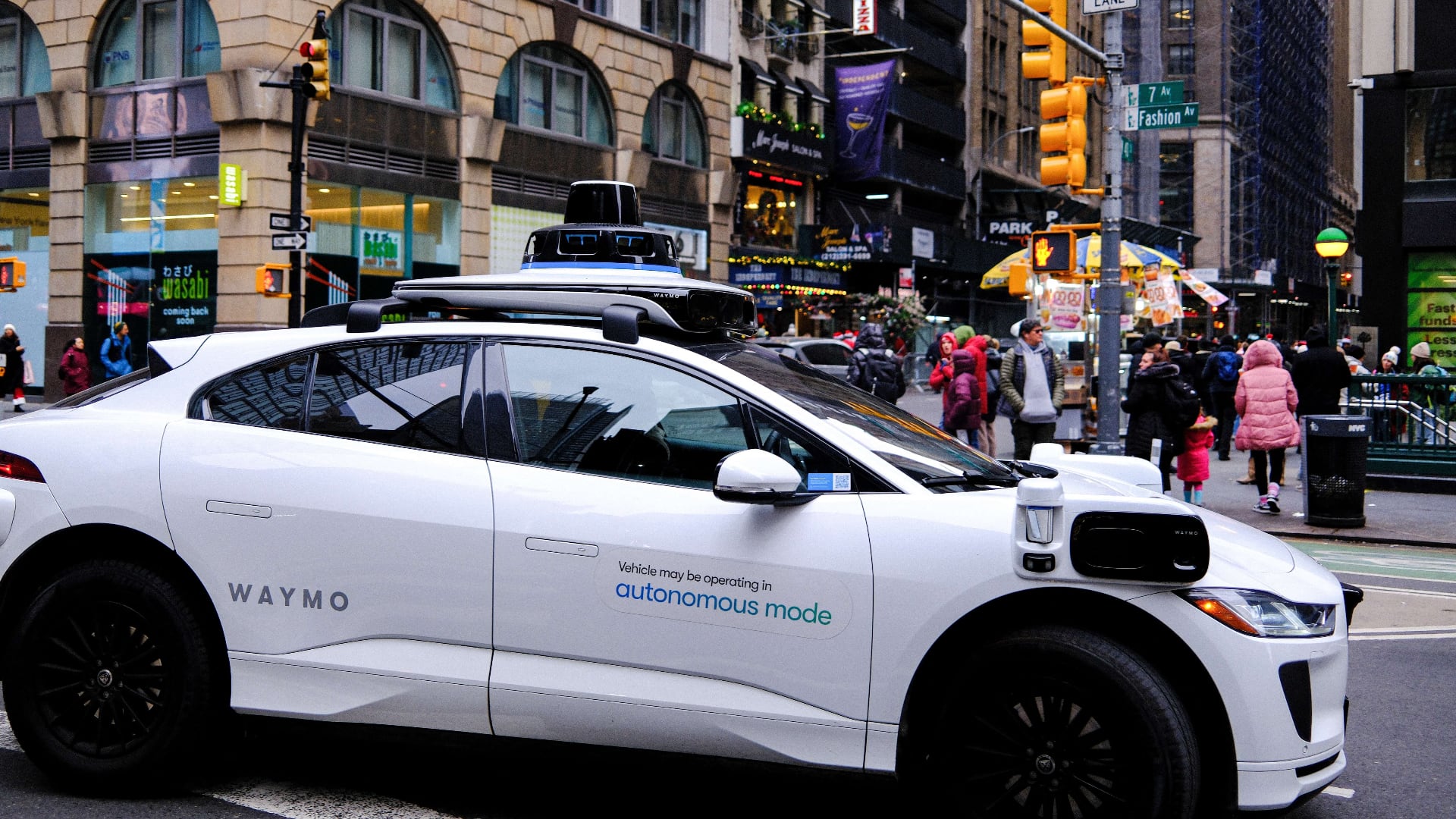
The White House laid out plans for a $5 billion investment into a national network of charging stations to ease EV driving anxiety. Bruce Brimacombe, CEO of EV infrastructure GOe3 joined Cheddar News to discuss how much needs to be done for drivers to get over the fear of running out of energy. "People need to be able to do what they're doing now," he said. "But that is the way that if you're going to buy an electric car, you got to feel like you're not changing your world." Brimacombe noted that building out the infrastructure between cities was GOe3's own focus.
U.S. automakers are saying that the blockade of the Ambassador Bridge, a crucial border crossing between the U.S. and Canada, is affecting their production lines. Michelle Krebs of Cox Automotive warns that the disruption "couldn't come at a worst time," amid chip and labor shortages in Detroit.
AND DETROIT-BASED AUTO MAKERS SAY THEY ARE SHUTTING DOWN PLANTS OR SCALING BACK PRODUCTION BECAUSE OF PARTS SHORTAGES.
Sonos reported better than expected Q1 earnings amid chip shortage with the release of its Roam product. CFO Brittany Bagley joined Cheddar News to discuss the smart speaker maker's successful report and its plans to hit its 2024 targets as people leave their homes as pandemic restrictions ease. "Even as people head out in the world, it doesn't mean they don't like to listen to music at home or watch a streaming movie at home," she said. "So there's still a real role for us and our products in peoples lives, sort of, no matter what else they're doing."
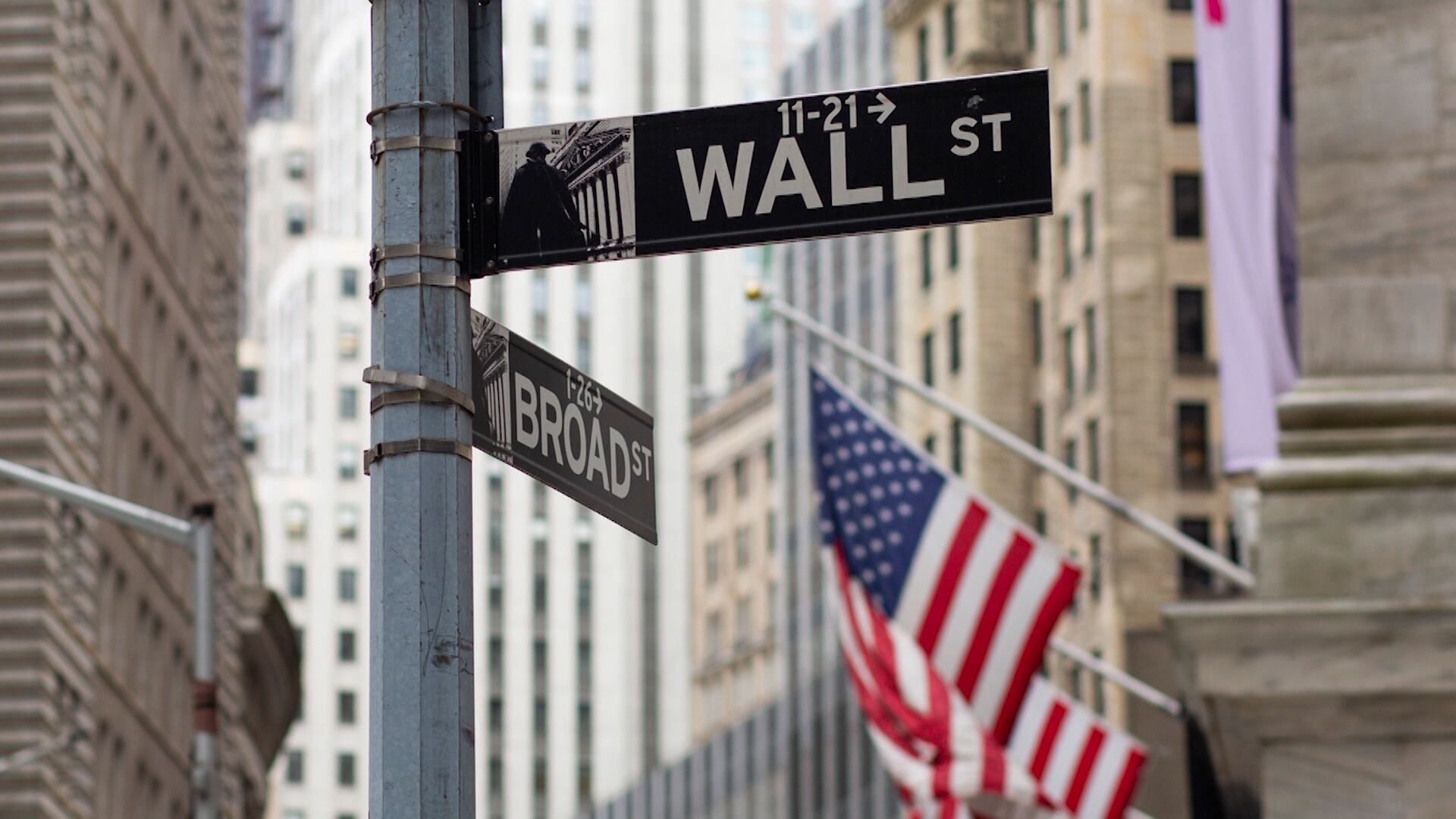
Lynn Martin, president of the NYSE Group, explains why investors at the New York Stock Exchange should still feel confident despite the recent Wall Street volatility and discusses the landscape for 2022 when it comes to IPOs and retail investors.
The merger of WarnerMedia and Discovery received Justice Department approval on Wednesday, and Patty Hirsch, EVP of consumer and digital platforms at WarnerMedia, joined Cheddar News to discuss current and future offerings from the media conglomerate that will control both HBO Max and Discovery+. "Content really drives so much, and CNN has always had a very long history of creating an incredible documentaries, incredible content … and this service I think is going to ultimately provide the kind of content consumers want and the kind of content that consumers are going are going to pay for," she said. Hirsch also discussed NFTs in use through its Turner Sports and DC brands.
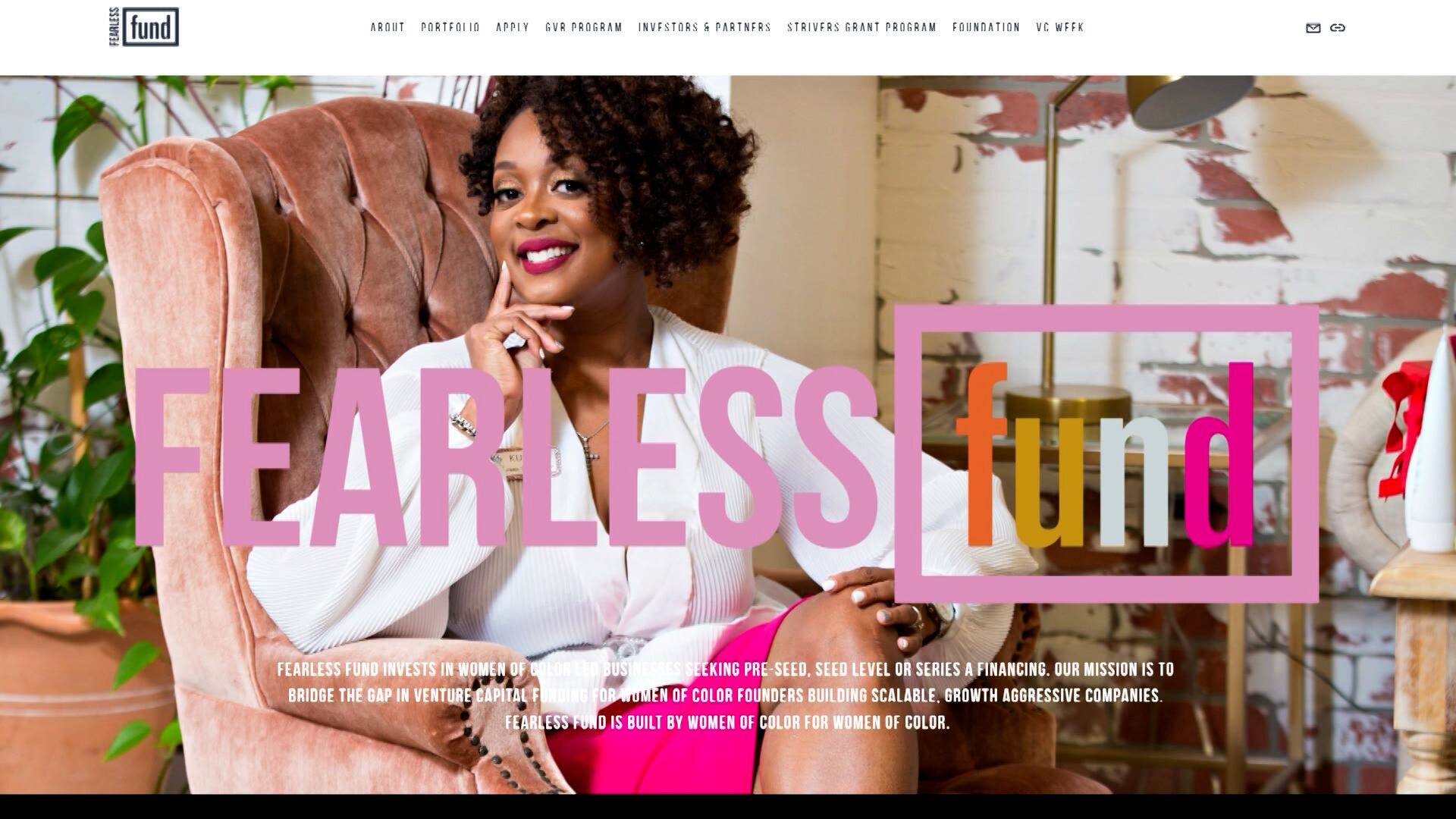
Black entrepreneurs lead the way in the creation of new businesses, but they often cannot get the necessary funding to get their business off the ground. The Fearless Fund is on a mission to change that, and help Black business owners get venture capital. The fund also offers a unique grant program meant to help entrepreneurs with growth, peer coaching, and more, including grants between $10,000 and $20,000. Arian Simone, Co-Founder and General Partner of Fearless Fund, joins Closing Bell to discuss the Fund's mission, how it helps Black entrepreneurs, and more.
Multinational food company Kellogg’s reported an earnings beat amid supply chain issues and an extended labor strike. Kellogg’s Chairman and CEO c joined Cheddar News to discuss overcoming the obstacles and what's to come for the company. "The first half of the year is really going to be one about rebuilding inventory, and into the second quarter, starting to reestablish promotional activity for our customers and our consumers," Cahillane said. "And then the back half of the year, obviously, we're really much more back in business, and we expect to exit the year with our business in cereal being just as strong as it's ever been."
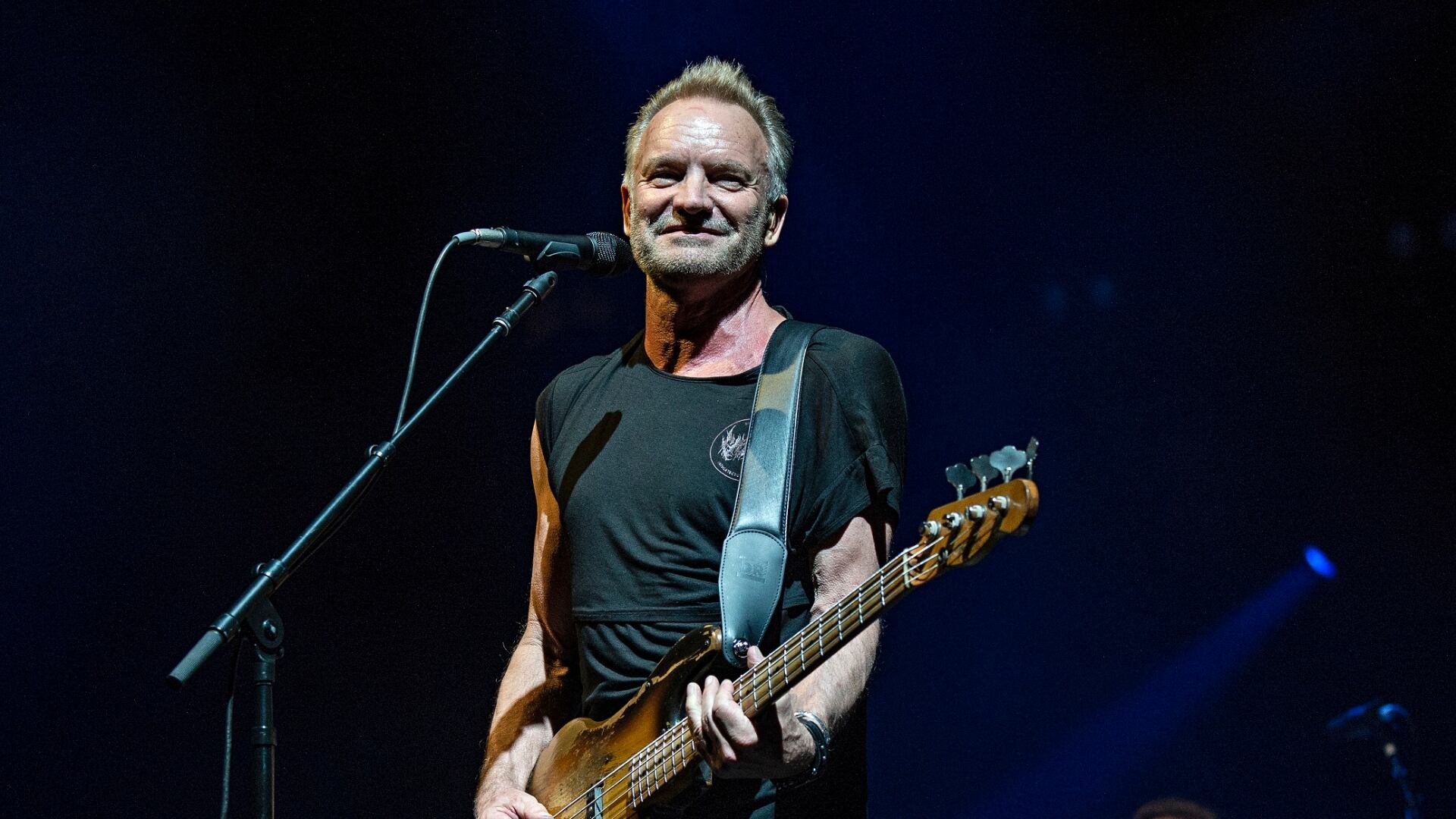
Sting has sold his catalog of more than 600 songs for $300 million to Universal Music. The deal gives the label the rights to all of his work, including “Every Breath You Take," as well as all future royalties.
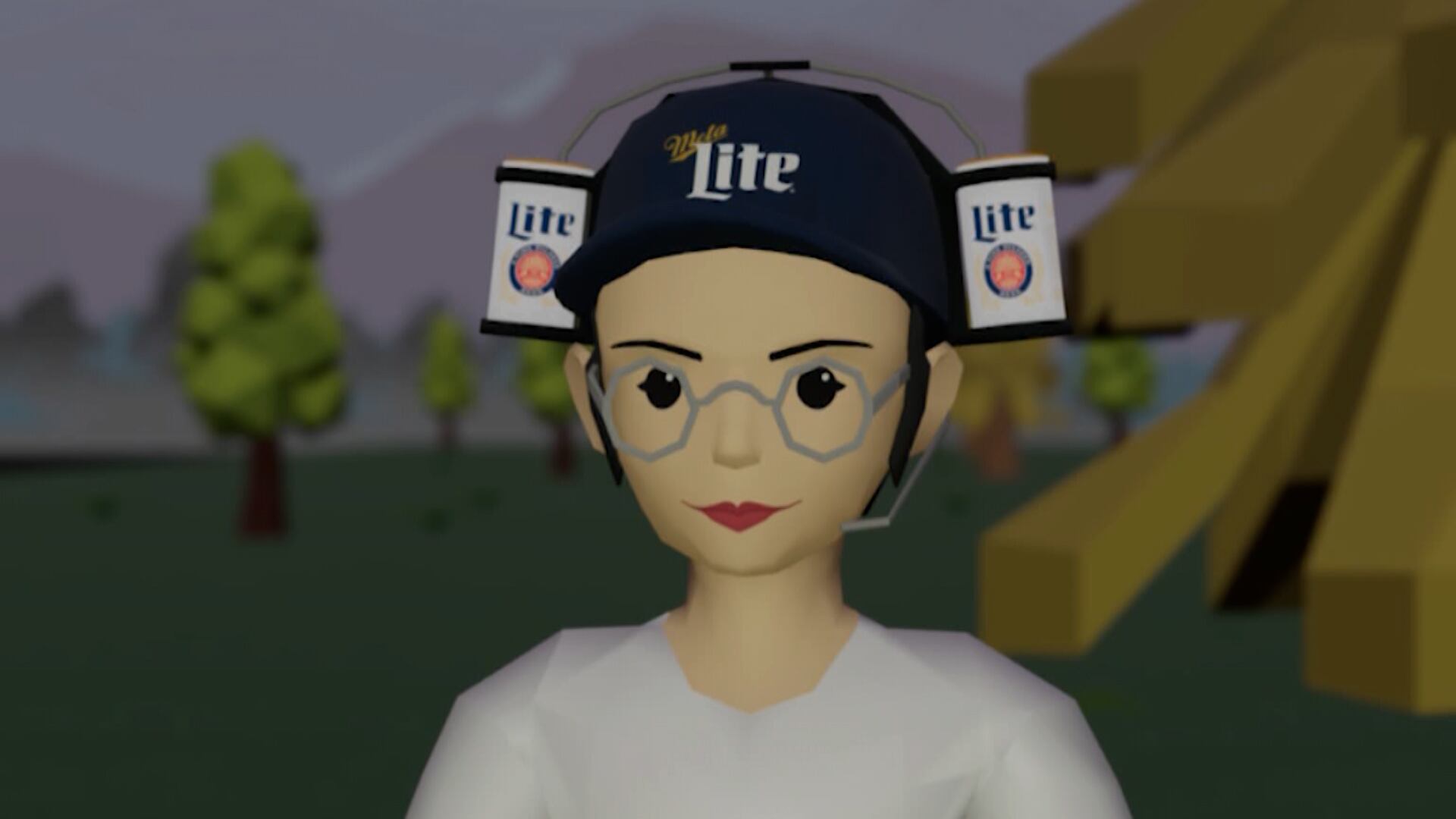
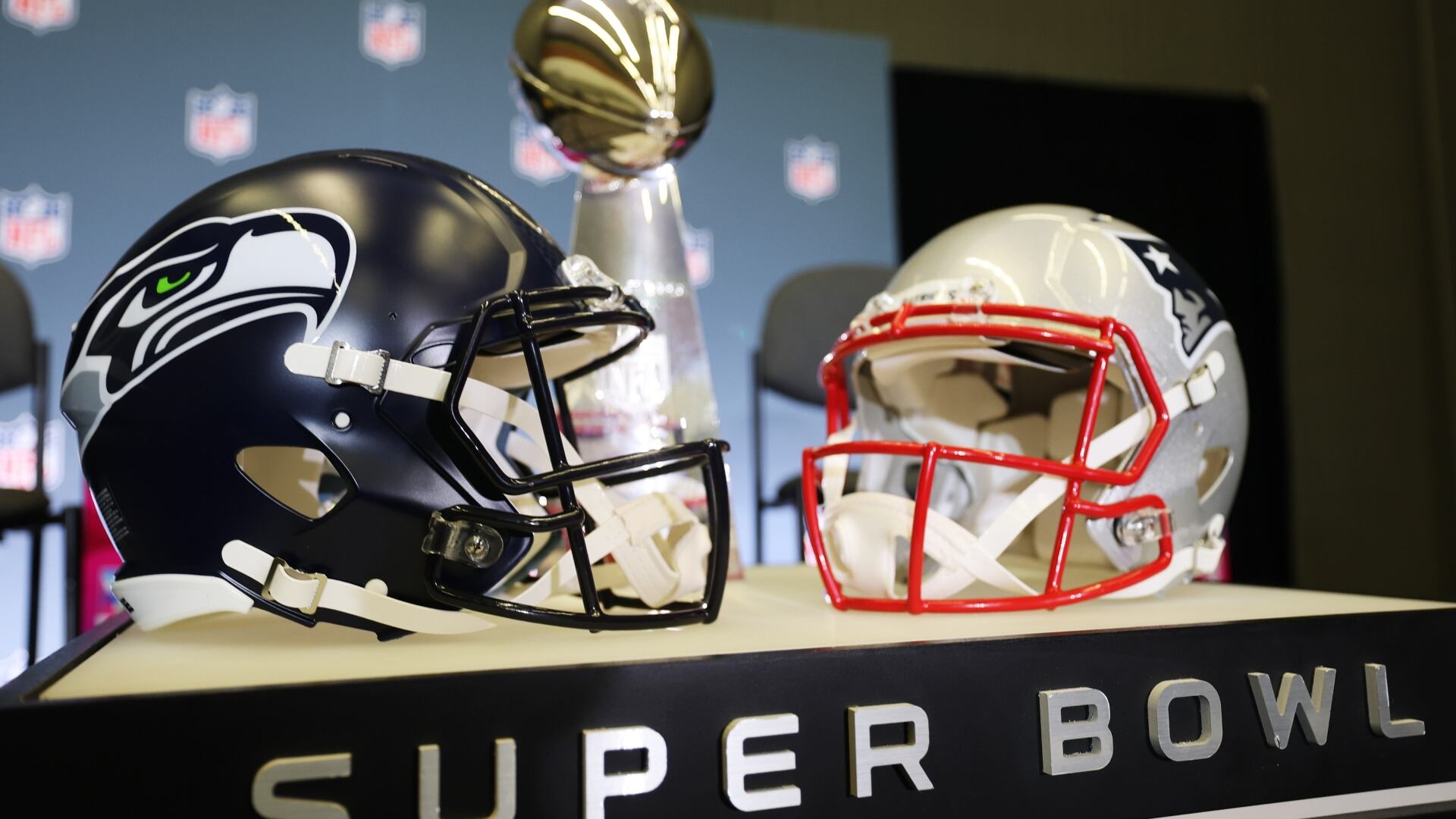
Miller Lite is opening the first branded bar in the metaverse, by way of Decentraland, as a way to advertise during the Super Bowl this year without buying an expensive TV commercial slot. Sofia Colucci, global vice president of Miller Family of Brands, joined Cheddar to talk about the new marketing concept. "We have a lot of great partnerships with NFL teams throughout the year but were shut out of advertising during the Super Bowl game, so this pushes us to think creatively and also think of what feels really relevant right now," Colucci said. "There's no question that there's a lot of excitement with the metaverse, and we wanted to participate but in a way that felt right for Miller Lite."