Gun Buyers Shouldn't be Required to Share Social Media with Police, ACLU Says
*By Amanda Weston*
A new bill in Illinois would require potential gun buyers to reveal their public social media accounts to state police. The ACLU is now speaking out against the idea, citing privacy and bias concerns.
"The things that social media would show are one's political views, perhaps one's religion, and even in some instances someone's race," Edwin Yohnka, director of communications and public policy at ACLU of Illinois, told Cheddar.
"And you know, how are those things then going to factor into that decision about whether or not to let someone purchase a firearm? It's just not something that really provides additional information that's useful, and at the same time provides an invasion into someone's personal beliefs that just isn't required for this purpose."
Yohnka said social media typically doesn't reveal more relevant information ー like a potential buyer's arrest record or whether there are restraining orders against that person.
The bill from Illinois State Rep. Daniel Didech comes just before the one-year anniversary of the fatal shooting at Marjory Stoneman Douglas High School in Parkland, Fla. After the attack, [disturbing posts](https://www.cnn.com/2018/02/14/us/nikolas-cruz-florida-shooting-suspect/index.html) on the accused shooter's social media came to light.
“A lot of people who are having mental health issues will often post on their social media pages that they’re about to hurt themselves or others,” the Illinois Democrat told [CBS Chicago](https://chicago.cbslocal.com/2019/02/06/gun-law-bill-social-media-illinois-background-foid/). “We need to give those people the help they need.”
But Yohnka pointed to the state's ["red flag" law](http://www.ilga.gov/legislation/fulltext.asp?DocName=&SessionId=91&GA=100&DocTypeId=HB&DocNum=2354&GAID=14&LegID=102977&SpecSess=&Session=), under which family members, law enforcement, and roommates can petition a judge to allow authorities to temporarily take guns away from those who are found to pose a danger to themselves or others.
"There is a vehicle and a mechanism for protecting the public in that particular case, as opposed to this general sort of sweeping thing of looking through everybody's data," Yohnka said.
For full interview [click here](https://cheddar.com/videos/aclu-concerned-about-illinois-bill-requiring-potential-gun-owners-to-reveal-social-media-to-police).
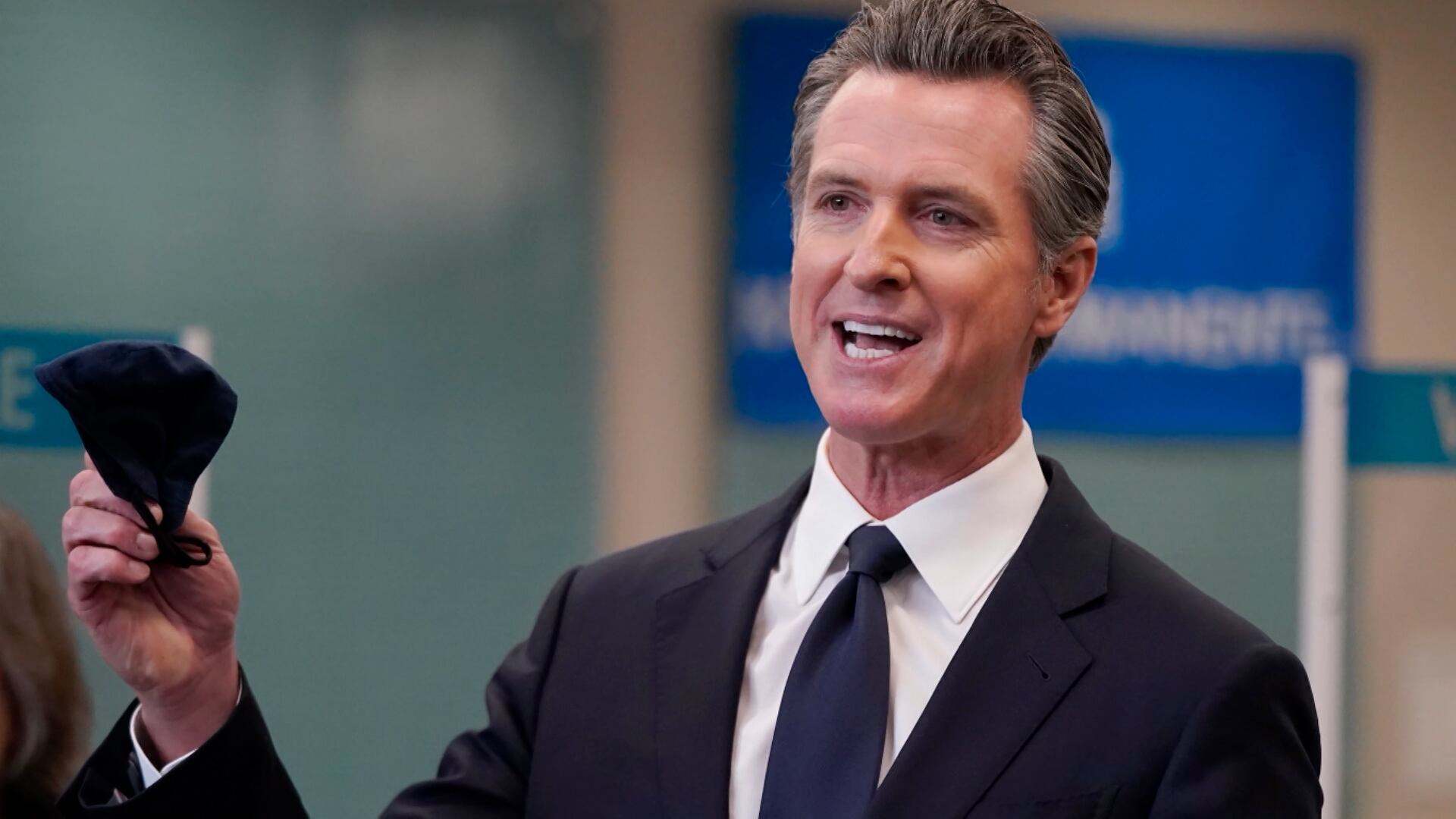
California Governor Gavin Newsom is projected to keep his job. Around two-thirds of the votes have been reported, and roughly 64% of those votes are in favor of keeping Newsom as their governor.
Daniel Strauss, senior political correspondent at The New Republic, joined Cheddar's Opening Bell to discuss more about what Newsom's win means to both political parties moving into Midterm elections season.
The Department of Justice is suing Texas over the state's new abortion law that prohibits abortions after six weeks, well before many women even know they're pregnant. The lawsuit argues the law is unconstitutional under long-standing Supreme Court precedent. It was filed last week in federal court in Texas, but could go all the way to the high court within weeks. Josh Blackman, a constitutional law professor at South Texas College of Law Houston, discusses the DOJ lawsuit and what it could mean for other abortion laws across the country.
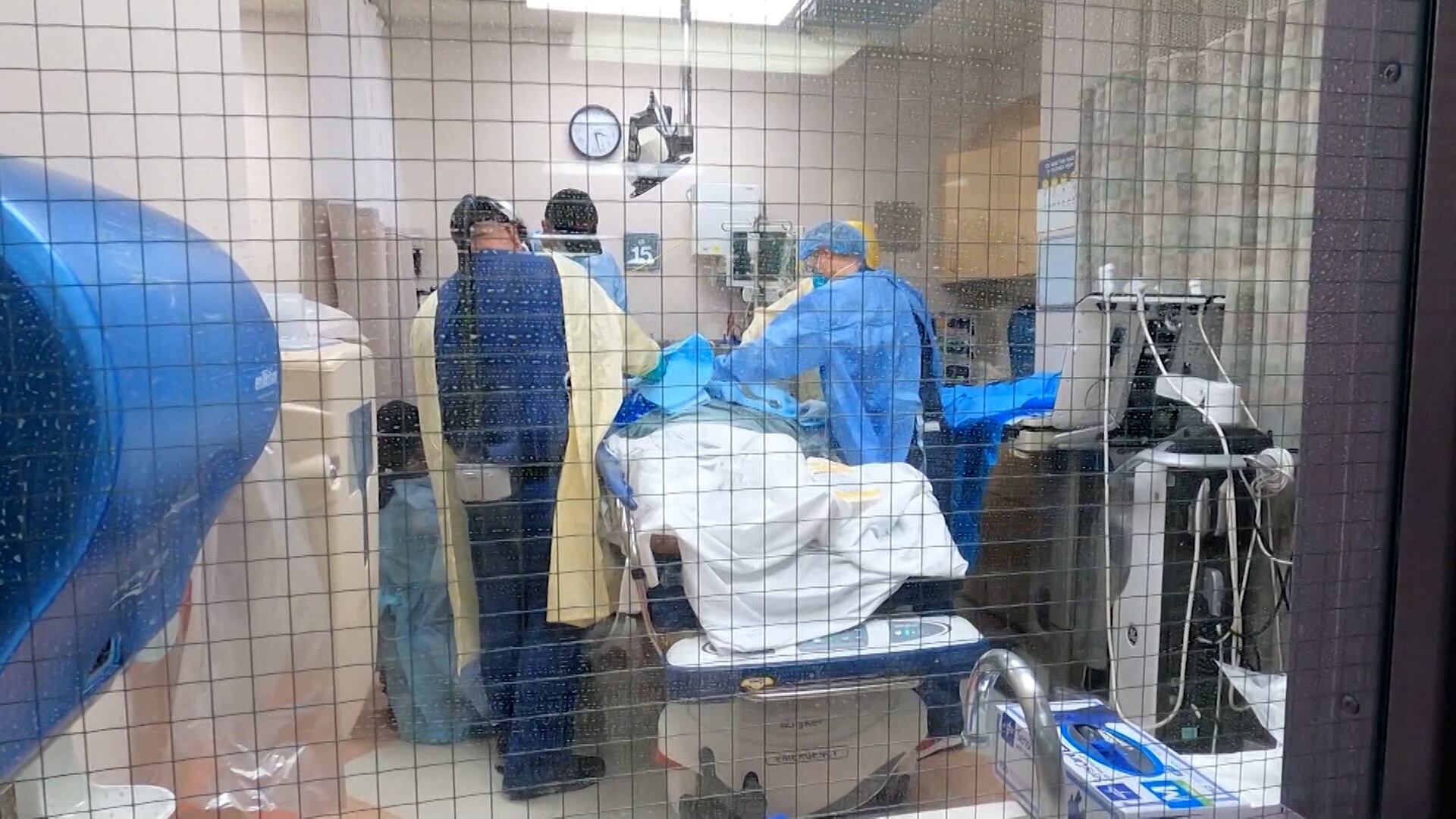
26 states have now fully vaccinated more than half of their population with Vermont, Connecticut, and Massachusetts fully vaccinating at least two-thirds of their residents. These three states are among the ones with the lowest new Covid-19 cases per capita, but in states with low vaccination rates, hospitals are filling up again.
Dr. Rob Davidson, ER doctor and executive director of Committee to Protect Health Care, joined Cheddar's Opening Bell to discuss more.
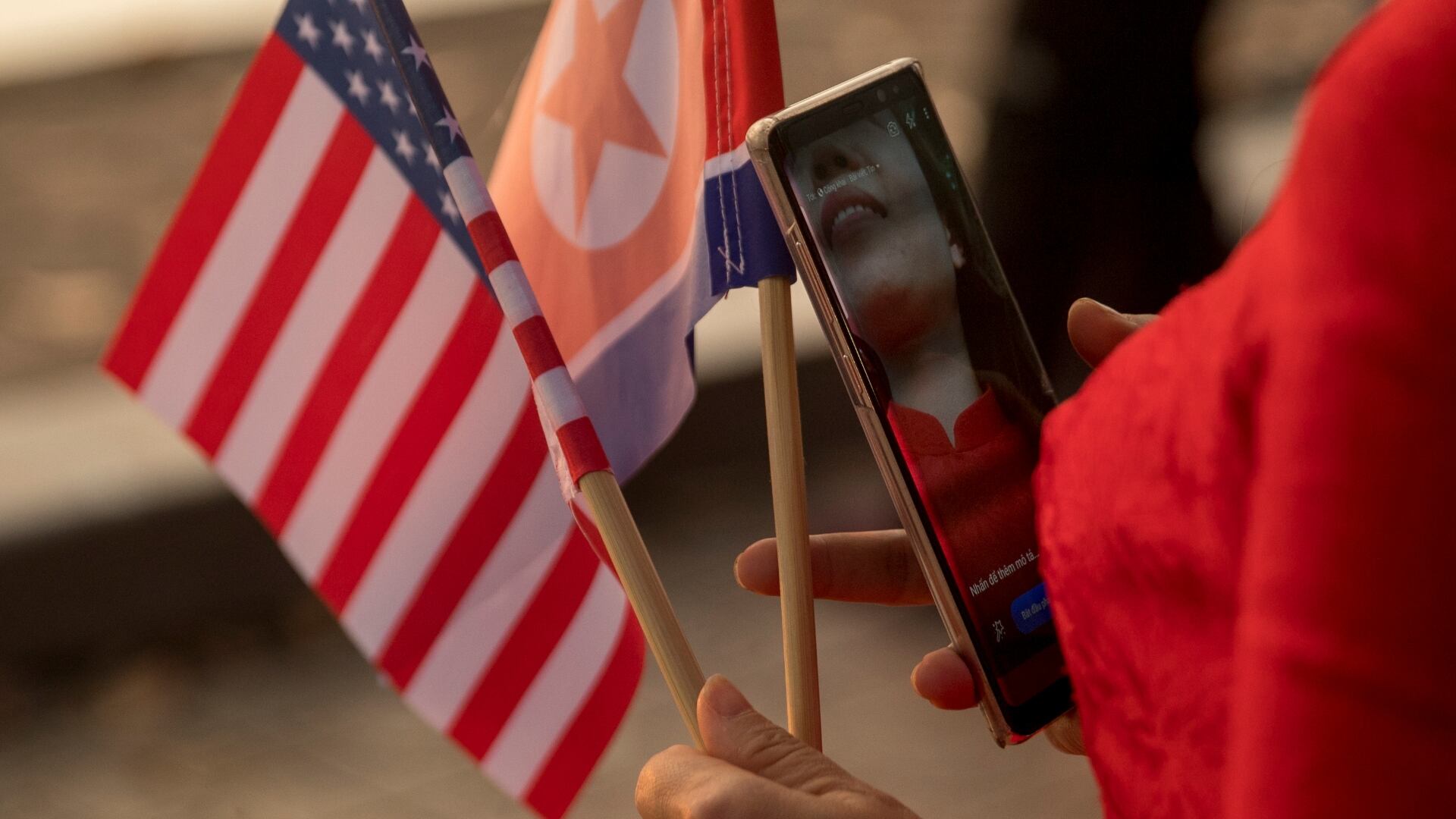
The Biden Administration has officially extended a ban on a Trump-era policy that prohibits traveling with a U.S. passport to North Korea. The extension is expected to last until August 2022. The ban was initially enforced after the death of Otto Warmbier, who entered a vegetative state while in North Korean custody. Advocates against the ban argue that it has caused crippling impacts on Korean Americans who have not been able to reunite with their families back home. Senior Fellow at The Foundation For Defense of Democracies Anthony Ruggiero joined Cheddar's News Wrap to discuss more.