Gun Buyers Shouldn't be Required to Share Social Media with Police, ACLU Says
*By Amanda Weston*
A new bill in Illinois would require potential gun buyers to reveal their public social media accounts to state police. The ACLU is now speaking out against the idea, citing privacy and bias concerns.
"The things that social media would show are one's political views, perhaps one's religion, and even in some instances someone's race," Edwin Yohnka, director of communications and public policy at ACLU of Illinois, told Cheddar.
"And you know, how are those things then going to factor into that decision about whether or not to let someone purchase a firearm? It's just not something that really provides additional information that's useful, and at the same time provides an invasion into someone's personal beliefs that just isn't required for this purpose."
Yohnka said social media typically doesn't reveal more relevant information ー like a potential buyer's arrest record or whether there are restraining orders against that person.
The bill from Illinois State Rep. Daniel Didech comes just before the one-year anniversary of the fatal shooting at Marjory Stoneman Douglas High School in Parkland, Fla. After the attack, [disturbing posts](https://www.cnn.com/2018/02/14/us/nikolas-cruz-florida-shooting-suspect/index.html) on the accused shooter's social media came to light.
“A lot of people who are having mental health issues will often post on their social media pages that they’re about to hurt themselves or others,” the Illinois Democrat told [CBS Chicago](https://chicago.cbslocal.com/2019/02/06/gun-law-bill-social-media-illinois-background-foid/). “We need to give those people the help they need.”
But Yohnka pointed to the state's ["red flag" law](http://www.ilga.gov/legislation/fulltext.asp?DocName=&SessionId=91&GA=100&DocTypeId=HB&DocNum=2354&GAID=14&LegID=102977&SpecSess=&Session=), under which family members, law enforcement, and roommates can petition a judge to allow authorities to temporarily take guns away from those who are found to pose a danger to themselves or others.
"There is a vehicle and a mechanism for protecting the public in that particular case, as opposed to this general sort of sweeping thing of looking through everybody's data," Yohnka said.
For full interview [click here](https://cheddar.com/videos/aclu-concerned-about-illinois-bill-requiring-potential-gun-owners-to-reveal-social-media-to-police).
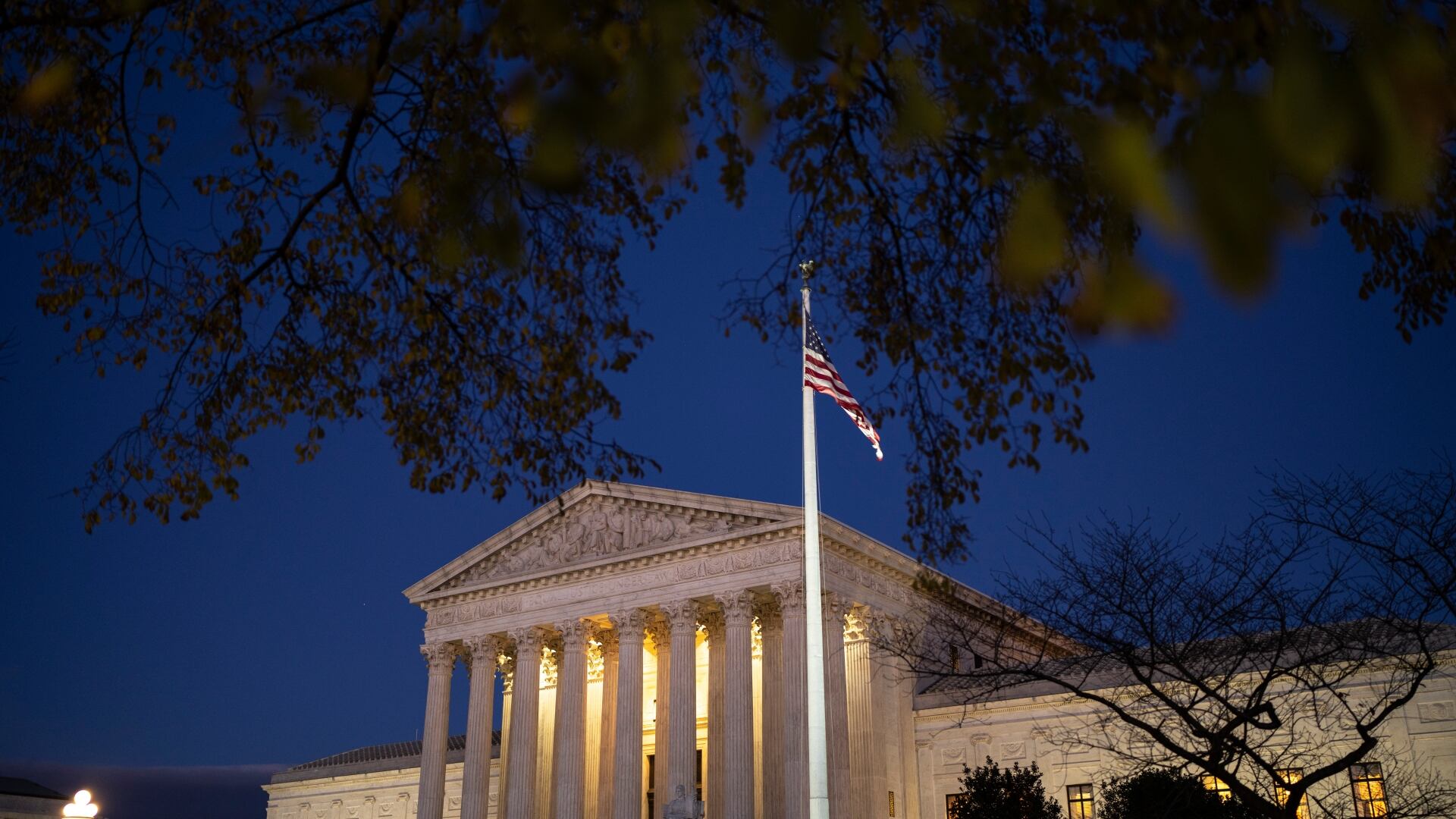
The Supreme Court appeared prepared Wednesday to uphold a Mississippi law that would ban almost all abortions after 15 weeks of pregnancy. The ruling is far from over, with Roe V. Wade at risk. Susan Rinkunas, senior reporter at Jezebel, joins Cheddar News to share the developments of the hearing.
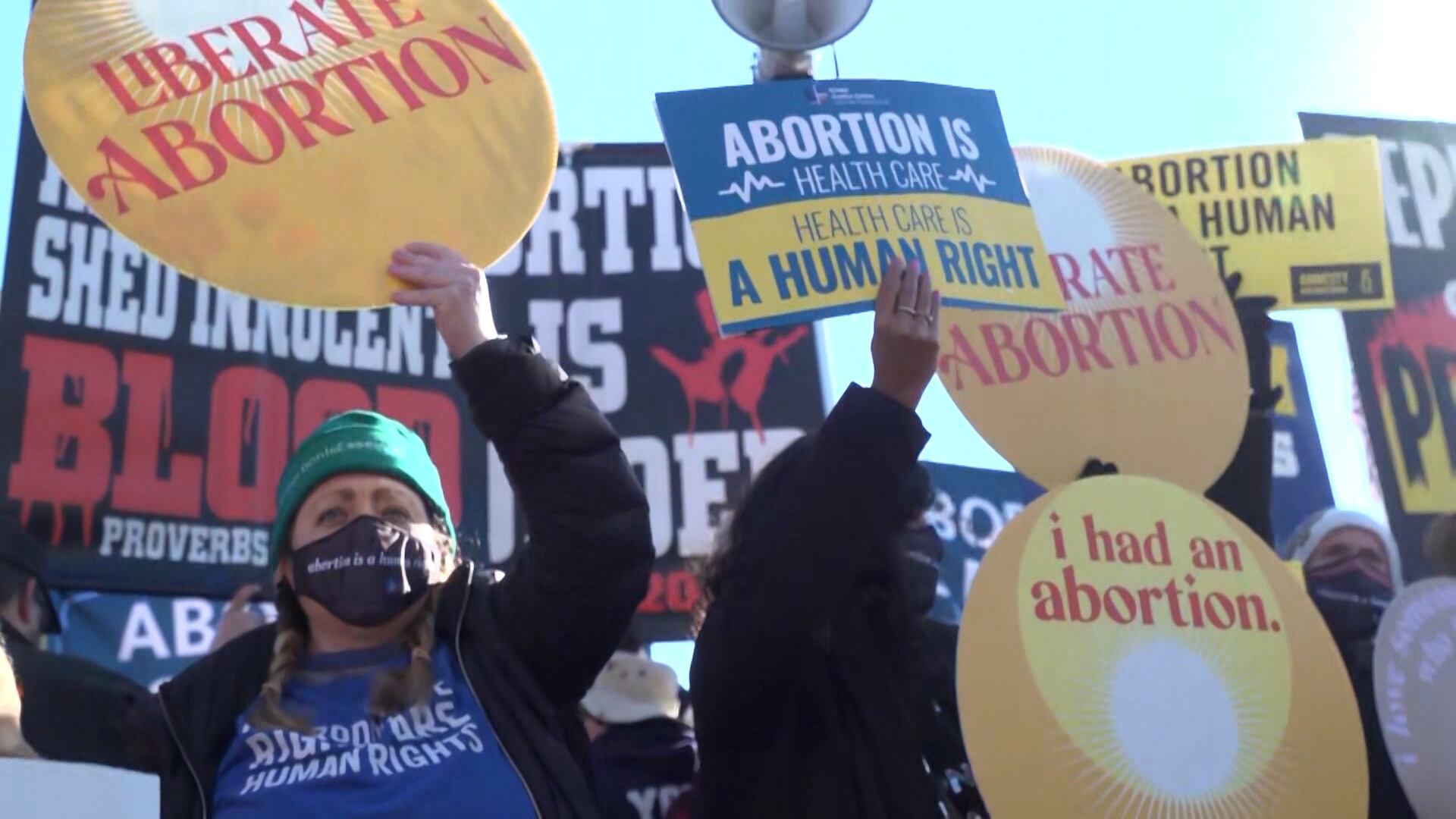
The nine justices heard arguments Wednesday, around a Mississippi abortion law that bans the procedure after 15 weeks and appeared to lean toward upholding the law, while leaving uncertainty about the landmark precedent, Roe v. Wade. Kristin Ford, vice president of communications and research at NARAL Pro-Choice America joins Cheddar News to discuss.
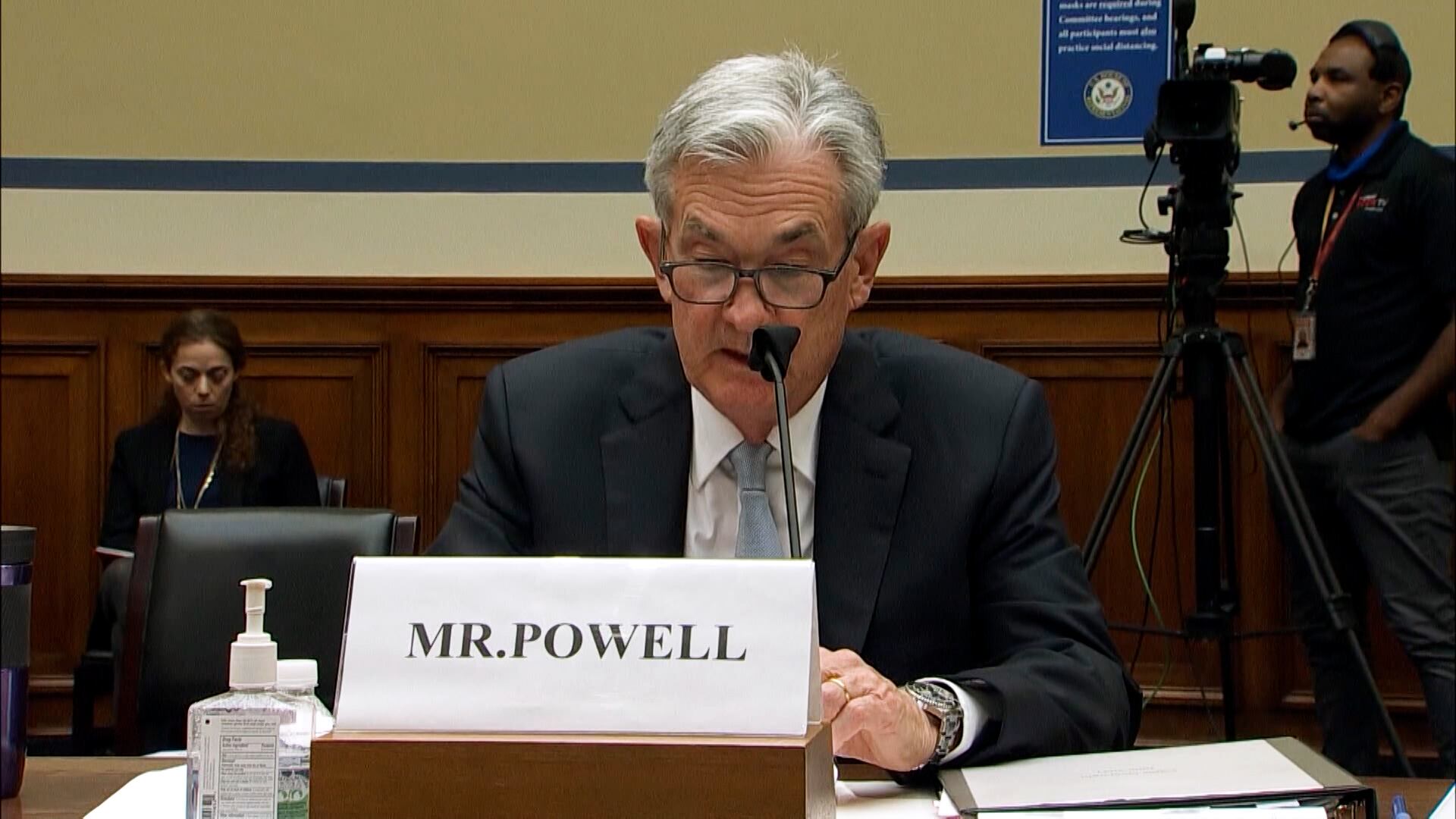
Just about a week after being re-nominated, Federal Reserve Chair Jermone Powell is changing his tune. After nearly a year of referring to inflation as 'transitory,' Powell said he will retire the 'T' word as inflation remains elevated. Christopher Russo, Post-Graduate Research Fellow, Mercatus Center joined Cheddar's Opening Bell to discuss.
Airbnb has come under fire after an Axios report found that the rental company has properties available in China's Xinjiang region where the nation has been accused of committing genocide against Uyghur Muslims, demolishing their homes, and replacing them with tourist attractions.
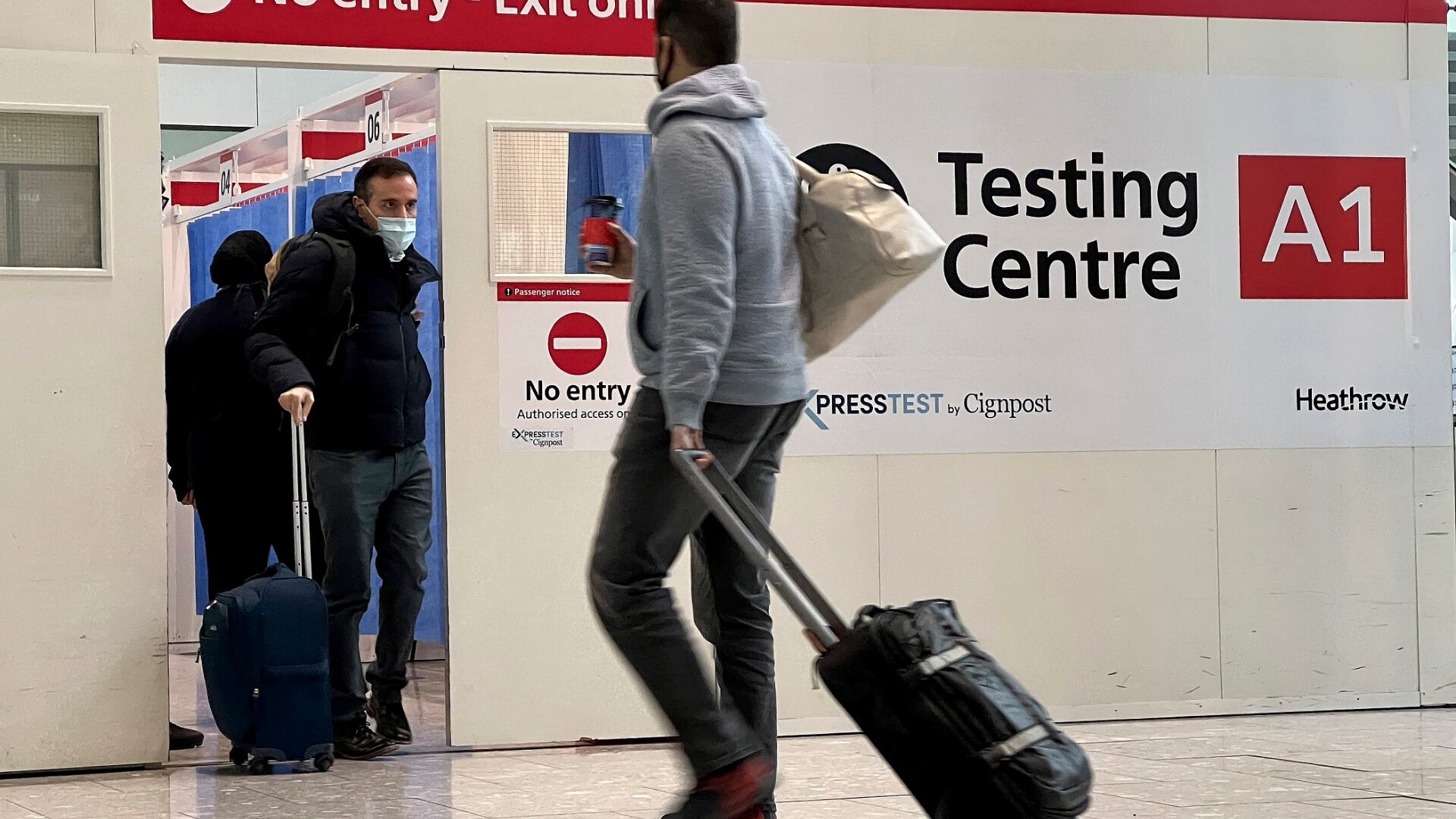
With the emergence of the omicron variant, the U.S. is considering tightening international travel guidelines. The CDC said it might reduce the window for foreign travelers to submit a negative COVID-19 test from three days prior to one day before allowing entry.
Jill and Carlo cover the latest on Omicron, another school shooting in America and more. Plus, bidding farewell to 'transitory' inflation, and the controversy surrounding 'Lovely Bones' author Alice Sebold.
Disparities in tree coverage across America is a huge issue that affects air quality, heat exposure, and ultimately determines how resilient communities are against climate change. The Build Back Better Act is allocating $2.5 billion to boost 'tree equity.' Lemir Teron, assistant professor at SUNY College of Environmental Science and Forestry, joins Cheddar News to explain why this is a priority for Democrats today.