Gun Buyers Shouldn't be Required to Share Social Media with Police, ACLU Says
*By Amanda Weston*
A new bill in Illinois would require potential gun buyers to reveal their public social media accounts to state police. The ACLU is now speaking out against the idea, citing privacy and bias concerns.
"The things that social media would show are one's political views, perhaps one's religion, and even in some instances someone's race," Edwin Yohnka, director of communications and public policy at ACLU of Illinois, told Cheddar.
"And you know, how are those things then going to factor into that decision about whether or not to let someone purchase a firearm? It's just not something that really provides additional information that's useful, and at the same time provides an invasion into someone's personal beliefs that just isn't required for this purpose."
Yohnka said social media typically doesn't reveal more relevant information ー like a potential buyer's arrest record or whether there are restraining orders against that person.
The bill from Illinois State Rep. Daniel Didech comes just before the one-year anniversary of the fatal shooting at Marjory Stoneman Douglas High School in Parkland, Fla. After the attack, [disturbing posts](https://www.cnn.com/2018/02/14/us/nikolas-cruz-florida-shooting-suspect/index.html) on the accused shooter's social media came to light.
“A lot of people who are having mental health issues will often post on their social media pages that they’re about to hurt themselves or others,” the Illinois Democrat told [CBS Chicago](https://chicago.cbslocal.com/2019/02/06/gun-law-bill-social-media-illinois-background-foid/). “We need to give those people the help they need.”
But Yohnka pointed to the state's ["red flag" law](http://www.ilga.gov/legislation/fulltext.asp?DocName=&SessionId=91&GA=100&DocTypeId=HB&DocNum=2354&GAID=14&LegID=102977&SpecSess=&Session=), under which family members, law enforcement, and roommates can petition a judge to allow authorities to temporarily take guns away from those who are found to pose a danger to themselves or others.
"There is a vehicle and a mechanism for protecting the public in that particular case, as opposed to this general sort of sweeping thing of looking through everybody's data," Yohnka said.
For full interview [click here](https://cheddar.com/videos/aclu-concerned-about-illinois-bill-requiring-potential-gun-owners-to-reveal-social-media-to-police).
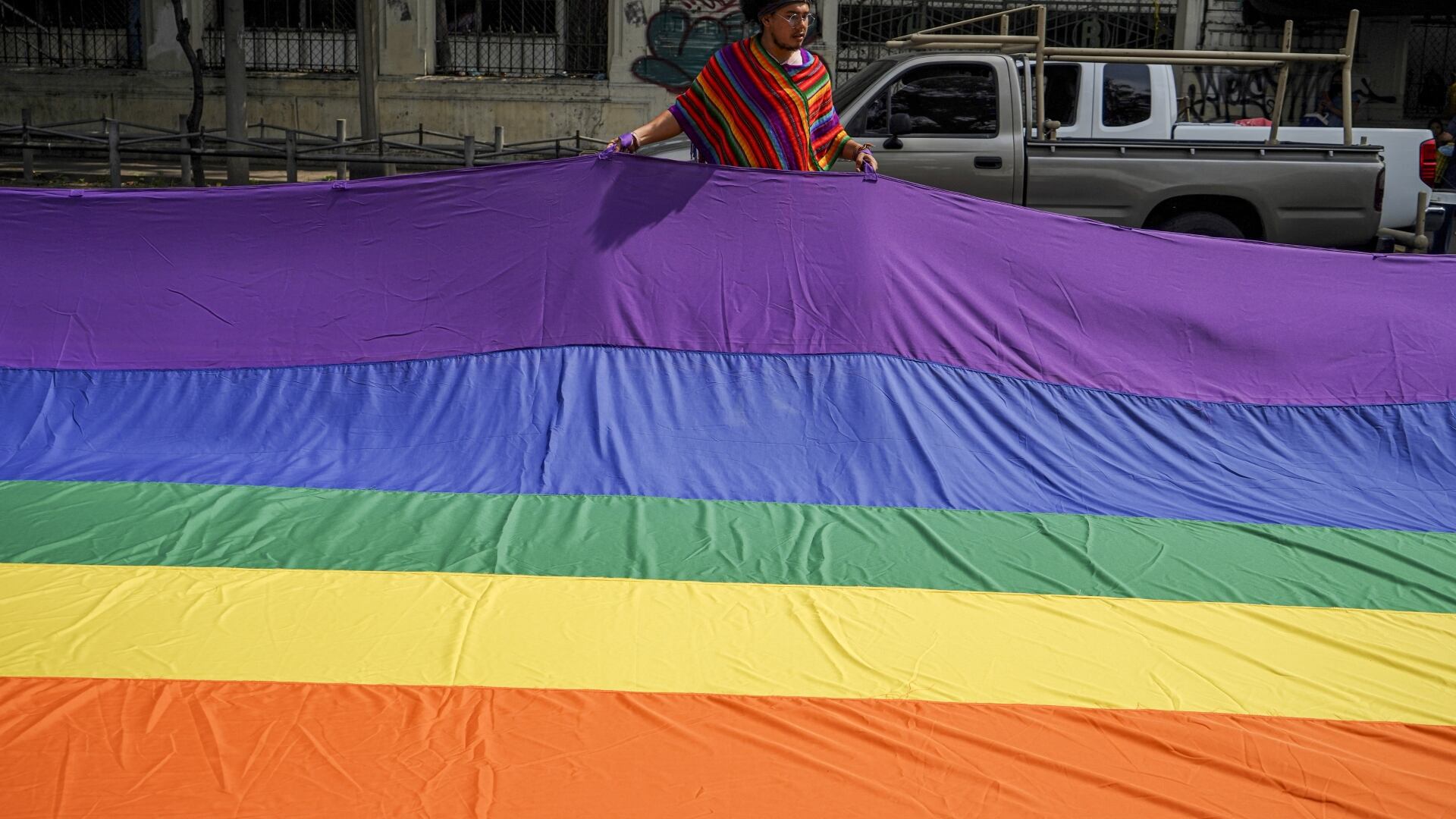
Liana Guzmán, CEO of FOLX Health, joins Cheddar News to discuss the company launching billboards across the country in response to anti-LGBTQ+ legislation.
President Biden has announced an additional $800 million in military assistance to Ukraine, including artillery, armored personnel carriers, and helicopters. It comes as Russian forces appear to be preparing for a new, aggressive offensive in the eastern part of Ukraine. Paul McLeary, defense reporter for Politico, joined Cheddar to discuss this new round of aid and what it means for the U.S. commitment to arming the embattled country.
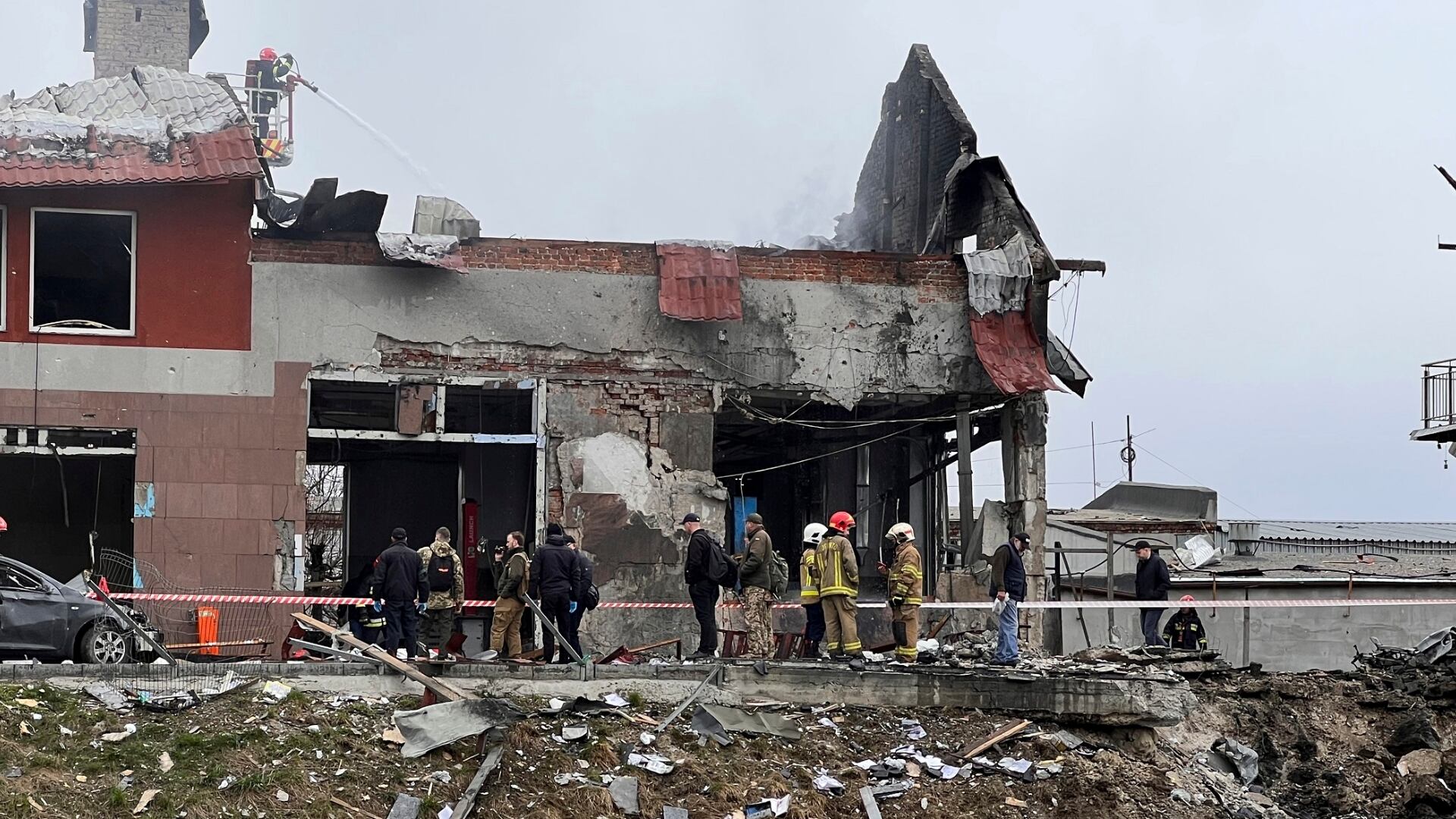
Catching you up on what you need to know on April 18, 2022, with Russian missile attacks on the Ukrainian city of Lviv killing seven, mass shootings in South Carolina and Pittsburgh, Lucky Charms cereal under official investigation by the FDA, and more.
Activism is growing around the country in response to school boards banning books from shelves that focus on sexuality, gender, identity, or race. Jen Cousins, co-founder of The Florida Freedom to Read Project, joins Cheddar News to discuss.
As the Russian invasion of Ukraine intensifies, President Biden has announced a ban on importing Russian oil, gas, and energy. To discuss how this ban will impact the war and Americans, Amir Handjani, non-resident fellow at Quincy Institute, joins Cheddar News.
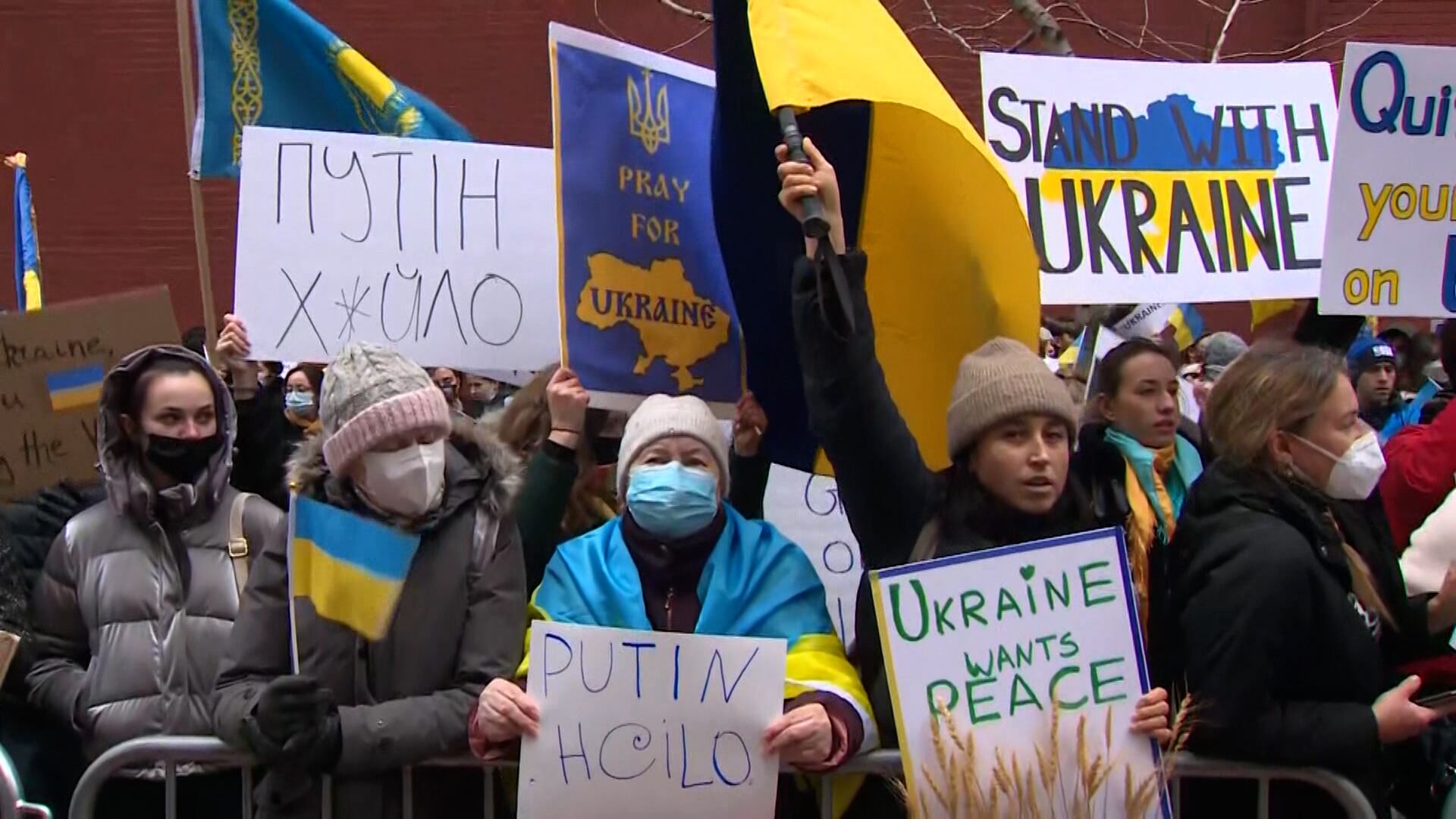
Thousands of protesters around the world are expressing their solidarity with Ukraine against Russia's invasion.
Jason Beardsley, national executive director of the Association of the U.S. Navy and national security expert, joins Cheddar News to discuss.
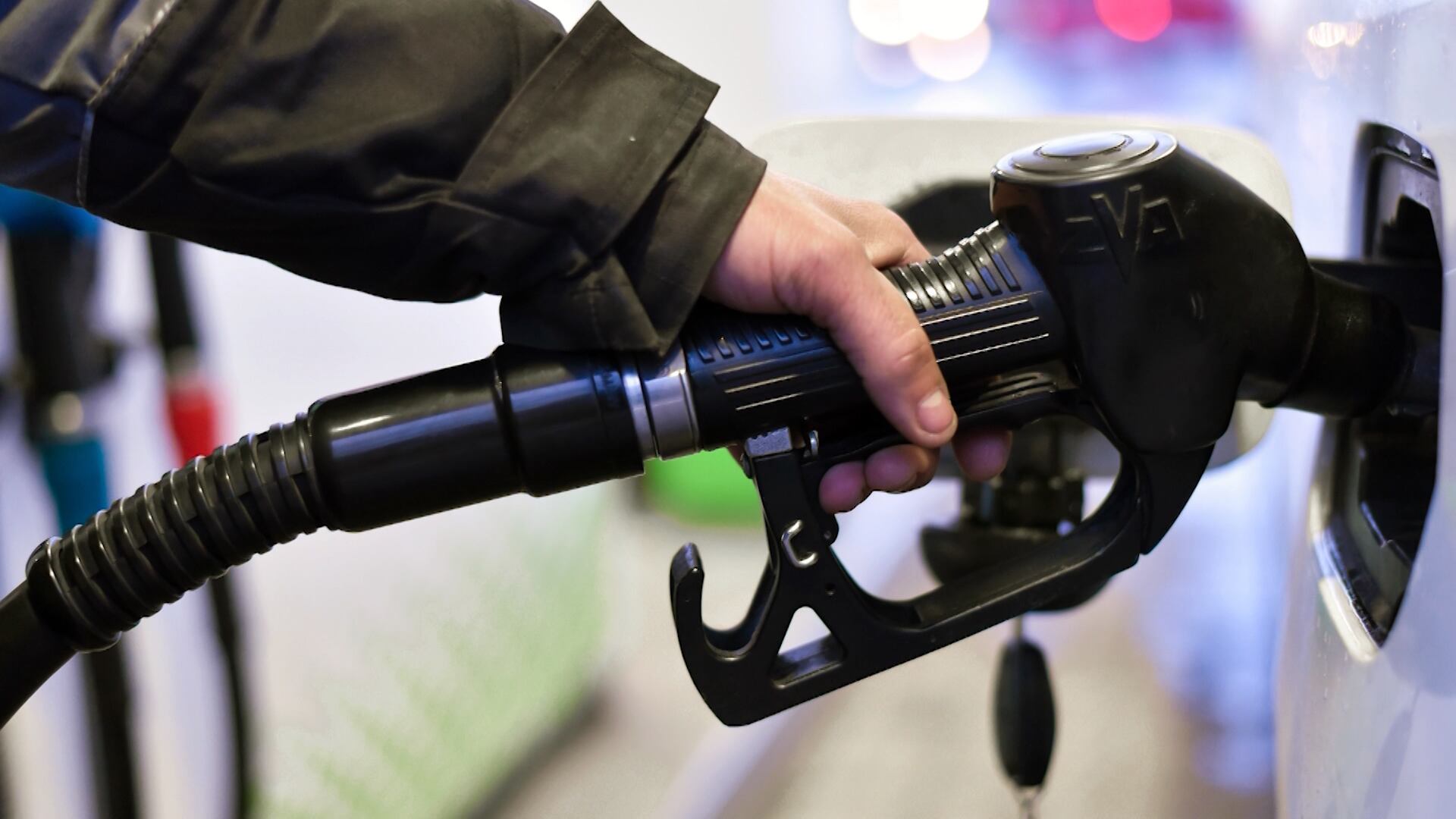
As gas prices surge amid the Russian invasion of Ukraine, other nations could potentially transition faster to using clean energy than previously expected. Philip K. Verleger, a senior fellow at the Niskanen Center, joined Cheddar News to explain how this could be a possibility in the near future. "Part of the reason I think we have this invasion and the tantrum that's being thrown by Russia, terrible tantrum, is because the Russians were trying to slow down the transition," he said. "Ironically they speeded it up."
Following the invasion of Ukraine, a multitude of Western companies have paused doing business with Russia. PepsiCo, Coca-Cola, McDonald's, and Starbucks are the most recent companies to temporarily cease operations in Russia. Dean of Miami Herbert Business School at the University of Miami, John Quelch, joined Cheddar News to discuss what message this sends to Russia and the Russian consumer. “I would not underestimate the collective strength of all of these multinational companies, essentially coming together to make their collective statement in support of the political statements that have come out of Washington," he said.
The war in Ukraine continues to reveal heartbreaking gut-wrenching stories. The war in itself is not only devastating but also expensive. Experts estimate that Russia is draining nearly $20 million dollars each day to continue occupying and invading Ukraine. All this could force the country to turn to cryptocurrencies. It's a major turn for the country that briefly considered outlined digital assets entirely, but it could also have serious implications for cryptos. Managing Director at Quantum Fintech Group, Harry Yeh, joined Cheddar to discuss more.