CBD-dispensing robots have arrived in New York City with the debut of Greenbox Robotics' artificial intelligence-powered robots at CBD and wellness shop Come Back Daily. Founder Zack Johnson hopes his AI robots will not only boost business and speed up sales at retail shops and dispensaries, but also educate customers about hemp compound CBD.
"The customers will walk up to our fully integrated touch screen," Johnson explained. "When they click on the actual product, they'll get as much information as the manufacturer of that product provides, so they can make an educated decision as to which product makes the most sense for their needs, as well as learn what is CBD and how it can help their everyday lives."
The robot seems like it was made for Instagram ー and that's no mistake ー but beyond its mass appeal, Johnson hopes the robot will help dispensaries and retail shops attract and educate customers, while providing major marketing for brands and shopping data to help shops, brands, and Greenbox keep tabs on the latest trends.
"Data can help us make informed decisions on activations at festivals, what products to manufacture based off of this age, this sex, this region of the world, buying this product," he said.
The robots weren't always intended for CBD. Greenbox switched gears after noticing the rapid expansion of the CBD industry. Market research firm the Brightfield Group projects the industry will surge to $5.1 billion in 2019, up more than 700 percent since 2018. Plus the looser regulations surrounding CBD products, as compared with cannabis, mean Greenbox has a lot more flexibility in terms of where it puts its curious little robots.
"We originally set out to create a fully automated point of sale within dispensary walls," Johnson said. "Because of the rise of CBD ... our demand completely shifted toward CBD robots. Now everybody wants ー instead of inside of their dispensary ー their branded CBD robot in a shopping mall, in an airport terminal, in a grocery store."
Stephen Kates, Financial Analyst at Bankrate, joins to discuss the Fed’s 25-basis-point rate cut, inflation risks, and what it all means for consumers and marke
Big tech earnings take center stage as investors digest results from Alphabet, Meta, Microsoft, Amazon, and Apple, with insights from Gil Luria of D.A. Davidson
Disney content has gone dark on YouTube TV, leaving subscribers of the Google-owned live streaming platform without access to major networks like ESPN and ABC. That’s because the companies have failed to reach a new licensing deal to keep Disney channels on YouTube TV. Depending on how long it lasts, the dispute could particularly impact coverage of U.S. college football matchups over the weekend — on top of other news and entertainment disruptions that have already arrived. In the meantime, YouTube TV subscribers who want to watch Disney channels could have little choice other than turning to the company’s own platforms, which come with their own price tags.
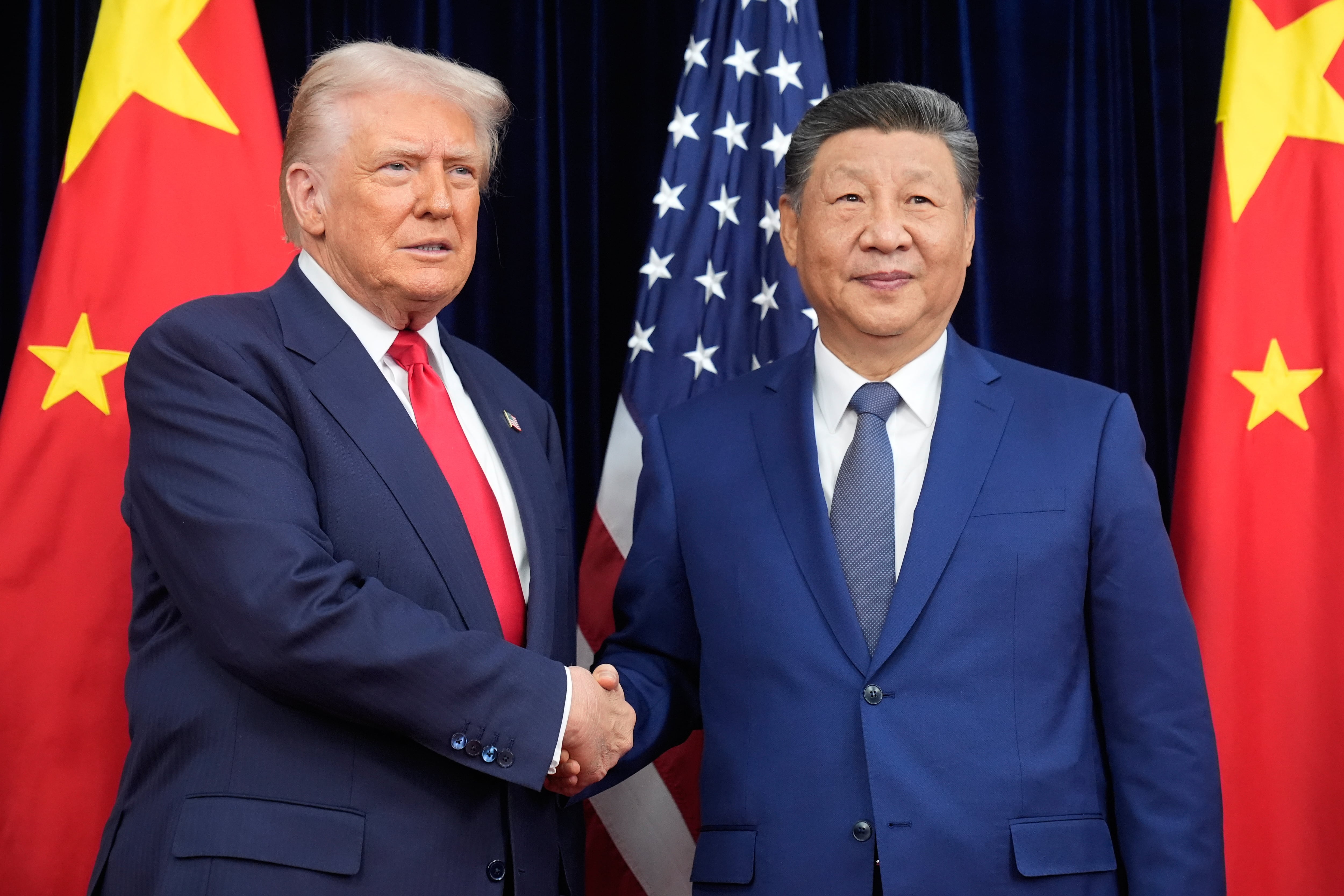
President Donald Trump said he has decided to lower his combined tariff rates on imports of Chinese goods to 47% after talks with Chinese leader Xi Jinping on curbing fentanyl trafficking.
Universal Music Group and AI platform Udio have settled a copyright lawsuit and will collaborate on a new music creation and streaming platform. The companies announced on Wednesday that they reached a compensatory legal settlement and new licensing agreements. These agreements aim to provide more revenue opportunities for Universal's artists and songwriters. The rise of AI song generation tools like Udio has disrupted the music streaming industry, leading to accusations from record labels. This deal marks the first since Universal and others sued Udio and Suno last year. Financial terms of the settlement weren't disclosed.