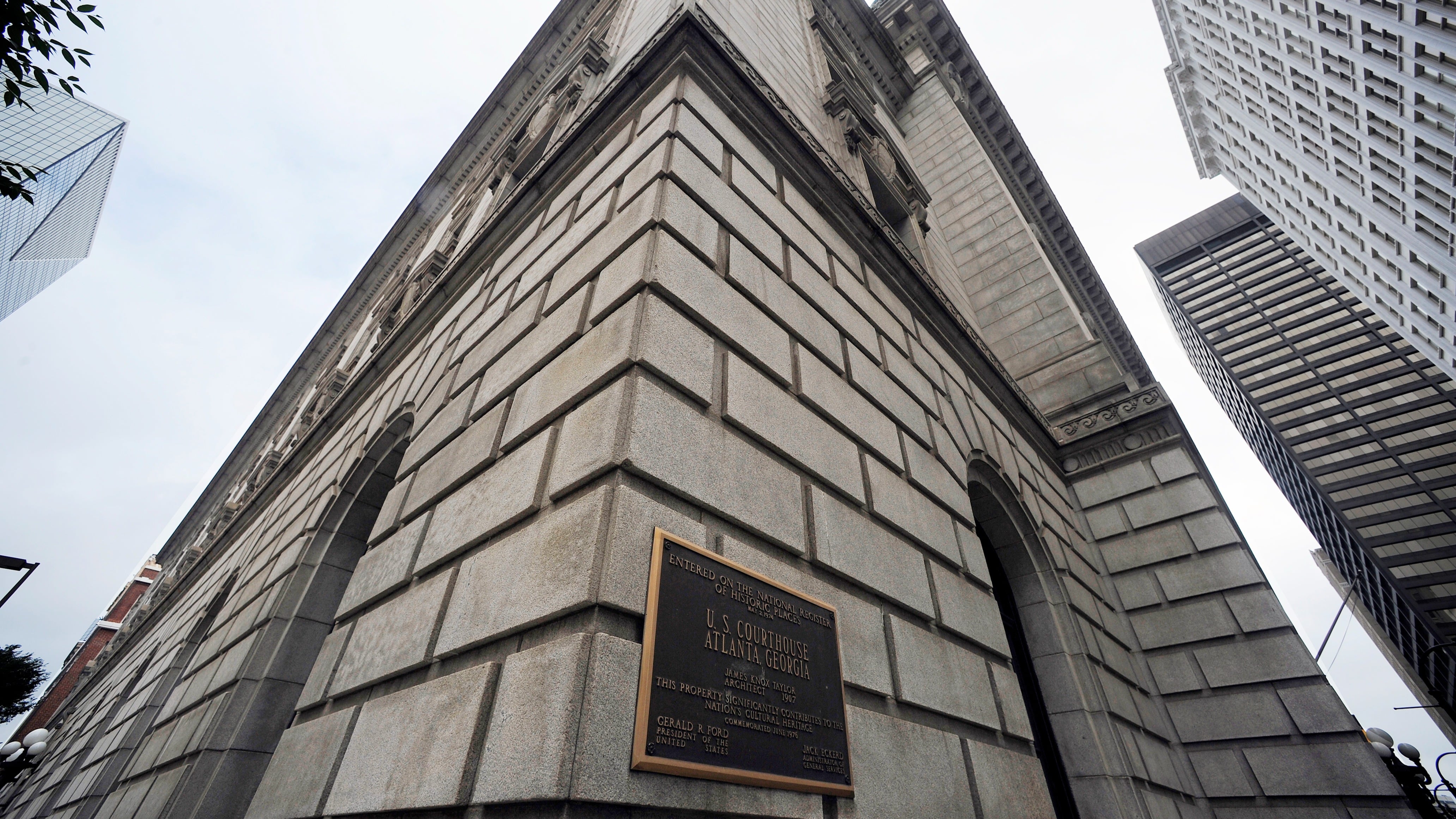
This July 21, 2012, file photo, shows the exterior of the U.S. Courthouse for the 11th U.S. Circuit Court of Appeals in Atlanta. (AP Photo/Mike Stewart, File)
By Alexandra Olson
A grant program for businesses run by Black women was temporarily blocked by a federal appeals court in a case epitomizing the escalating battle over corporate diversity policies.
The 2-1 decision by the Atlanta-based 11th U.S. Circuit Court of Appeals temporarily prevents the Fearless Fund from running the Strivers Grant Contest, which awards $20,000 to businesses that are at least 51% owned by Black women, among other requirements.
In a statement Sunday, the Atlanta-based Fearless Fund said it would comply with the order but remained confident of ultimately prevailing in the lawsuit. The case was brought by the American Alliance for Equal Rights, a group run by conservative activist Edward Blum, who argues that the fund violates a section of the Civil Rights Act of 1866, which prohibits racial discrimination in contracts. “We strongly disagree with the decision and remain resolute in our mission and commitment to address the unacceptable disparities that exist for Black women and other women of color in the venture capital space,” the Fearless Fund said.
The order, issued Saturday, reversed a ruling Tuesday by U.S. District Judge Thomas W. Thrash which denied the American Alliance's request to halt the program. The majority on the three-judge panel wrote that the Fearless Fund's program's is “racially exclusionary” and that Blum's group is likely to prevail.
“The members of the American Alliance for Equal Rights are gratified that the 11th Circuit has recognized the likelihood that the Fearless Strivers Grant Contest is illegal,” Blum said in a statement. “We look forward to the final resolution of this lawsuit.”
In his dissent, Judge Charles R. Wilson said it was a “perversion of Congressional intent” to use the 1866 act against the Fearless Fund's program, given that the Reconstruction-era law was intended to protect Black people from economic exclusion. Wilson said the lawsuit was unlikely to succeed.
The case has become a test case as the battle over racial considerations shifts to the workplace following the U.S. Supreme Court’s June ruling ending affirmative action in college admissions.
The grant contest is among several programs run by the Fearless Fund, which was established to bridge the gap in funding access for Black female entrepreneurs, who receive less than 1% of venture capital funding. To be eligible for the grants, a business must be at least 51% owned by a Black woman, among other qualifications.
The Fearless Fund has enlisted prominent civil rights lawyers, including Ben Crump, to defend against the lawsuit. The attorneys have argued that the grants are not contracts, but donations protected by the First Amendment.
In its majority opinion, the appellate panel disagreed, writing that the First Amendment “does not give the defendants the right to exclude persons from a contractual regime based on their race.”
Rebecca Walser, President of Walser Wealth Management, joins Cheddar News' Closing Bell, where she discusses the factors behind Monday's surge on Wall Street and explains why investors will likely experience volatility in the market throughout the month of December.
Cheddar's Chloe Aiello joined "Closing Bell" to break down the progress of the SAFE Banking Act in Congress as cannabis businesses operators struggle to find financial institutions that will service them. Banks face steep federal penalties, including the risk of losing a bank charter, if found to be servicing marijuana businesses even if their state has legalized operations. Aiello reported that while there was some bipartisan support for the measure in the Senate, the bill faces some opposition from conservatives with "longstanding concerns" about cannabis and progressives who prefer a more comprehensive approach to reform.
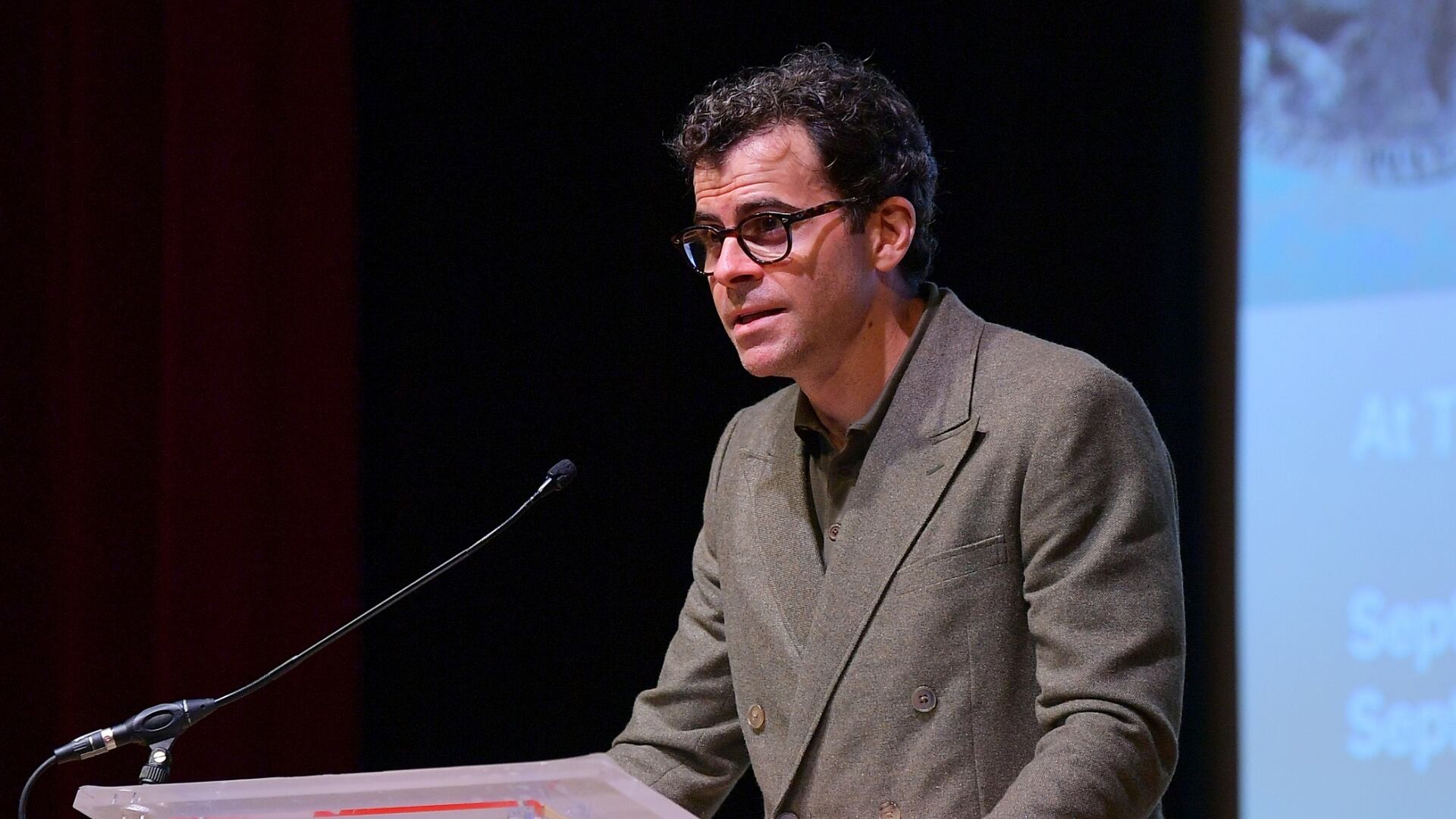
Head of Instagram Adam Mosseri is slated to testify this week in front of the Senate Commerce Subcommittee after a Wall Street Journal report that found the Meta-owned social media platform is negatively impacting the mental wellness of teen girls.
Chinese regulators are reportedly behind China-based ride-hailing company DiDi exiting from the New York Stock Exchange, just days after listing earlier this year. The regulators stated prior that DiDi had not received the necessary clearances to list in the states. Gordon Chang, Asian affairs expert, joined Cheddar to break down what the delisting says about the relationship between nations. "This really strikes me as an attempt to really to force a decoupling of China and the U.S. in the financial markets," Chang said.
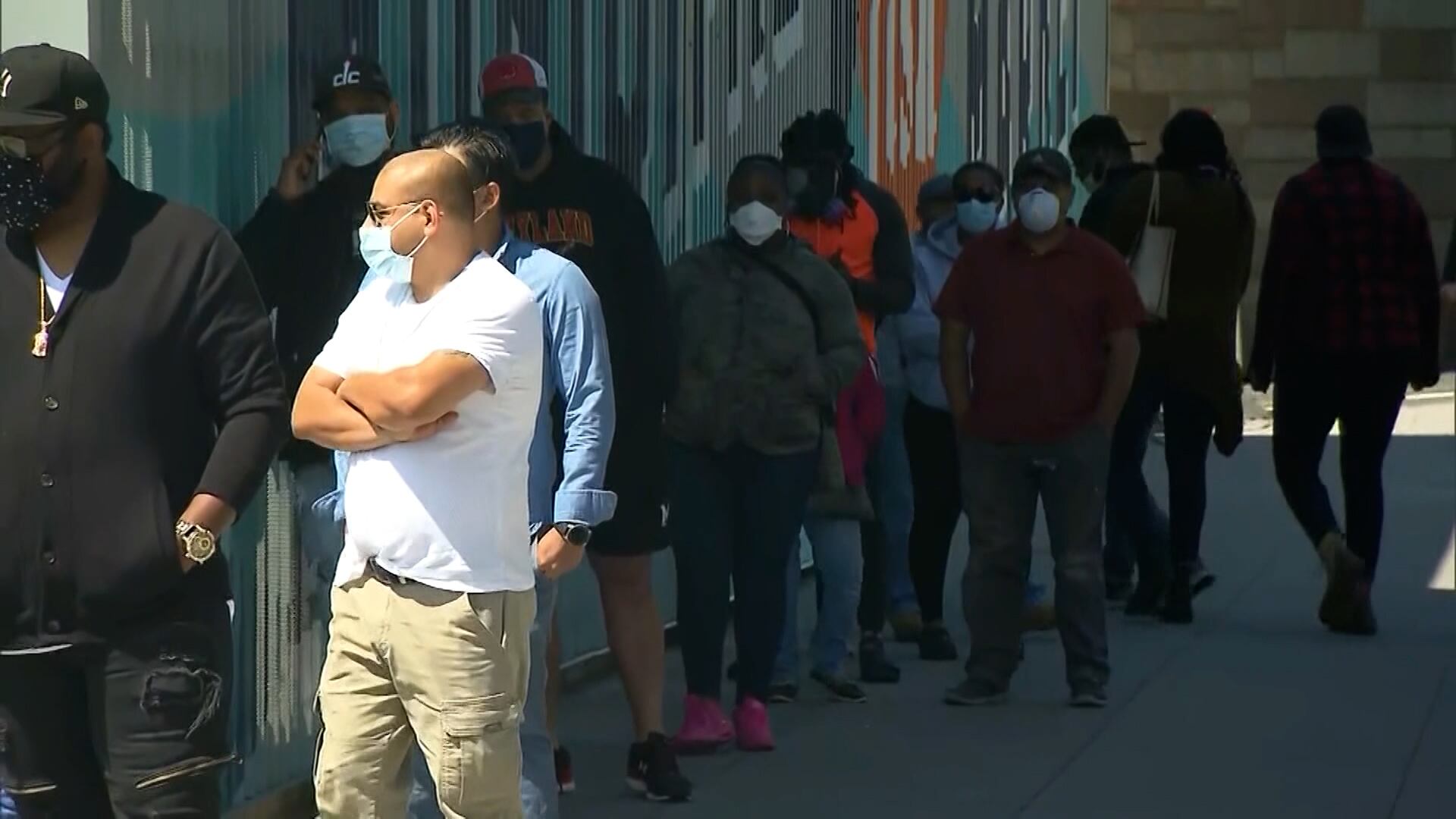
U.S. Futures were pointing to a higher open to round out the week despite a miss on the November Jobs Report, which showed slower job growth than expected-- and as the omicron variant continues to spread across the country. Patrick Healey, Founder & President at Caliber Financial Partners joined Cheddar's Opening Bell to discuss.
Just days after the detection of the Omicron variant, the World Health Organization has agreed to start the process of establishing a global pandemic treaty or accord. Amy Maxmen, senior reporter for Nature, and Dr. Samuel Scarpino, managing director for the Rockefeller Foundation's Pandemic Prevention Institute, joined Cheddar to discuss this effort and what lessons can be learned from the many COVID-19 failures as the world prepares for future pandemics.
It's a mixed bag for the November jobs report. Hiring slowed last month as employers only added 210,000 jobs, massively missing the estimate of 550,000. But there was one bright spot: the unemployment rate fell to 4.2%, with the number of unemployed people dropping to 6.9 million. Both of those numbers are considerably down from their highs at the end of the 2020 recession. Heather Boushey, a member of President Biden's Council of Economic Advisers, joined Cheddar to discuss the report and the state of the country's ongoing economic recovery.