By Alexandra Olson
A grant program for businesses run by Black women was temporarily blocked by a federal appeals court in a case epitomizing the escalating battle over corporate diversity policies.
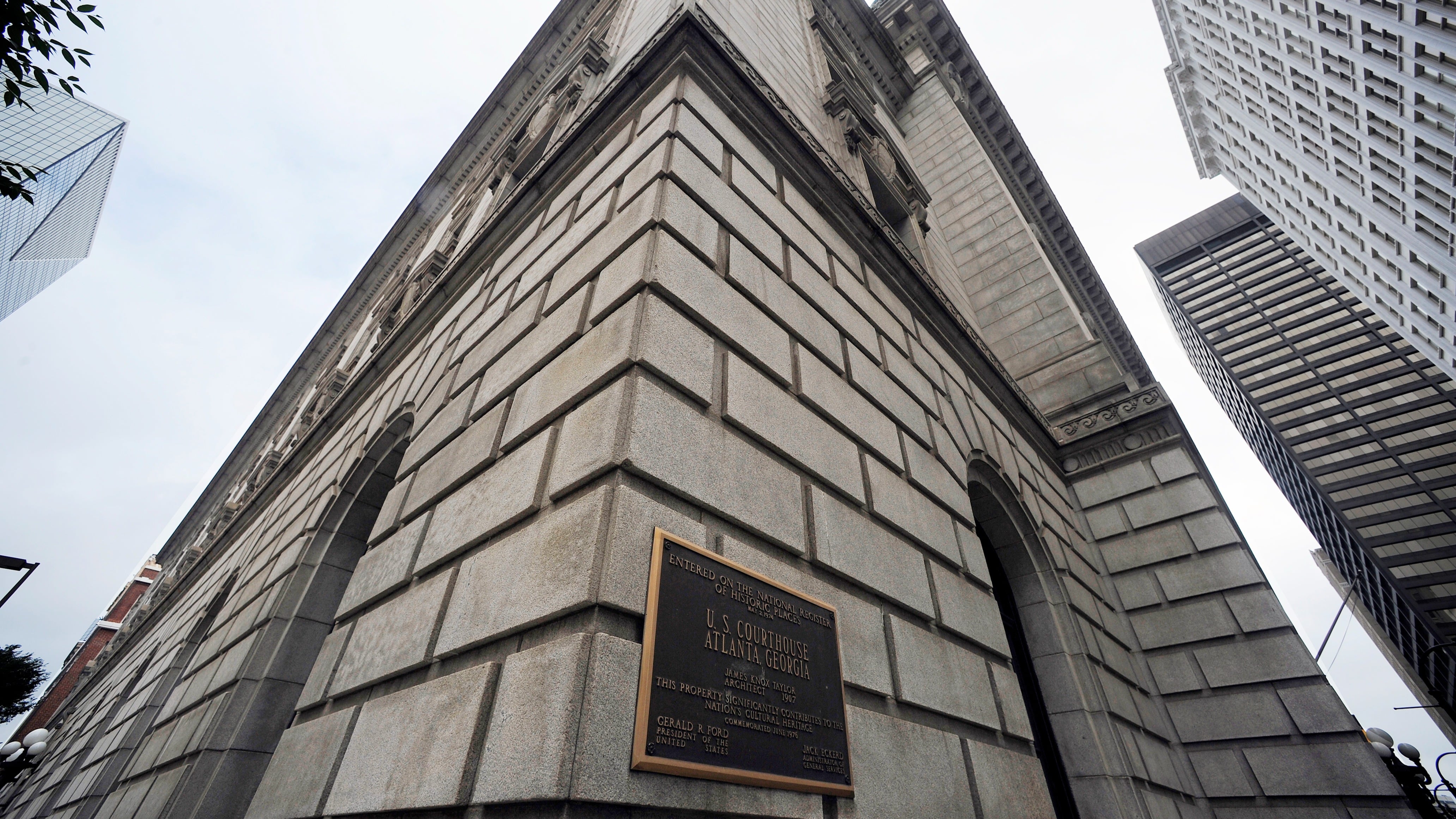
The 2-1 decision by the Atlanta-based 11th U.S. Circuit Court of Appeals temporarily prevents the Fearless Fund from running the Strivers Grant Contest, which awards $20,000 to businesses that are at least 51% owned by Black women, among other requirements.
In a statement Sunday, the Atlanta-based Fearless Fund said it would comply with the order but remained confident of ultimately prevailing in the lawsuit. The case was brought by the American Alliance for Equal Rights, a group run by conservative activist Edward Blum, who argues that the fund violates a section of the Civil Rights Act of 1866, which prohibits racial discrimination in contracts. “We strongly disagree with the decision and remain resolute in our mission and commitment to address the unacceptable disparities that exist for Black women and other women of color in the venture capital space,” the Fearless Fund said.
The order, issued Saturday, reversed a ruling Tuesday by U.S. District Judge Thomas W. Thrash which denied the American Alliance's request to halt the program. The majority on the three-judge panel wrote that the Fearless Fund's program's is “racially exclusionary” and that Blum's group is likely to prevail.
“The members of the American Alliance for Equal Rights are gratified that the 11th Circuit has recognized the likelihood that the Fearless Strivers Grant Contest is illegal,” Blum said in a statement. “We look forward to the final resolution of this lawsuit.”
In his dissent, Judge Charles R. Wilson said it was a “perversion of Congressional intent” to use the 1866 act against the Fearless Fund's program, given that the Reconstruction-era law was intended to protect Black people from economic exclusion. Wilson said the lawsuit was unlikely to succeed.
The case has become a test case as the battle over racial considerations shifts to the workplace following the U.S. Supreme Court’s June ruling ending affirmative action in college admissions.
The grant contest is among several programs run by the Fearless Fund, which was established to bridge the gap in funding access for Black female entrepreneurs, who receive less than 1% of venture capital funding. To be eligible for the grants, a business must be at least 51% owned by a Black woman, among other qualifications.
The Fearless Fund has enlisted prominent civil rights lawyers, including Ben Crump, to defend against the lawsuit. The attorneys have argued that the grants are not contracts, but donations protected by the First Amendment.
In its majority opinion, the appellate panel disagreed, writing that the First Amendment “does not give the defendants the right to exclude persons from a contractual regime based on their race.”