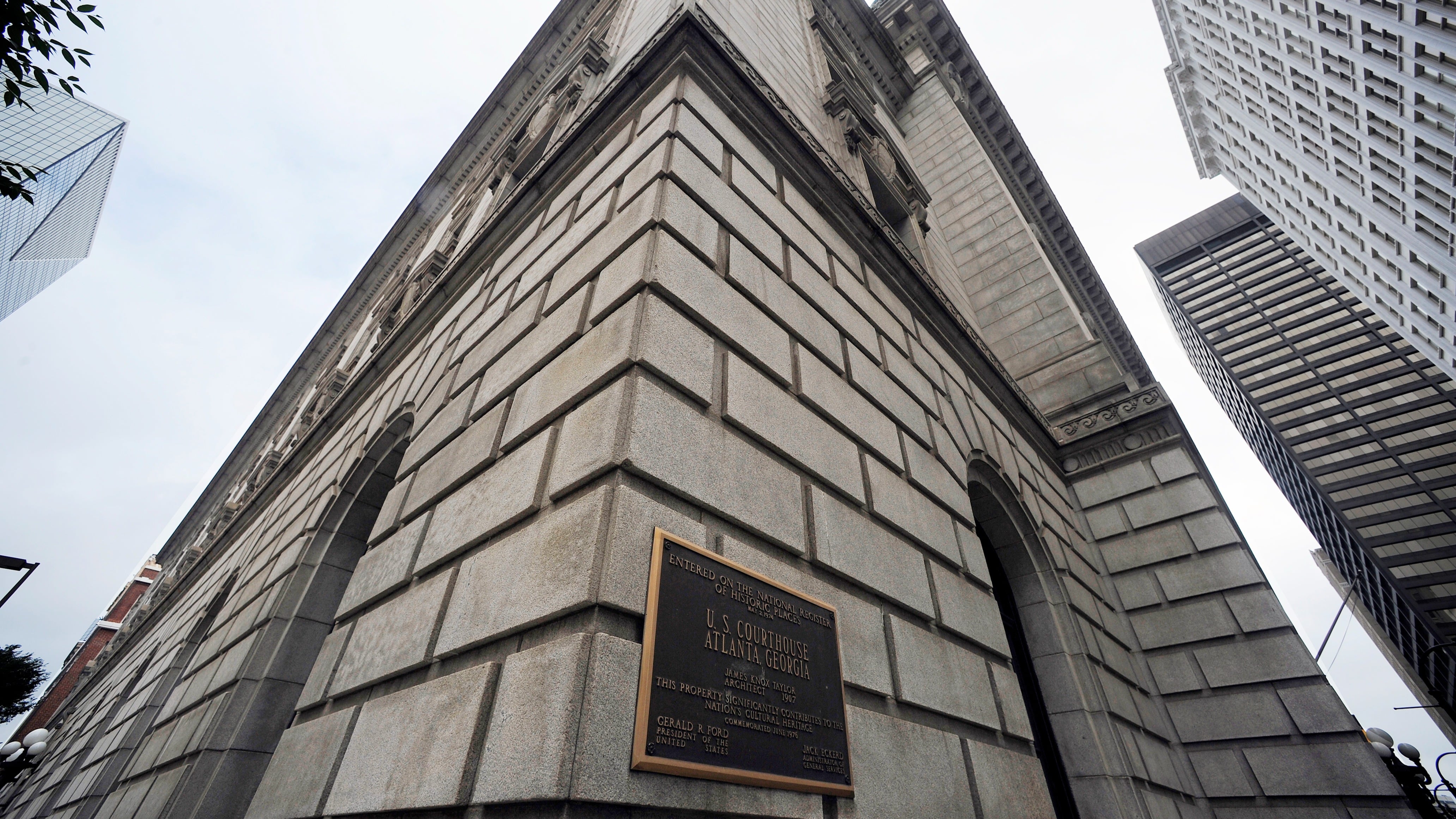
This July 21, 2012, file photo, shows the exterior of the U.S. Courthouse for the 11th U.S. Circuit Court of Appeals in Atlanta. (AP Photo/Mike Stewart, File)
By Alexandra Olson
A grant program for businesses run by Black women was temporarily blocked by a federal appeals court in a case epitomizing the escalating battle over corporate diversity policies.
The 2-1 decision by the Atlanta-based 11th U.S. Circuit Court of Appeals temporarily prevents the Fearless Fund from running the Strivers Grant Contest, which awards $20,000 to businesses that are at least 51% owned by Black women, among other requirements.
In a statement Sunday, the Atlanta-based Fearless Fund said it would comply with the order but remained confident of ultimately prevailing in the lawsuit. The case was brought by the American Alliance for Equal Rights, a group run by conservative activist Edward Blum, who argues that the fund violates a section of the Civil Rights Act of 1866, which prohibits racial discrimination in contracts. “We strongly disagree with the decision and remain resolute in our mission and commitment to address the unacceptable disparities that exist for Black women and other women of color in the venture capital space,” the Fearless Fund said.
The order, issued Saturday, reversed a ruling Tuesday by U.S. District Judge Thomas W. Thrash which denied the American Alliance's request to halt the program. The majority on the three-judge panel wrote that the Fearless Fund's program's is “racially exclusionary” and that Blum's group is likely to prevail.
“The members of the American Alliance for Equal Rights are gratified that the 11th Circuit has recognized the likelihood that the Fearless Strivers Grant Contest is illegal,” Blum said in a statement. “We look forward to the final resolution of this lawsuit.”
In his dissent, Judge Charles R. Wilson said it was a “perversion of Congressional intent” to use the 1866 act against the Fearless Fund's program, given that the Reconstruction-era law was intended to protect Black people from economic exclusion. Wilson said the lawsuit was unlikely to succeed.
The case has become a test case as the battle over racial considerations shifts to the workplace following the U.S. Supreme Court’s June ruling ending affirmative action in college admissions.
The grant contest is among several programs run by the Fearless Fund, which was established to bridge the gap in funding access for Black female entrepreneurs, who receive less than 1% of venture capital funding. To be eligible for the grants, a business must be at least 51% owned by a Black woman, among other qualifications.
The Fearless Fund has enlisted prominent civil rights lawyers, including Ben Crump, to defend against the lawsuit. The attorneys have argued that the grants are not contracts, but donations protected by the First Amendment.
In its majority opinion, the appellate panel disagreed, writing that the First Amendment “does not give the defendants the right to exclude persons from a contractual regime based on their race.”
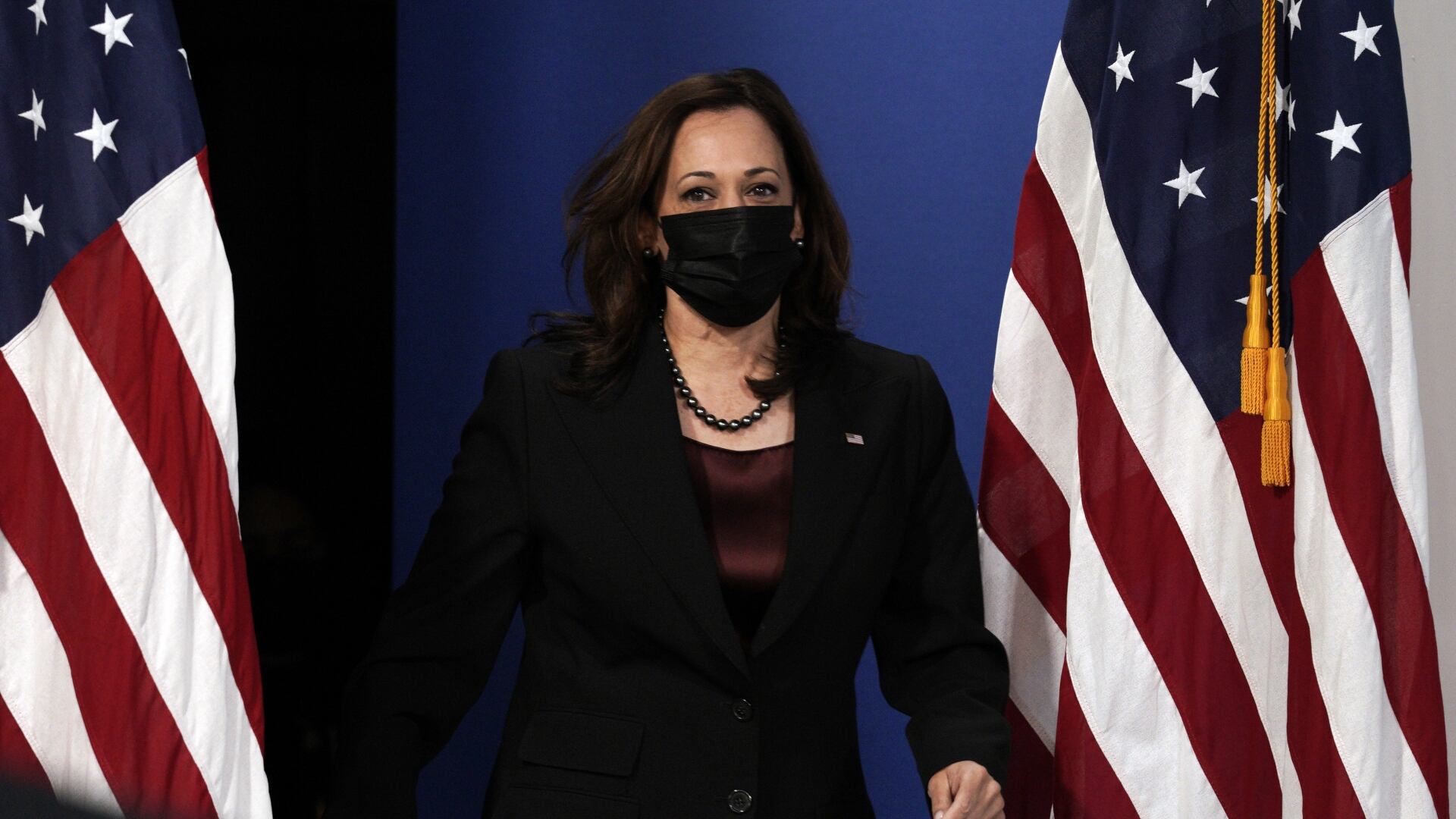
Vice President Kamala Harris received impressive amount of media coverage in January for making history. However, the media attention waned significantly and some are now even saying she has almost disappeared from public view. Reecie Colbert, founder of BlackWomenViews Media, joined Cheddar Politics to discuss more.
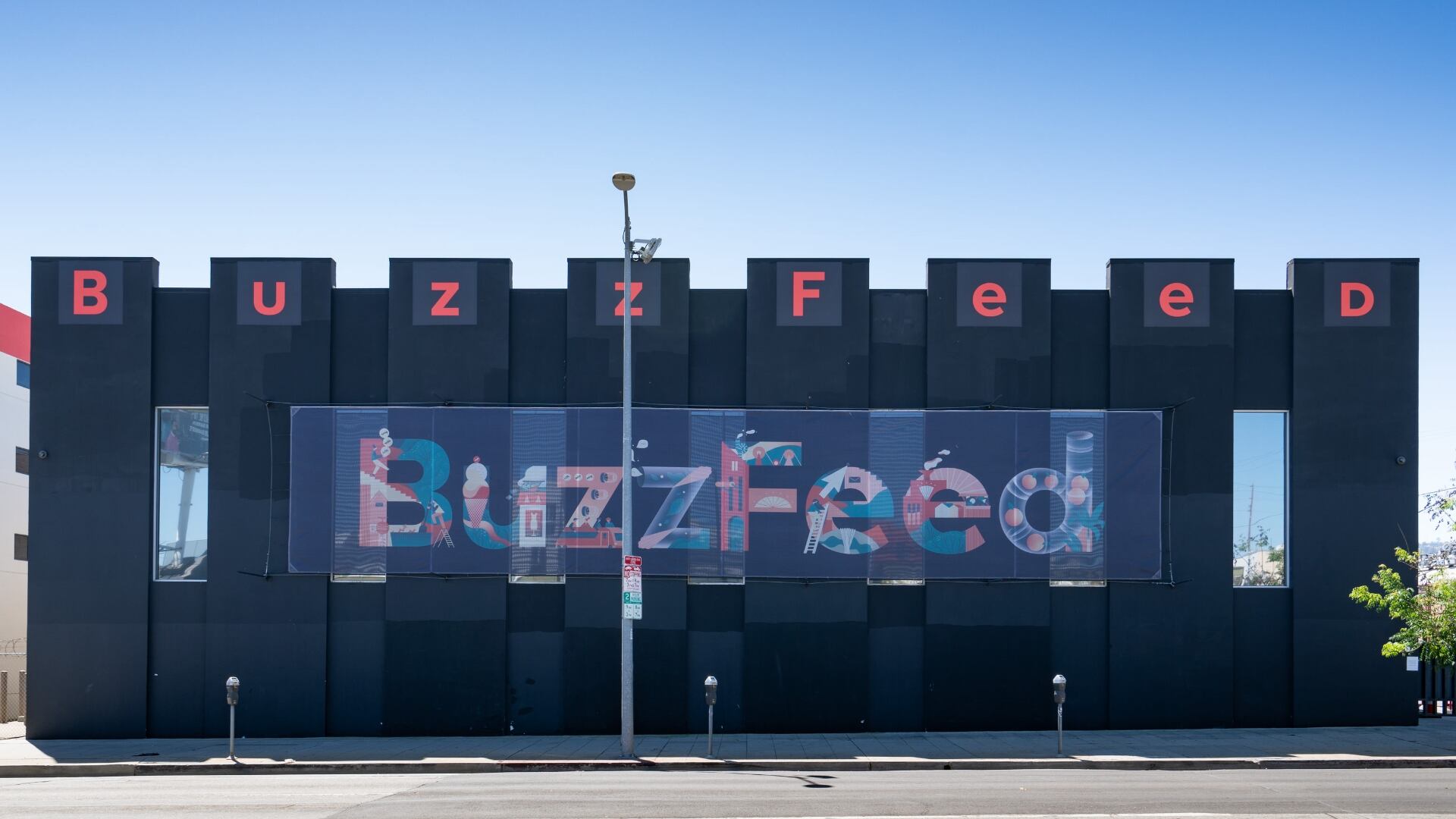
If you thought you heard the last of the Mueller report back in 2019, you'd be wrong. While the bombshell report was the biggest story in Washington for years, much of the report remained redacted. Our friends at BuzzFeed News weren't satisfied, so they sued to have certain passages unredacted. They notched another win when a federal appeals court ordered ten passages from the report to be released.
Matt Topic, BuzzFeed's attorney in the case, and Jason Leopold, reporter at BuzzFeed News, join Cheddar Politics to discuss.
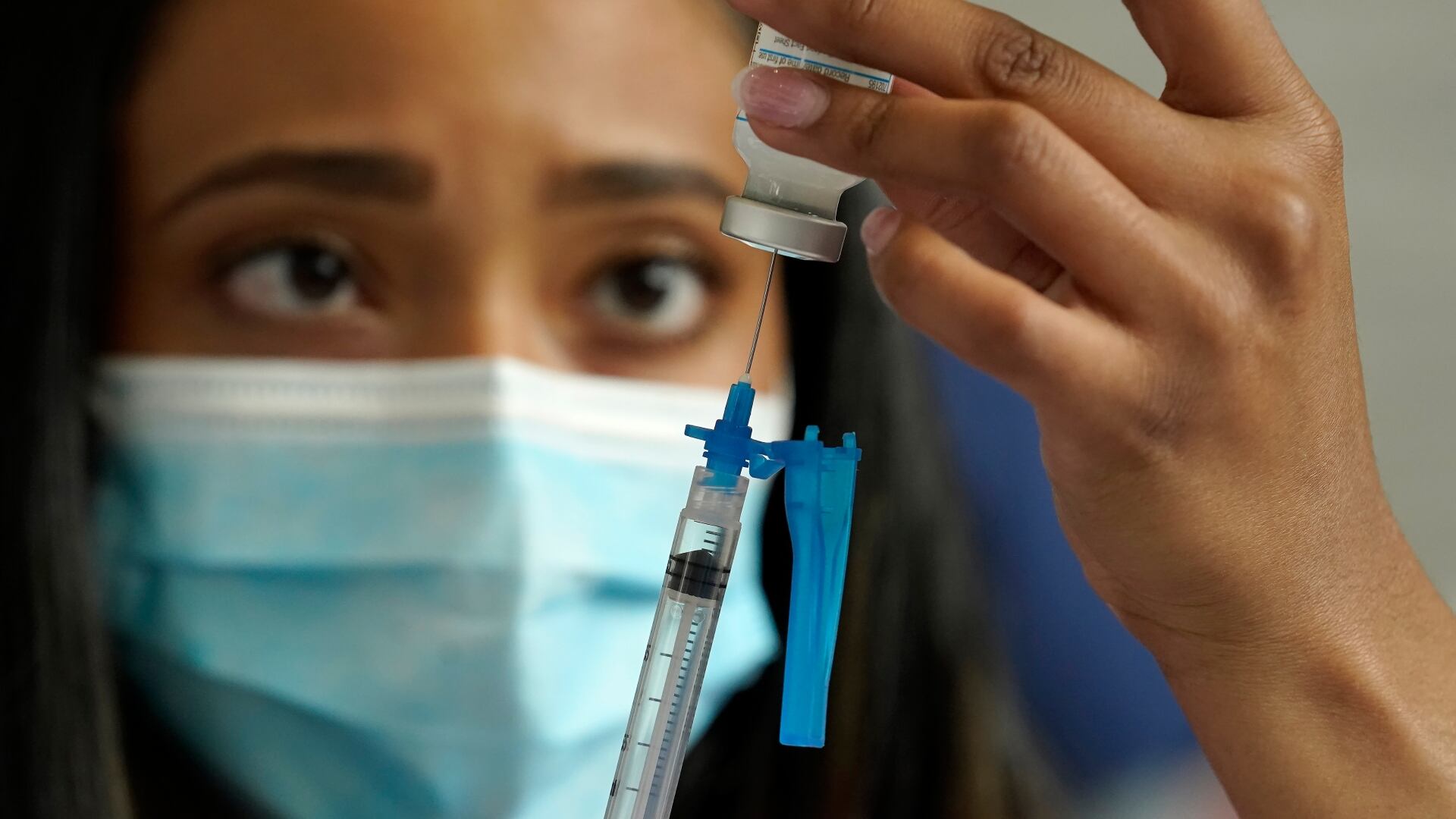
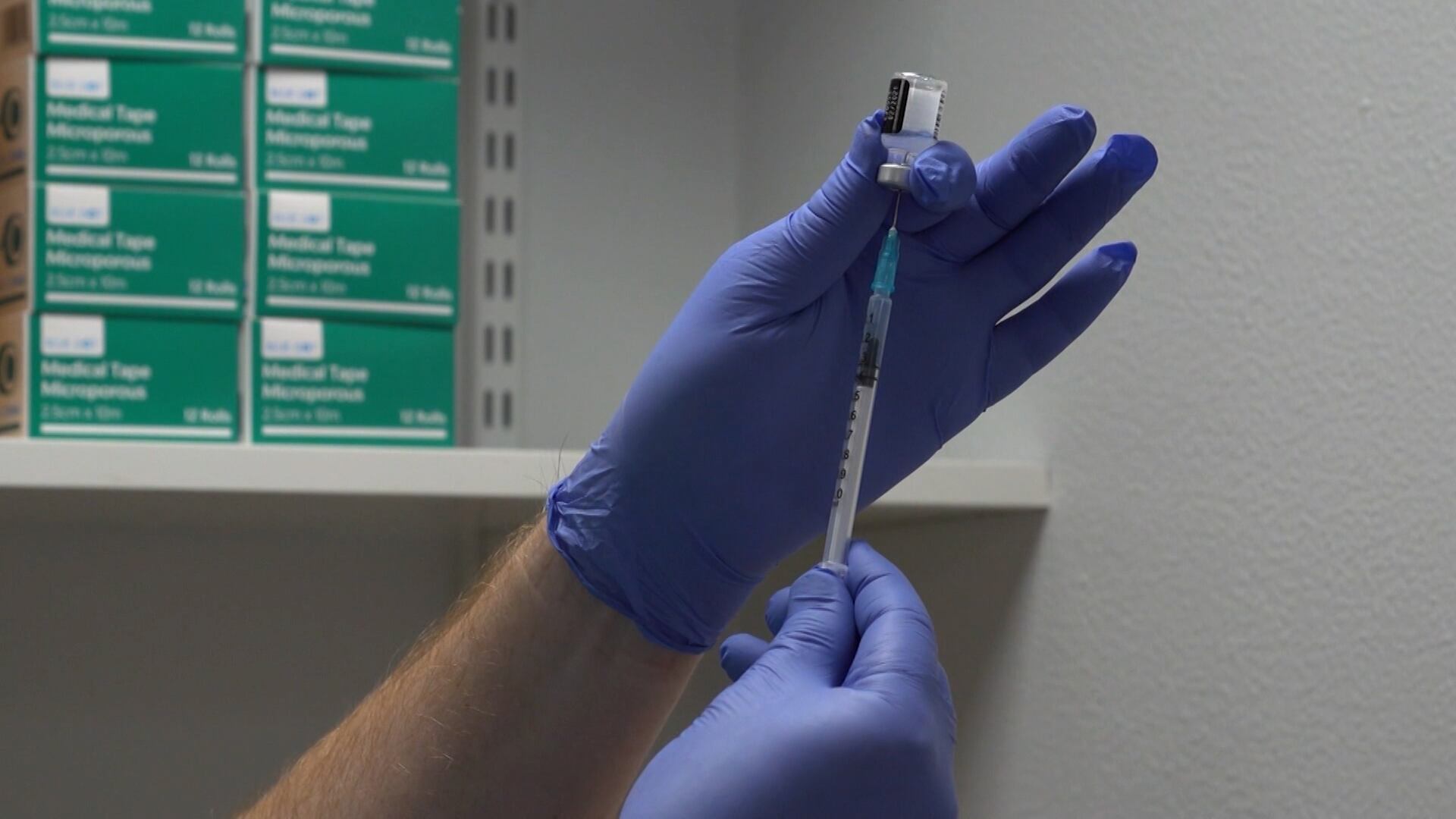
The U.S. reported its first confirmed case of the omicron variant in California on Wednesday. Scientists and health officials are racing to understand the variant, with the WHO saying it's still too early to determine whether it's more contagious, more deadly or more resistant to vaccines than other variants. Omicron has pushed members of the WHO to commit to start talks over a "gobal pandemic treaty" for future pandemic preparedness.
Priti Krishtel, co-founder and co-executive director of the Initiative for Medicines, Access & Knowledge, joins Cheddar Politics to discuss.
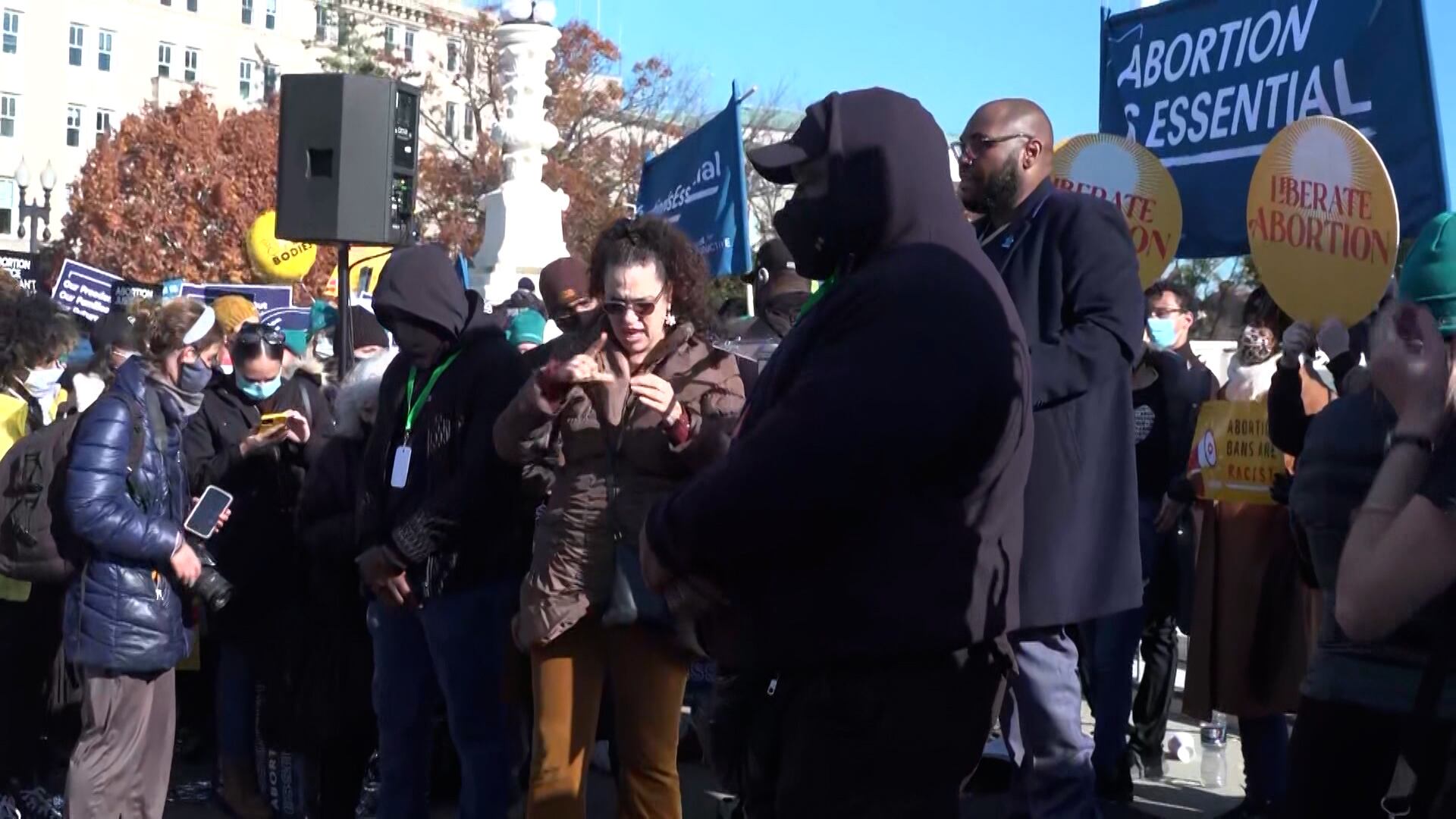
Wednesday was not a good day for those who believe in abortion rights in this country as the Supreme Court heard arguments on a Mississippi abortion law that bans most abortions after 15 weeks of pregnancy. The majority of the court appears poised to roll back abortion rights, and the questions from the conservative justices seemed to indicate the law for nearly 50 years is likely to change.
Jessica Mason Pieklo, senior vice president and executive editor of Rewire News Group, joined Cheddar Politics to discuss Wednesday's hearing.
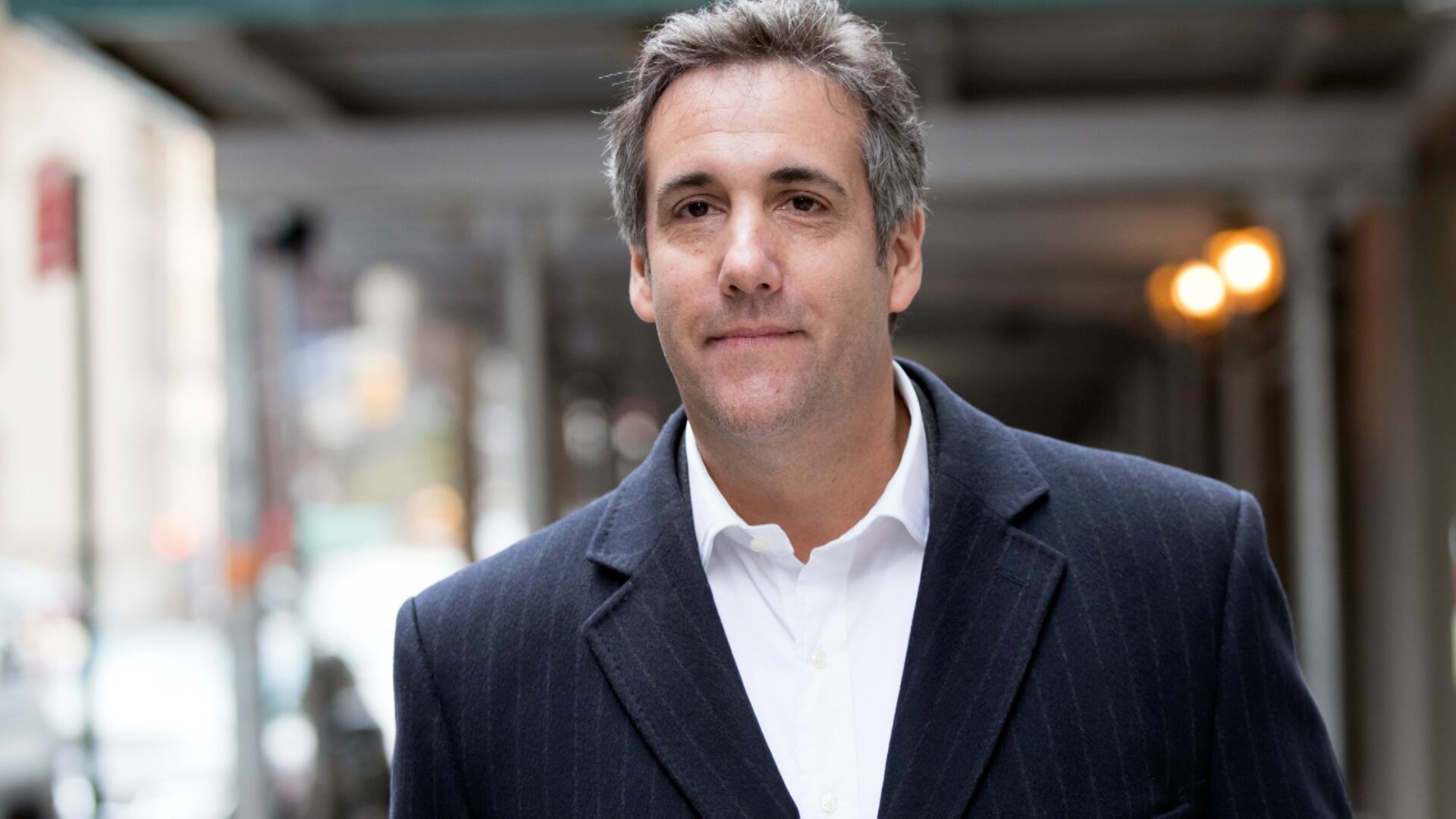
Michael Cohen, Donald Trump's former personal lawyer, has been busy since completing his prison sentence in November. He's getting into the NFT space, selling his federal prison badge and the original manuscript of his book "Disloyal" as NFTs. Cohen joined Cheddar to discuss his latest venture and why he thinks there is still much to be revealed about his case.
Jonathan Adler, Law Professor at Case Western Reserve University, joined Wake Up With Cheddar to discuss Tuesday's ruling and provide legal context to recent battles over vaccine mandates.
Carlo and Baker wrap up the week talking about the Biden economic boom that no one seems to notice, a verdict in the Jussie Smollett case, the first Starbucks union in America and the pleasures of the "dude nod."
A new bill in Congress shows just how bipartisan cannabis really is. Rep. David Joyce, a Republican from Ohio, teamed up with progressive Rep. Alexandria Ocasio-Cortez on a cannabis expungement bill. Cheddar cannabis reporter Chloe Aiello spoke with the congressman about the legislation.
The Congressional Progressive Caucus have lined up to support the Thirty-Two Hour Workweek Act introduced by Rep. Mark Takano (D-Calif. 41st District). The representative joined Cheddar to discuss how instituting a four-day workweek in the United States can be beneficial for both employees with the need of a work-life balance and employers looking both to retain talent amid a labor shortage and improve efficiency in their workforces. "We live in a different time than 90 years ago when we established a 40-hour workweek," he said. "We've had a lot of technological changes, the American worker is exponentially more productive than previous generations, so it's time to reexamine Americans and the way in which they relate to work."