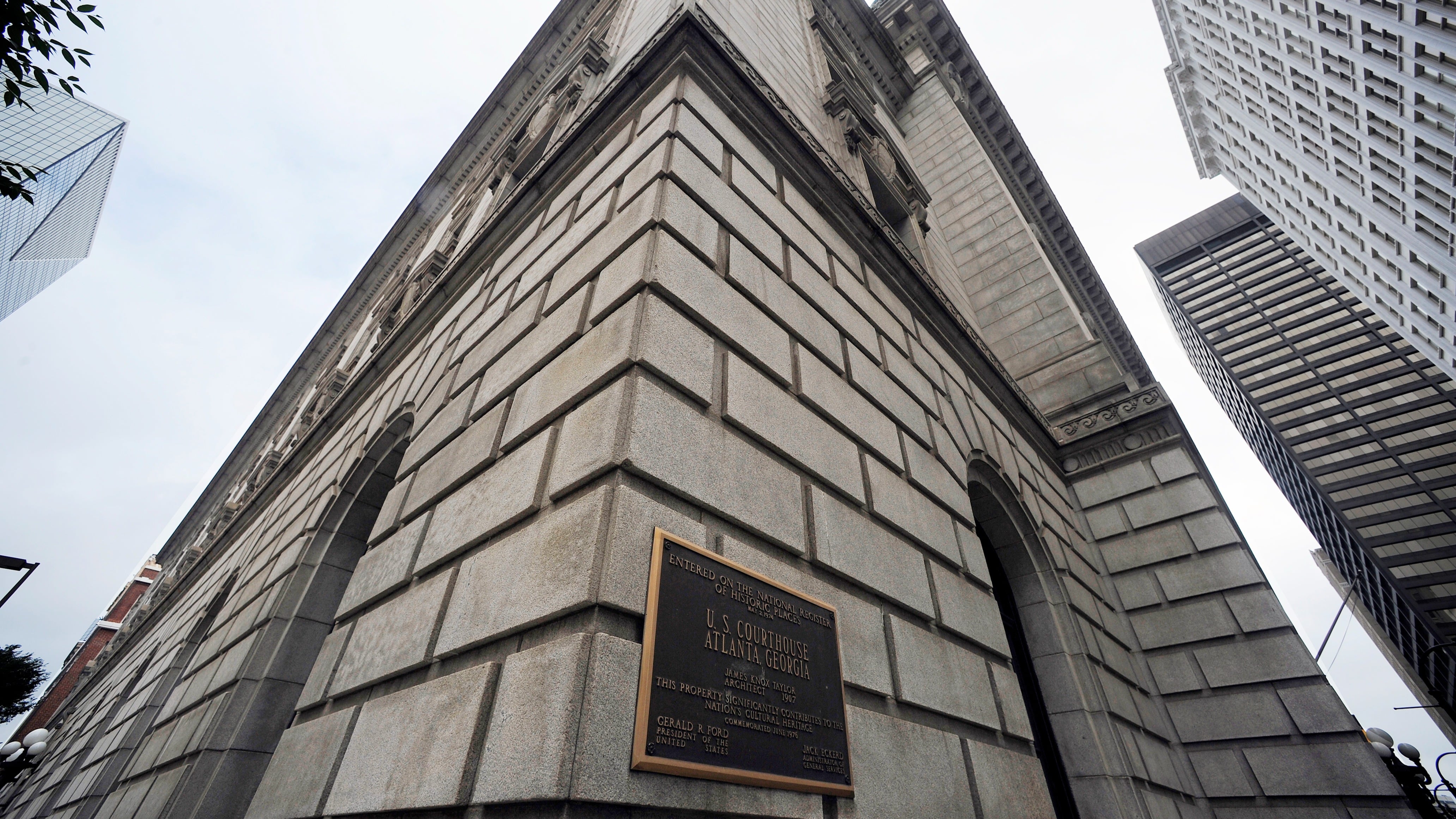
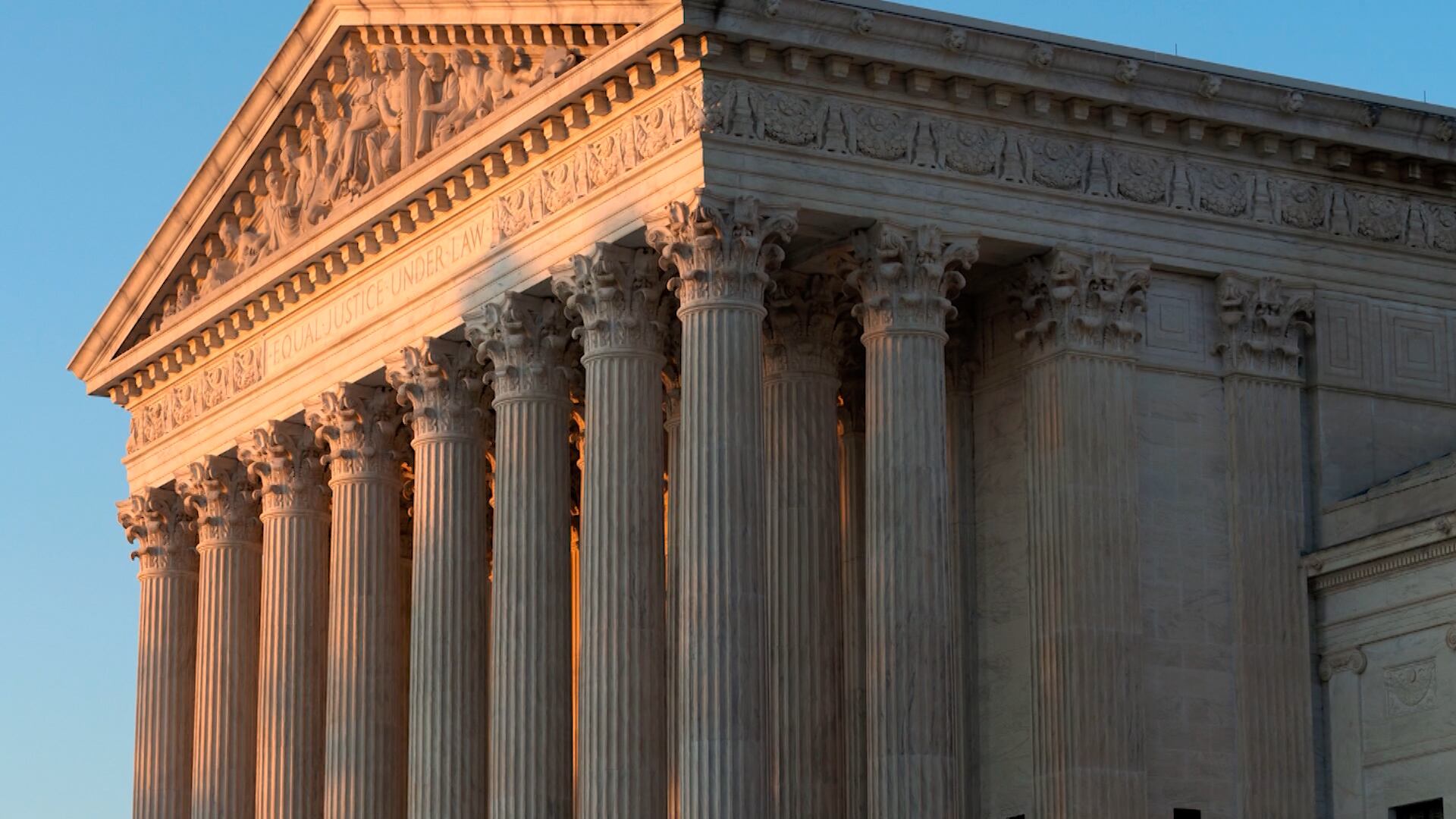
This July 21, 2012, file photo, shows the exterior of the U.S. Courthouse for the 11th U.S. Circuit Court of Appeals in Atlanta. (AP Photo/Mike Stewart, File)
By Alexandra Olson
A grant program for businesses run by Black women was temporarily blocked by a federal appeals court in a case epitomizing the escalating battle over corporate diversity policies.
The 2-1 decision by the Atlanta-based 11th U.S. Circuit Court of Appeals temporarily prevents the Fearless Fund from running the Strivers Grant Contest, which awards $20,000 to businesses that are at least 51% owned by Black women, among other requirements.
In a statement Sunday, the Atlanta-based Fearless Fund said it would comply with the order but remained confident of ultimately prevailing in the lawsuit. The case was brought by the American Alliance for Equal Rights, a group run by conservative activist Edward Blum, who argues that the fund violates a section of the Civil Rights Act of 1866, which prohibits racial discrimination in contracts. “We strongly disagree with the decision and remain resolute in our mission and commitment to address the unacceptable disparities that exist for Black women and other women of color in the venture capital space,” the Fearless Fund said.
The order, issued Saturday, reversed a ruling Tuesday by U.S. District Judge Thomas W. Thrash which denied the American Alliance's request to halt the program. The majority on the three-judge panel wrote that the Fearless Fund's program's is “racially exclusionary” and that Blum's group is likely to prevail.
“The members of the American Alliance for Equal Rights are gratified that the 11th Circuit has recognized the likelihood that the Fearless Strivers Grant Contest is illegal,” Blum said in a statement. “We look forward to the final resolution of this lawsuit.”
In his dissent, Judge Charles R. Wilson said it was a “perversion of Congressional intent” to use the 1866 act against the Fearless Fund's program, given that the Reconstruction-era law was intended to protect Black people from economic exclusion. Wilson said the lawsuit was unlikely to succeed.
The case has become a test case as the battle over racial considerations shifts to the workplace following the U.S. Supreme Court’s June ruling ending affirmative action in college admissions.
The grant contest is among several programs run by the Fearless Fund, which was established to bridge the gap in funding access for Black female entrepreneurs, who receive less than 1% of venture capital funding. To be eligible for the grants, a business must be at least 51% owned by a Black woman, among other qualifications.
The Fearless Fund has enlisted prominent civil rights lawyers, including Ben Crump, to defend against the lawsuit. The attorneys have argued that the grants are not contracts, but donations protected by the First Amendment.
In its majority opinion, the appellate panel disagreed, writing that the First Amendment “does not give the defendants the right to exclude persons from a contractual regime based on their race.”
As the Omicron variant continues to sweep across the country. The US Supreme Court is expected to hear arguments at the end of this week on whether or not the Biden administration can force private companies to vaccinate or test millions of their employees. In addition, the National Nurses United has spearheaded legal action to protect nurses and health care workers, patients, and the public while on the job. President of the National Nurses Union, Zenei Cortez, joined Cheddar to discuss more.
Far too often, Americans are forced to navigate a tangled web of outdated government websites, offices way out of their reach, and hours of time 'on hold' to access the simple government services they depend on. A recent executive order, signed by President Biden, is intended to improve, streamline and modernize the 'customer' experience when accessing government services. Mina Hsiang, the administrator of the United States Digital Service, joins Cheddar News to discuss how the tech workforce is impacted by this executive order.
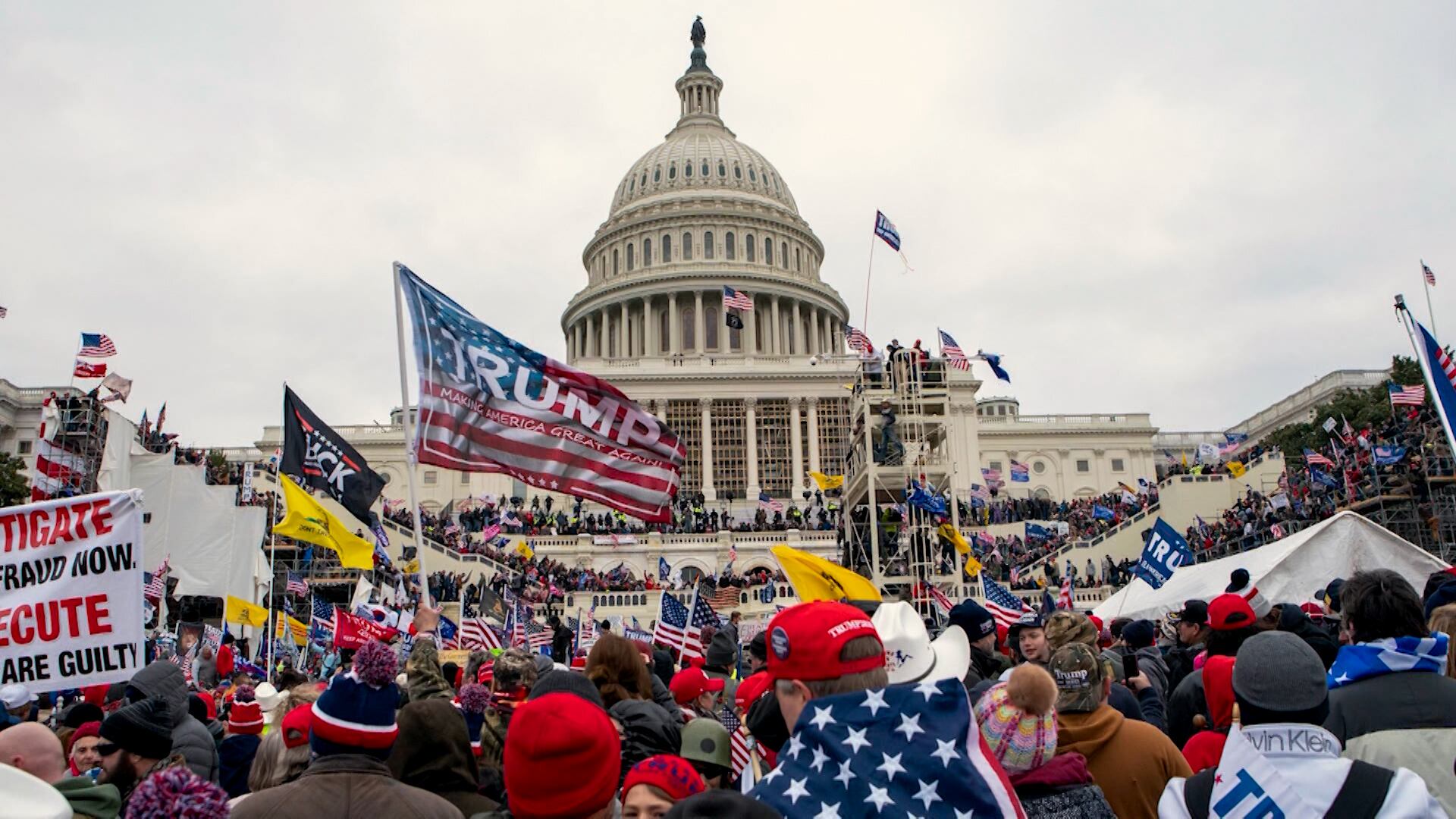
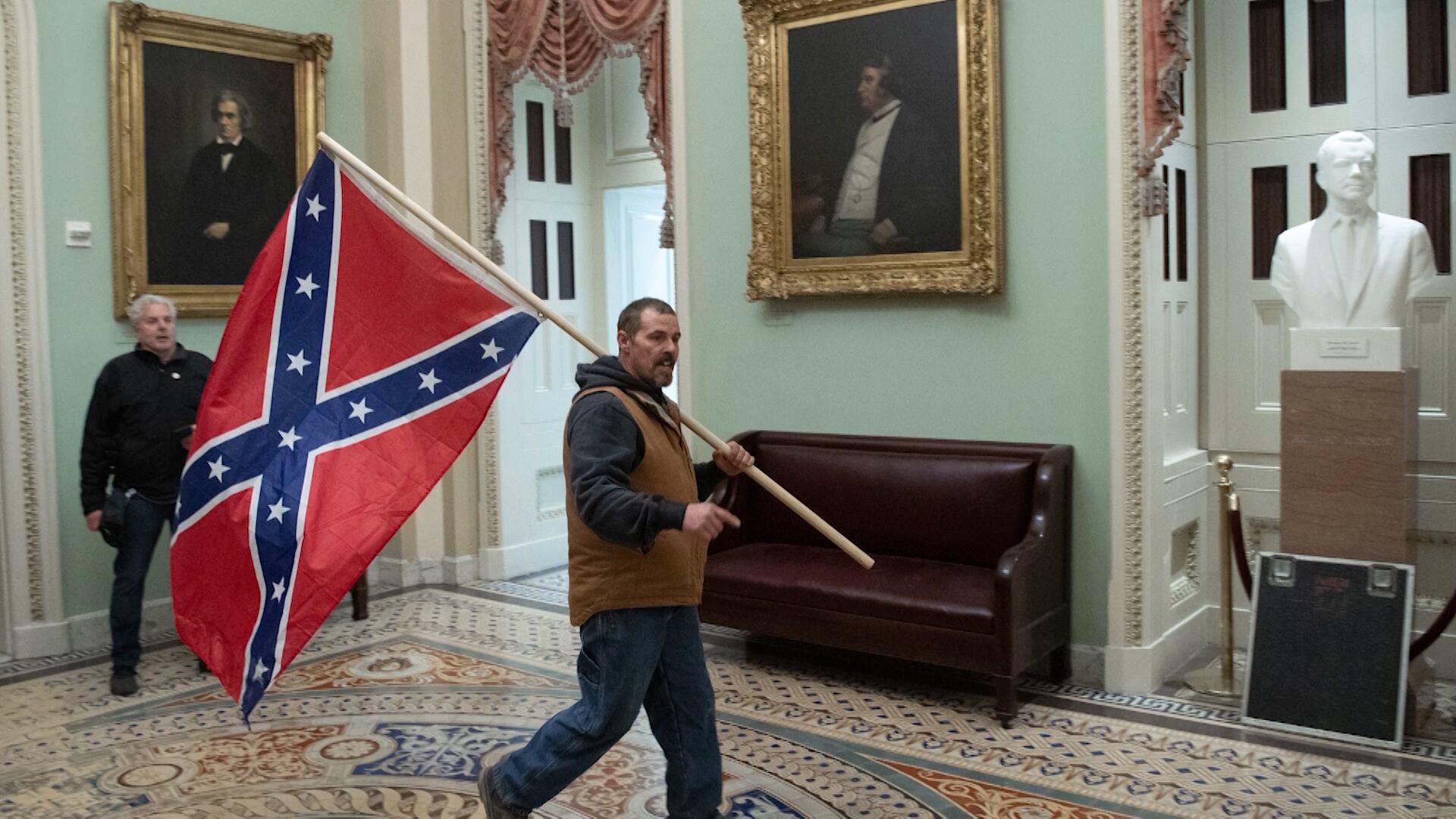
Today marks one year since the January 6 Attack on the United States Capitol. The Country watched as supporters of then-President Trump stormed what was assumed to be the most secure building in the country in an attempt to stop the certification of the 2020 Election. Several lawmakers, including the Vice President, could be seen ducking down as they feared for their lives. Democratic Michigan Representative Dan Kildee, joined Cheddar to discuss more.
Stocks closed lower on Friday as investors continue to worry over rate hikes. John Lynch, CIO of Comerica Wealth Management, joins Cheddar News' Closing Bell, where he says value is back in play with investors. Lynch also believes the market has overreacted to the latest Fed minutes, suggesting a bounce-back at some point.
Ben Armstrong, founder of Bitboy Crypto, joins Cheddar News to discuss Bitcoin's downward trend and what's next for crypto after protests in Kazakhstan cause crypto miners to shut down.
Washington, D.C. Attorney General Karl Racine joins Cheddar Politics to discuss his lawsuit against the extremist groups Proud Boys and Oath Keepers over their role in the January 6 attack on the U.S. Capitol.
Josh Pasek, a professor at the University of Michigan and expert on political communication and misinformation, joins Cheddar News to discuss how political radicalization happens and how America got to this point.
Kyle Kondik, managing editor at Sabato's Crystal Ball at the University of Virginia Center for Politics, joins Cheddar News to discuss what to expect at the 2022 midterm elections.
Katie Barlow, media editor at SCOTUSblog, joins Cheddar Politics to reflect on what happened at the Supreme Court in 2021 and what may be in store for 2022.
Gerren Keith Gaynor, managing editor of politics and Washington correspondent at The Grio, joins Cheddar Politics to discuss the progress President Biden made on his policy agenda in 2021, and what remains to be done in 2022.