This July 21, 2012, file photo, shows the exterior of the U.S. Courthouse for the 11th U.S. Circuit Court of Appeals in Atlanta. (AP Photo/Mike Stewart, File)
By Alexandra Olson
A grant program for businesses run by Black women was temporarily blocked by a federal appeals court in a case epitomizing the escalating battle over corporate diversity policies.
The 2-1 decision by the Atlanta-based 11th U.S. Circuit Court of Appeals temporarily prevents the Fearless Fund from running the Strivers Grant Contest, which awards $20,000 to businesses that are at least 51% owned by Black women, among other requirements.
In a statement Sunday, the Atlanta-based Fearless Fund said it would comply with the order but remained confident of ultimately prevailing in the lawsuit. The case was brought by the American Alliance for Equal Rights, a group run by conservative activist Edward Blum, who argues that the fund violates a section of the Civil Rights Act of 1866, which prohibits racial discrimination in contracts. “We strongly disagree with the decision and remain resolute in our mission and commitment to address the unacceptable disparities that exist for Black women and other women of color in the venture capital space,” the Fearless Fund said.
The order, issued Saturday, reversed a ruling Tuesday by U.S. District Judge Thomas W. Thrash which denied the American Alliance's request to halt the program. The majority on the three-judge panel wrote that the Fearless Fund's program's is “racially exclusionary” and that Blum's group is likely to prevail.
“The members of the American Alliance for Equal Rights are gratified that the 11th Circuit has recognized the likelihood that the Fearless Strivers Grant Contest is illegal,” Blum said in a statement. “We look forward to the final resolution of this lawsuit.”
In his dissent, Judge Charles R. Wilson said it was a “perversion of Congressional intent” to use the 1866 act against the Fearless Fund's program, given that the Reconstruction-era law was intended to protect Black people from economic exclusion. Wilson said the lawsuit was unlikely to succeed.
The case has become a test case as the battle over racial considerations shifts to the workplace following the U.S. Supreme Court’s June ruling ending affirmative action in college admissions.
The grant contest is among several programs run by the Fearless Fund, which was established to bridge the gap in funding access for Black female entrepreneurs, who receive less than 1% of venture capital funding. To be eligible for the grants, a business must be at least 51% owned by a Black woman, among other qualifications.
The Fearless Fund has enlisted prominent civil rights lawyers, including Ben Crump, to defend against the lawsuit. The attorneys have argued that the grants are not contracts, but donations protected by the First Amendment.
In its majority opinion, the appellate panel disagreed, writing that the First Amendment “does not give the defendants the right to exclude persons from a contractual regime based on their race.”
President Biden announced a ban on Russian oil and natural gas imports to the U.S. in response to its invasion of Ukraine, a move he warned could lead to an even greater surge in gas prices. The ban is prompting a conversation about the current oil production levels in the U.S. and whether or not the industry can ramp up production to soften the blow to American families at the gas pump. Clark Williams-Derry, Energy Finance Analyst with the Institute for Energy Economics and Financial Analysis, breaks down the state of the U.S. oil industry and how the ban might impact production levels here at home.
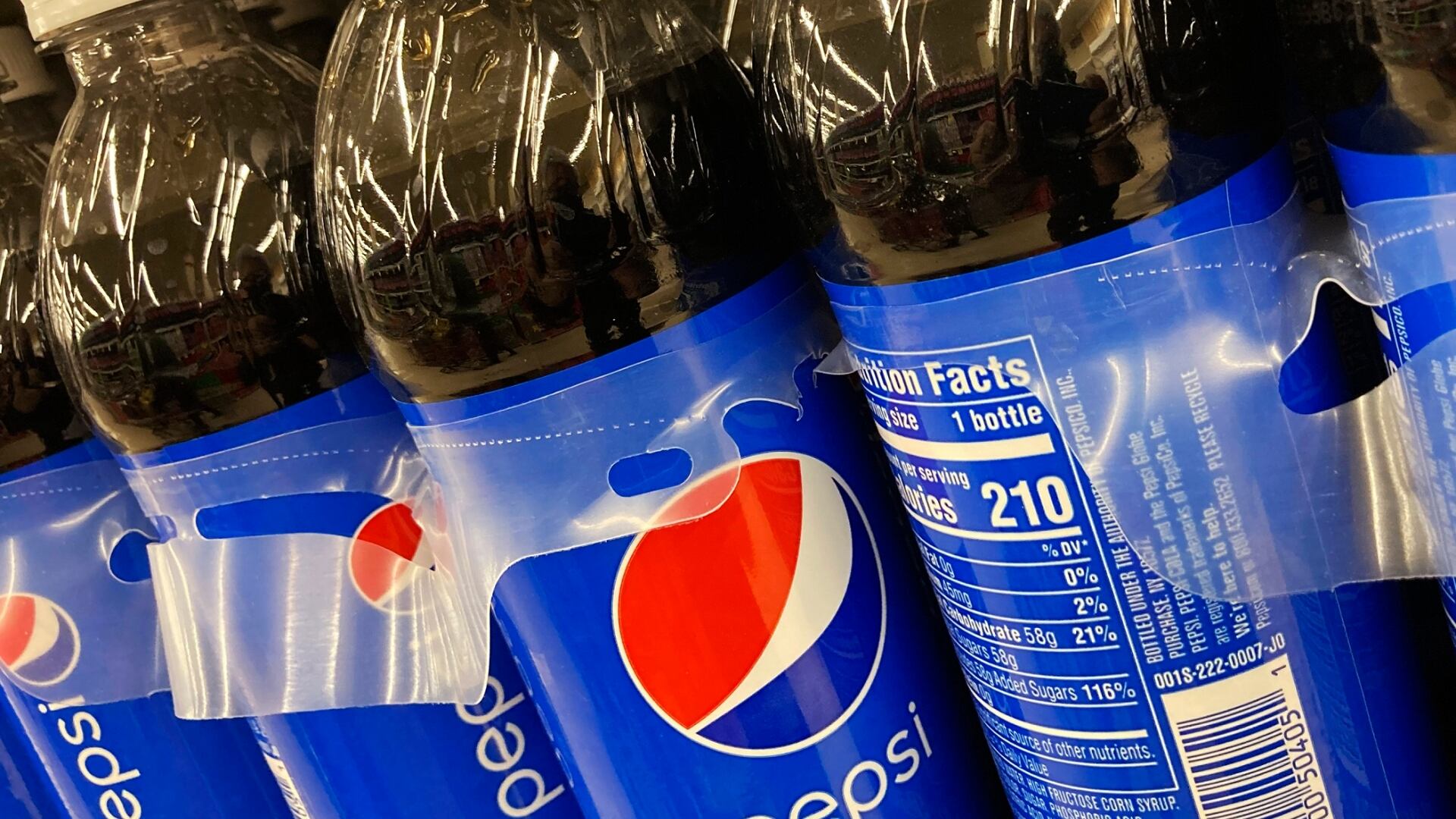
PepsiCo, Coca-Cola, McDonald’s, and Starbucks are the latest American food brands to have halted business operations in Russia after having faced scrutiny and criticism for originally failing to do so amid the country's invasion of Ukraine.
As Russia intensifies its war on Ukraine, President Biden announced a ban on oil imported from the aggressor nation. Critics of Russia have said this would be the best way to force Putin to pull back, but curbs on Russian oil exports are expected to send already skyrocketing oil and gas prices even higher, further impacting consumers, businesses, financial markets, and the global economy. Leslie Beyer, CEO of the Energy Workforce and Technology Council, joined Cheddar News' Closing Bell to discuss. "It's certainly going to increase pricing, but it is the right thing to do," she said. "The industry itself has already pulled out of the significant portion of its operations in Russia."
Sports Betting in the U.S. is booming. According to industry experts, we could see another boom this year as more states move towards statewide legalization of sports wagering. While this comes as huge news for fans, there are some very real concerns as to whether or not sports betting potentially poses a threat to public health. Senior Clinician at the Caron Treatment Centers, Eric Webber, joined Cheddar to discuss more.
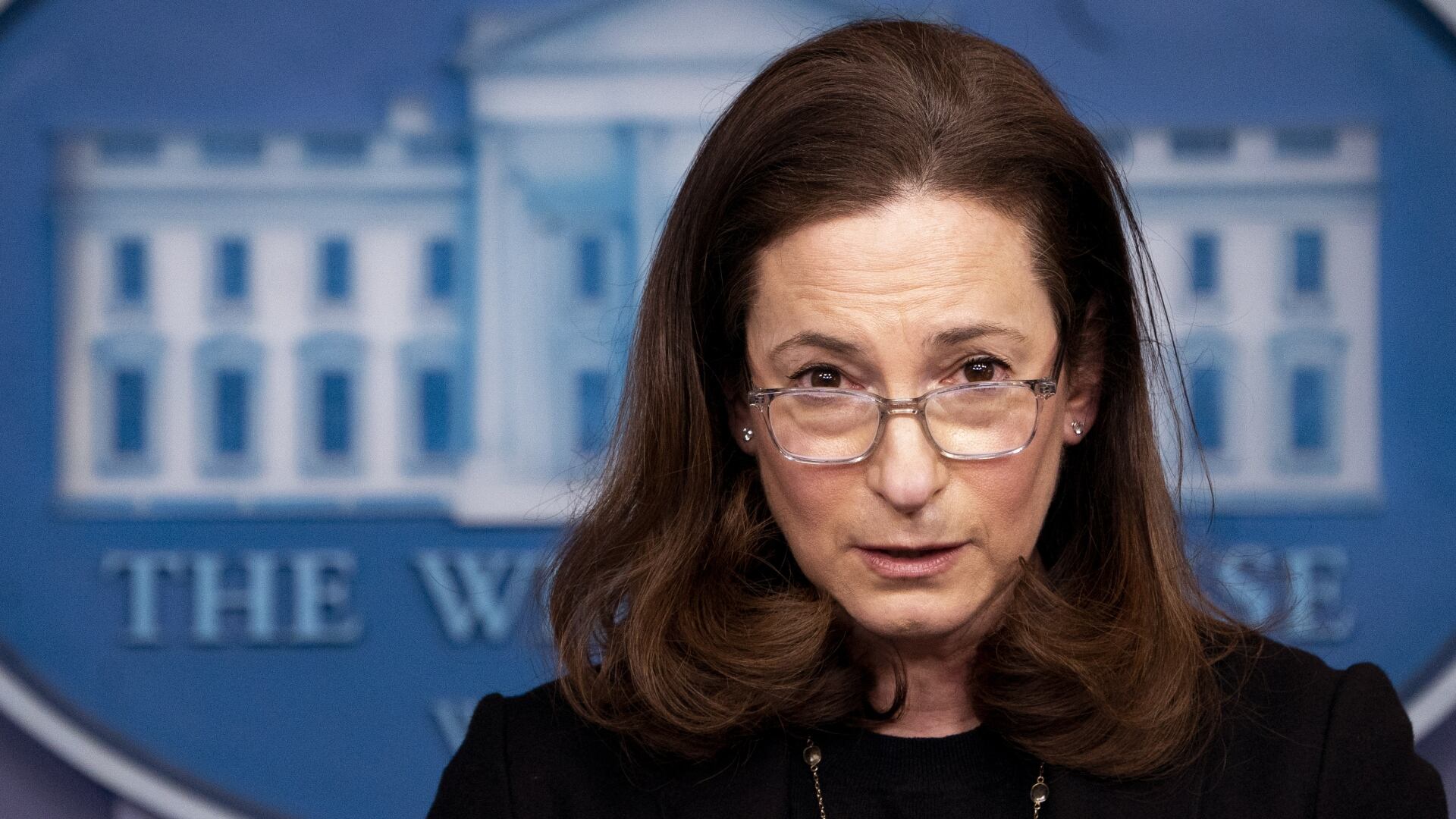
The Biden administration has made gender policy a core part of how it governs. The president established the first Gender Policy Council. It's on the same level as the National Security Council, Domestic Policy Council and National Economic Council, putting the interests of women and other underserved groups at the table for the most important policy discussions.
Cheddar News sat down with Jennifer Klein, executive director and co-chair of the White House Gender Policy Council, to discuss the council's work and its significance during Women's History Month.
State Representative Jessica González, Vice Chair of the Texas House LGBTQ Caucus, joins Cheddar News to discuss the latest Texas anti-transgender directive.
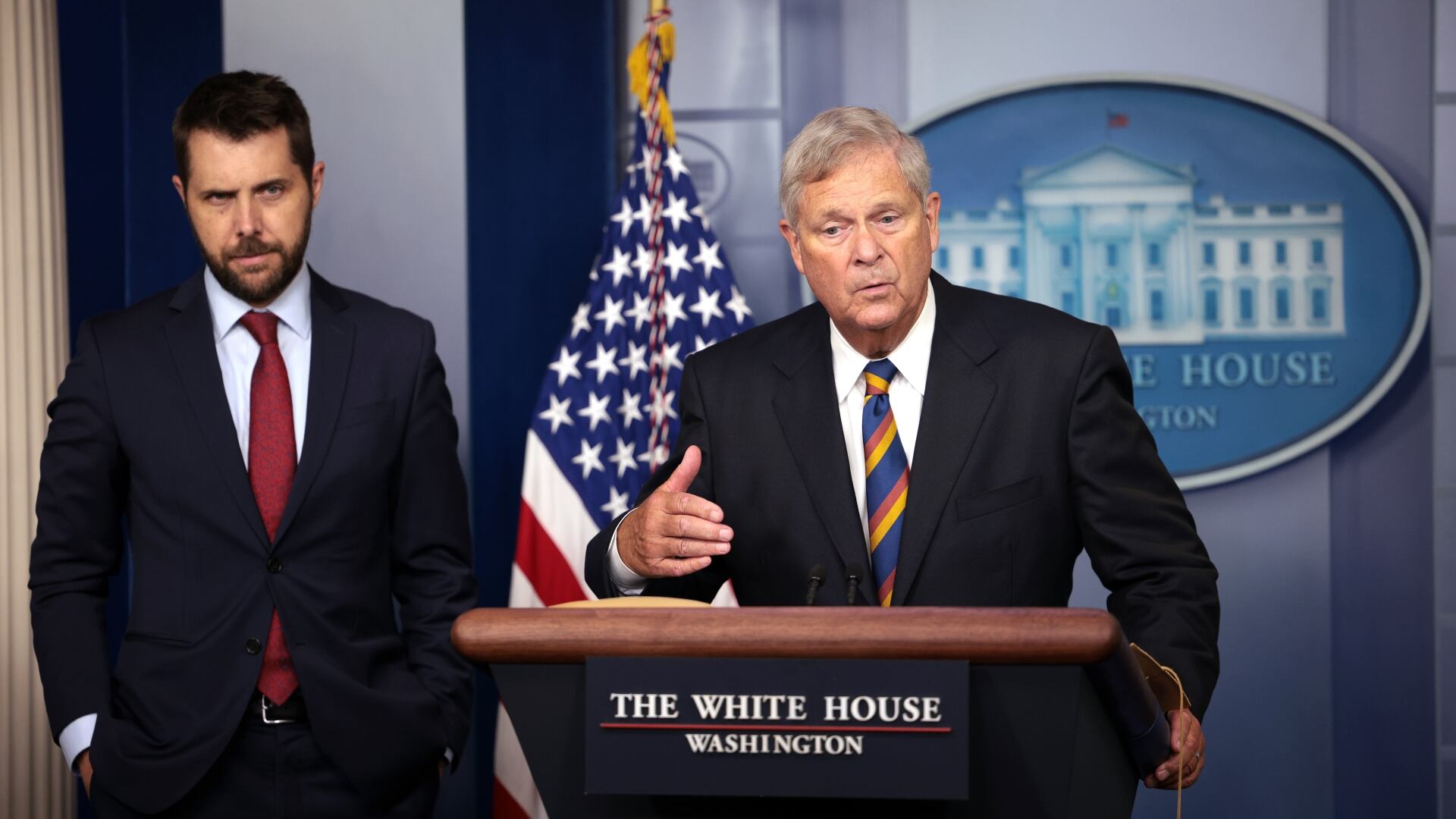
The United States Secretary of Agriculture, Tom Vilsack joins None of the Above to discuss the newly emerging conflict in Europe, what it means for agriculture in the states, dairy and meat consumption, and how the department is planning to promote climate-smart agriculture.
Tens of thousands of people have fled Ukraine in attempts to escape the Russian Invasion. According to the U.N. neighboring countries like Poland, Hungary, and even Romania have seen half a million refugees. While the hospitality is being welcomed by many, it also highlights the mistreatment of migrants and refugees from the Middle East and Africa. Professor of Philosophy and Director of Politics at Northeastern University Serena Parekh, joined Cheddar, to discuss more.
As Russia unleashed war in the country of Ukraine, global leaders have started inflicting punishment on Vladimir Putin's regime via commercial and financial penalties. According to President Joe Biden Putin's aggression is "a flagrant violation of international law and it demands a firm response from the international community".However, the main question is will these sanctions actually work. Partner at Jenner & Block LLP, Rachel Alpert, joined Cheddar to discuss more.