Joe Walsh, one of the few Republicans mounting a presidential challenge to President Trump, said he will not vote to re-elect the president if his bid for the GOP's 2020 nomination fails.
"Hell no," Walsh told Cheddar on Thursday. "I'm running because I think he is unfit and I think he is a danger to this country. I could never support that."
Walsh, a former Congressman from Illinois and conservative radio host, launched his campaign last month by trying to make the case that Trump is uniquely and morally unfit to lead the nation. His bid, however, is widely seen as quixotic given the strong support for Trump among Republican voters and the GOP establishment. Several polls put Trump's approval ratings among Republicans as high as 80 to 90 percent.
Yet Walsh, who was elected to Congress as a staunch Tea Party Republican and was an ardent supporter of Trump in 2016, said the president is "destroying in the Republican brand" with his rash behavior — and that support for him endures simply because there is no Republican alternative.
"This guy in the White House lies almost every time he opens his mouth. He's cruel, he's bigoted — he's just mean," Walsh said.
Critics note, however, that Walsh largely came to right-wing prominence peddling conspiracy theories and making bigoted comments himself. Most notably, his repeated false claims that former President Obama is Muslim and was not born in the U.S. On New Years Eve in 2016, for instance, Walsh tweeted "Obama is a Muslim. Happy New Year!"
Walsh has also routinely attacked organizations like Black Lives Matter, defended the use of homophobic slurs, and has been criticized for fanning the flames — and inciting violence — around cultural sensitivities.
In 2016, after several police officers were killed in Dallas, Texas by an African American gunman, Walsh tweeted "This is now war. Watch out Obama. Watch out black lives matter punks. Real America is coming after you." The tweet was quickly deleted but sparked shock and outrage. Months later, when Walsh supported then-candidate Trump, he tweeted that "if Trump loses, I'm grabbing my musket. You in?"
Walsh has since apologized for his lengthy list of bigoted and controversial remarks, including the racist comments about Obama. He also told MSNBC last month that "I wouldn't call myself a racist, but ... I've said racist things on Twitter. There's no doubt about it."
Walsh has also ceded that his language — especially his rhetoric on Twitter — mirrored that of Trump and his ilk; and sowed resentment into certain voting blocks that contributed to Trump's electoral victory. Yet the difference between Trump and himself, Walsh has said, is that he has apologized.
Walsh is joined by former Massachusetts Governor Bill Weld and former South Carolina Congressman Mark Sanford in challenging Trump in the upcoming Republican primary. All three candidates argue that Trump is particularly unqualified to occupy the Oval Office.
"Every day and week that goes by, this president proves more and more that he is unfit and I think Republican voters will welcome a primary challenge," Walsh said.
Walsh and the other candidates, however, faces significant hurdles to beating Trump. Republican officials in several states this week — South Carolina, Nevada, Arizona, and Kansas — canceled their primaries altogether. Foregoing the elections, which proponents and Trump say will save the GOP money, will result in the state's delegates automatically going to Trump.
"We're going to fight it with everything we've got … This kind of thing cannot stand in America," Walsh said regarding the canceled primaries, which he said disenfranchises Republican voters.
Trump on Monday dismissed his challengers, saying "I don't even know who they are ... I guess it's a publicity stunt."
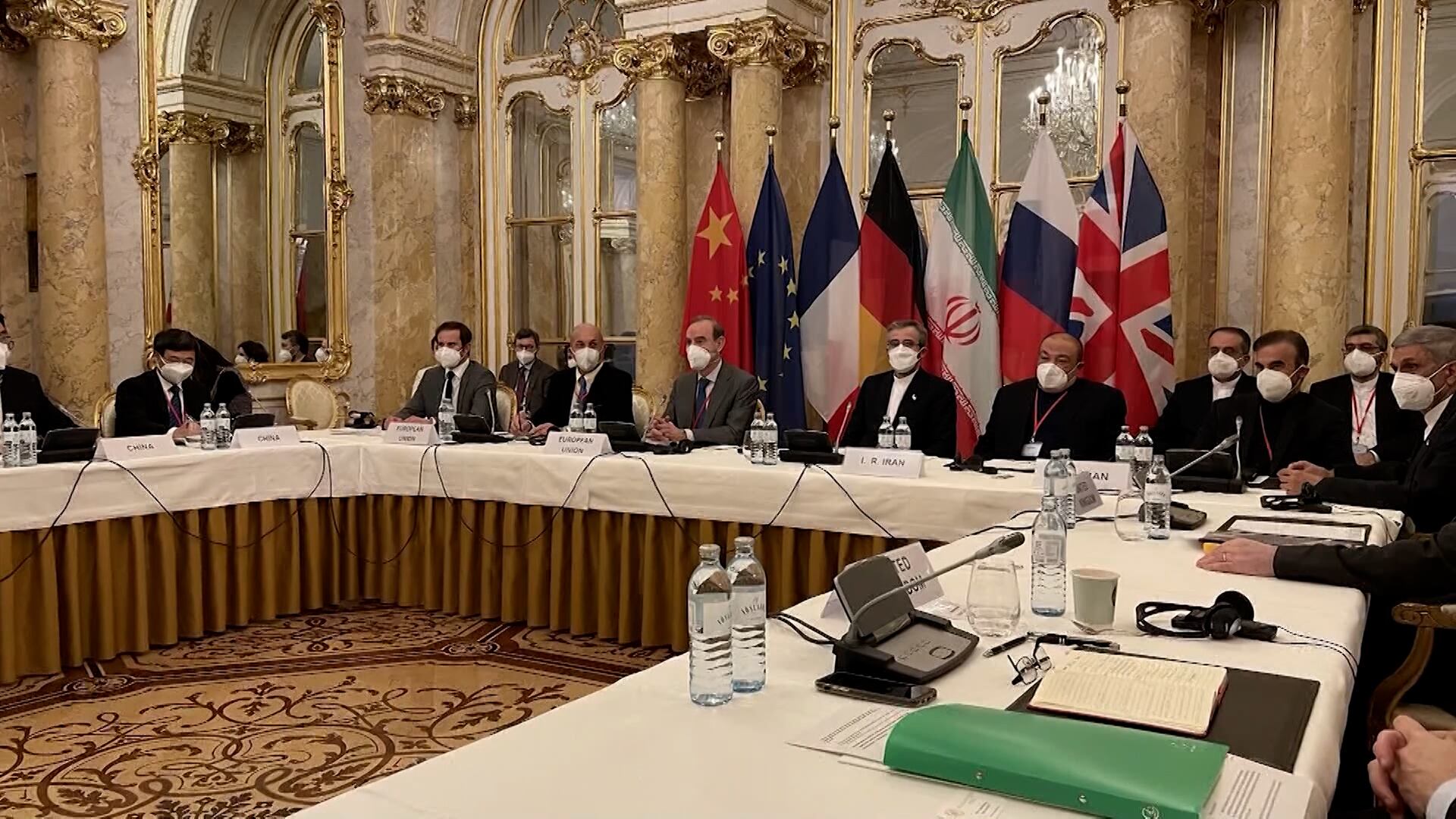
The U.S. is back in negotiations for a nuclear deal with Iran, years after former President Donald Trump withdrew the country from the Joint Comprehensive Plan of Action (JCPOA), which had been meant to curtail the Middle Eastern nation's nuclear ambitions. Former State Department senior advisor to the George W. Bush and Trump administrations, Christian Whiton, joined Cheddar News Wrap to discuss. “It appears to be very similar to the original JCPOA, which does put some constraints on Iran's nuclear program, but also has sunset provisions, including some that in the original plan were expected to take effect in 2025," he said. "And so, if we just reenter that plan, really it just buys perhaps a few years of slowing down, stopping, whatever you want to say, Iran's nuclear program."
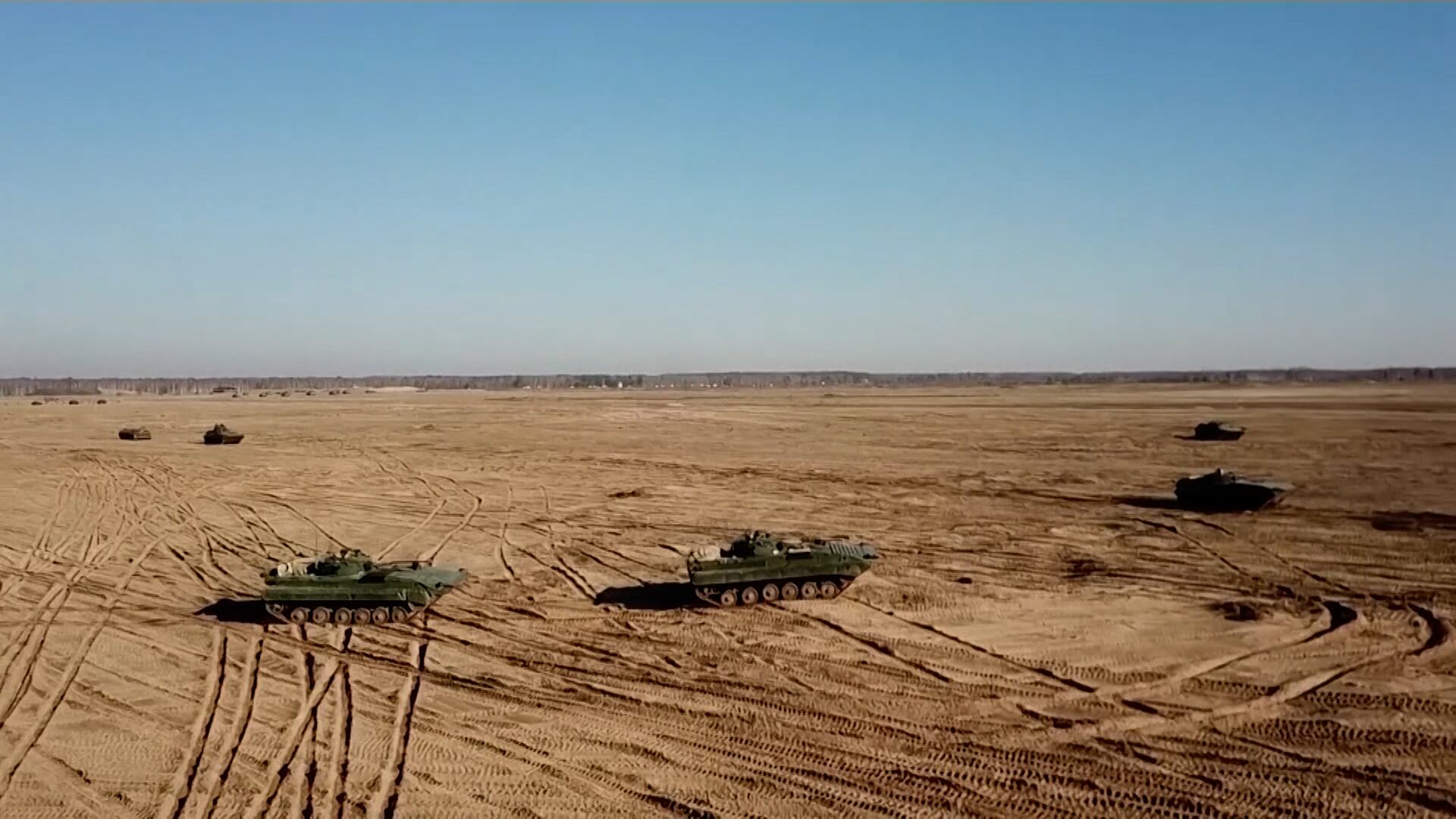
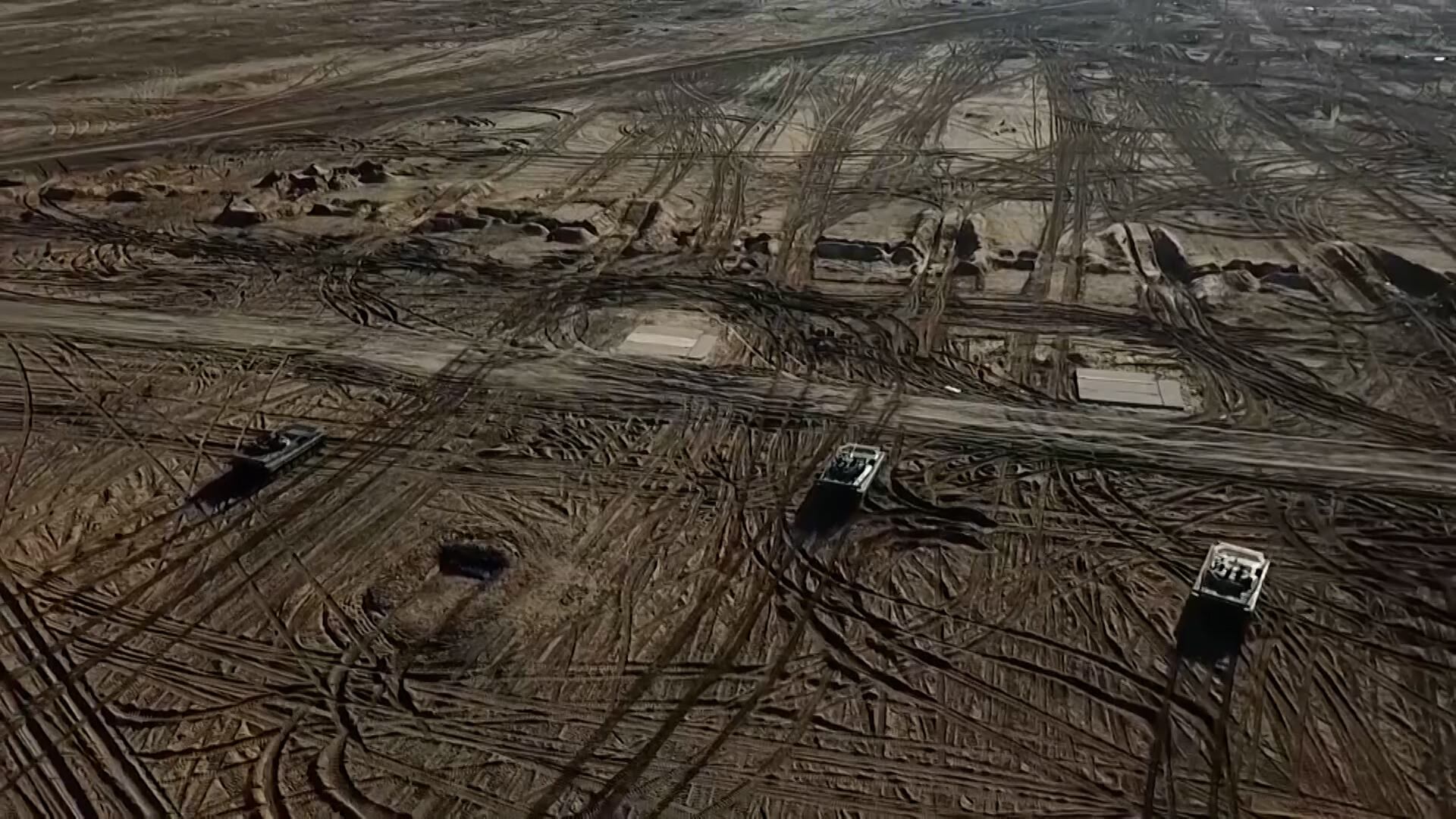
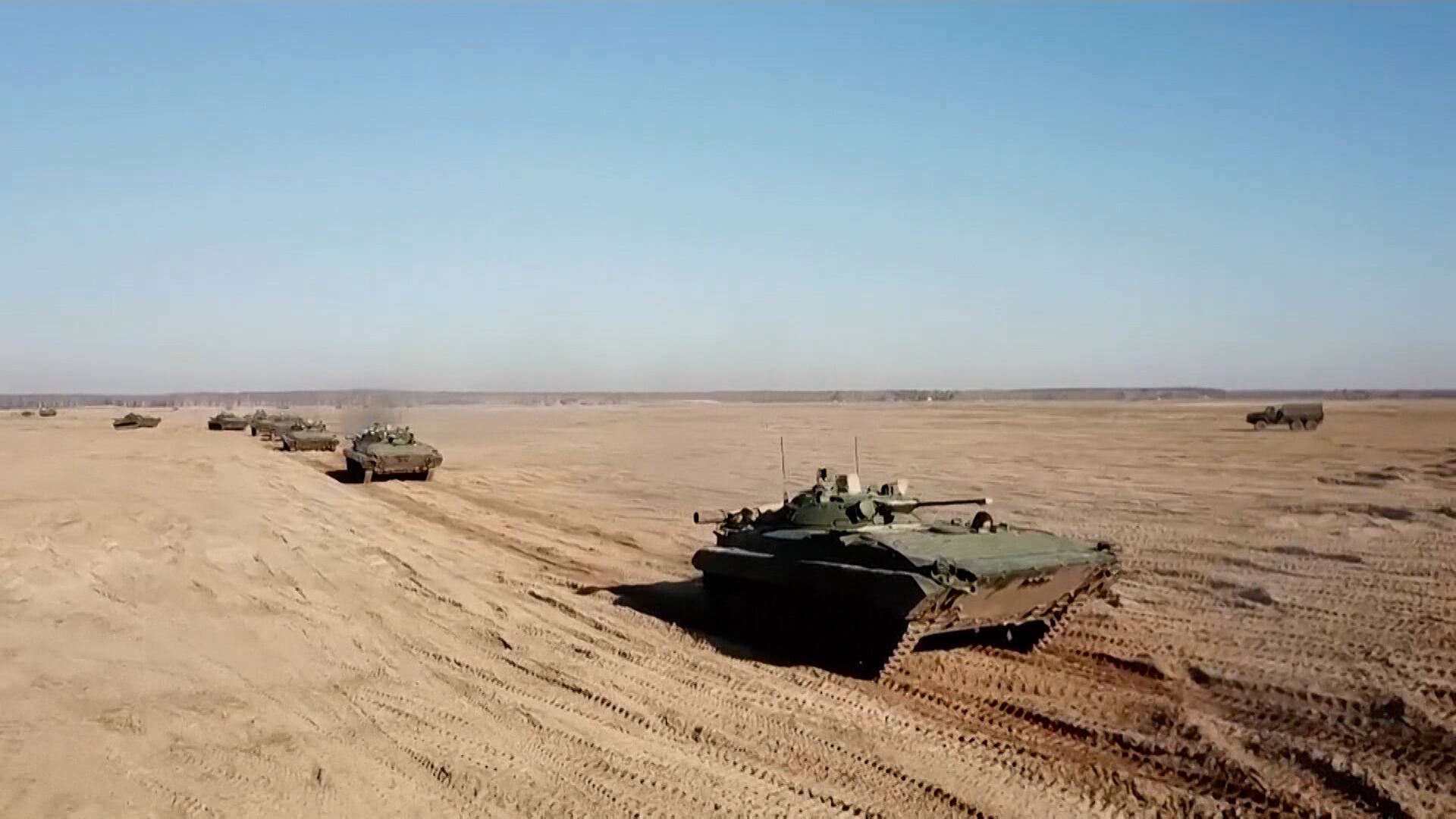
The U.S. has announced the first of what could be multiple levels of sanctions against Russia after Moscow recognized two regions of Ukraine as independent. This comes as Britain imposes sanctions on five Russian banks and two oligarchs, and Germany freezes the Nord Stream gas pipeline. Terrell Star, a foreign affairs reporter at The Atlantic Council, joins from Kyiv to discuss.
Growing tensions in Ukraine might soon be impacting consumers in the United States. With Russia on an invasion footing in the region, gas prices are predicted to go up 10 to 15 cents a gallon in the next coming weeks, according to Robert Sinclair, spokesperson for AAA. Sinclair joined Cheddar to break down what could happen even further. "We've been seeing prices go up, and there's been nothing that's happened to affect supplies," he said. "But it's something known as the fear tax where just the talk of something that might interfere with supplies leads to prices going up speculatively."
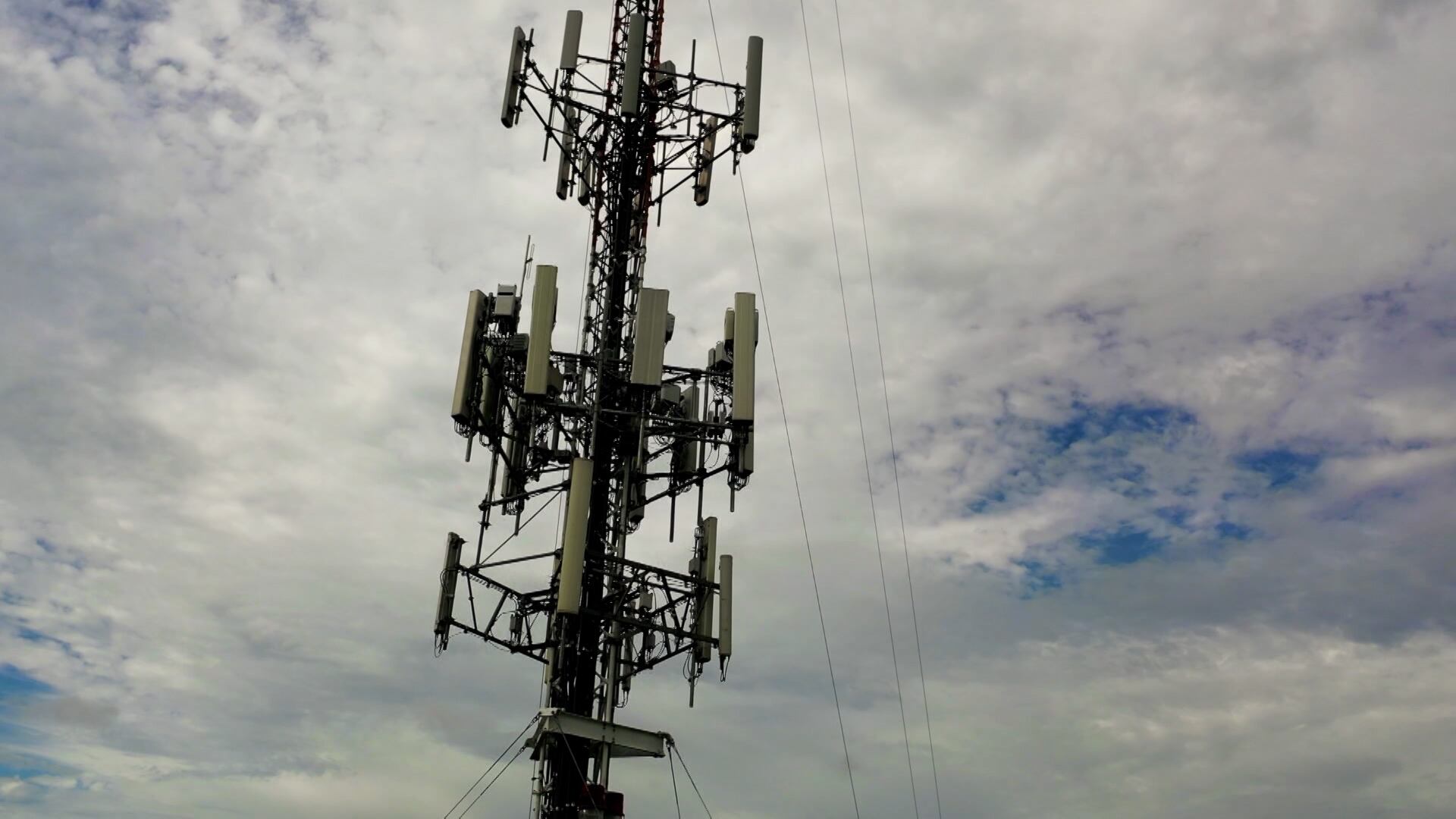
The end of 3G is upon us. On Tuesday, AT&T became the first major provider to disable its 3G services, and T-Mobile and Verizon plan to follow suit later this year. The shutdowns are expected to impact millions of vehicles that use 3G networks for updates, remote connection, and certain emergency and convenience features. Lance Ulanoff, the U.S. Editor-in-Chief of TechRadar, joined Cheddar's Closing Bell to discuss the ramifications of the changeover.
A new report shows nearly 240 former officials in Congress, the White House, and regulatory agencies have changed careers to work in the crypto industry.
President Biden unveiled new economic sanctions on Russia for what he called "the beginning of a Russian invasion". This came one day after Putin sent troops into two breakaway regions of eastern Ukraine. Alex Ward, national security reporter for POLITICO, explains what these sanctions might do to the global economy.
U.S. stocks ended today's session sharply lower on the heels of rising geopolitical tensions between Russia and Ukraine. Melissa Brown, Managing Director of Applied Research at Qontigo, joins Cheddar News' Closing Bell to discuss.
President Joe Biden said Tuesday that the U.S. will begin to impose sanctions on Russia, calling recent troop movement into Ukraine an 'invasion.' Biden and other government officials including from the State Department have begun to classify the Russian troop movement as an invasion after Russian President Vladimir Putin ordered troops to two independent Ukrainian areas in an alleged "peacekeeping" mission — which the West considers an act of aggression. Biden said Russia will continue to pay 'an even steeper price' if it continues sending troops into Ukraine. What happens next? Will Putin find a way around these sanctions? Ariel Cohen, senior fellow at the Atlantic Council, joins Closing Bell to discuss Biden's remarks, how the West will protect Ukraine since it doesn't belong to NATO, and more.