*By Jacqueline Corba*
Google's navigation app Waze expanded its carpool service on Wednesday to reach commuters across the U.S.
"We want to help everyone reduce traffic," the company's head of carpool, Josh Fried, told Cheddar Rides.
Only 8 percent of commuters are carpooling, according to Waze data. Fried said if the company can boost that figure to double digits, it will be able to make a dent in traffic congestion.
In the past, Waze has only been available in [13 U.S. states](https://cheddar.com/videos/how-to-make-money-on-your-commute) in addition to markets in Brazil and Israel. Now the service will be available anywhere in the U.S.
The nationwide launch comes just 6 months after a relaunch of the app, which was initiated after the company realized the importance of an interpersonal connection, Fried said.
"It's not blind-matching anymore," he said. "It's really about making connections for commuters that live near where you live or work near where you work."
Waze's carpool service offers riders an affordable trip and reimburse drivers for gas.
For the launch, Waze was able to rely on the deep pockets of parent company Google, a unit of Alphabet ($GOOGL).
Fried said 1.3 million of Waze navigation app users have, as of this week, opted in for adding the carpool app to their devices.
For full interview [click here](https://cheddar.com/videos/googles-waze-takes-carpooling-service-nationwide).
As commercial options tighten, more travelers are turning to private aviation. Wheels Up CEO George Mattson breaks down capacity and demand challenges.
Layoffs, hiring slowdowns, and shifting skill demands dominate this year’s job talk. LinkedIn’s Kory Kantenga explains what workers should watch for next.
Retailers face tariffs and cost challenges this holiday season. Wells Fargo's Lauren Murphy shares insights on pricing, promotions, and shopping trends.
Dateability, founded by sisters Jacqueline and Alexa Child, is the only dating app for disabled and chronically ill communities, fostering love without limits.
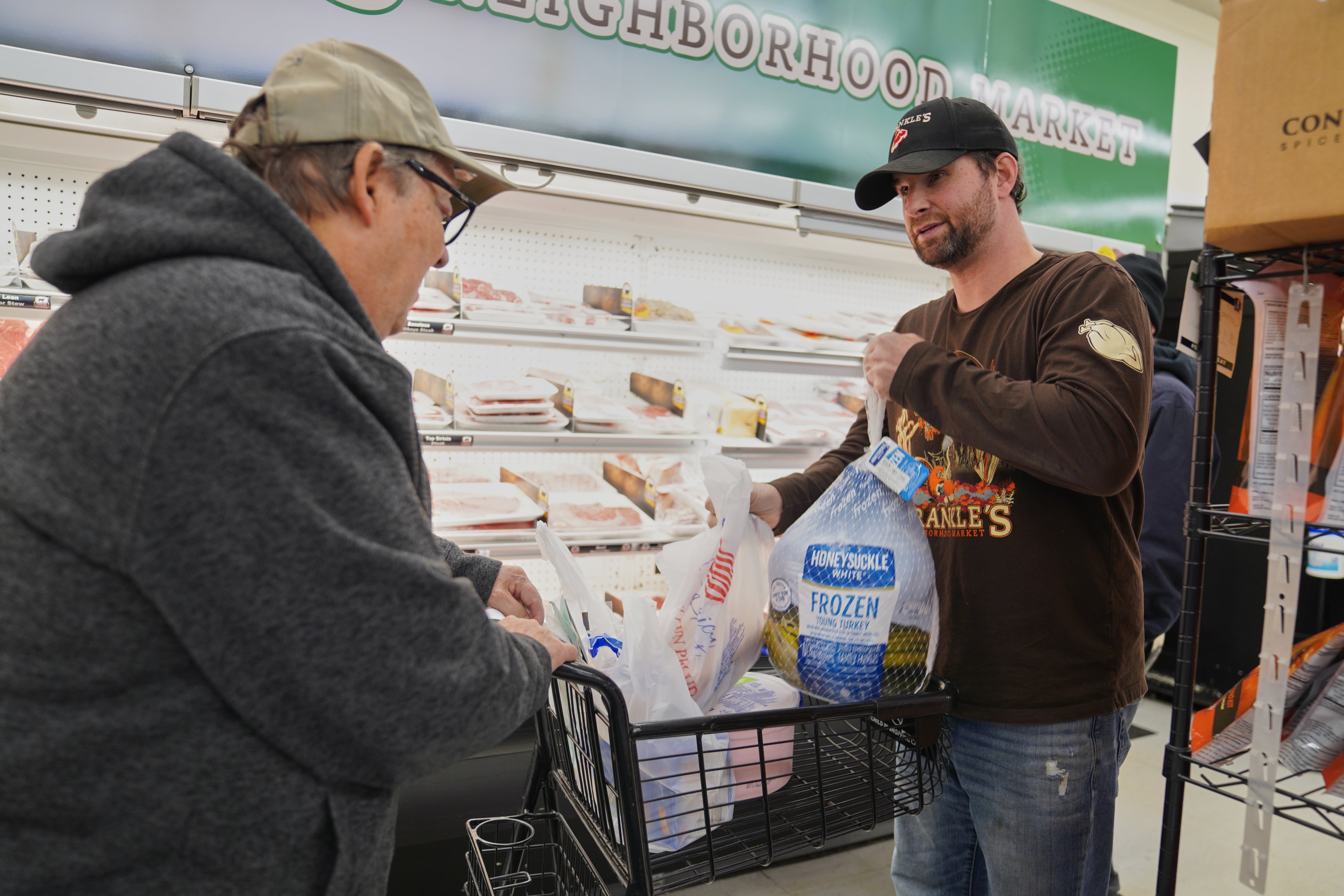
Some small grocery stores and neighborhood convenience stores are eager for the U.S. government shutdown to end and for their customers to start receiving federal food aid again. Late last month, the Trump administration froze funding for the SNAP benefits that about 42 million Americans use to buy groceries. The U.S. Department of Agriculture says about 74% of the assistance was spent last year at superstores like Walmart and supermarkets like Kroger. Around 14% went to smaller stores that are more accessible to SNAP beneficiaries. A former director of the United Nations World Food Program says SNAP is not only a social safety net for families but a local economic engine that supports neighborhood businesses.
Andy Baehr, Head of Product at CoinDesk Indices, breaks down crypto’s Black Friday crash, Bitcoin dipping under $100K, and what’s driving the market rout.