Google Street View Gives a Glimpse into Power of A.I.
The power of A.I. can reach deeper than just recommending which show to binge on Netflix. It can also be used to analyze millions of images to predict things like income, political leanings, and buying habits. Steve Lohr, Technology and Economics Reporter at The New York Times, joined us to discuss artificial intelligence's full potential when it comes to predictive analytics.
Lohr's recent piece in The New York Times highlights a Stanford study that used 50 million images from Google Street View to give a glimpse of A.I.'s ability to gather data. He explains that researchers identified 22 million cars to draw conclusions about information such as which political candidate a particular zip code favored. The project took just 2 weeks to classify all the cars. In his piece, Lohr points out that without the help of AI, it would take human experts over 15 years to accomplish that task.
This type of data collection raises concerns over privacy and issues of data access. He says most of predictive analysis has been used for commercial purposes and selling products. The use of data becomes scary when it becomes integrated into decisions such as hiring, he says, because the mistakes become more costly.
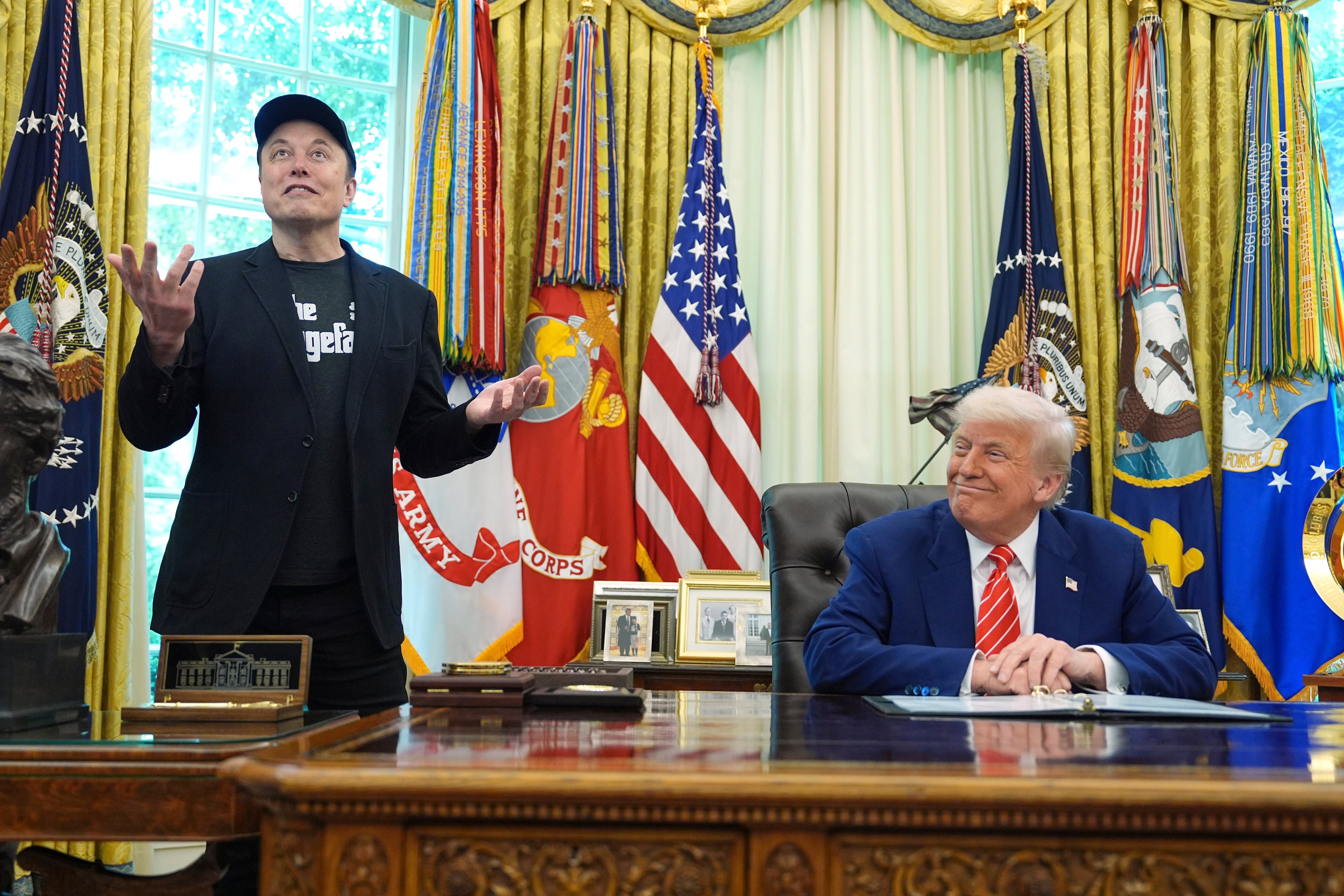
President Donald Trump wants his “big, beautiful” bill of tax breaks and spending cuts on his desk to be singed into law by Independence Day. And he’s pushing the slow-rolling Senate to make it happen sooner rather than later. Trump met with Senate Majority Leader John Thune at the White House early this week and has been dialing senators for one-on-one chats, using both the carrot and stick to encourage them to act. But it’s still a long road ahead for the bill. Senators want to make changes to protect Medicaid and to make sure some tax breaks become permanent. Elon Musk called the whole bill a "disgusting abomination.”
For Novak Djokovic, this is a relatively easy call. He thinks the French Open is making a mistake by eschewing the electronic line-calling used at most big tennis tournaments and instead remaining old school by letting line judges decide whether serves or other shots land in or out.
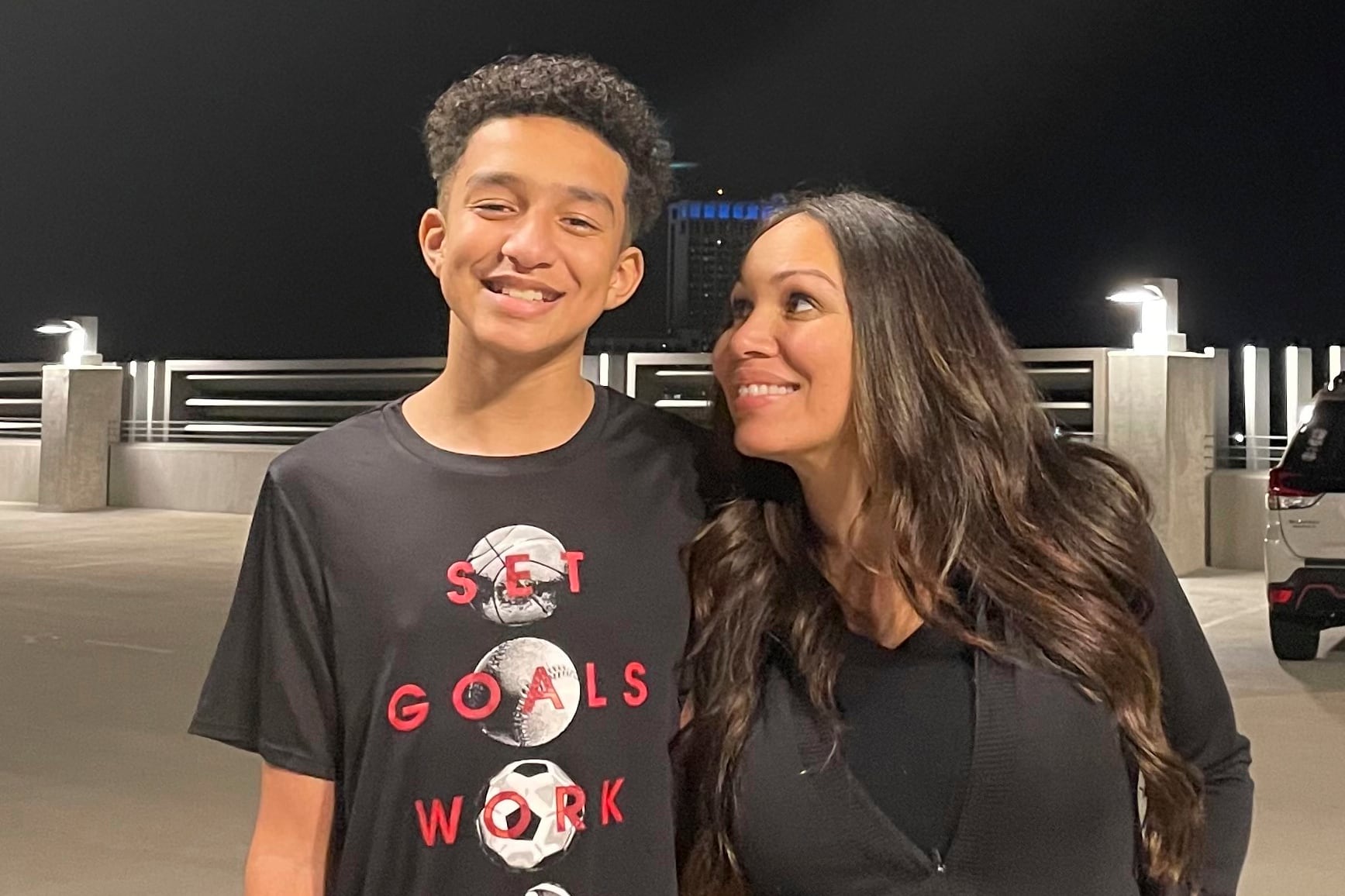
A federal judge in Florida has rejected arguments made by an artificial intelligence company that its chatbots are protected by the First Amendment — at least for now.