LONELINESS AND BONE DENSITY
A new study on loneliness is showing it may not only affect mental health, but it may also be bad for the bones. However, the study found it impacts one group in particular: men. Amid concerns about the rising epidemic of loneliness, researchers wanted to take a closer look at its effects.
Those working on the study exposed adult mice to social isolation and found that there were significant reductions in bone quality and mineral density, but only in the male mice, not the females. One doctor involved in this research did note that "future research is needed to understand how these findings translate to human populations."
HUMANS TILT EARTH
From 1993 to 2010, humans pumped over 2,000 gigatons of groundwater from reservoirs in the Earth's crust, and it changed the tilt of the earth's axis by 31 inches. According to the authors of a new study by the American Geophysical Union, the Earth's axis changes often, and the melting of the polar ice caps or rise in sea levels makes an impact on earth's rotation.
However, this shows that groundwater use also has an impact. By the way, if you've ever wondered how the planet came to be covered in H2O, a new theory published last week in the journal Nature suggests that 4.5 billion years ago, as Earth formed, it sucked up icy particles from space in a "vacuum effect."
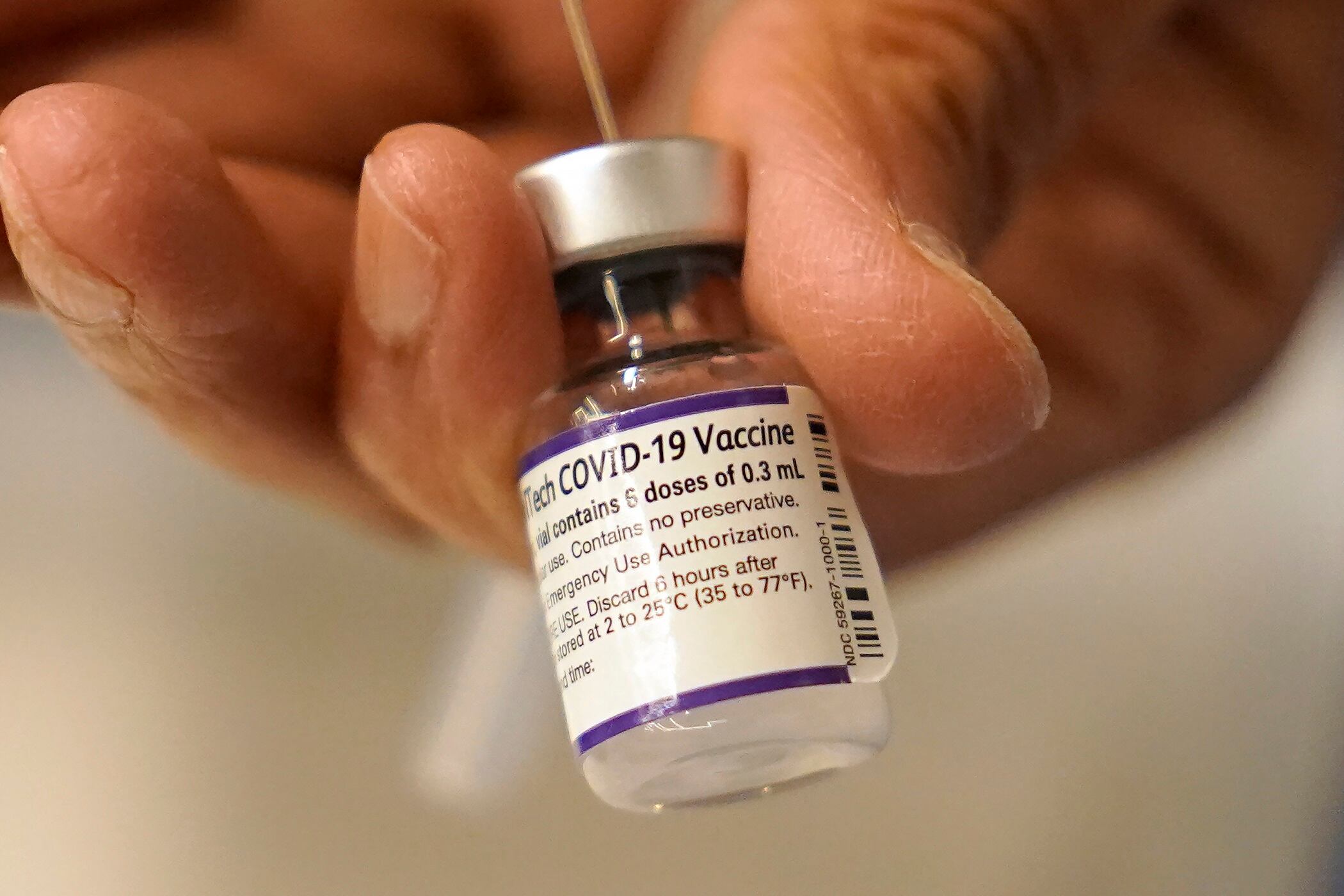
Pfizer says a booster dose of its COVID-19 vaccine appears to offer important protection against the new omicron variant.
A Japanese billionaire and his producer rocketed to space on Wednesday and reached the International Space Station several hours later.
Hawaii Flooding, Beijing Boycott & Disrupting Death
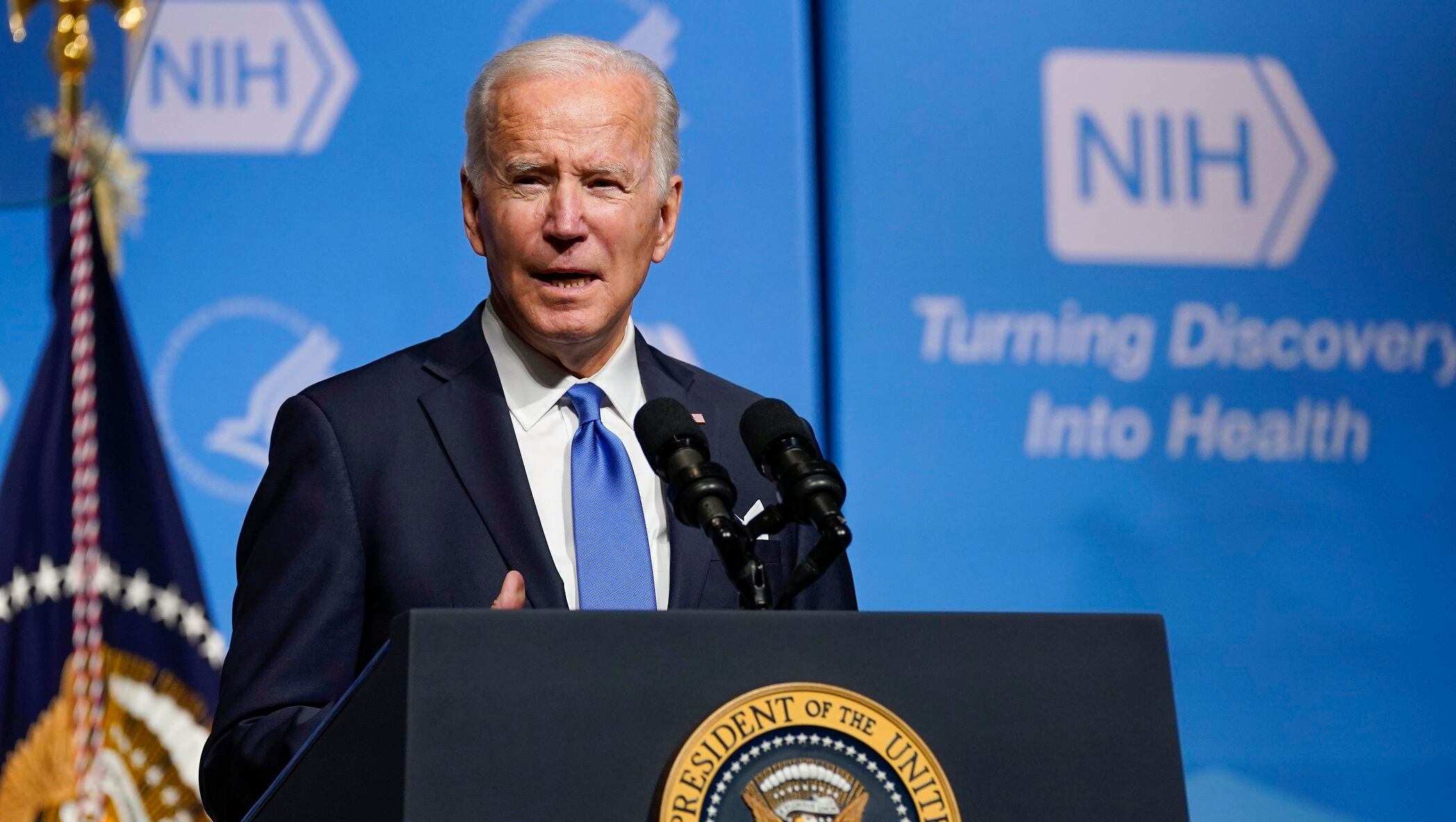
With rising numbers of COVID-19 cases predicted this winter, President Joe Biden is appealing for Americans to get their boosters and get behind his plan to tackle the new omicron variant through wider availability of vaccines and shots.
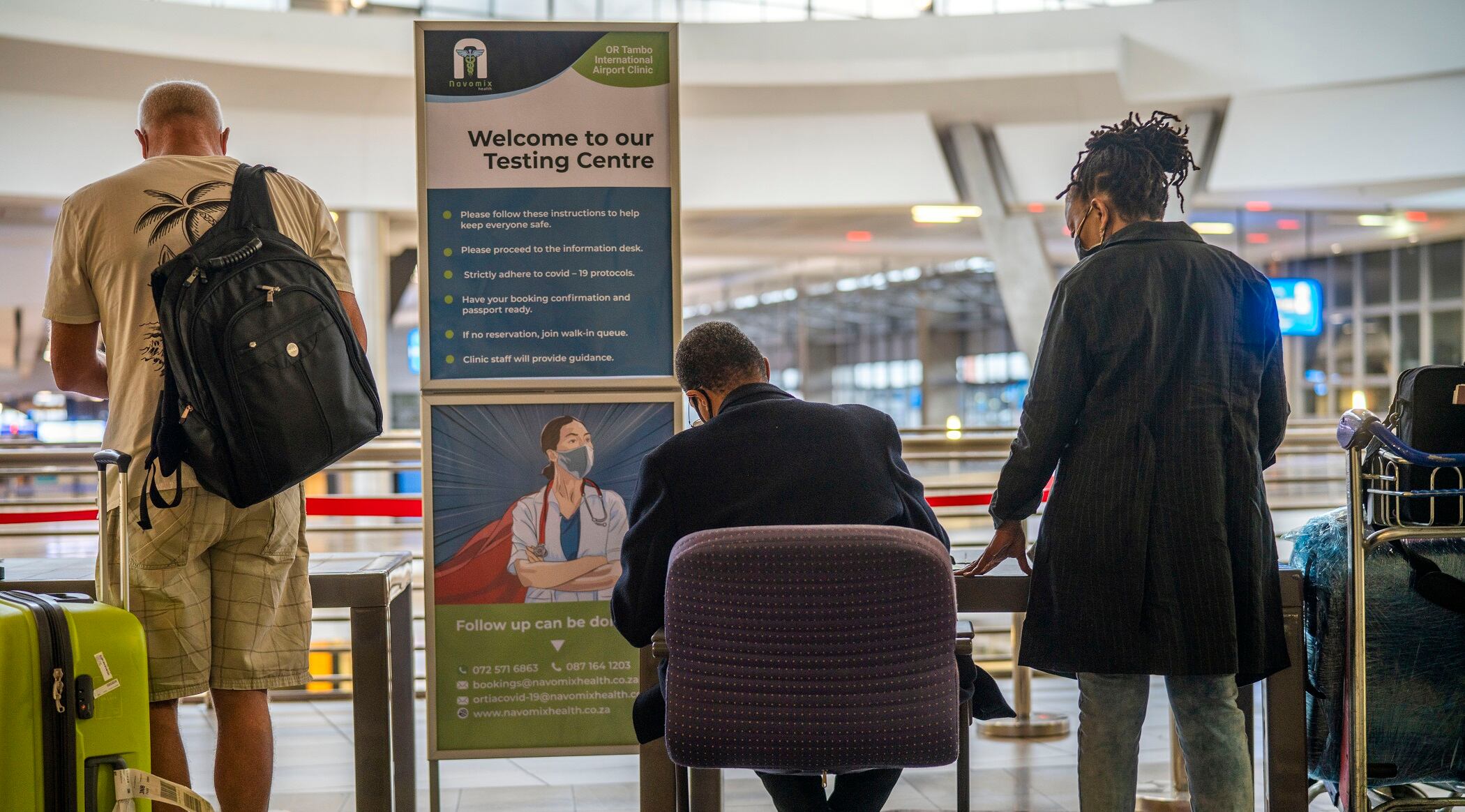
The U.S. identified its first known case of the omicron variant Wednesday — in a vaccinated traveler returning to California from South Africa — as scientists around the world raced to establish whether the new, mutant version of the coronavirus is more dangerous than the previous ones.
A person in California has become the first in the U.S. to have an identified case of the omicron variant of COVID-19.
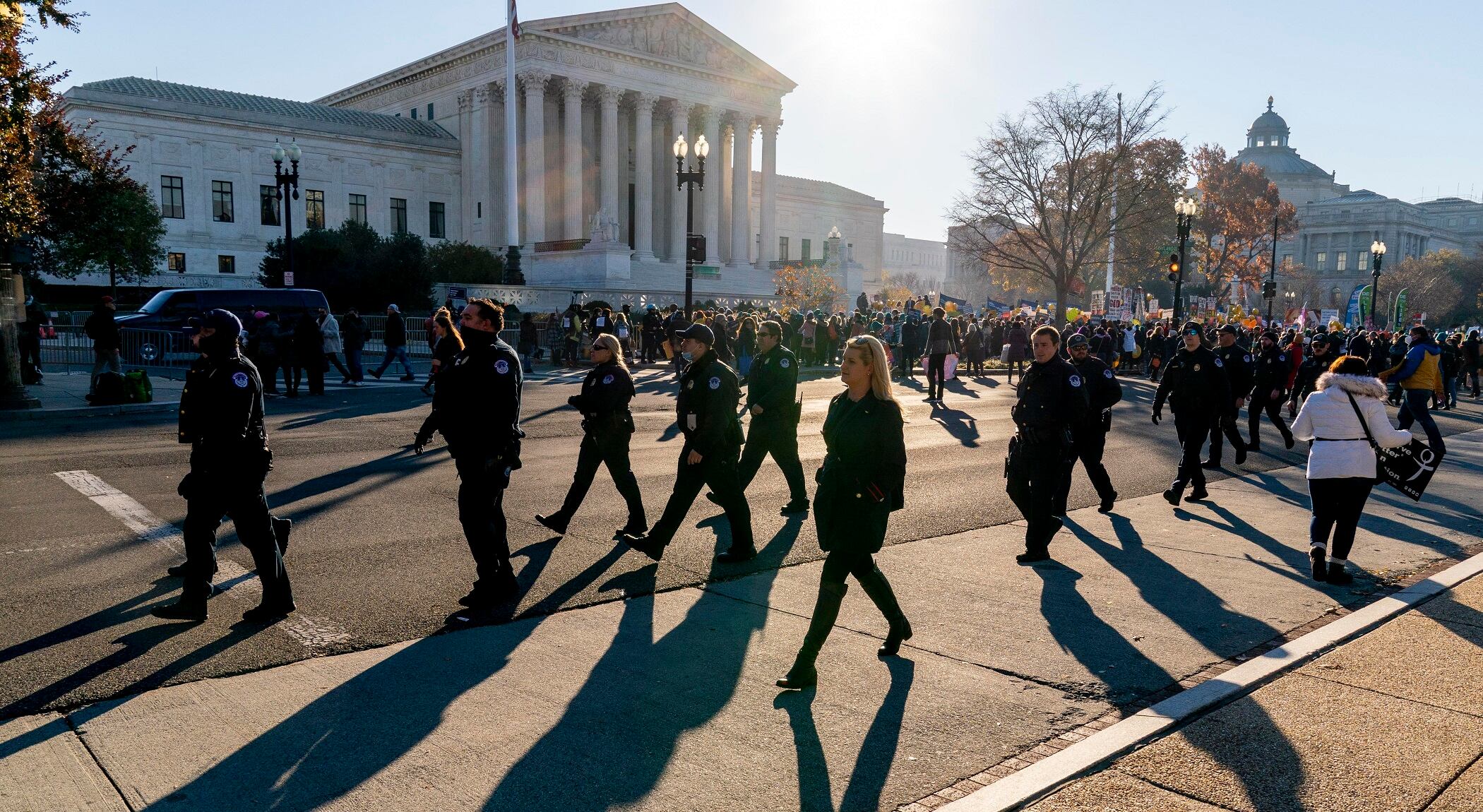
The Supreme Court’s conservative majority is signaling it will uphold Mississippi’s 15-week ban on abortion — and may go much further to overturn the nationwide right to abortion that has existed for nearly 50 years.
The world is confronting a new coronavirus variant, and officials have named it “omicron." A World Health Organization panel has classified it as a highly transmissible virus of concern.
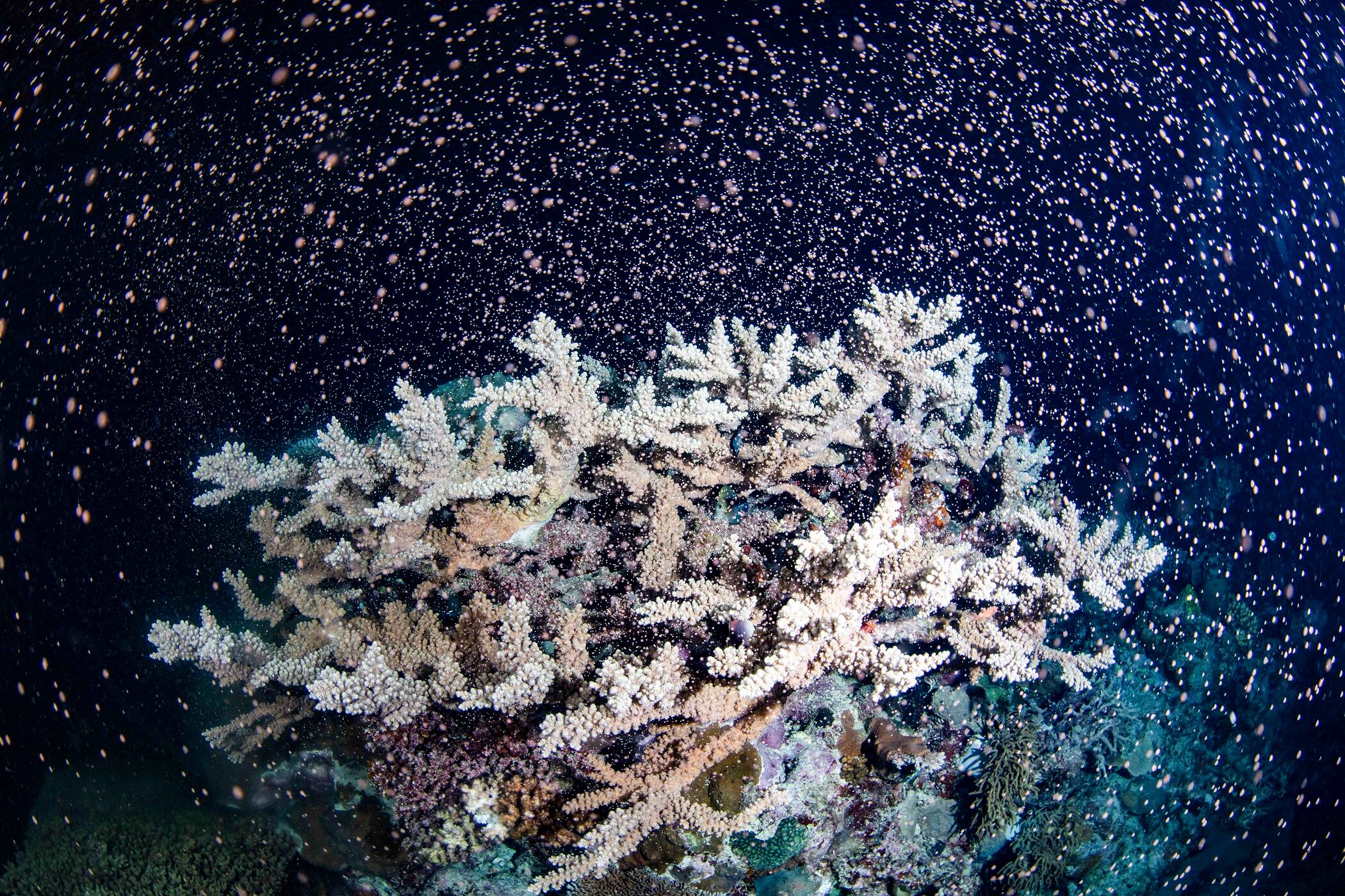
Australia’s Great Barrier Reef is spawning in an explosion of color as the World Heritage-listed natural wonder recovers from life-threatening coral bleaching episodes.
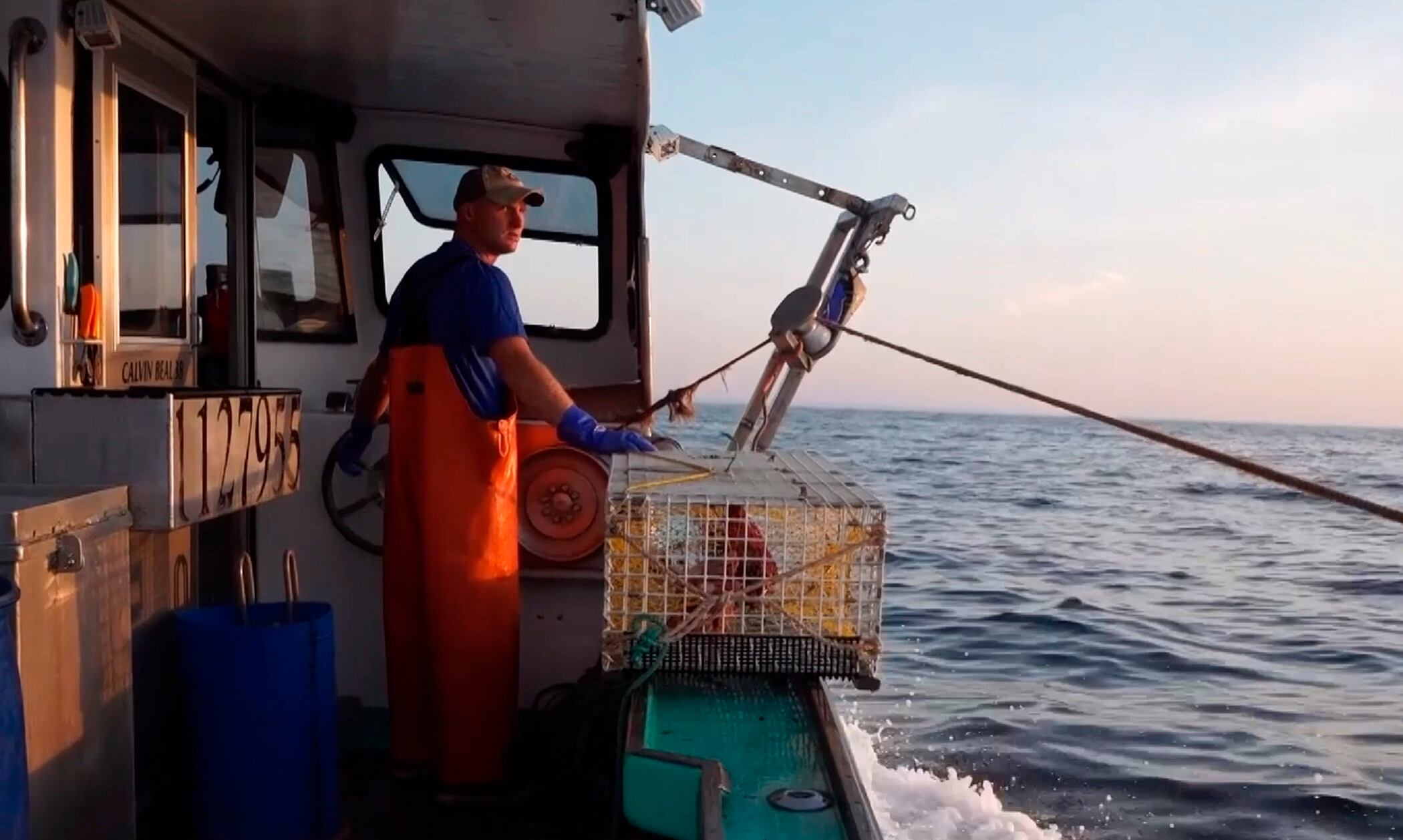
Climate change that may have contributed to a lobster boom in Maine could soon lead to a bust. Chloe Aiello reports.