With concerns about misinformation spreading online, European Union officials want to more closely regulate artificial intelligence, and they're asking the world's biggest tech companies for help. In mid-May, the EU passed a law that would regulate how companies create and train their artificial intelligence tools, but those laws won't go into effect for years. In the meantime, officials are asking companies like Apple, Google, Meta, and Microsoft to immediately begin labeling all AI-generated content, and for services that already incorporate AI, like Google's Bard, to safeguard against "malicious actors" who could attempt to spread harmful or false information.
MICROSOFT OUTAGES
Thousands of users on Monday reported not being able to access their emails through Microsoft Outlook on both the web and Outlook app. Other Microsoft 365 services, such as Teams, SharePoint, and One Drive, were also affected. By mid-afternoon on the East Coast, Microsoft confirmed on its customer service Twitter account that the issue should be resolved. The company did not explain what was behind the outage.
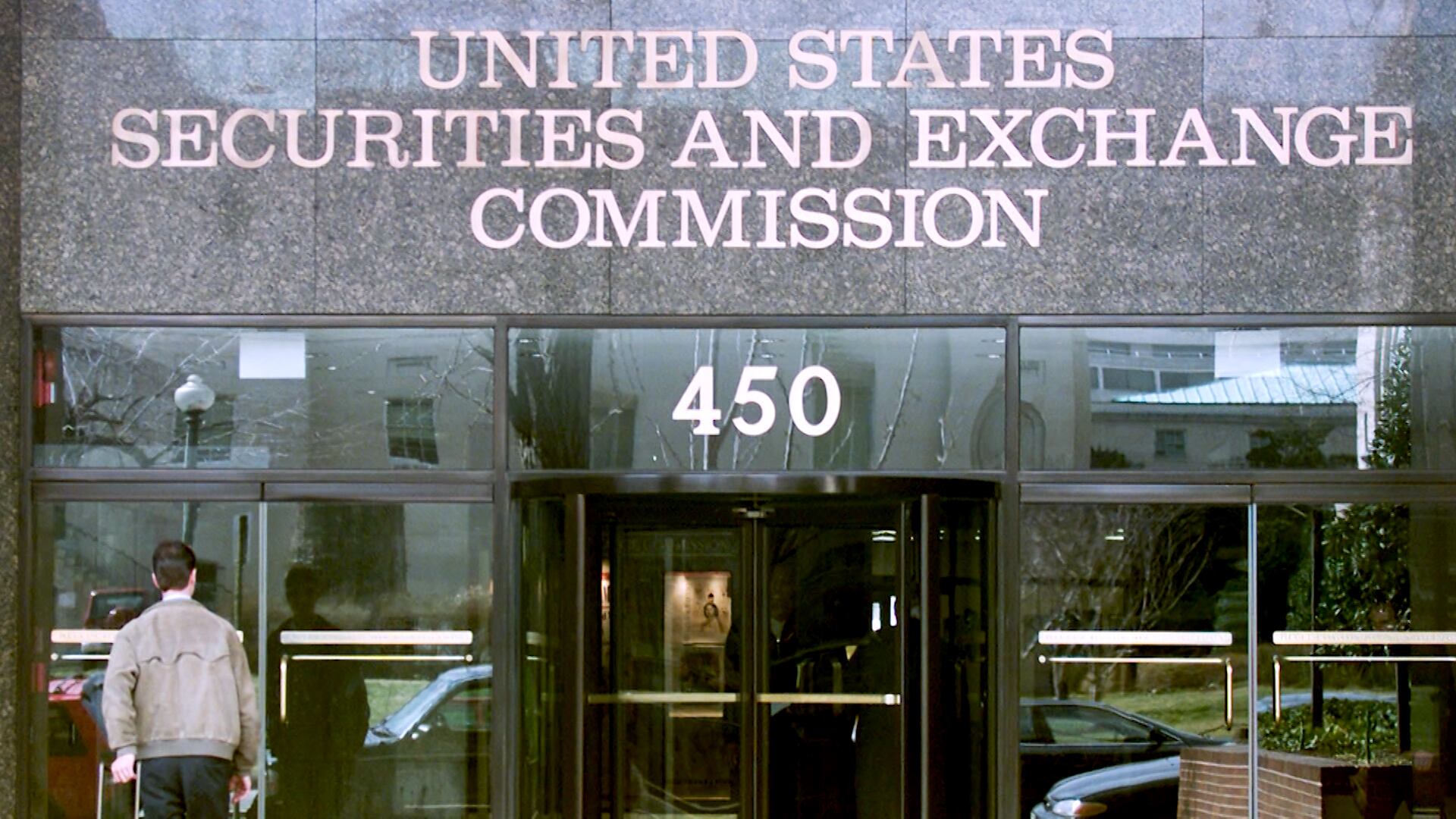
The U.S. Securities and Exchange Commission Monday laid out a proposal that would require businesses to disclose the emissions they produce. Kathleen Rogers, CEO & President at EARTHDAY.ORG, joined Cheddar News to break down the implications of this historic step.
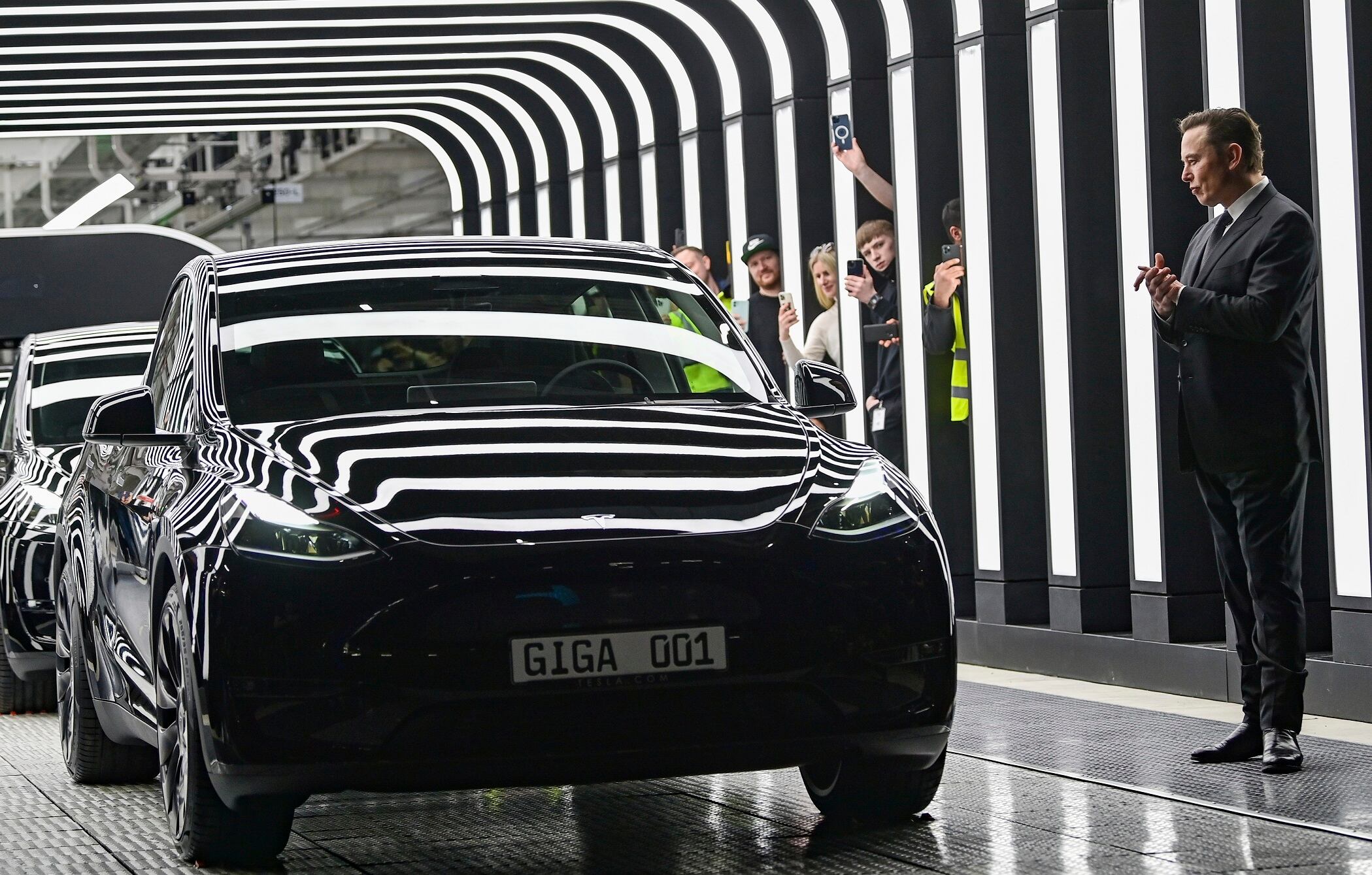
Electric car manufacturer Tesla opened its first European factory on the outskirts of Berlin in an effort to challenge German automakers on their home turf.
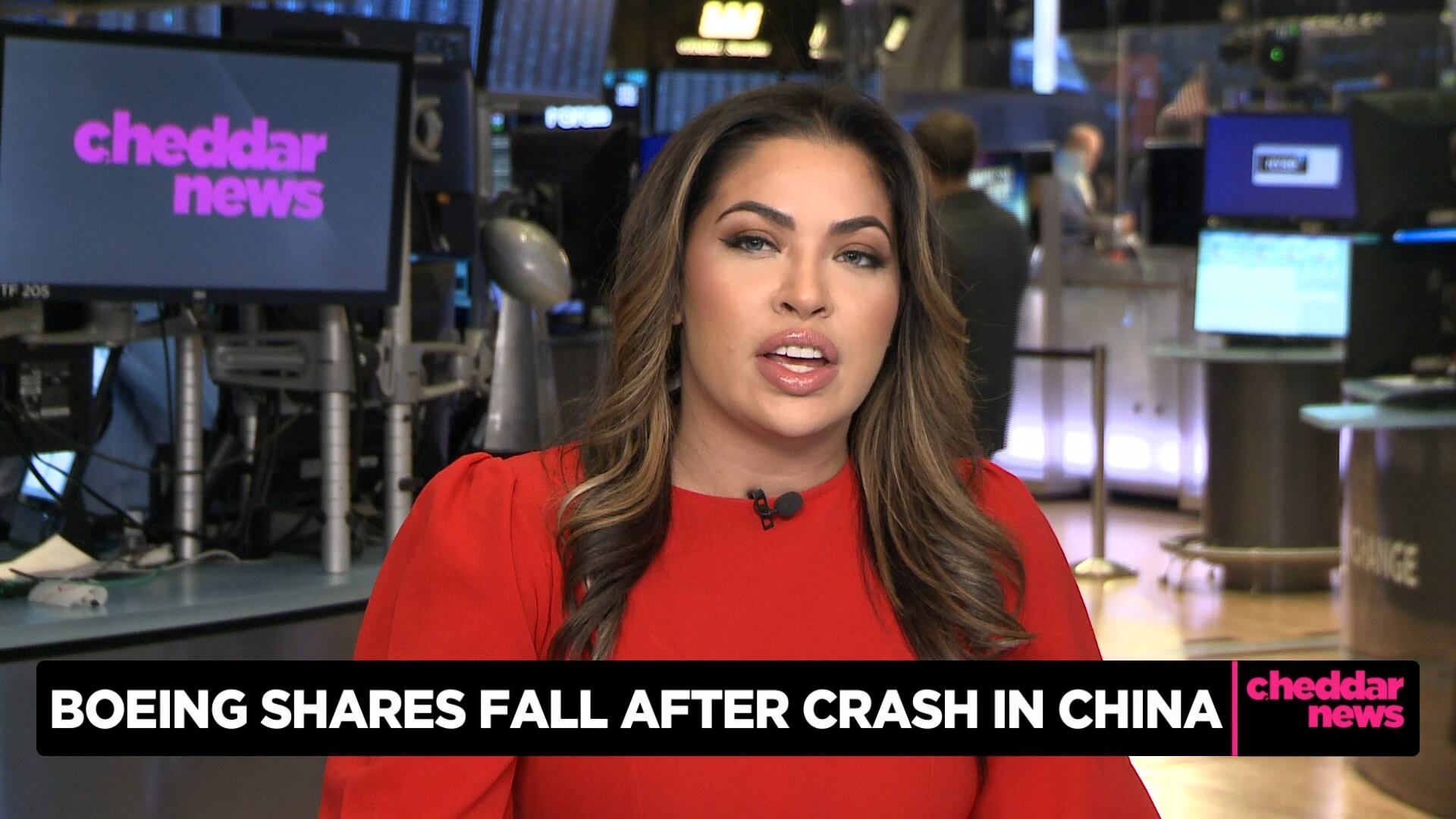
Boeing shares saw a pullback after a 737-800 aircraft with 132 people on board nosedived mid-flight, crashing into the mountains of Southern China. China's Eastern Airlines plane was not a 737-Max model, which was grounded worldwide after two fatal crashes in 2018 and 2019, but it's once again raising questions about the safety of Boeing's aircraft. Michael Boyd, CEO of Boyd Group International, gave Opening Bell his take on what another crash means for Boeing.