'Girls Who Invest' Empowers Young Women to Get Into Finance
With only 1.1% of women and minorities running the asset management industry's $71.4 trillion in assets, the field is lacking diversity. Girls Who Invest, a non-profit organization, is using empowerment to try to change that. Seema Hingorani, Founder of Girls Who Invest, joined us at the New York Stock Exchange to share why she feels it is important to encourage young women to pursue careers in asset management.
Girls Who Invest is working towards the goal of getting 30% of investable assets managed by women by 2030. Hingorani says the lack of diversity is a pipeline problem. She adds that young women don’t even know about the industry and how impactful and rewarding it can be. Hingorani said there has been a cloud over the industry since the 2008 financial crisis. To reach the next generation of women, Girls Who Invest designed a 10-week summer program for college students.
President Trump's immigration policies have put up a roadblock to Girls Who Invest's international growth, Hingorani says. Girls Who Invest accepted fewer international students in 2017 than last year because several women struggled to obtain work visas. She says the policies hurt the talent pool because talented women aren’t getting interviews due to the fact they don’t have visas.
As commercial options tighten, more travelers are turning to private aviation. Wheels Up CEO George Mattson breaks down capacity and demand challenges.
Layoffs, hiring slowdowns, and shifting skill demands dominate this year’s job talk. LinkedIn’s Kory Kantenga explains what workers should watch for next.
Retailers face tariffs and cost challenges this holiday season. Wells Fargo's Lauren Murphy shares insights on pricing, promotions, and shopping trends.
Dateability, founded by sisters Jacqueline and Alexa Child, is the only dating app for disabled and chronically ill communities, fostering love without limits.
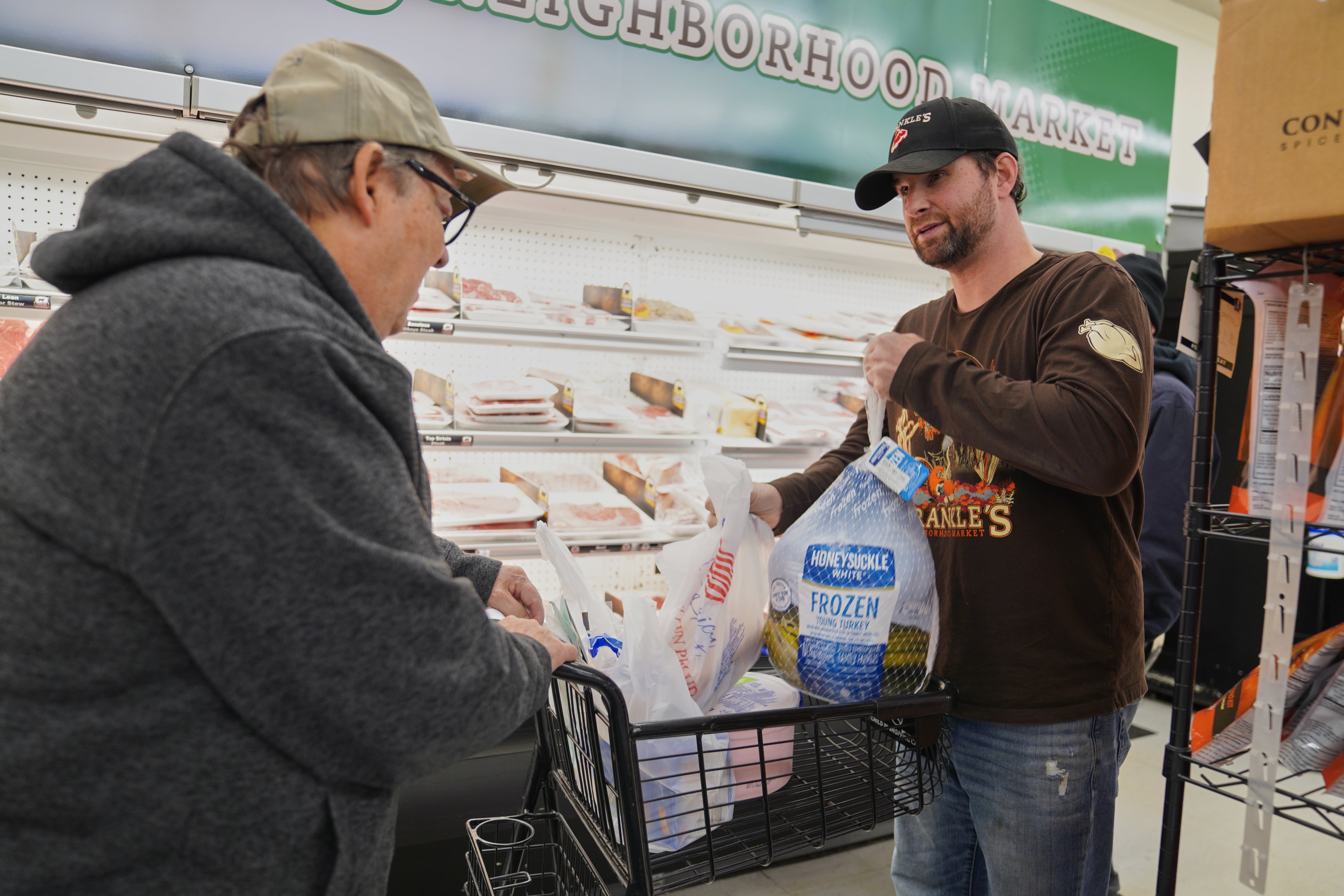
Some small grocery stores and neighborhood convenience stores are eager for the U.S. government shutdown to end and for their customers to start receiving federal food aid again. Late last month, the Trump administration froze funding for the SNAP benefits that about 42 million Americans use to buy groceries. The U.S. Department of Agriculture says about 74% of the assistance was spent last year at superstores like Walmart and supermarkets like Kroger. Around 14% went to smaller stores that are more accessible to SNAP beneficiaries. A former director of the United Nations World Food Program says SNAP is not only a social safety net for families but a local economic engine that supports neighborhood businesses.
Andy Baehr, Head of Product at CoinDesk Indices, breaks down crypto’s Black Friday crash, Bitcoin dipping under $100K, and what’s driving the market rout.