'Girls Who Invest' Empowers Young Women to Get Into Finance
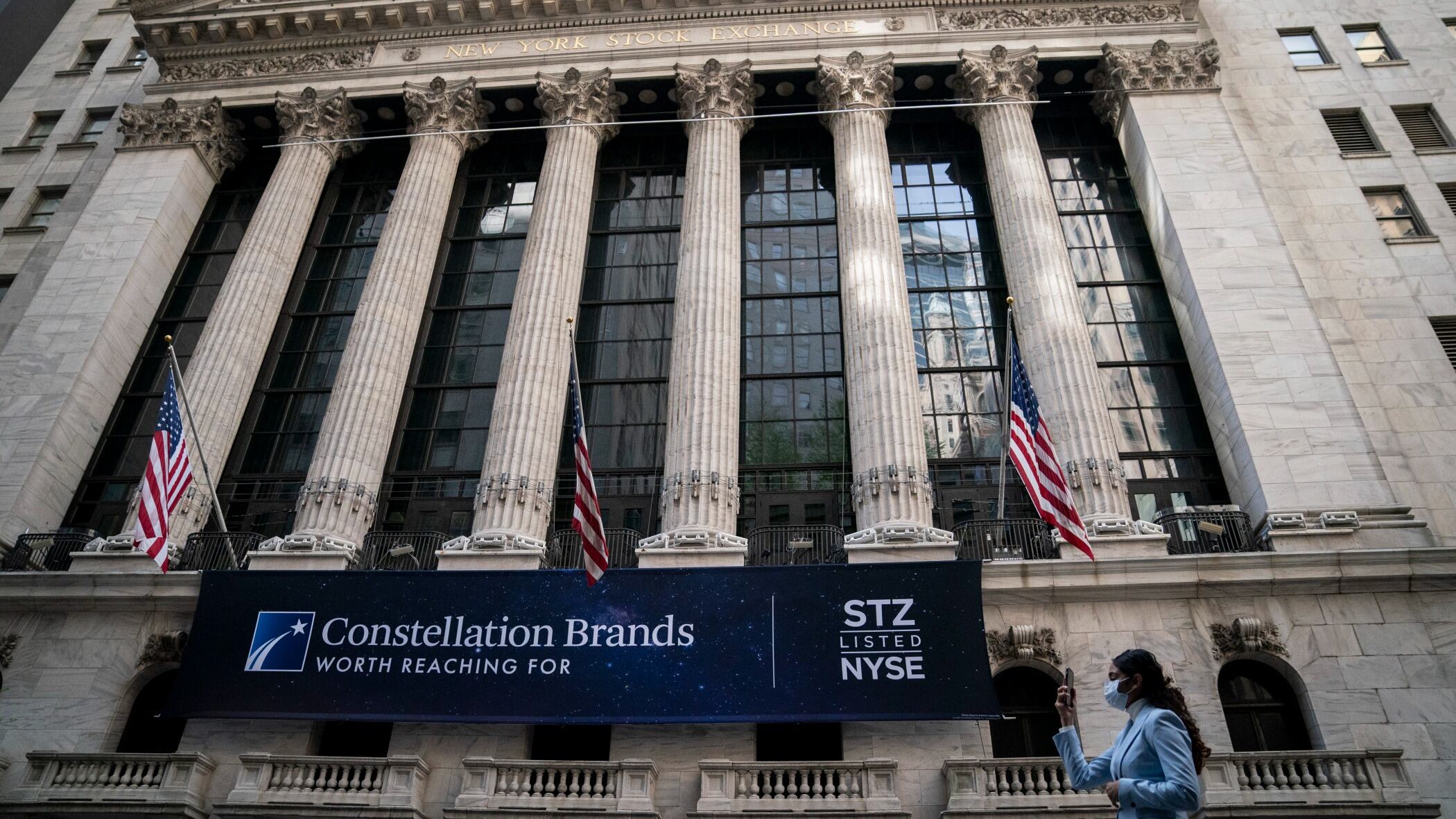
With only 1.1% of women and minorities running the asset management industry's $71.4 trillion in assets, the field is lacking diversity. Girls Who Invest, a non-profit organization, is using empowerment to try to change that. Seema Hingorani, Founder of Girls Who Invest, joined us at the New York Stock Exchange to share why she feels it is important to encourage young women to pursue careers in asset management.
Girls Who Invest is working towards the goal of getting 30% of investable assets managed by women by 2030. Hingorani says the lack of diversity is a pipeline problem. She adds that young women don’t even know about the industry and how impactful and rewarding it can be. Hingorani said there has been a cloud over the industry since the 2008 financial crisis. To reach the next generation of women, Girls Who Invest designed a 10-week summer program for college students.
President Trump's immigration policies have put up a roadblock to Girls Who Invest's international growth, Hingorani says. Girls Who Invest accepted fewer international students in 2017 than last year because several women struggled to obtain work visas. She says the policies hurt the talent pool because talented women aren’t getting interviews due to the fact they don’t have visas.
The U.S. Department of Agriculture is proposing a new rule to narrow what products qualify for a "Product of USA” or “Made in the USA” label. Now only meat, poultry and egg products from animals "born, raised, slaughtered, and processed in the United States" will make the grade.
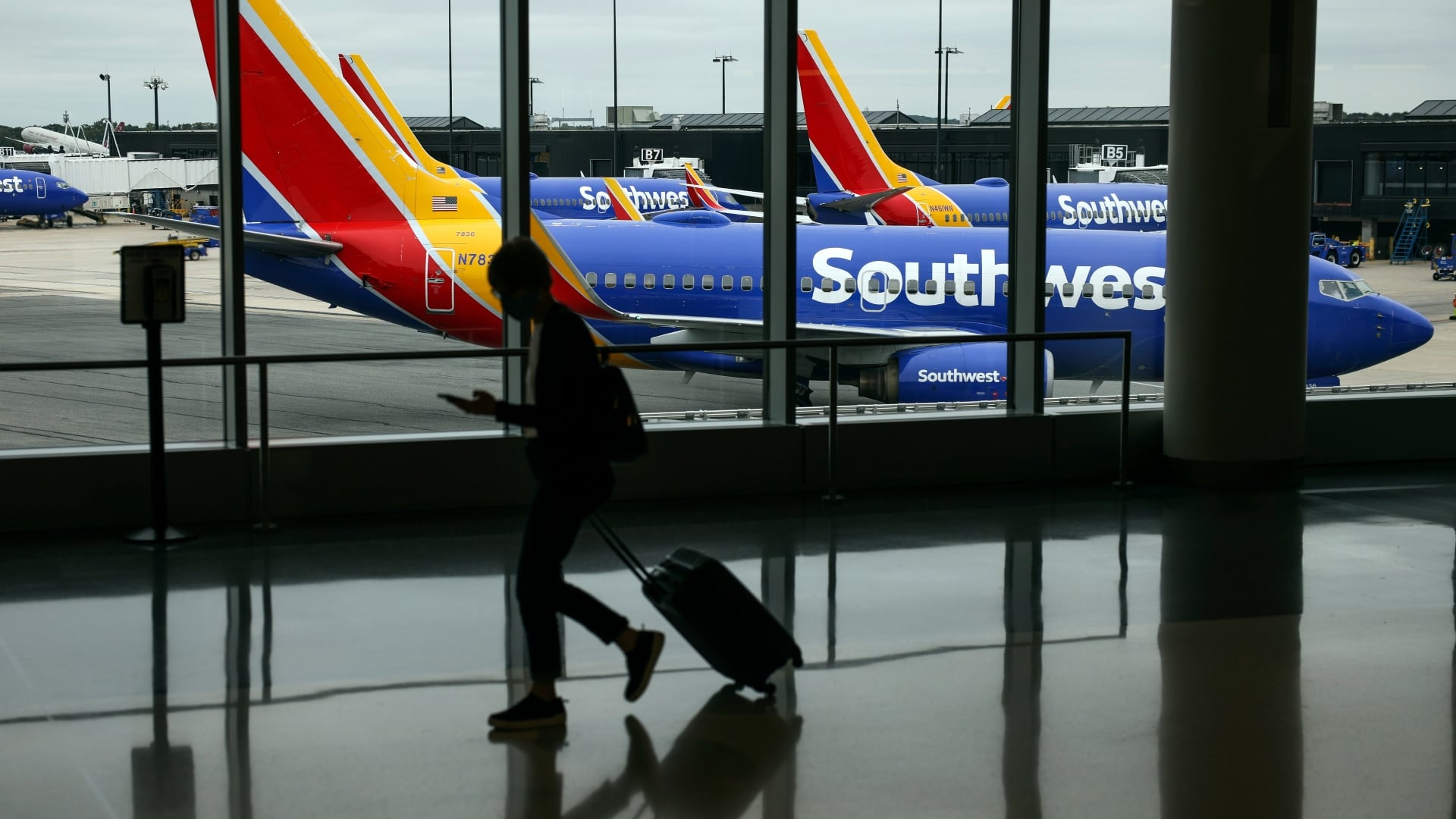
The Biden administration sued to block JetBlue Airways' $3.8 billion purchase of Spirit Airlines, saying Tuesday that the deal would reduce competition and drive up air fares for consumers.
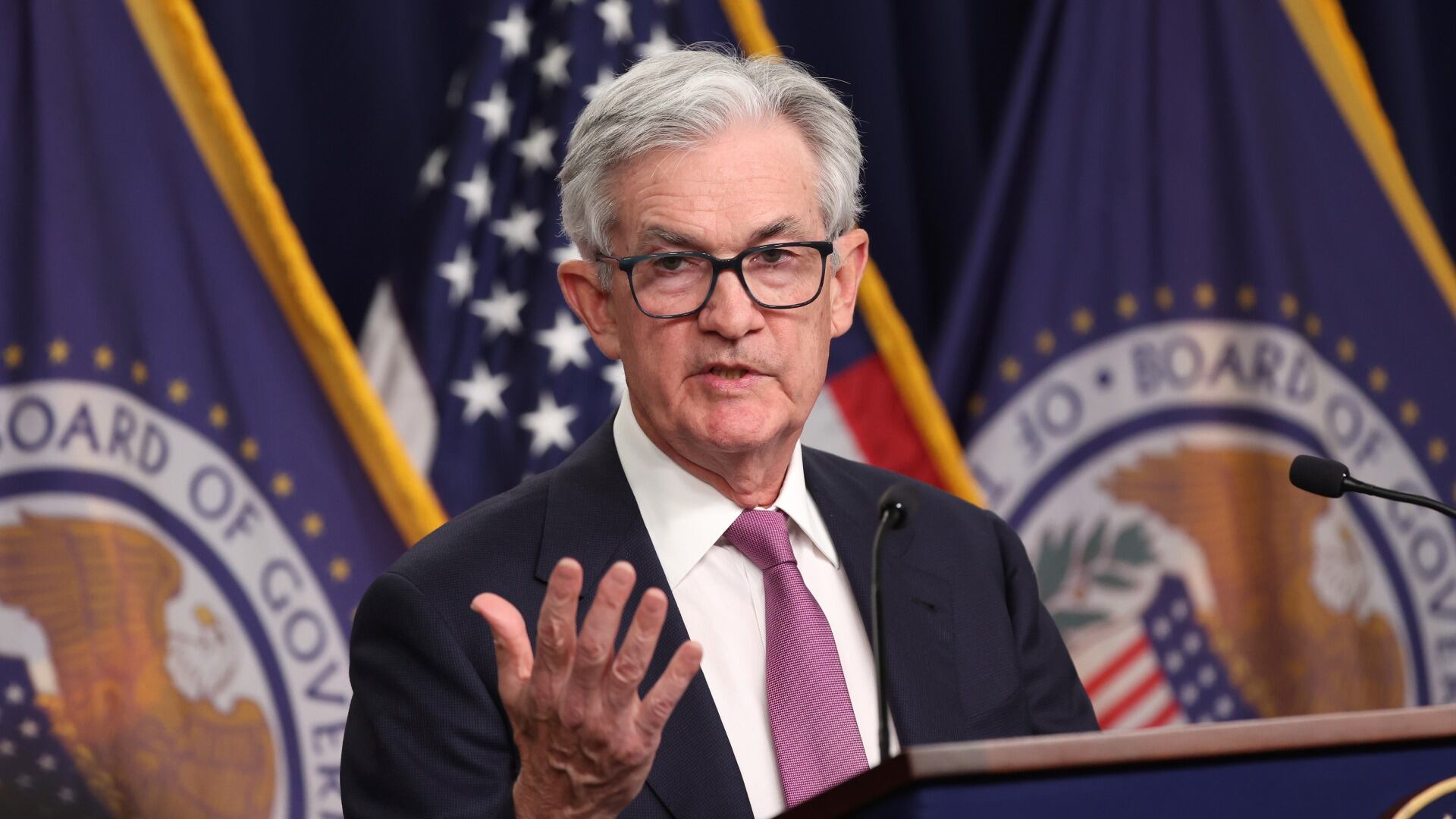
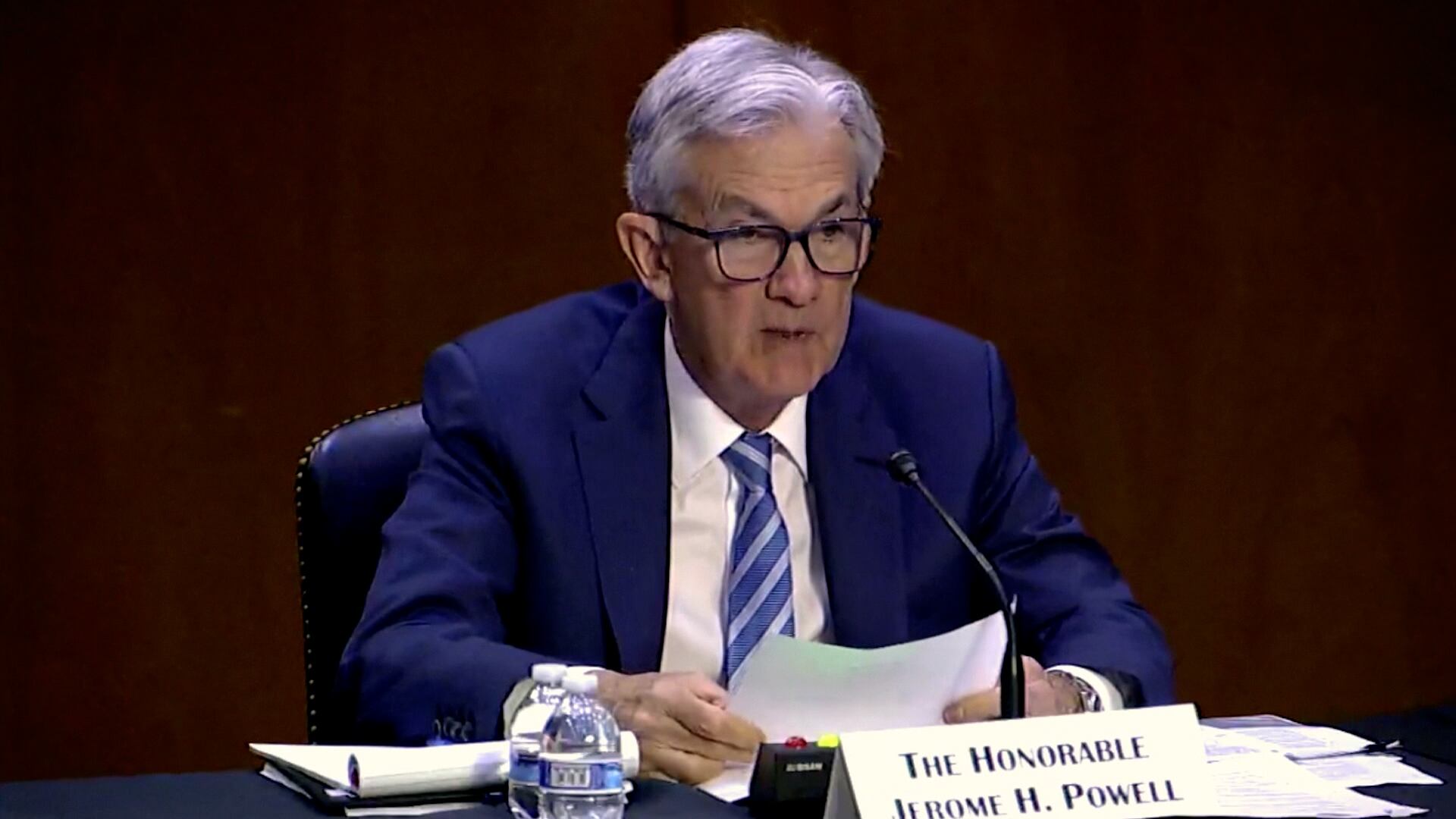
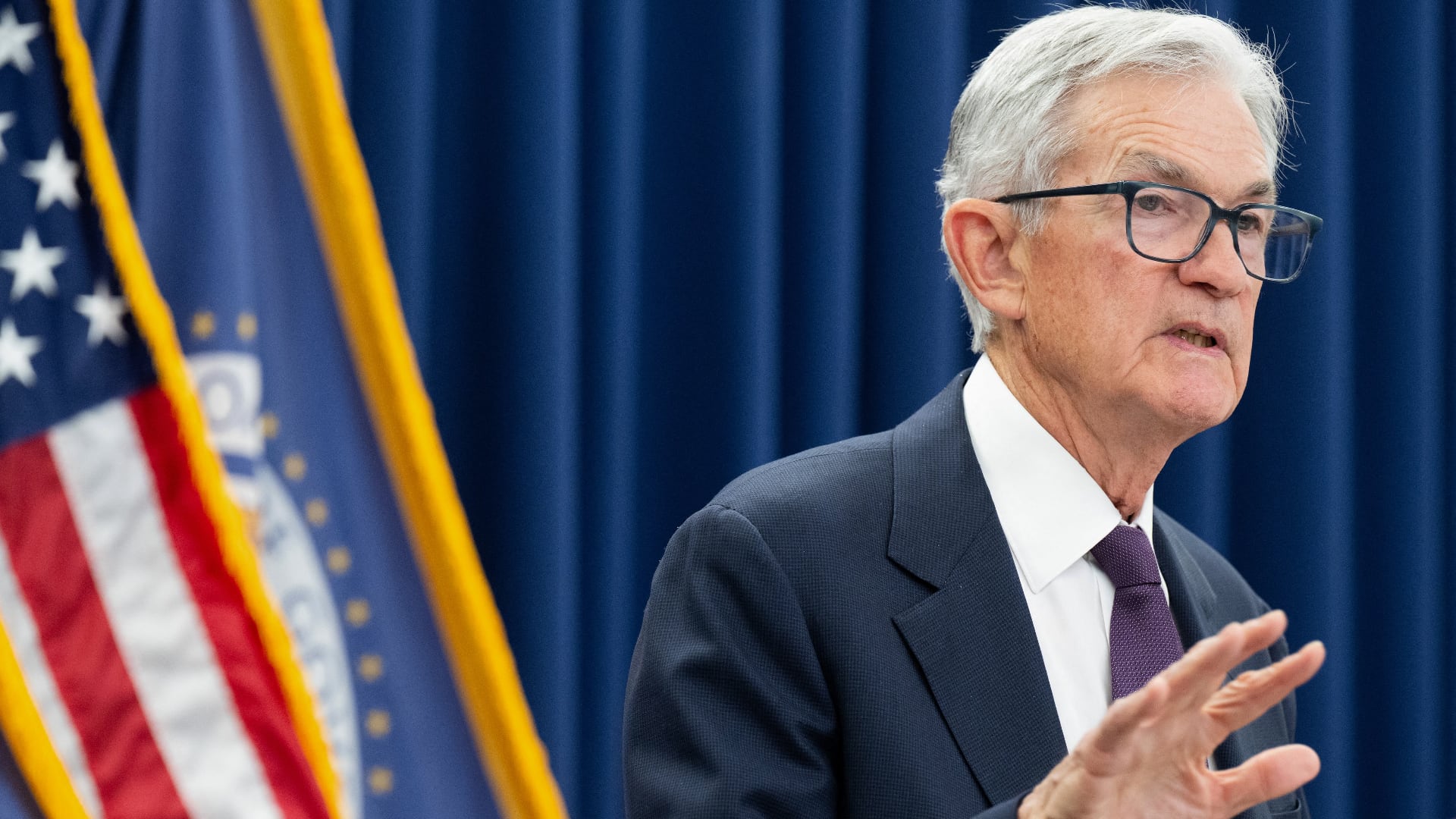
Federal Reserve Chair Jerome Powell will hint that the central bank could increase the pace of interest rate hikes if data indicate price pressures continuing.
Stocks sank on Wall Street after the head of the Federal Reserve warned it could speed up its economy-rattling hikes to interest rates if pressure stays high on inflation.
If measures of the U.S. economy keep coming in hot, as they did in January, the Federal Reserve will likely have to raise interest rates even higher than it has already signaled — and keep them there longer — Chair Jerome Powell will likely warn in testimony to Congress on Tuesday.