'Girls Who Invest' Empowers Young Women to Get Into Finance
With only 1.1% of women and minorities running the asset management industry's $71.4 trillion in assets, the field is lacking diversity. Girls Who Invest, a non-profit organization, is using empowerment to try to change that. Seema Hingorani, Founder of Girls Who Invest, joined us at the New York Stock Exchange to share why she feels it is important to encourage young women to pursue careers in asset management.
Girls Who Invest is working towards the goal of getting 30% of investable assets managed by women by 2030. Hingorani says the lack of diversity is a pipeline problem. She adds that young women don’t even know about the industry and how impactful and rewarding it can be. Hingorani said there has been a cloud over the industry since the 2008 financial crisis. To reach the next generation of women, Girls Who Invest designed a 10-week summer program for college students.
President Trump's immigration policies have put up a roadblock to Girls Who Invest's international growth, Hingorani says. Girls Who Invest accepted fewer international students in 2017 than last year because several women struggled to obtain work visas. She says the policies hurt the talent pool because talented women aren’t getting interviews due to the fact they don’t have visas.
Tyson Foods is eliminating about 10 percent of corporate jobs and 15 percent senior leadership positions, according to a memo obtained by Reuters. The cuts are just the latest attempt to trim costs amid falling profits.
Verizon is taking steps to speed up its 5G network in rural areas. The company said it plans to extend its C-band 5G network across a larger suburban and rural footprint, meaning faster speeds for customers in those areas.
Facebook parent company Meta's first-quarter results surpassed Wall Street's modest expectations on both profit and revenue, sending its stock soaring in after-hours trading.
Another automaker is trying to cut its workforce to trim expenses and stay competitive as the industry makes the long and costly transition to electric vehicles.
The U.S. economy slowed sharply from January through March, decelerating to just a 1.1% annual pace as higher interest rates hammered the housing market and businesses reduced their inventories.
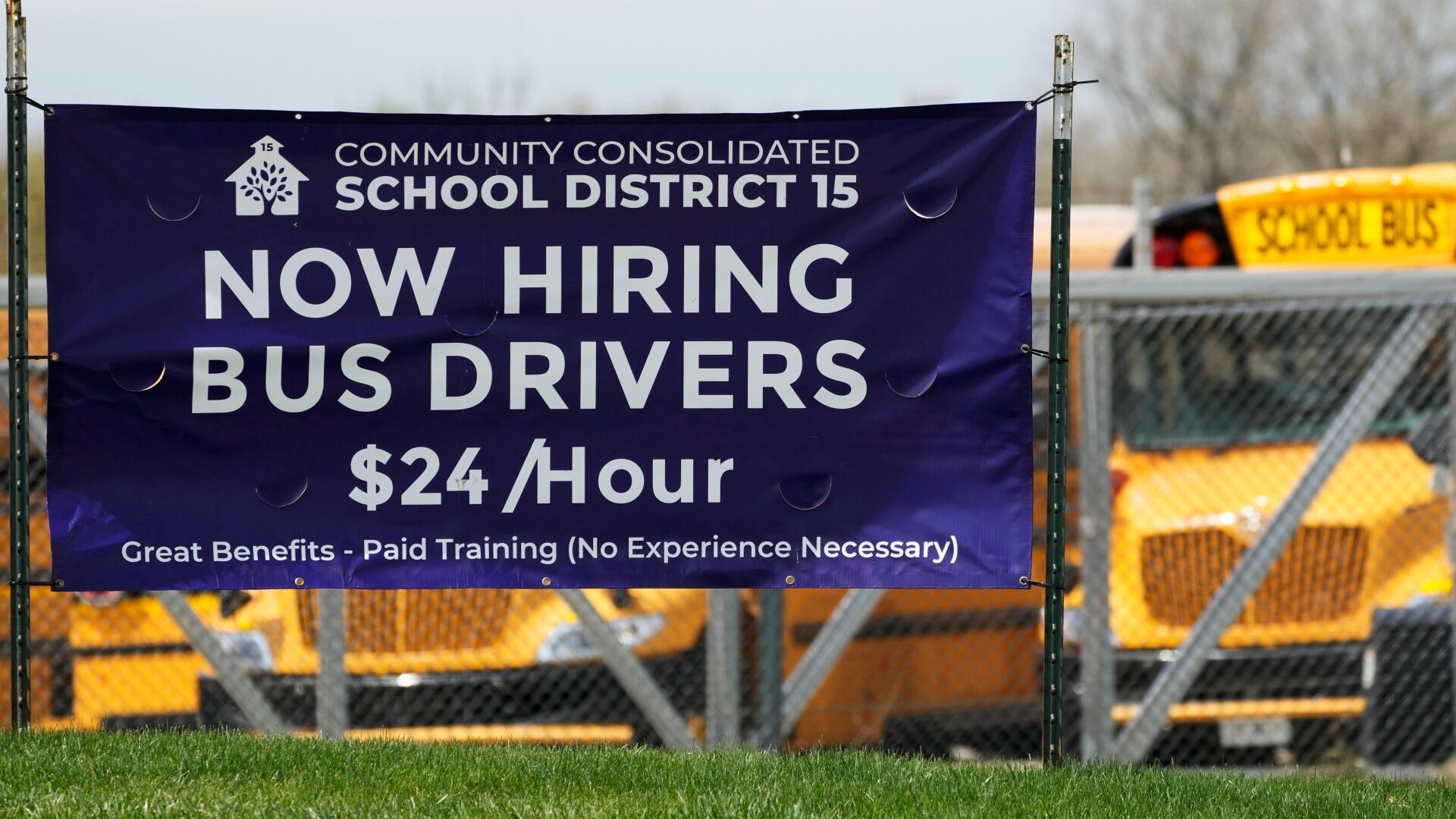
Applications for unemployment benefits in the U.S. fell last week as the labor market continues to show strength despite some weakness in other parts of the economy.