'Girls Who Invest' Empowers Young Women to Get Into Finance
With only 1.1% of women and minorities running the asset management industry's $71.4 trillion in assets, the field is lacking diversity. Girls Who Invest, a non-profit organization, is using empowerment to try to change that. Seema Hingorani, Founder of Girls Who Invest, joined us at the New York Stock Exchange to share why she feels it is important to encourage young women to pursue careers in asset management.
Girls Who Invest is working towards the goal of getting 30% of investable assets managed by women by 2030. Hingorani says the lack of diversity is a pipeline problem. She adds that young women don’t even know about the industry and how impactful and rewarding it can be. Hingorani said there has been a cloud over the industry since the 2008 financial crisis. To reach the next generation of women, Girls Who Invest designed a 10-week summer program for college students.
President Trump's immigration policies have put up a roadblock to Girls Who Invest's international growth, Hingorani says. Girls Who Invest accepted fewer international students in 2017 than last year because several women struggled to obtain work visas. She says the policies hurt the talent pool because talented women aren’t getting interviews due to the fact they don’t have visas.
Actors represented by the Hollywood union SAG-AFTRA voted Monday evening to authorize a strike if they don't agree on a new contract with major studios, streamers and production companies by June 30.
Mallon FitzPatrick, managing director and head of wealth planning at Robertson Stephens, offers some tips for how first-time investors can dip their toe into the stock market.
Journalists at two dozen local newspapers across the U.S. walked off the job Monday to demand an end to painful cost-cutting measures and a change of leadership at Gannett, the country's biggest newspaper chain.
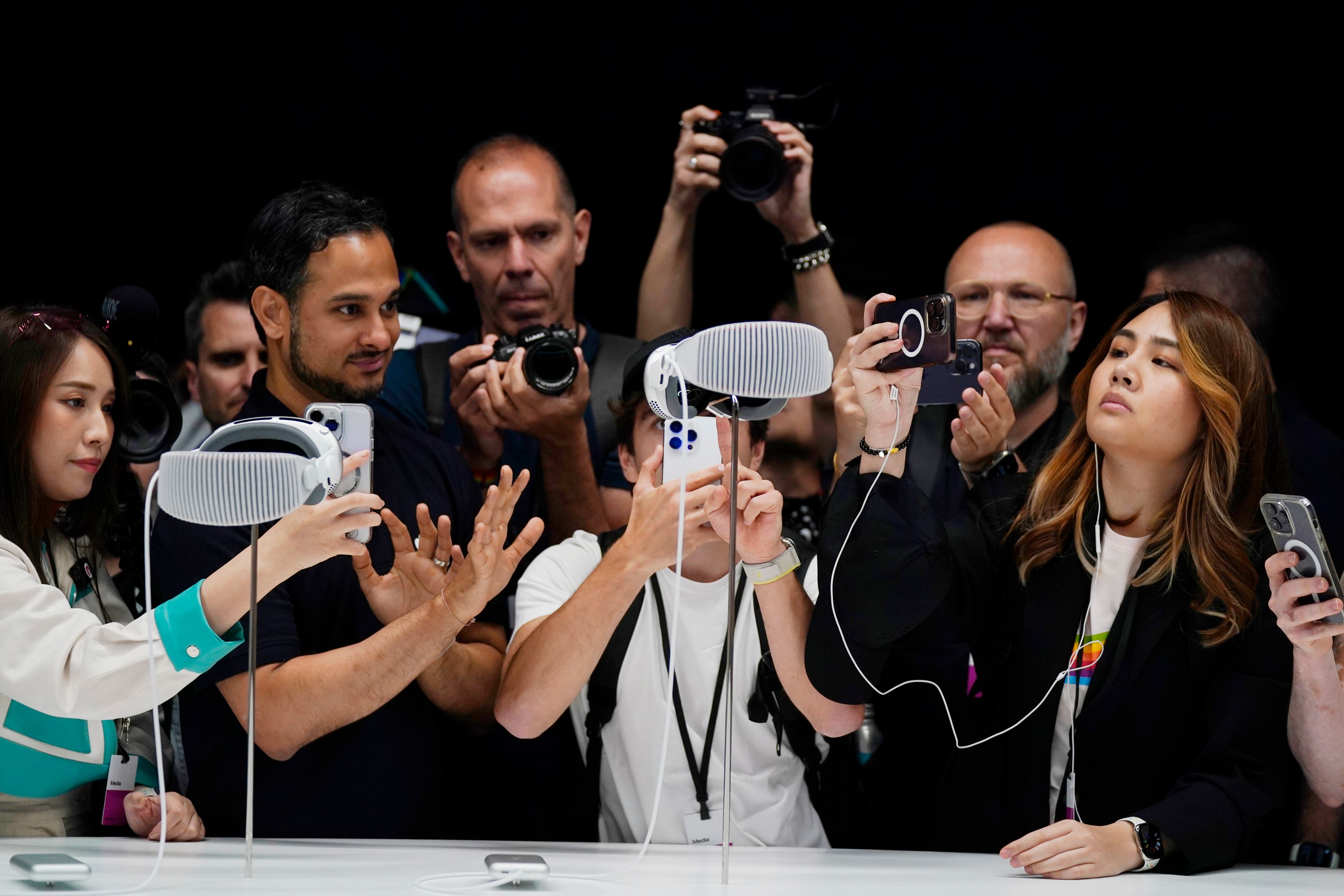
Apple on Monday unveiled a long-rumored headset that will place its users between the virtual and real world, while also testing the technology trendsetter's ability to popularize new-fangled devices after others failed to capture the public's imagination.
A new poll shows that nearly half of Americans want a minimalist lifestyle and 41% cited financial reasons for doing so. Joshua Becker, founder and editor of Becoming Minimalist, joined Cheddar News to discuss the financial and psychological benefits of removing the physical possessions not needed.