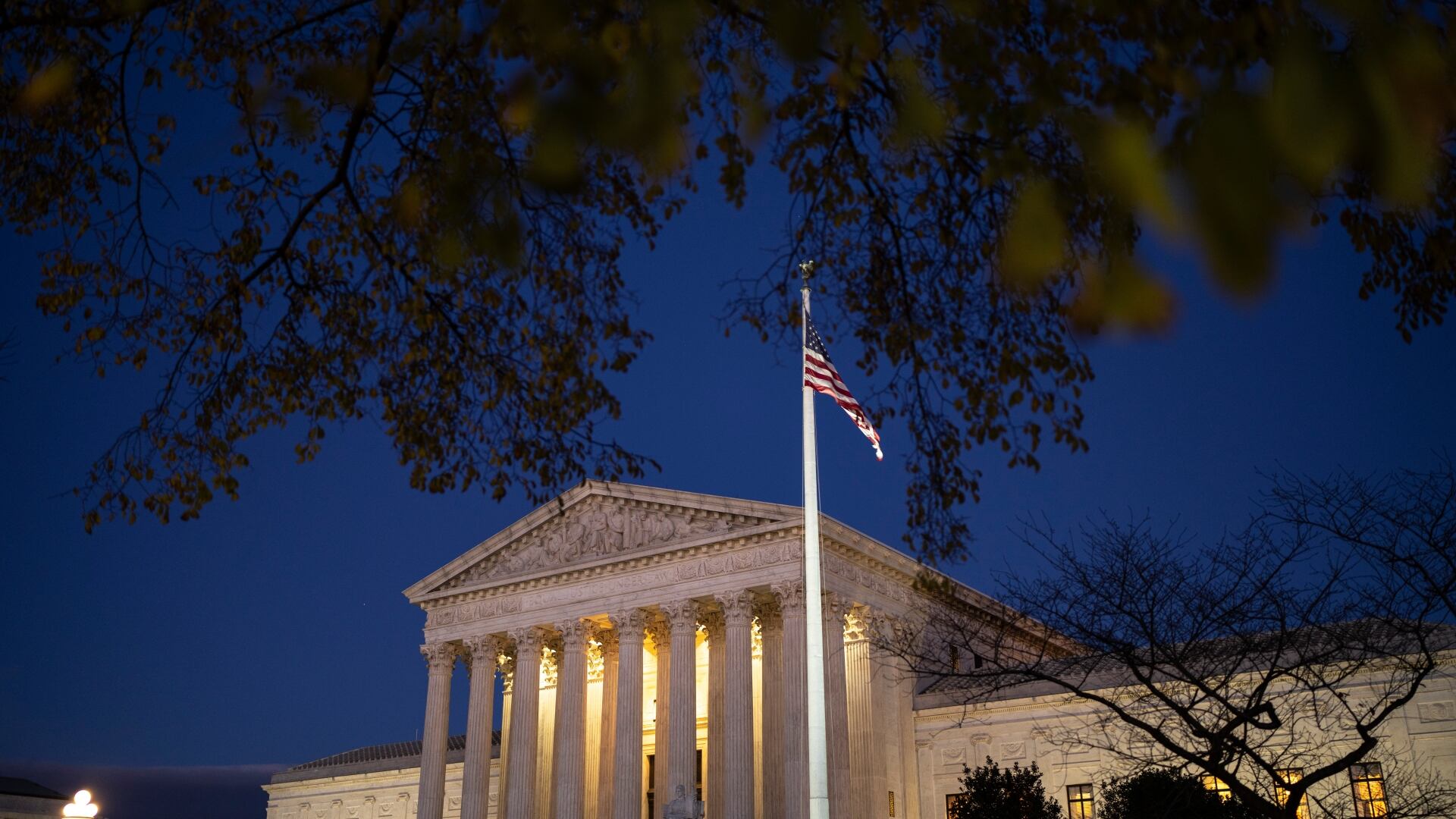
The death of Supreme Court Justice Ruth Bader Ginsburg, a trailblazer for women's rights, has left many inspired and ready to continue the work championed by the late justice, including Fatima Goss Graves, president and CEO of the National Women's Law Center.
"I will keep her memory with me as we forge extraordinary fights ahead and I am, again, buoyed by her last words, which to me are a meaningful and real reminder that the best way to respect her legacy is to fight for this court and this institution," Graves told Cheddar, referring to reports that Ginsburg requested she not be replaced on the Court until the next president is sworn in. Despite the wish, Republicans are planning to move forward quickly.
For Graves, her own mission and life's work, she said, would not be at all possible without Ginsburg's efforts in court.
"The National Women's Law Center as an organization would not have existed but for that landmark Reed decision that Justice Ginsburg argued," she stated.
In the case of Reed v. Reed, as then-head of the Women's Rights Project at the ACLU, Ginsburg successfully argued that not appointing a woman as the administrator of an estate solely based on sex was unconstitutional. The Supreme Court decision in the case led the way for other gender discrimination cases and subsequent changes to hundreds of laws that discriminated against women.
Graves said that while Ginsburg's death was felt immensely across many demographics, the loss is particularly hard for female lawyers.
"She is an icon broadly, but for women lawyers in this country and for those who deeply understand justice and what it means, she's really a hero," she continued.
Ginsburg was known for using her judicial platform to acknowledge legal difficulties faced by the disenfranchised and underrepresented, often pointing out to her peers, particularly on the Supreme Court, that their decisions have real-life consequences.
"People saw her as a champion for real people at the Court. And she ensured that the Court didn't seem too disconnected, including in her very last term," Graves explained.
While the justice may have been 87 years old, the impact of her work, according to Graves, is even connecting with children.
"There are drawings and flowers and art in her memory and people are coming and using it as an opportunity to tell their children not only about Justice Ginsburg and her life but about her legacy. Her legacy for justice and her legacy for the people," she said.