General Motors on Wednesday announced that in 2022 it delivered 2.2 million vehicles in the United States, making it the biggest automaker in the country.
Toyota took the crown from GM back in 2021, but held onto it for less than two years. The Japanese automaker sold 2.1 million vehicles in 2022, which is down 9.6 percent from 2021.
Shares of Toyota were down more than 1 percent following the release on Wednesday.
GM, by comparison, saw its sales increase 2.5 percent from 2021. A big chunk of those gains came in the fourth quarter, as supply chain issues eased and sales shot up 40 percent year-over-year. Cadillac sales were up 75 percent, and GM Fleet sales jumped 101 percent.
The legacy automaker isn't resting on its laurels in 2023. GM said it plans to grow its share of the electric vehicle market with a number of battery-powered models.
"GM plans to build on this momentum in North America in 2023, growing EV market share with nine EV models on sale, including the Chevrolet Bolt EV and Bolt EUV, which was the bestselling mainstream EV series in the third and fourth quarter," the company said in a statement.
The company said it expects production of the Bolt EV and Bolt EUC to increase to more than 70,000 units this year. Sales of those models were up 64,332 percent in 2022, as GM ramped up production of its electric line.
As commercial options tighten, more travelers are turning to private aviation. Wheels Up CEO George Mattson breaks down capacity and demand challenges.
Layoffs, hiring slowdowns, and shifting skill demands dominate this year’s job talk. LinkedIn’s Kory Kantenga explains what workers should watch for next.
Retailers face tariffs and cost challenges this holiday season. Wells Fargo's Lauren Murphy shares insights on pricing, promotions, and shopping trends.
Dateability, founded by sisters Jacqueline and Alexa Child, is the only dating app for disabled and chronically ill communities, fostering love without limits.
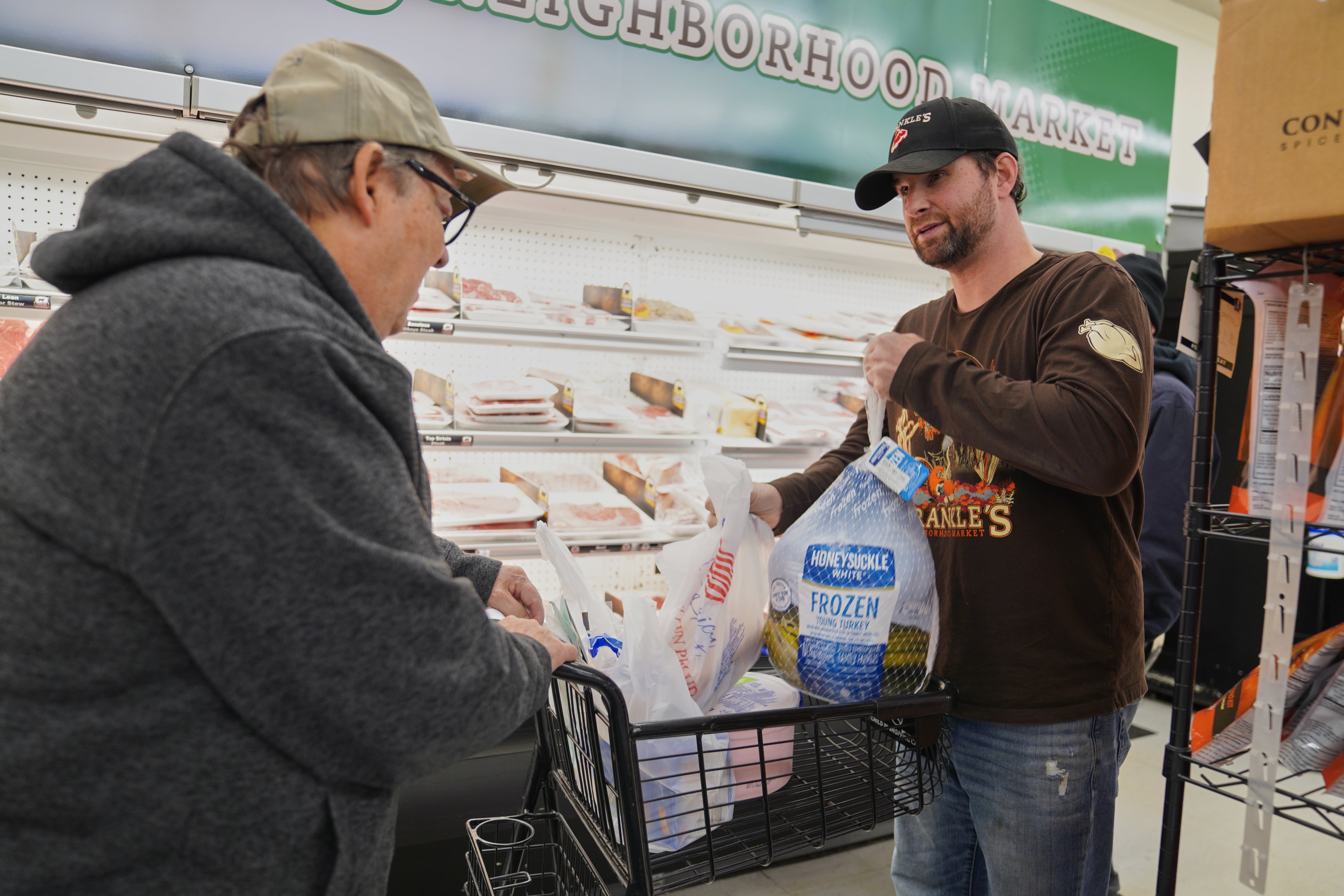
Some small grocery stores and neighborhood convenience stores are eager for the U.S. government shutdown to end and for their customers to start receiving federal food aid again. Late last month, the Trump administration froze funding for the SNAP benefits that about 42 million Americans use to buy groceries. The U.S. Department of Agriculture says about 74% of the assistance was spent last year at superstores like Walmart and supermarkets like Kroger. Around 14% went to smaller stores that are more accessible to SNAP beneficiaries. A former director of the United Nations World Food Program says SNAP is not only a social safety net for families but a local economic engine that supports neighborhood businesses.
Andy Baehr, Head of Product at CoinDesk Indices, breaks down crypto’s Black Friday crash, Bitcoin dipping under $100K, and what’s driving the market rout.