General Motors on Wednesday announced that in 2022 it delivered 2.2 million vehicles in the United States, making it the biggest automaker in the country.
Toyota took the crown from GM back in 2021, but held onto it for less than two years. The Japanese automaker sold 2.1 million vehicles in 2022, which is down 9.6 percent from 2021.
Shares of Toyota were down more than 1 percent following the release on Wednesday.
GM, by comparison, saw its sales increase 2.5 percent from 2021. A big chunk of those gains came in the fourth quarter, as supply chain issues eased and sales shot up 40 percent year-over-year. Cadillac sales were up 75 percent, and GM Fleet sales jumped 101 percent.
The legacy automaker isn't resting on its laurels in 2023. GM said it plans to grow its share of the electric vehicle market with a number of battery-powered models.
"GM plans to build on this momentum in North America in 2023, growing EV market share with nine EV models on sale, including the Chevrolet Bolt EV and Bolt EUV, which was the bestselling mainstream EV series in the third and fourth quarter," the company said in a statement.
The company said it expects production of the Bolt EV and Bolt EUC to increase to more than 70,000 units this year. Sales of those models were up 64,332 percent in 2022, as GM ramped up production of its electric line.
Seth Schachner breaks down Zootopia 2’s record-smashing debut, holiday box office trends, early 2026 Oscar contenders, and what’s next for Netflix and WBD.
Truist's Mike Skordeles unpacks earnings trends, market correction, labor force dynamics, and what a possible December rate cut could mean for all of us.
Holiday shopping heats up as big-box earnings reveal how Walmart, Target & Home Depot are navigating consumer pressure, strategy shifts and trends shaping 2025.
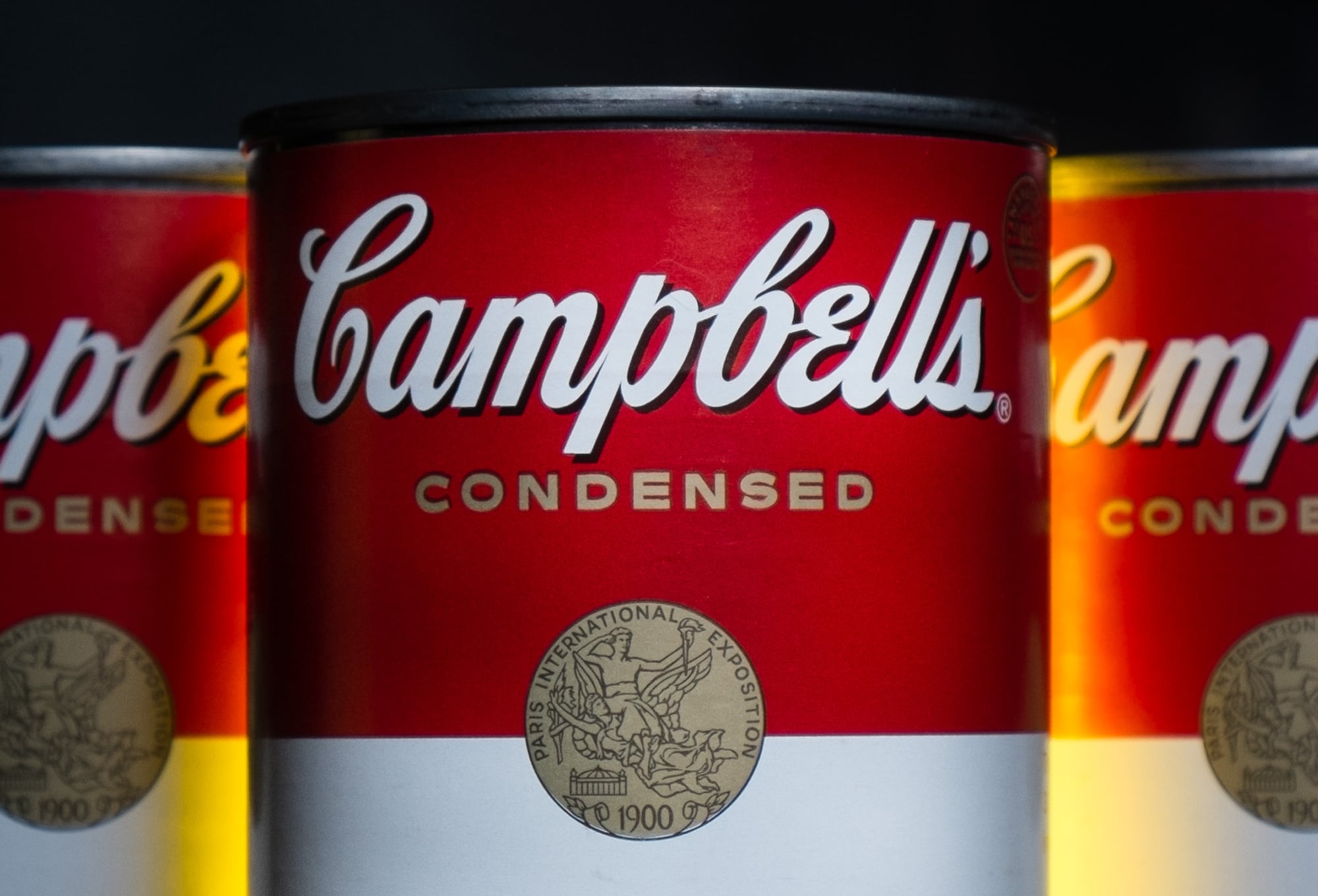
The Campbell’s Co. said Tuesday it has placed one of its executives on leave while it investigates claims that he made racist comments and mocked the company’s products and customers in an audio recording.
Elon Musk’s X unveiled a feature that lets users see where an account is based. Online sleuths and experts quickly found that many popular accounts, often posting in support of the U.S. MAGA movement with thousands or hundreds of thousands of followers, are based outside the U.S. This raises concerns about foreign influence in U.S. politics.