Gary Vaynerchuk, the outspoken CEO of creative agency VaynerMedia, checked in with Cheddar before the weekend to share his views on the biggest stories this week.
On creating jobs in the digital economy post-COVID:
"We've seen this before. When there's huge technology advancements, things evolve," he said.
Rather than focusing on the jobs being lost to technological changes, Vaynerchuk emphasized the "millions" of jobs being created around capturing and producing online content. He pointed to the emergence of “non-fungible tokens” or NFTs, which are digital certificates on the Ethereum blockchain that authenticate ownership of a digital asset and can be bought and sold.
Digital economy evangelists such as Vaynerchuk see NFTs as crucial to monetizing the web.
"It feels like a sea change: the blockchain, the ledgerization [or] digitalization of all goods, the way music is distributed, books, the way art and collectibles are sold, the way season tickets can be sold."
The goal, Vaynerchuk explained, is for the NFT market to set prices for the online economy.
On the possibility of new regulations for bitcoin and other cryptocurrencies:
"Regulation is the elephant in the room," he said.
On the one hand, he said bitcoin has gotten "over the hump" of gaining legitimacy with the general public, but that it now presents a challenge to sovereign nations on what steps they will take to regulate the cryptocurrency, and how those actions could impact its long-term success.
"I think it's going to be extremely interesting over the next half-a-decade to a decade to see what happens, and how much momentum will that currency, that community have versus what happens if it gets overregulated," he said.
On the upcoming direct listing of Coinbase, a digital currency exchange:
"You don't see companies doing this level of revenue profitably before an IPO, with a trend that is so macro that they're dominating in," said Vaynerchuk, who disclosed that he invested in the company back in 2014. "So, I'm just very curious what the market is going to do with it, but they have a lot of good math on their side."
Carl Tobias, professor of law at the University of Richmond, joins Cheddar News to talk about how Johnson & Johnson funded experiments on mostly Black men comparing the effects of talc and asbestos on their skin.
Amazon unveiled its new mobile app called Amp as a direct competitor to Clubhouse, allowing people to host live radio shows. Although it is still in beta, users can join the waitlist from the iOS store.
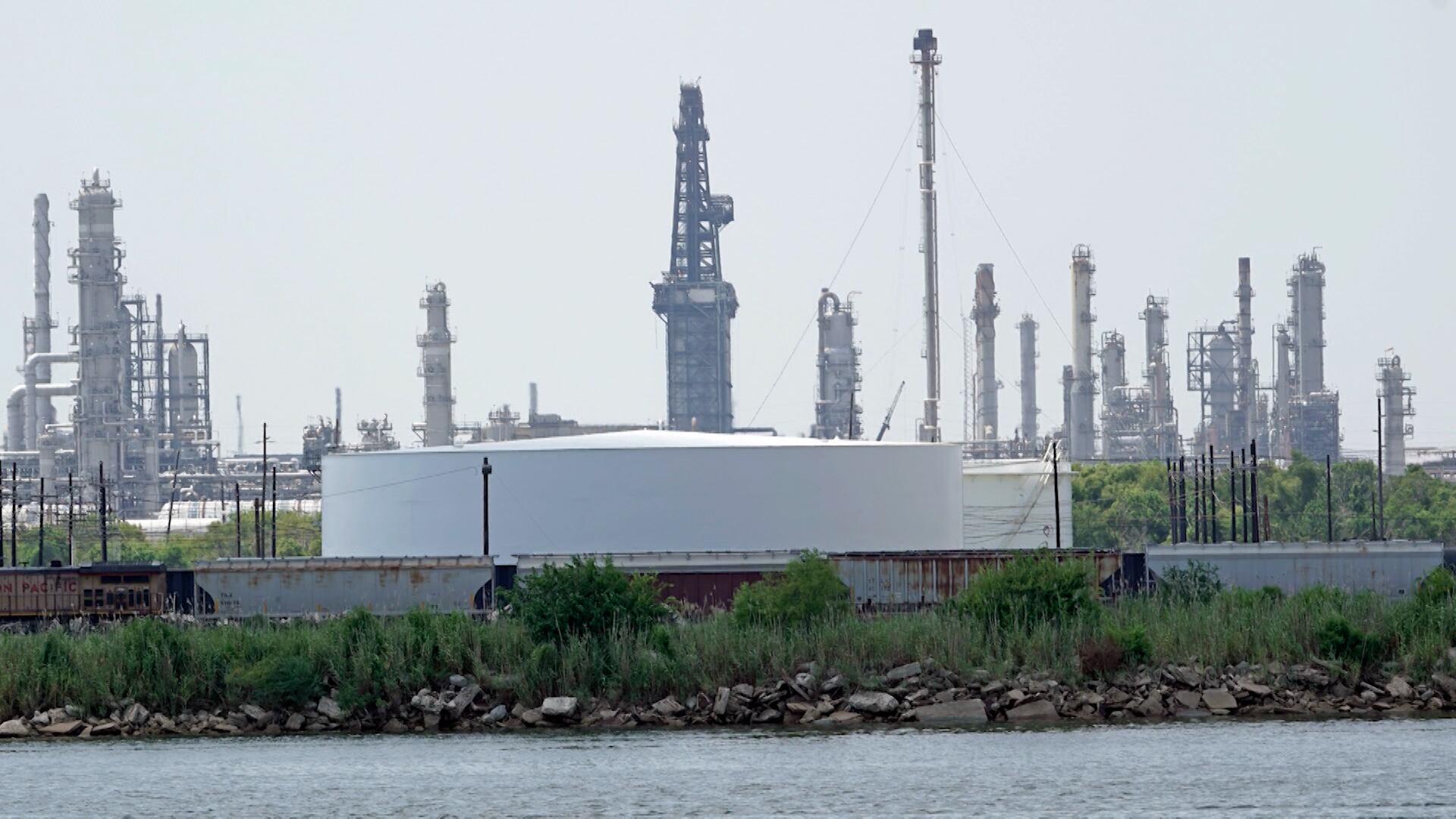
President Biden announced a ban on Russian oil and natural gas imports to the U.S. in response to its invasion of Ukraine, a move he warned could lead to an even greater surge in gas prices. The ban is prompting a conversation about the current oil production levels in the U.S. and whether or not the industry can ramp up production to soften the blow to American families at the gas pump. Clark Williams-Derry, Energy Finance Analyst with the Institute for Energy Economics and Financial Analysis, breaks down the state of the U.S. oil industry and how the ban might impact production levels here at home.
PepsiCo, Coca-Cola, McDonald’s, and Starbucks are the latest American food brands to have halted business operations in Russia after having faced scrutiny and criticism for originally failing to do so amid the country's invasion of Ukraine.
As Russia intensifies its war on Ukraine, President Biden announced a ban on oil imported from the aggressor nation. Critics of Russia have said this would be the best way to force Putin to pull back, but curbs on Russian oil exports are expected to send already skyrocketing oil and gas prices even higher, further impacting consumers, businesses, financial markets, and the global economy. Leslie Beyer, CEO of the Energy Workforce and Technology Council, joined Cheddar News' Closing Bell to discuss. "It's certainly going to increase pricing, but it is the right thing to do," she said. "The industry itself has already pulled out of the significant portion of its operations in Russia."
As airlines recover from COVID-19 and the industry becomes more competitive than ever, low-fare carrier Breeze Airlines is offering 35 new routes and reduced prices for its first-class experiences. CEO David Neeleman joined Cheddar News to talk about the rollout of services amid plenty of headwinds including high fuel costs. "We can limit a lot of costs because we're a technology company that happens to fly airplanes," he noted.
Despite women as a whole being among the groups most impacted by pandemic job losses, homesharing platform Airbnb reported that women hosts brought in $12 billion in revenue last year. Catherine Powell, Airbnb's global head of hosting, joined Cheddar News to discuss how women hosting has become a huge asset for the company. "Last year 21 percent more women joined the platform than men," she said. "So they are joining the platform. They are being successful. They're more super hosts, and they're doing incredibly well."