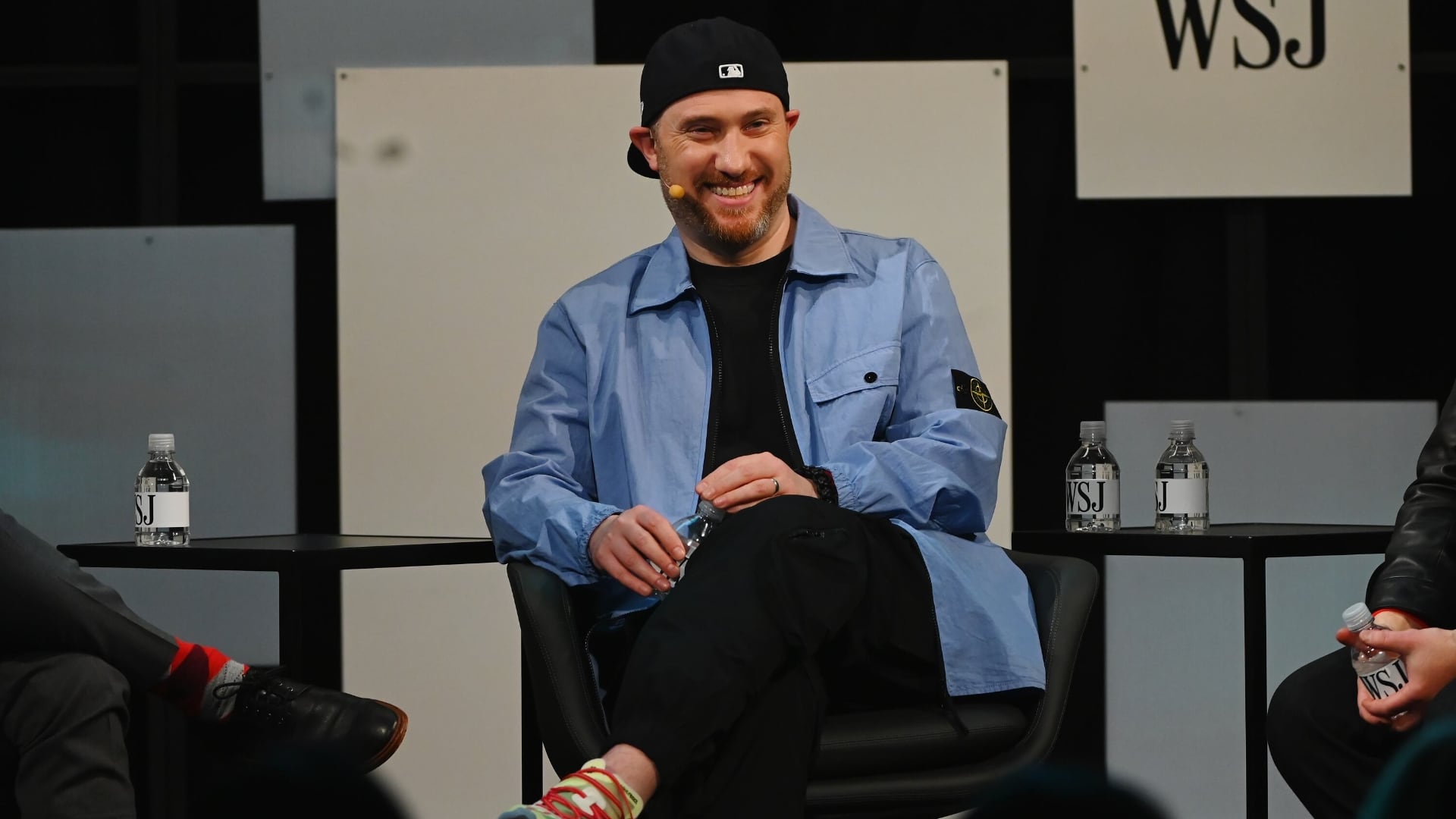
Gary Vaynerchuk, the outspoken CEO of creative agency VaynerMedia, checked in with Cheddar before the weekend to share his views on the biggest stories this week.
On creating jobs in the digital economy post-COVID:
"We've seen this before. When there's huge technology advancements, things evolve," he said.
Rather than focusing on the jobs being lost to technological changes, Vaynerchuk emphasized the "millions" of jobs being created around capturing and producing online content. He pointed to the emergence of “non-fungible tokens” or NFTs, which are digital certificates on the Ethereum blockchain that authenticate ownership of a digital asset and can be bought and sold.
Digital economy evangelists such as Vaynerchuk see NFTs as crucial to monetizing the web.
"It feels like a sea change: the blockchain, the ledgerization [or] digitalization of all goods, the way music is distributed, books, the way art and collectibles are sold, the way season tickets can be sold."
The goal, Vaynerchuk explained, is for the NFT market to set prices for the online economy.
On the possibility of new regulations for bitcoin and other cryptocurrencies:
"Regulation is the elephant in the room," he said.
On the one hand, he said bitcoin has gotten "over the hump" of gaining legitimacy with the general public, but that it now presents a challenge to sovereign nations on what steps they will take to regulate the cryptocurrency, and how those actions could impact its long-term success.
"I think it's going to be extremely interesting over the next half-a-decade to a decade to see what happens, and how much momentum will that currency, that community have versus what happens if it gets overregulated," he said.
On the upcoming direct listing of Coinbase, a digital currency exchange:
"You don't see companies doing this level of revenue profitably before an IPO, with a trend that is so macro that they're dominating in," said Vaynerchuk, who disclosed that he invested in the company back in 2014. "So, I'm just very curious what the market is going to do with it, but they have a lot of good math on their side."
On this episode of ChedHER: CEO of The Lactation Network breaks down how they are expanding access to lactation support for families nationwide; CEO of Vanta explains the importance of a security team for startups; Midwest Divison Area Manager at JPMorgan Chase discusses the perks of having a business mentor.
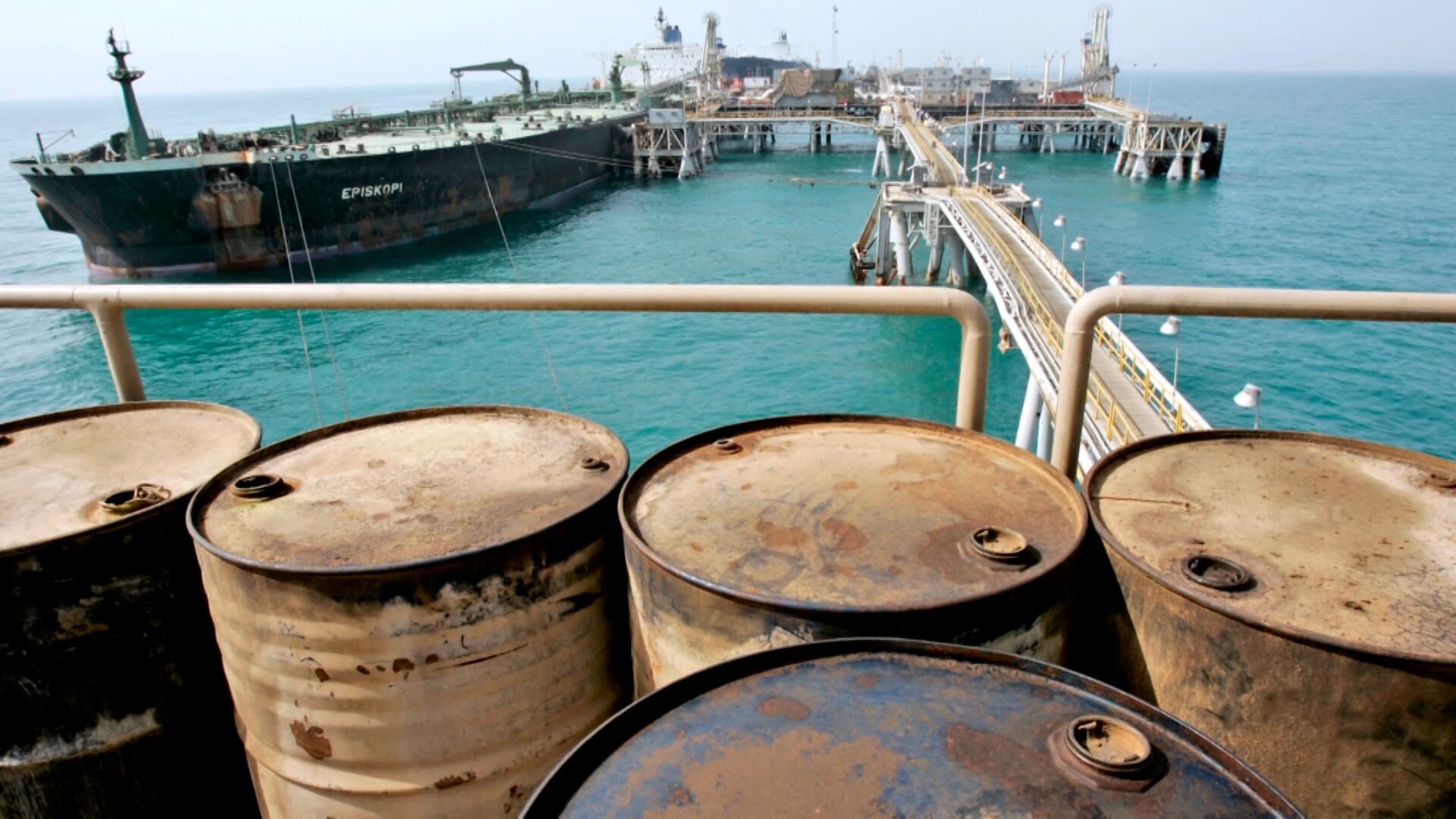
The global oil benchmark has crossed the $100 per barrel mark for the first time since 2014. Oil prices have surged nearly 10 percent since Russia's invasion of Ukraine. Russia is the number two oil producer in the world, and it comes at a time when global oil supplies have already been constrained over the course of the past year. Rob Thummel, portfolio manager at Tortoise, joined Cheddar Movers to discuss.
Russia's economy is falling on hard times as businesses throughout the world continue to shut out the country after its invasion of Ukraine. Cheddar News was joined by Christine McDaniel, Senior Research Fellow at the Mercatus Center, to learn more about the situation.
Tech companies such as Google, Apple, and Twitter are the latest to announce back-to-office plans. Google has asked its employees to return starting on April 4th. Heidi Brooks, senior lecturer in organizational behavior at Yale University School of Management, joins Cheddar News to discuss.
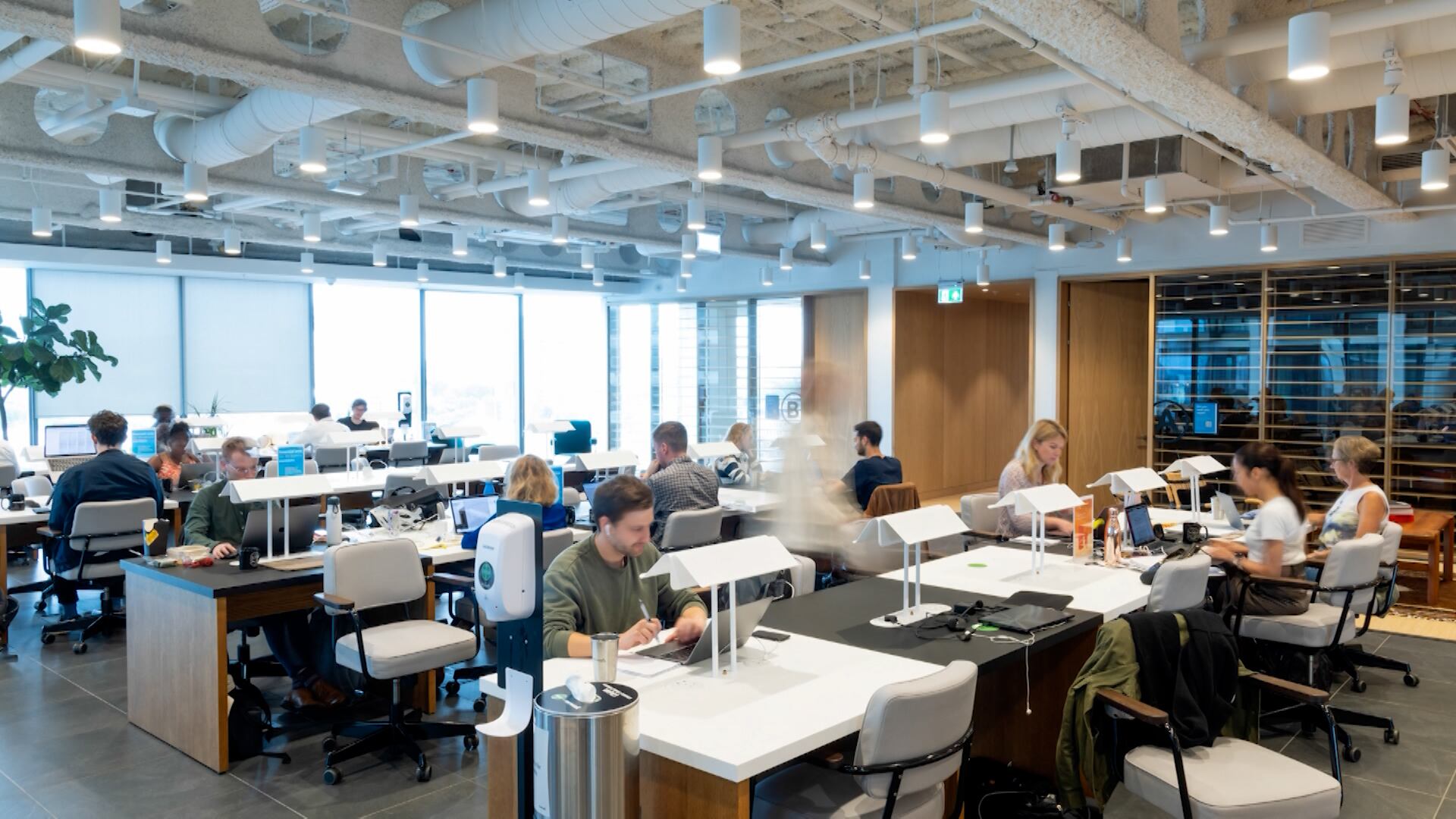
Businesses face more challenges for building a positive work environment as offices reopen. Workplace tech platform Envoy's At Work Report showed that hybrid work is currently in vogue, featuring focused work in both the office and at home. Annette Reavis, chief people officer for Envoy, joined Cheddar to discuss how employers can smooth the rough edges for their returning employees. "It is about hybrid though, it's really important for the future that we change our mindset from five days a week," she said. "Those are days of the past to working hybrids. So when you're in the office, you're focused, you're working cross-functionally."
Following the invasion of Ukraine, a multitude of Western companies have paused doing business with Russia. PepsiCo, Coca-Cola, McDonald's, and Starbucks are the most recent companies to temporarily cease operations in Russia. Dean of Miami Herbert Business School at the University of Miami, John Quelch, joined Cheddar News to discuss what message this sends to Russia and the Russian consumer. “I would not underestimate the collective strength of all of these multinational companies, essentially coming together to make their collective statement in support of the political statements that have come out of Washington," he said.
Cristyl Kimbrough, real estate attorney and star of 'Ladies Who List: Atlanta,' joins Cheddar News to discuss her new show on OWN and breaking into Atlanta's luxury real estate space.