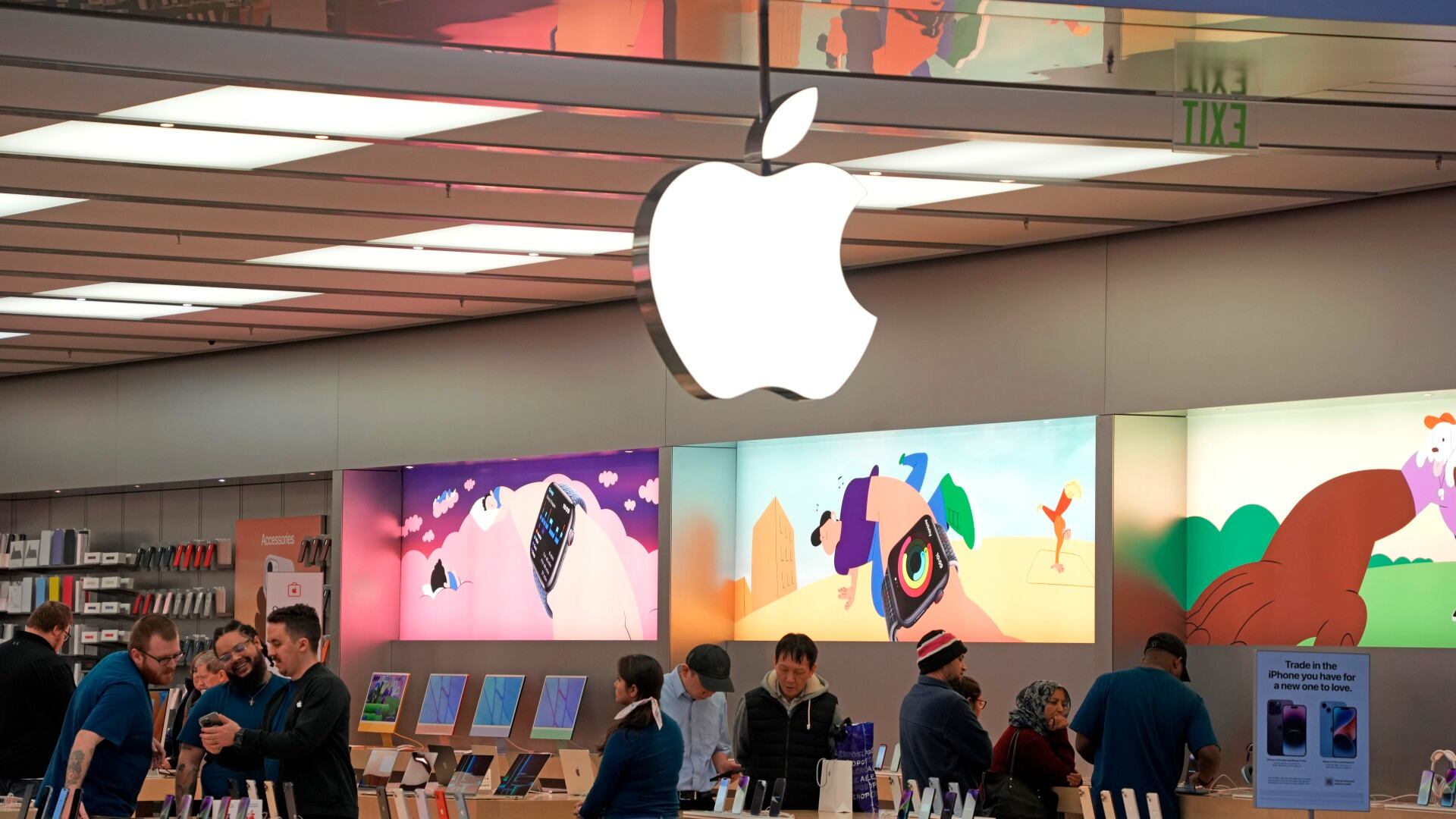
*By Nora Ali* Physical retail is making a comeback. After the shuttering of countless brick-and-mortar stores, online vendors are taking a page out of traditional retail's book and using pop-up shops to showcase their products. Allbirds, Glossier, and Casper are just a few examples of direct-to-consumer brands that are getting back to basics by launching pop-ups or interactive showrooms. The latest to join them is online grocery and self-care company Brandless, which opened its pop-up in New York City's Meatpacking District on Wednesday. According to CEO and co-founder Tina Sharkey, the pop-up is operating with a central goal: “to meet our community, to talk to the customer that we serve," she told Cheddar. As physical retailers continue to shift toward “experiences” to lure customers ー think cocktails, manicures, massages ー Brandless is following suit. At one station in the pop-up store, visitors can write notes to loved ones on pre-stamped postcards. A wall displays pieces of paper that visitors can tear off, depending on their “need”: "Freedom," "Peace," and "Love," among other options. Customer quotes adorn the aisles, highlighting Brandless’s community-driven model. Sharkey noted that “Brandless was really invented with the idea that we wanted to transact and scale kindness.” While scaling kindness is a core value for Brandless, the company's offerings reflect another mission: to remove the anxiety that online shopping's overwhelming options can produce. The company created waves when it first launched in July of 2017 with its unique model. Brandless’s roughly 350 products all cost $3 or less ー ranging from non-toxic cleaning supplies to non-GMO pantry foods to natural beauty products. The goal of the limited assortment is to offer customers accessibility without overwhelming them. By comparison, Sharkey said that typical grocery stores have 20,000-40,000 non-perishable products. Brandless is not trying to compete against behemoth retailers like Amazon ($AMZN) and Walmart ($WMT). Sharkey noted that Brandless should ideally supplement other household shopping trips, and she doesn’t think Brandless will ever sell perishable goods. This conscious decision to limit products removes much of the logistical and monetary burden for Brandless that mass grocery retailers face. Sharkey acknowledges that the company will “absolutely” expand beyond its $3 price point. Even still, the assortment is varied as is, with facial scrubs, night creams, tree-free toilet paper, kitchenware ー all products that don't come cheap. Sharkey remarked that top chefs who have used the company’s pure stainless steel knives have wondered how exactly Brandless was able to keep costs so low. Sharkey’s response: “You’ve just been getting ripped off. You’ve been paying too much for the stuff that doesn’t need to cost that. On a basic level, Sharkey wants to make eye contact with her customers and inspire more humanity in retail. “The future of retail will be technology enabling all the stuff we don’t need to worry about, so that people can get back to acting like people.” For full interview [click here](https://cheddar.com/videos/brandless-unveils-pop-up-with-purpose-in-new-york).