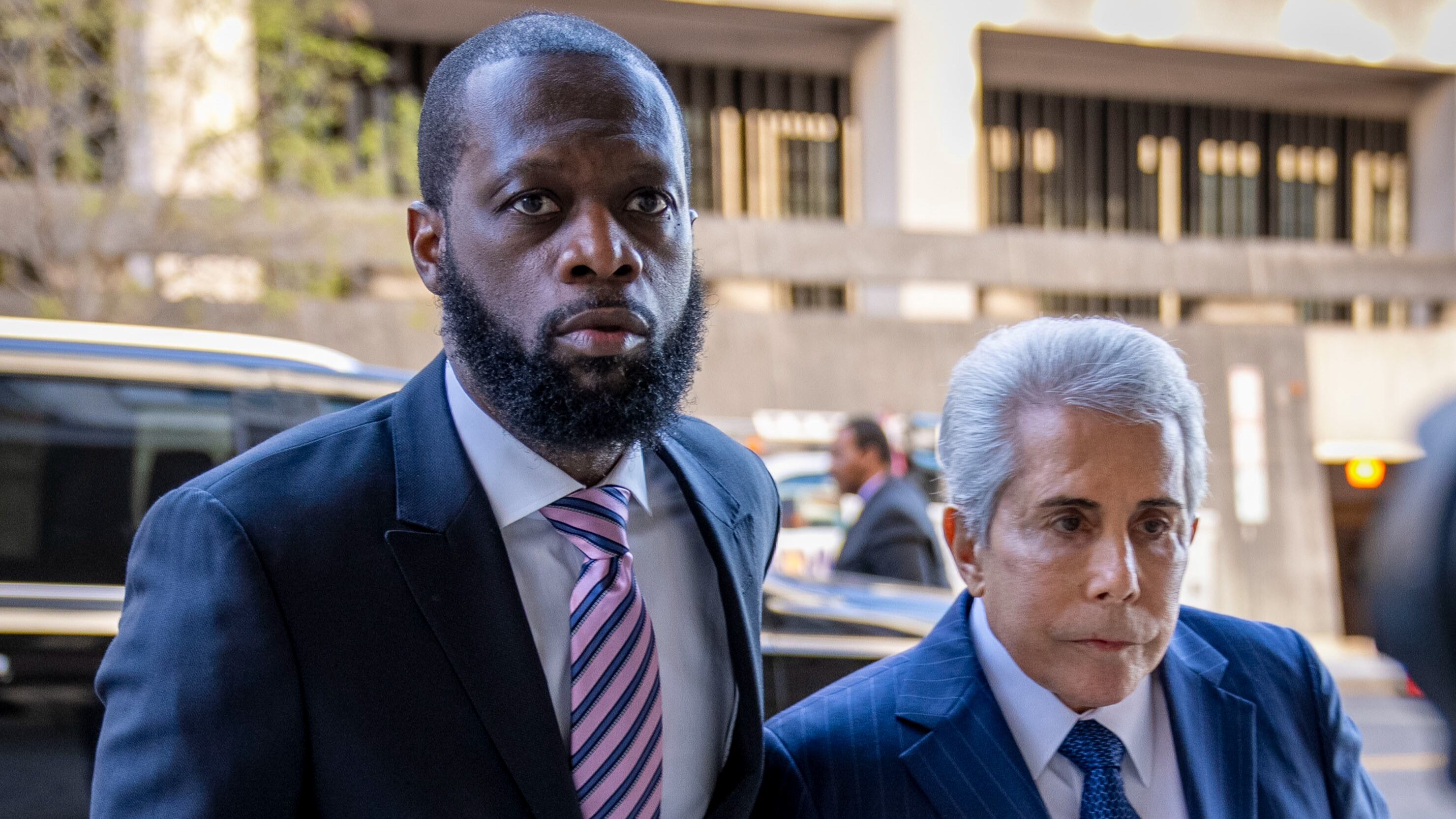
Prakazrel "Pras" Michel, left, a member of the 1990s hip-hop group the Fugees, accompanied by defense lawyer David Kenner, right, arrives at federal court for his trial March 30, 2023, in Washington. Michel argued this week that use of the generative AI program was one of a number of errors his previous attorney made a trial for which he was "unqualified, unprepared and ineffectual," according to a motion for new trial his new lawyers filed. (AP Photo/Andrew Harnik, File)
By Lindsay Whitehurst
The trial of a Fugees rapper, who was convicted this year in multimillion-dollar political conspiracies, stretched across the worlds of politics and entertainment — and now the case is touching on the tech world with arguments that his defense attorney bungled the case, in part, by using an artificial intelligence program to write his closing arguments.
Prakazrel “Pras” Michel argued that use of the “experimental” generative AI program was one of a number of errors his previous attorney made a trial for which he was “unqualified, unprepared and ineffectual," according to a motion for new trial his new lawyers filed this week. The company behind the program, on the other hand, said it was a tool used to help write closing statements, and a harbinger of major changes in the field.
Generative AI programs are capable of creating realistic text, images and video. They're raising tough questions about misinformation and copyright protections as well as industry calls for regulations in Congress. Programs like ChatGPT have already had ripple effects across professions like writing and education. The arguments in the Michel case could be a preview of issues to come as the technology makes a rapid advance.
The Grammy-winning rapper's trial was touted as the first time generative AI was used during closing statements in a news release from the startup company that designed the system. Defense attorney David Kenner, well known for his previous representation of rappers like Suge Knight and Snoop Dogg, also gave a quote calling the system a “game changer for complex litigation."
But in his last words to the jury, Kenner appeared to mix up key elements of the case and misattributed the lyric “Every single day, every time I pray, I will be missing you,” to the Fugees, the 1990s hip-hop group his client co-founded, when actually it is a well-known line from a song by the rapper Diddy, then known as Puff Daddy, court documents from Michel’s new attorney, Peter Zeidenberg, stated.
Kenner did not respond to a phone call and email seeking comment from The Associated Press. The company, EyeLevel.AI, said the program wasn't “experimental” but instead trained using only facts from the case, including the transcripts from the previous day in court, not musical lyrics or anything found online. It's intended to provide fast answers to complex questions to help, not replace, human lawyers, said co-founder and COO Neil Katz.
“We think AI technology is gong to completely revolutionize the legal field by making it faster and cheaper to get complex answers to legal questions and research,” Katz said.
He denied an allegation from Michel's new lawyers that Kenner appeared to have a financial stake in the company.
Michel was found guilty in April on all 10 counts he was charged with, including conspiracy and acting as an unregistered agent of a foreign government. He faces up to 20 years in prison on the top counts. He is free ahead of sentencing, which has not yet been set.
“At bottom, the AI program failed Kenner, and Kenner failed Michel. The closing argument was deficient, unhelpful, and a missed opportunity that prejudiced the defense,” wrote Zeidenberg. His other arguments for a new trial included the jury being allowed to hear references to the “crime fraud exception” and “co-conspirators."
Michel was accused of funneling money from a now-fugitive Malaysian financer through straw donors to Barack Obama’s 2012 reelection campaign, then trying to squelch a Justice Department investigation and influence an extradition case on behalf of China under the Trump administration. His trial included testimony ranging from actor Leonardo DiCaprio to former U.S. Attorney General Jeff Sessions.
Kenner had argued during the trial the Grammy-winning rapper simply wanted to make money and got bad legal advice as he reinvented himself in the world of politics.
It wasn't immediately clear when a judge might rule on the motion for new trial.
The legal profession in general has not yet been deeply affected by generative AI, but that could change in a big way as products improve, said John Villasenor, a professor of engineering and public policy at the University of California, Los Angeles. The American Bar Association does not yet have any guidelines on the use of AI in the legal profession, though there is a new task force studying the issue, a spokeswoman said.
Villasenor was not aware of any generative AI tools now that could produce strong closing arguments since they depend on so many complex factors that develop over the course of a trial. Generative AI also sometimes produces “hallucinations,” statements that initially read as if they are accurate but are not.
“A good attorney coming up with closing arguments will be mindful of basic goals of the case but also of the specific ways in which the trial has played out,” he said. Even as products improve, “attorneys that use AI should make sure they very carefully fact check anything they are going to use.”
M&T Bank rang the Opening Bell at the New York Stock Exchange Thursday morning as the company celebrated a milestone of opening 100 new multicultural banking centers. David Femi, head of multicultural banking, joined Cheddar to discuss the culturally inclusive expansion as part of the bank's overarching goal to increase financial access in racially and ethnically diverse communities. "By designating branches as multicultural is just one way for us to be intentional in making sure, that number one, when [customers] come into these branches, they see people that look like them, they see people that speak their language," he said.
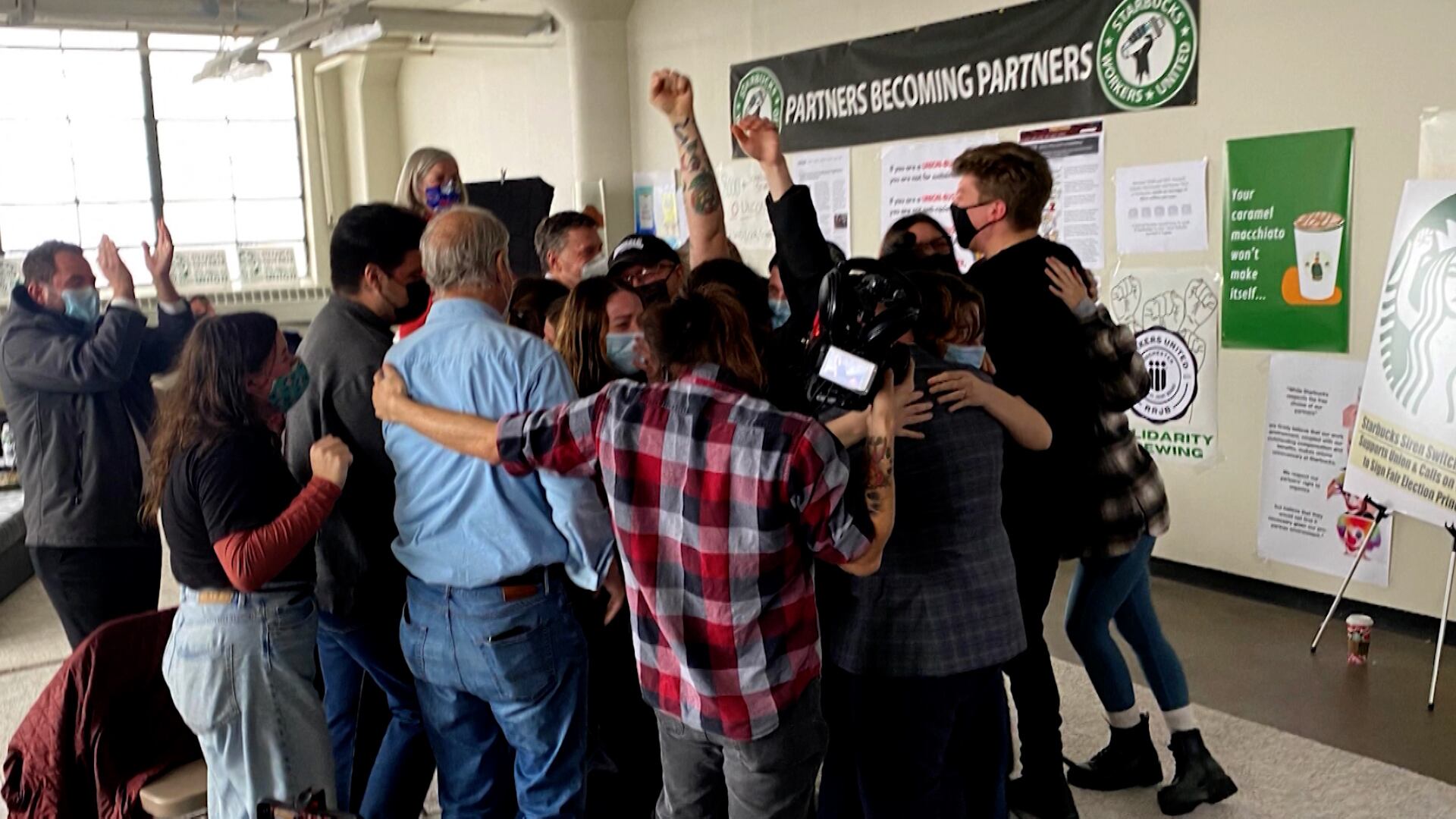
A second Starbucks location in the U.S. has officially voted to unionize. On Monday, the National Labor Relations Board announced workers at the Starbucks store located in the Buffalo, NY suburb of Cheektowaga voted 15-9 in favor of being represented by Workers United, an affiliate of the Service Employees International Union. The New York Times reports votes were tallied in December but remained inconclusive as the union challenged the ballots of several employees it said did not work at the store. A Starbucks spokesperson has said that it may appeal the labor board's decision, which comes as several other Starbucks stores across the country are also pushing to form a union. Danka Dragic, shift supervisor for the second Starbucks store in the country to unionize, joined Cheddar News' Closing Bell to discuss.
Technology-driven sustainable waste management platform, RoadRunner Recycling, recently raised a $70 million Series D round from BeyondNetZero, the climate investing venture of General Atlantic. RoadRunner says it creates and manages end-to-end waste and recycling solutions for businesses of all sizes and that its proprietary technology can boost cost savings and improve recycling rates for companies, which in turn drives sustainability for the waste industry and our world. RoadRunner Recycling founder and CEO Graham Rihn joined Cheddar News' Closing Bell to discuss.
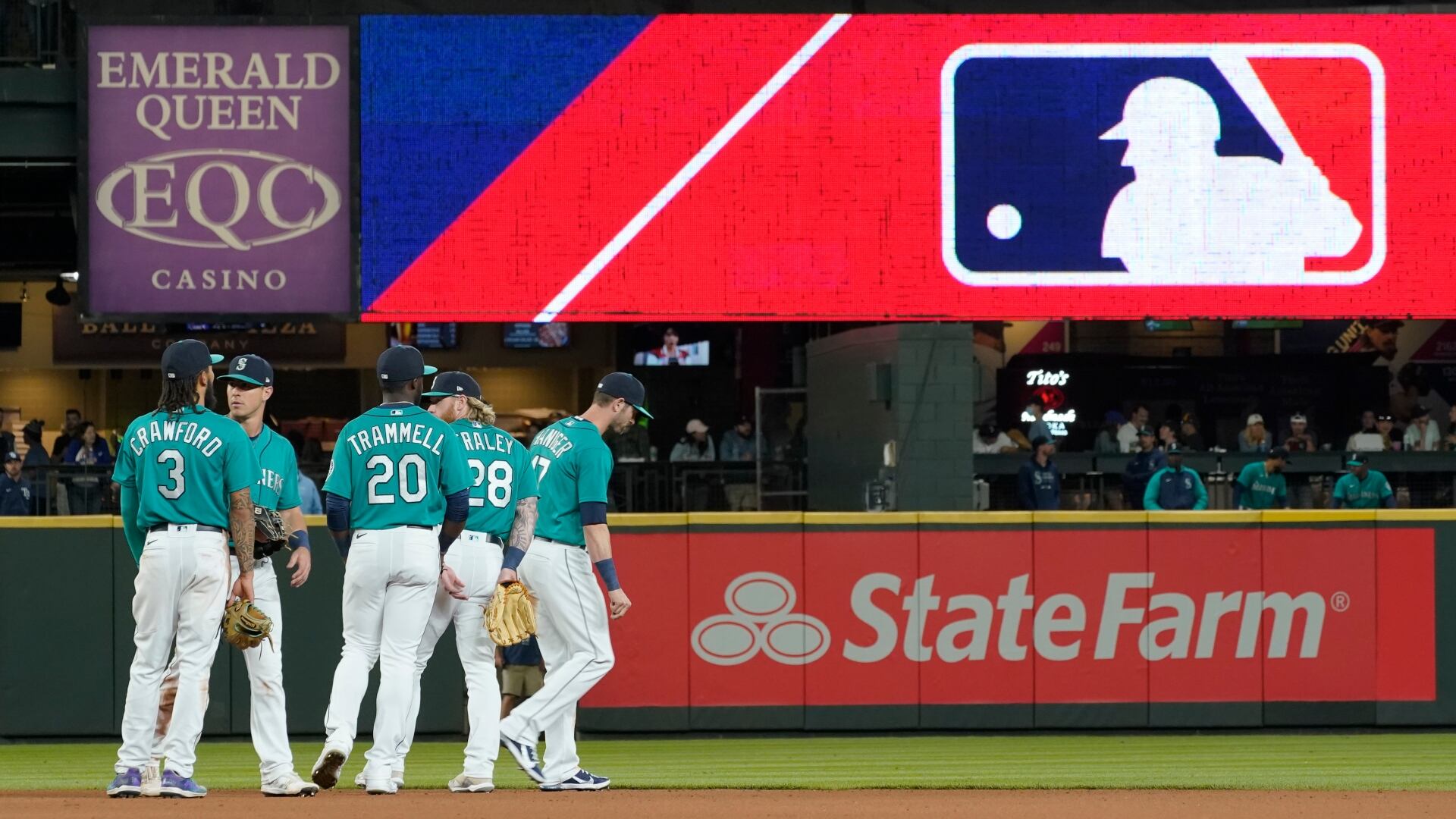
Apple TV+ is in serious talks for the rights to stream MLB games next season, the first foray into sports content for the platform, according to the New York Post. Lee Berke, president and CEO of LHB Sports, sat down with Cheddar to discuss how such a deal might impact the tech giant and the sports content industry. "Quite often with new media platforms one of the quickest ways to create and implement a programming strategy — and actually one of the most expensive ways — is to offer up sports content," Berke noted. "So, with this package available, it puts Apple literally in the game and gives them an opportunity to demonstrate their skills in offering up a major league sport."
A.I.-enabled fintech company Qraft Technologies recently closed a $146 million investment from SoftBank Group Corp.
The companies say they are entering a partnership to accelerate artificial intelligence in the asset management industry. Qraft has already developed A.I. solutions that have been used by major financial institutions and says its new approach to asset management maximizes investment efficiency. Qraft Technologies U.S. CEO Robert Nestor joined Cheddar News' Closing Bell to discuss.
Peacock has announced a slate of original Olympic games documentaries set to premiere throughout January. The first series, 'Meddling' is now available to stream. The four-part docuseries details the 2002 winter Olympic scandal which alleged that the pairs figure skating competition had been fixed to favor Russia. Tara Lipinski, Olympic gold medalist, champion figure skater, and executive producer of ' Meddling,' joins Cheddar News discuss the series.
A decade ago, long before streaming services, the amount of binge-watching viewers could take part in was slim. Now, streaming services have established binge-watching as a viewing norm. However, how can viewers know when they've crossed the line from innocent entertainment to harmful addiction? Judy Grisel, professor of psychology at Bucknell University, joins Cheddar News to discuss a new study that identifies psychological predictors of problematic binge-watching.
Glassdoor has officially revealed its list of the best places to work in the year 2022. The top 10 on the list include tech companies and just one retail company. Senior economist at Glassdoor, Daniel Zhao, joined Cheddar to discuss more.
Students in the Chicago Public School system will head back to class tomorrow at long last. The move comes after four days of canceled classes due to clashes between teachers and the city, including Chicago Mayor Laurie Lightfoot. National Educational Reporter at USA Today, Richard Erin, joined Cheddar to discuss more.
Sixteen of the country's most prestigious universities have been hit with a lawsuit claiming those schools illegally conspired to eliminate competitive financial aid offers for students. Just some of the schools mentioned include Yale, Brown, Columbia, UPenn, and Cornell. Author of "Who Gets In and Why" and Professor of practice at Arizona State University, Jeff Selingo, joined Cheddar to discuss more.