Health and Human Services Secretary Alex Azar received some support from a fellow previous holder of the cabinet position.
"When it comes to pandemics, anything that you say in advance of a pandemic sounds alarmist and anything you've done after it starts is inadequate," former Utah Governor and former U.S. secretary of Health and Human Services Mike Leavitt told Cheddar Monday.
Leavitt, who warned the nation was unprepared for a pandemic when he took over in 2005 under President George W. Bush, said the current secretary, Alex Axar, "is closely following a well-established plan that was laid out years ago and was used by two administrations before this." Azar reportedly warned in early January the potential new outbreak was a big deal, but the Trump administration had downsized the pandemic preparedness team that was part of the National Security Council and did not follow the NSC pandemic playbook.
"Candidly, there are limits to what the federal government can do because most of the resources to actually fight an emergency like this belong to the states," he said. But, a pandemic puts everyone on the front line, creating "a uniquely local emergency" that requires each family, business, church, and school to have a plan.
From political leaders to people staying home, Leavitt said "every American needs to understand that they have a role" in curbing the spread of the novel coronavirus by making sure they aren't accidentally spreading the virus to strangers or loved ones.
"Right now, everything is affected, everyone is affected, and therefore there is a role for everyone," he said. Leavitt, who said a close friend had died yesterday due to coronavirus, said experiences like that are "causing all of us to become much more understanding of the severity of this."
Pandemics fundamentally change the shape of the world, Leavitt said. He said he has studied pandemics throughout history and thinks "we're going to see profound impact on [politics, economics, and sociology]."
"There are very few times in the history of a nation where everyone's heart sort of beats together for the same purpose. And we are uniting and doing remarkable things as a country" he said.
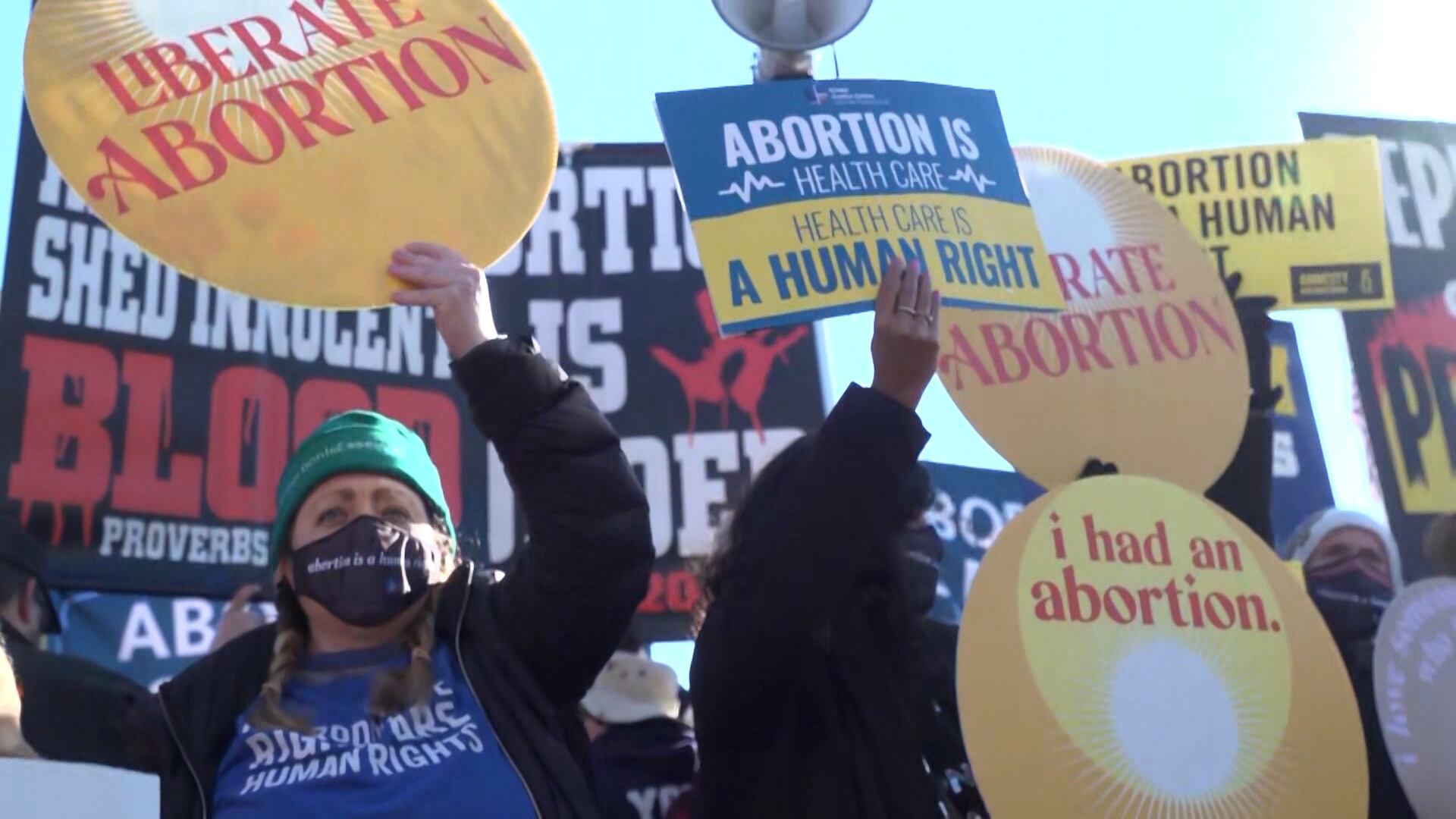
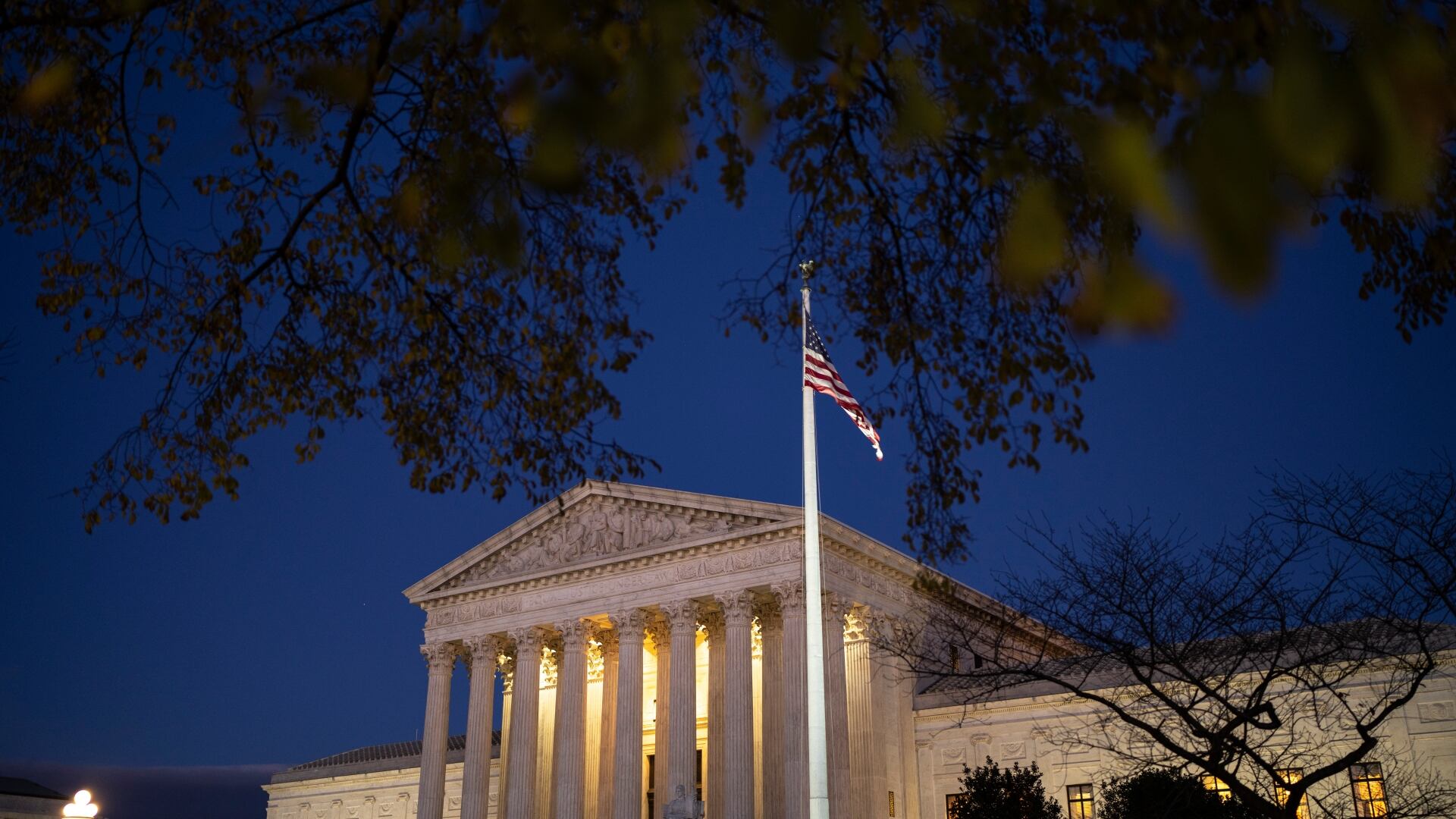
The Supreme Court appeared prepared Wednesday to uphold a Mississippi law that would ban almost all abortions after 15 weeks of pregnancy. The ruling is far from over, with Roe V. Wade at risk. Susan Rinkunas, senior reporter at Jezebel, joins Cheddar News to share the developments of the hearing.
The nine justices heard arguments Wednesday, around a Mississippi abortion law that bans the procedure after 15 weeks and appeared to lean toward upholding the law, while leaving uncertainty about the landmark precedent, Roe v. Wade. Kristin Ford, vice president of communications and research at NARAL Pro-Choice America joins Cheddar News to discuss.
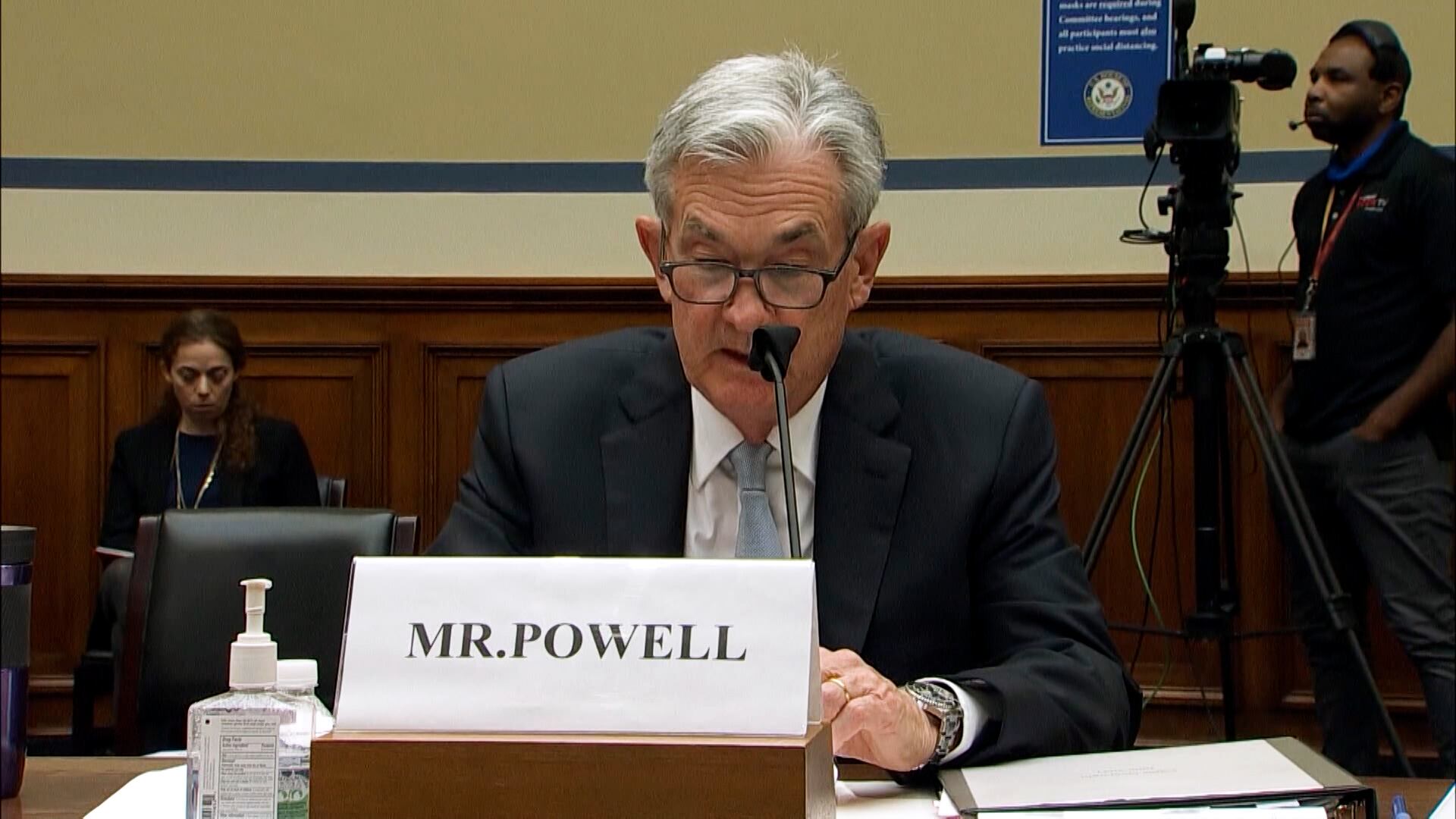
Just about a week after being re-nominated, Federal Reserve Chair Jermone Powell is changing his tune. After nearly a year of referring to inflation as 'transitory,' Powell said he will retire the 'T' word as inflation remains elevated. Christopher Russo, Post-Graduate Research Fellow, Mercatus Center joined Cheddar's Opening Bell to discuss.
Airbnb has come under fire after an Axios report found that the rental company has properties available in China's Xinjiang region where the nation has been accused of committing genocide against Uyghur Muslims, demolishing their homes, and replacing them with tourist attractions.
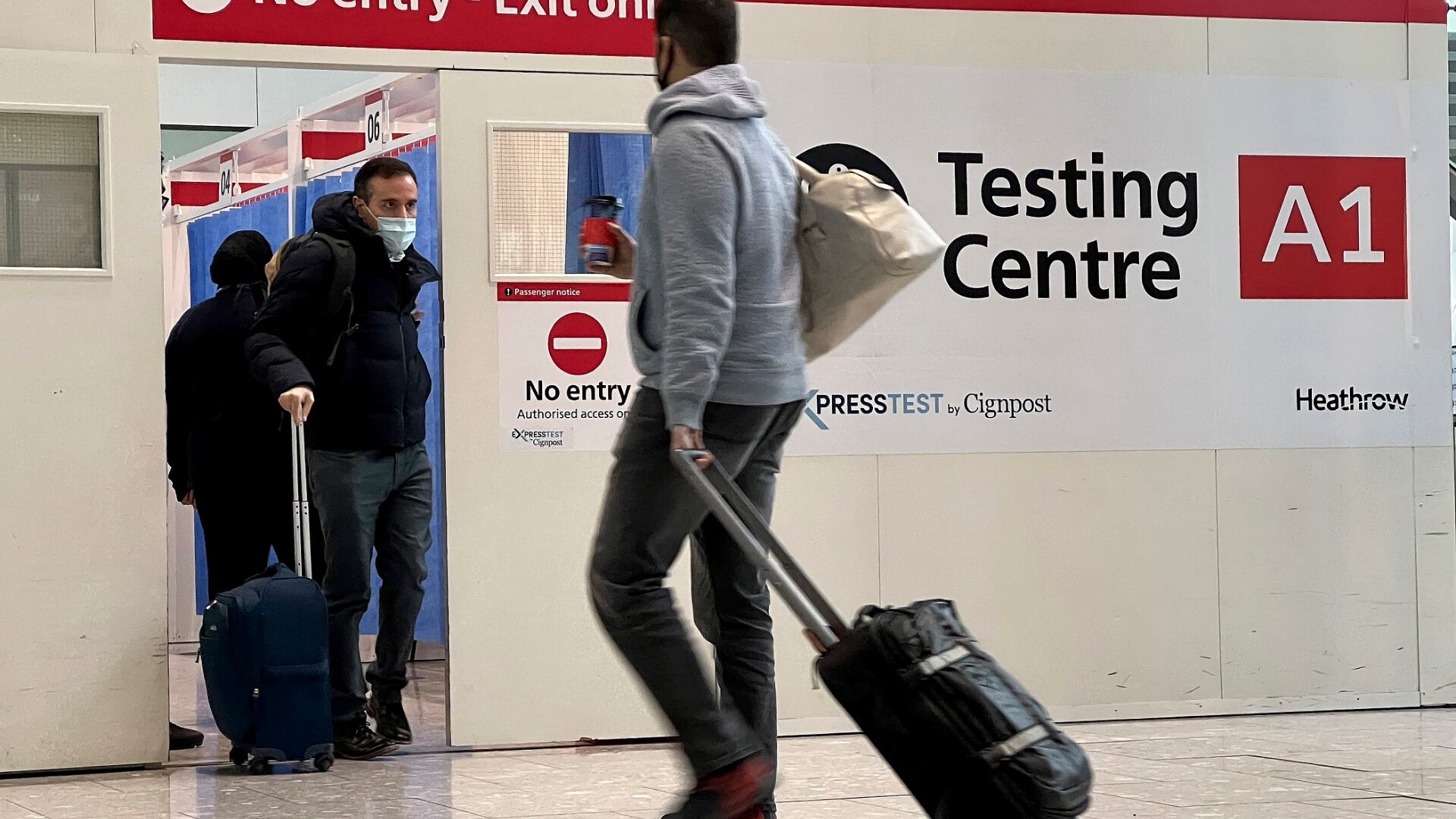
With the emergence of the omicron variant, the U.S. is considering tightening international travel guidelines. The CDC said it might reduce the window for foreign travelers to submit a negative COVID-19 test from three days prior to one day before allowing entry.
Jill and Carlo cover the latest on Omicron, another school shooting in America and more. Plus, bidding farewell to 'transitory' inflation, and the controversy surrounding 'Lovely Bones' author Alice Sebold.
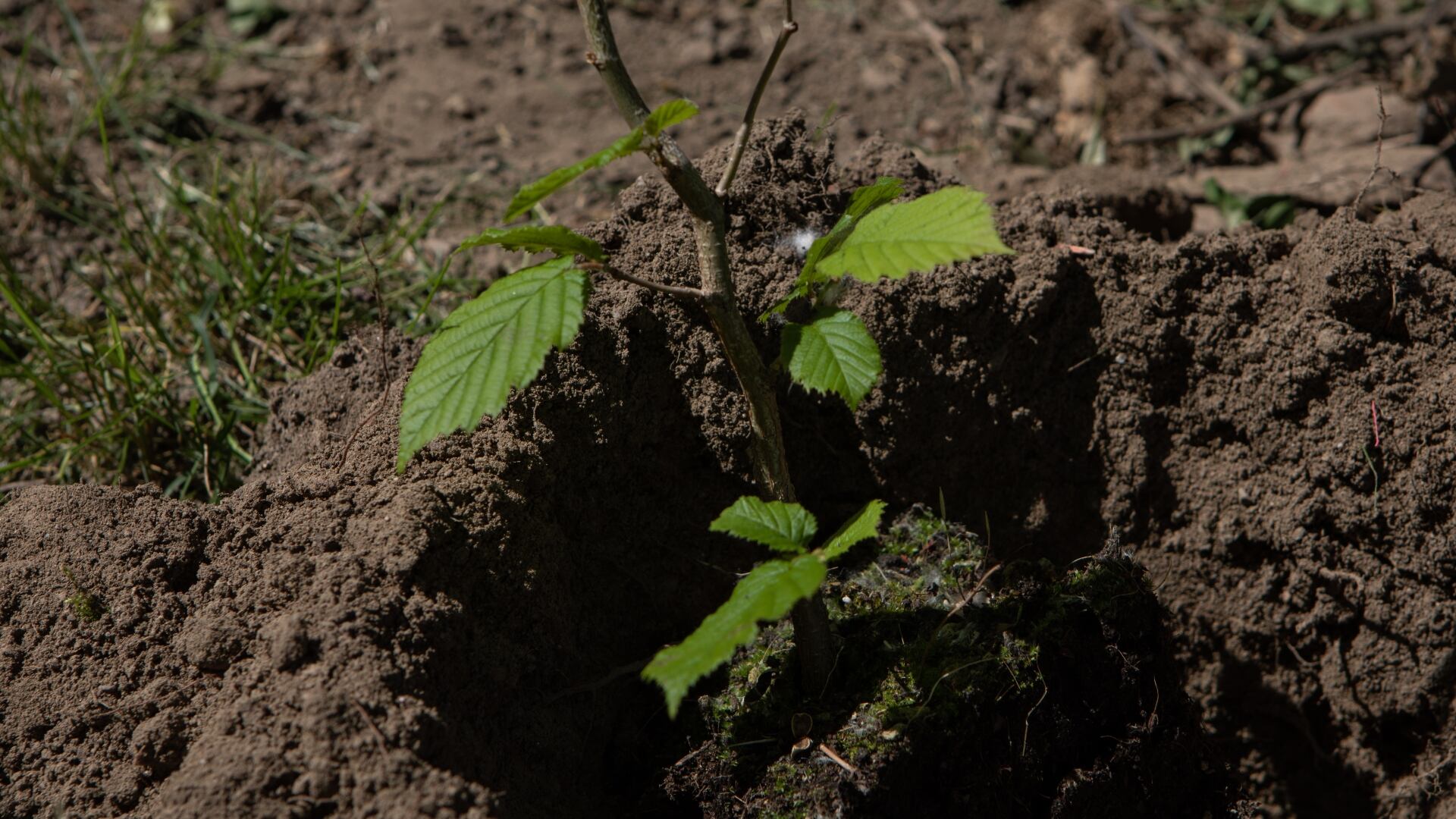
Disparities in tree coverage across America is a huge issue that affects air quality, heat exposure, and ultimately determines how resilient communities are against climate change. The Build Back Better Act is allocating $2.5 billion to boost 'tree equity.' Lemir Teron, assistant professor at SUNY College of Environmental Science and Forestry, joins Cheddar News to explain why this is a priority for Democrats today.