Health and Human Services Secretary Alex Azar received some support from a fellow previous holder of the cabinet position.
"When it comes to pandemics, anything that you say in advance of a pandemic sounds alarmist and anything you've done after it starts is inadequate," former Utah Governor and former U.S. secretary of Health and Human Services Mike Leavitt told Cheddar Monday.
Leavitt, who warned the nation was unprepared for a pandemic when he took over in 2005 under President George W. Bush, said the current secretary, Alex Axar, "is closely following a well-established plan that was laid out years ago and was used by two administrations before this." Azar reportedly warned in early January the potential new outbreak was a big deal, but the Trump administration had downsized the pandemic preparedness team that was part of the National Security Council and did not follow the NSC pandemic playbook.
"Candidly, there are limits to what the federal government can do because most of the resources to actually fight an emergency like this belong to the states," he said. But, a pandemic puts everyone on the front line, creating "a uniquely local emergency" that requires each family, business, church, and school to have a plan.
From political leaders to people staying home, Leavitt said "every American needs to understand that they have a role" in curbing the spread of the novel coronavirus by making sure they aren't accidentally spreading the virus to strangers or loved ones.
"Right now, everything is affected, everyone is affected, and therefore there is a role for everyone," he said. Leavitt, who said a close friend had died yesterday due to coronavirus, said experiences like that are "causing all of us to become much more understanding of the severity of this."
Pandemics fundamentally change the shape of the world, Leavitt said. He said he has studied pandemics throughout history and thinks "we're going to see profound impact on [politics, economics, and sociology]."
"There are very few times in the history of a nation where everyone's heart sort of beats together for the same purpose. And we are uniting and doing remarkable things as a country" he said.
Following the surprising big beat on estimates for the January jobs report, William M. Rodgers III, vice president and director of the Institute for Economic Equity at the Federal Reserve Bank of St. Louis, joined Cheddar News to break down the data. “We ended 2021 with a strong crescendo to a recovery that had taken hold, and we started 2022 in good fashion." He also discussed the dueling pressures of wage growth and inflation.
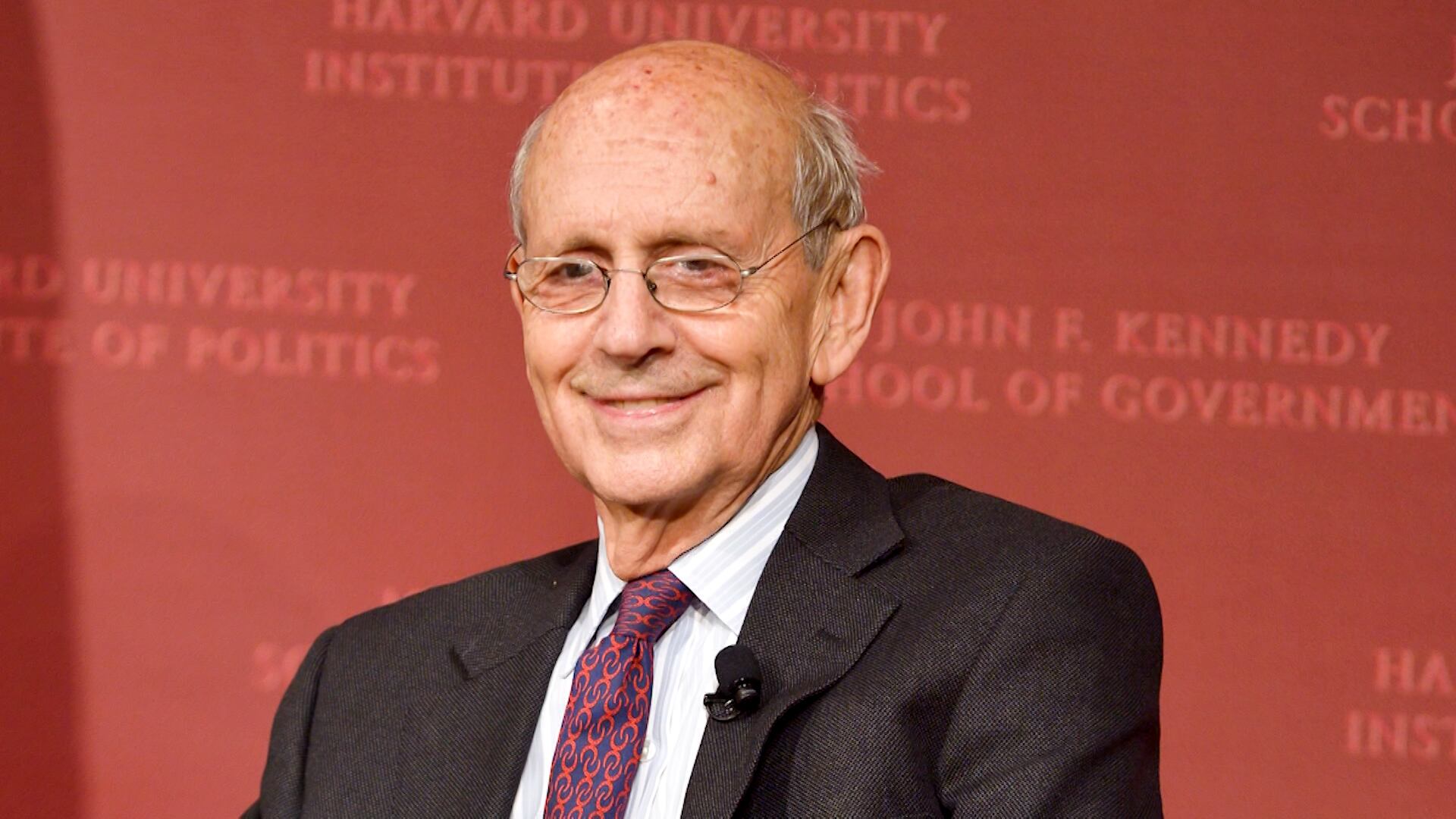
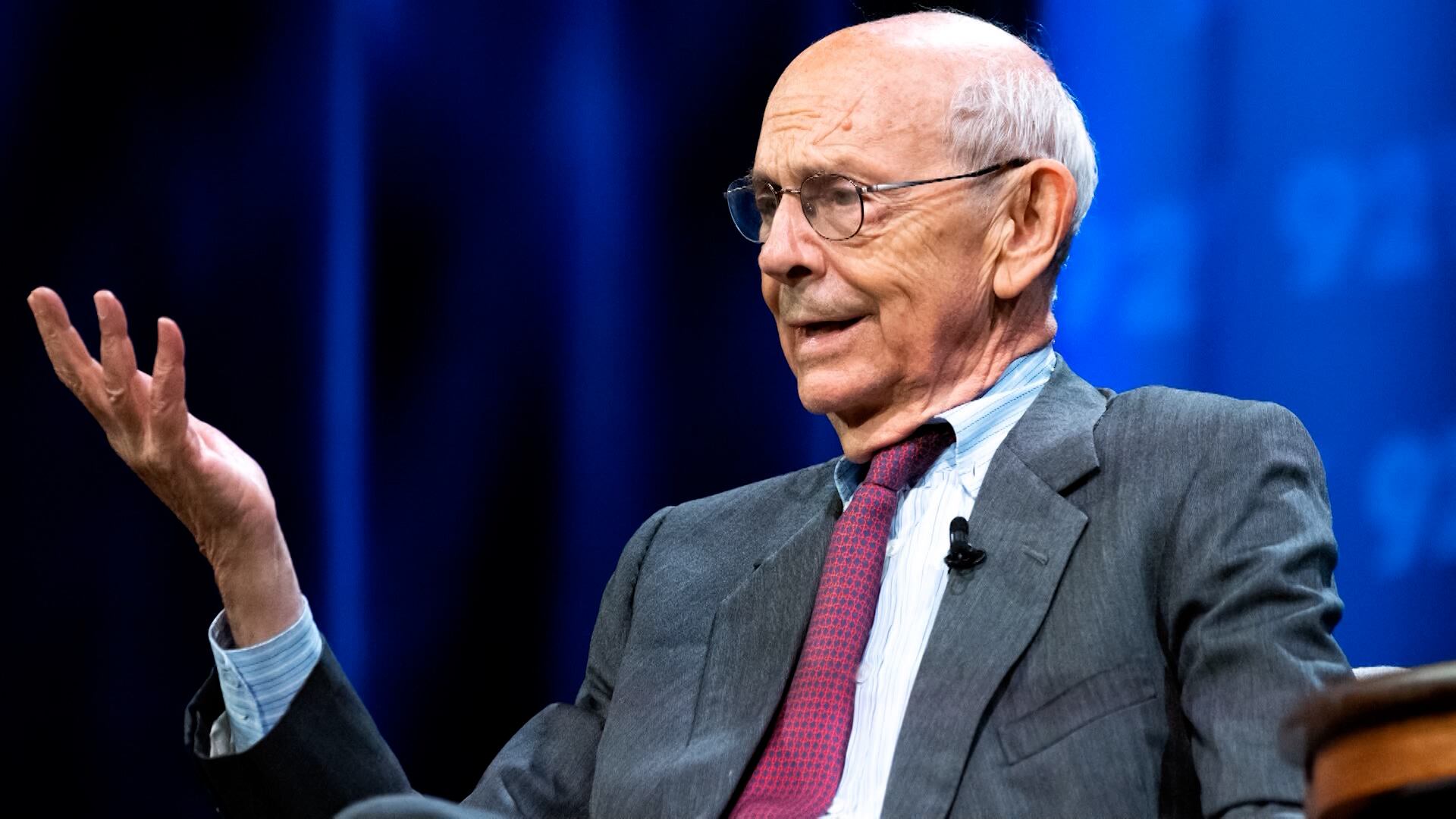
Jessica Mason Pieklo, senior vice president and executive editor of the Rewired News Group and co-host of the podcast. "Boom! Lawyered," joins Cheddar Politics to discuss Justice Stephen Breyer's retirement, legacy and potential replacement on the Supreme Court.
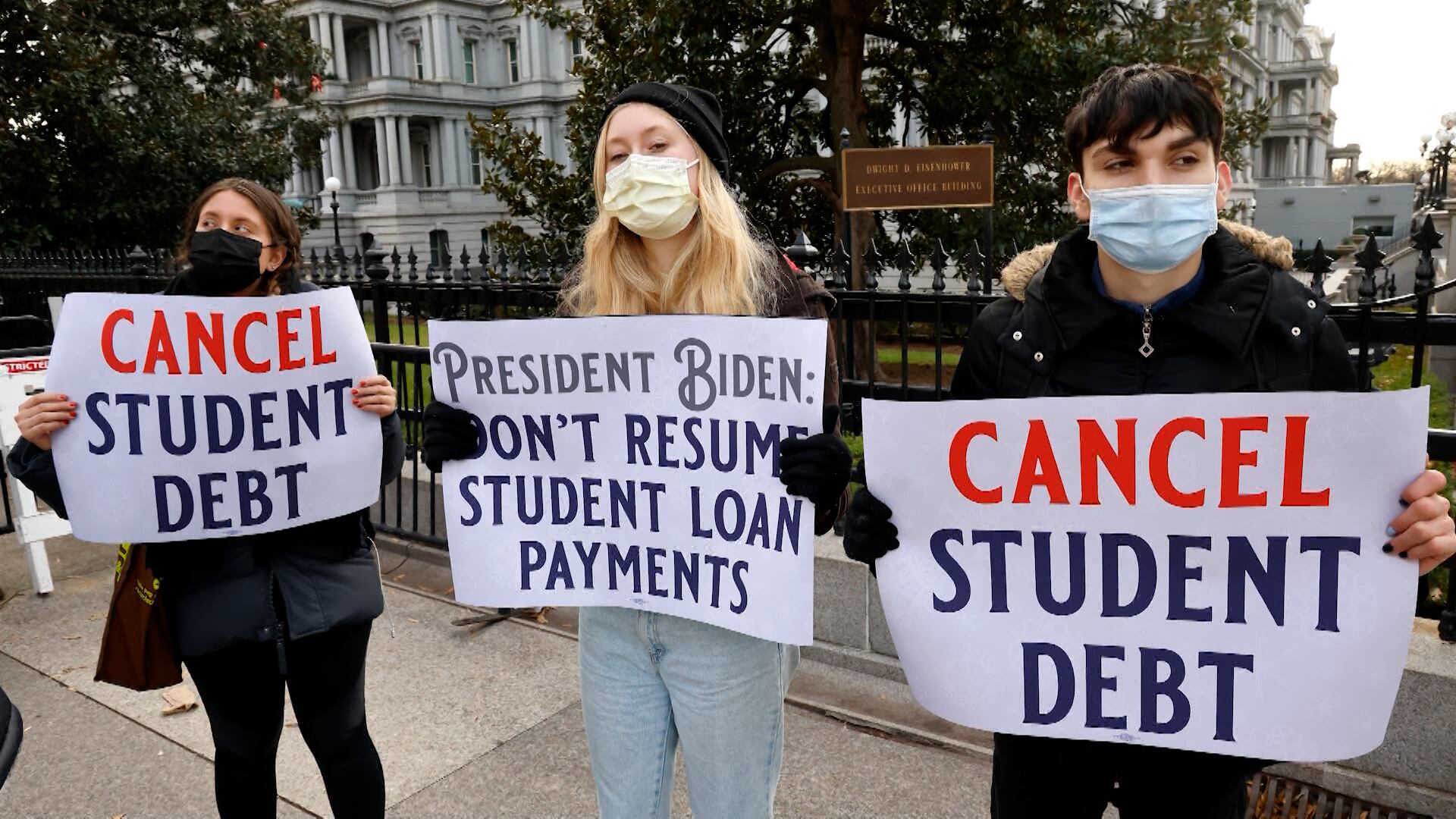
The Biden administration delivered a temporary win for student loan borrowers this year by extending the moratorium on federal payments for a few more months. That moratorium is coming to an end on May 1st and borrowers will again have their monthly loan payment plopped in their lap.
Stephanie Vanderslice, a creative writing professor paying off debt through the Parent Plus program, and Mike Pierce, executive director of the Student Borrower Protection Center, join Cheddar Politics to discuss.
2022 was already going to be a big year for the Supreme Court. We have decisions on major issues like abortion and gun rights on the way. Then, Justice Stephen Breyer announced his retirement and that set up a major confirmation fight for later this year. Amy Howe, co-founder of SCOTUSblog, joins Cheddar Politics to discuss.
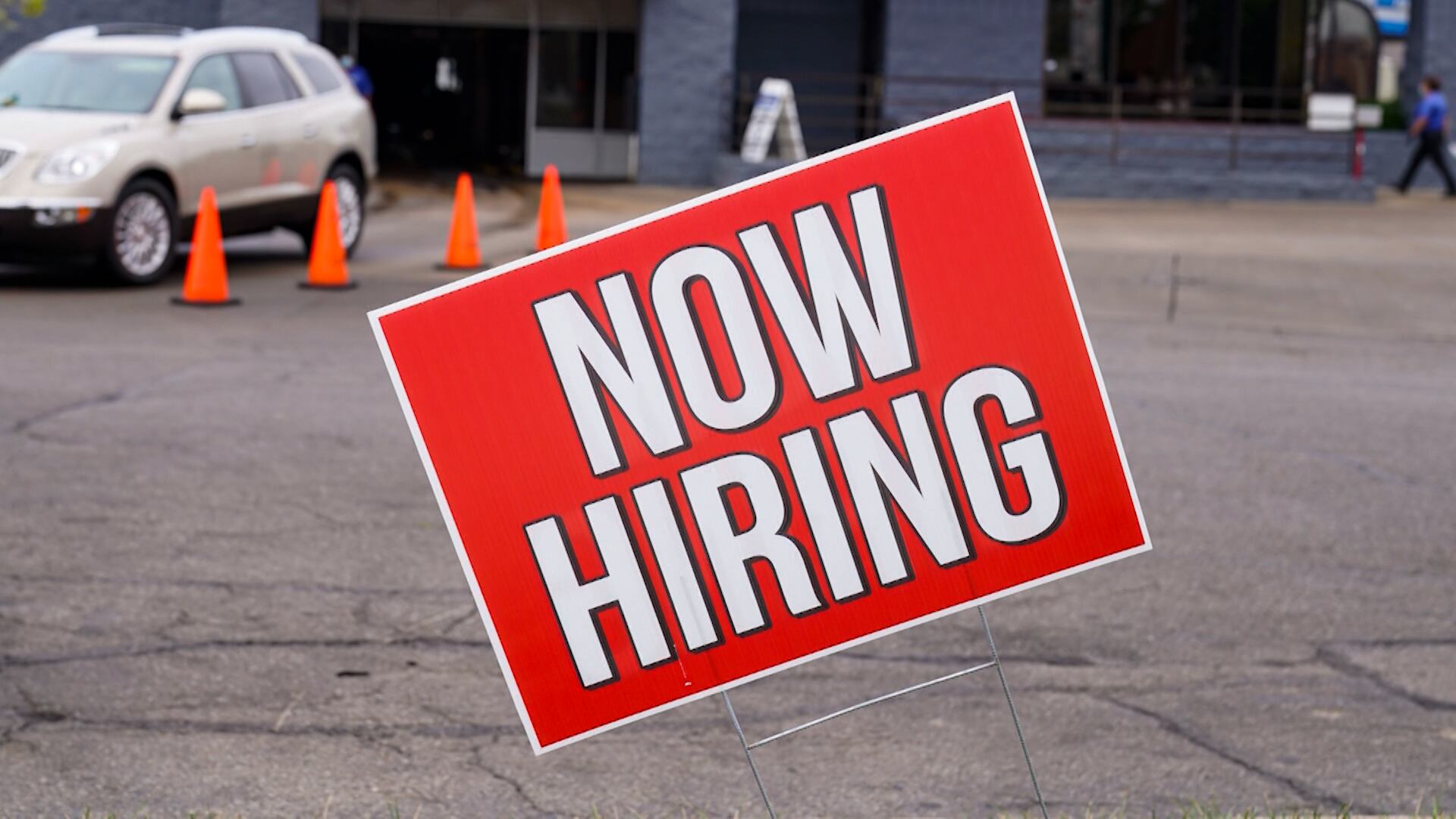
The Labor Department released a better-than-expected report of 467,000 jobs added in January. Heather Boushey, Council of Economic Advisers Member for President Biden, joined Cheddar to tout the administration's handling of the economy amid the pandemic and the upward revisions for the previous month. "It also shows that, because of the revisions, the economy was stronger over the past couple of months," she said. "I don't think that this can be said enough, but economic forecasting during an historic pandemic is extremely difficult." Boushey also addressed issues involving wage growth versus the rapid rise of inflation.
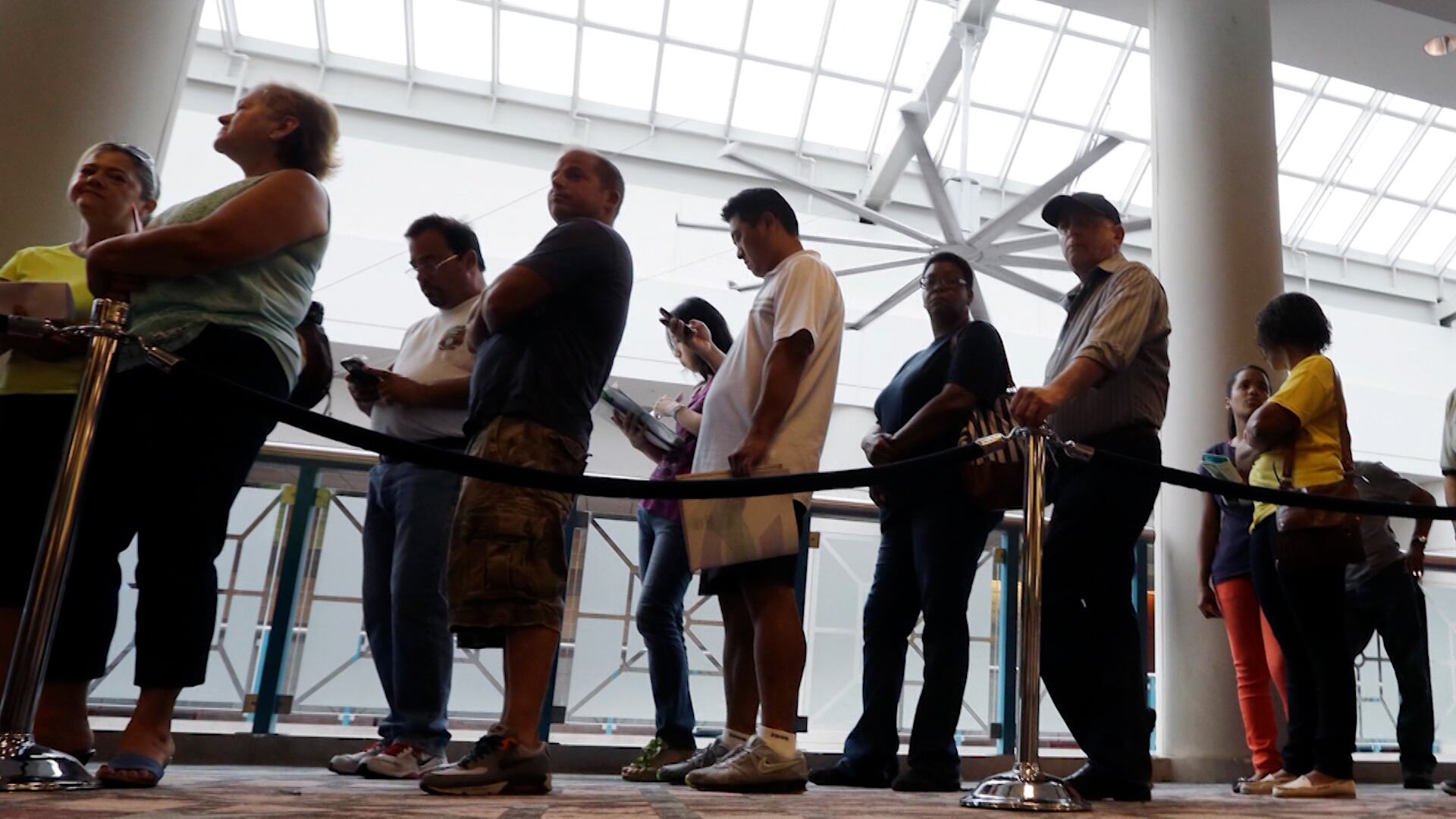
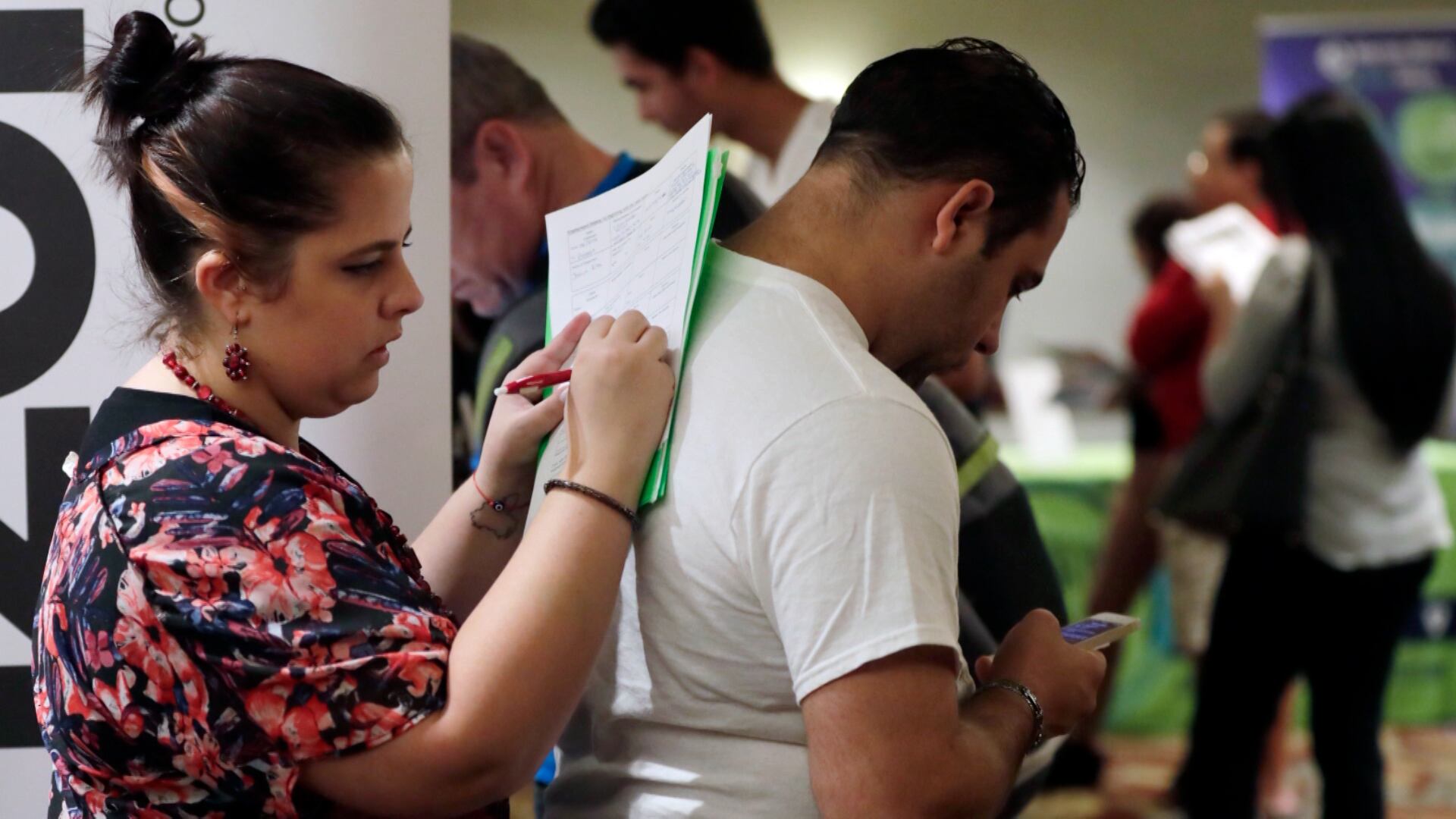
The Labor Department's January jobs report showed 467,000 jobs were added, compared to the 150,000 that were projected, a sign that employment is continuign to return to pre-pandemic levels. Lindsey Piegza, chief economist at investment bank Stifel, joined Cheddar to break down the report, noting the big gains but adding a note of caution. "Remember, even with this morning's stellar report, we're still millions below that level that we had reached prior to the onset of COVID-19," she said." Yes, we are recapturing jobs. We still have further ground that needs to be made before we can talk about reaching that previous peak." Piegza also discussed the role of the Federal Reserve going forward as the employment figures turn more positive.
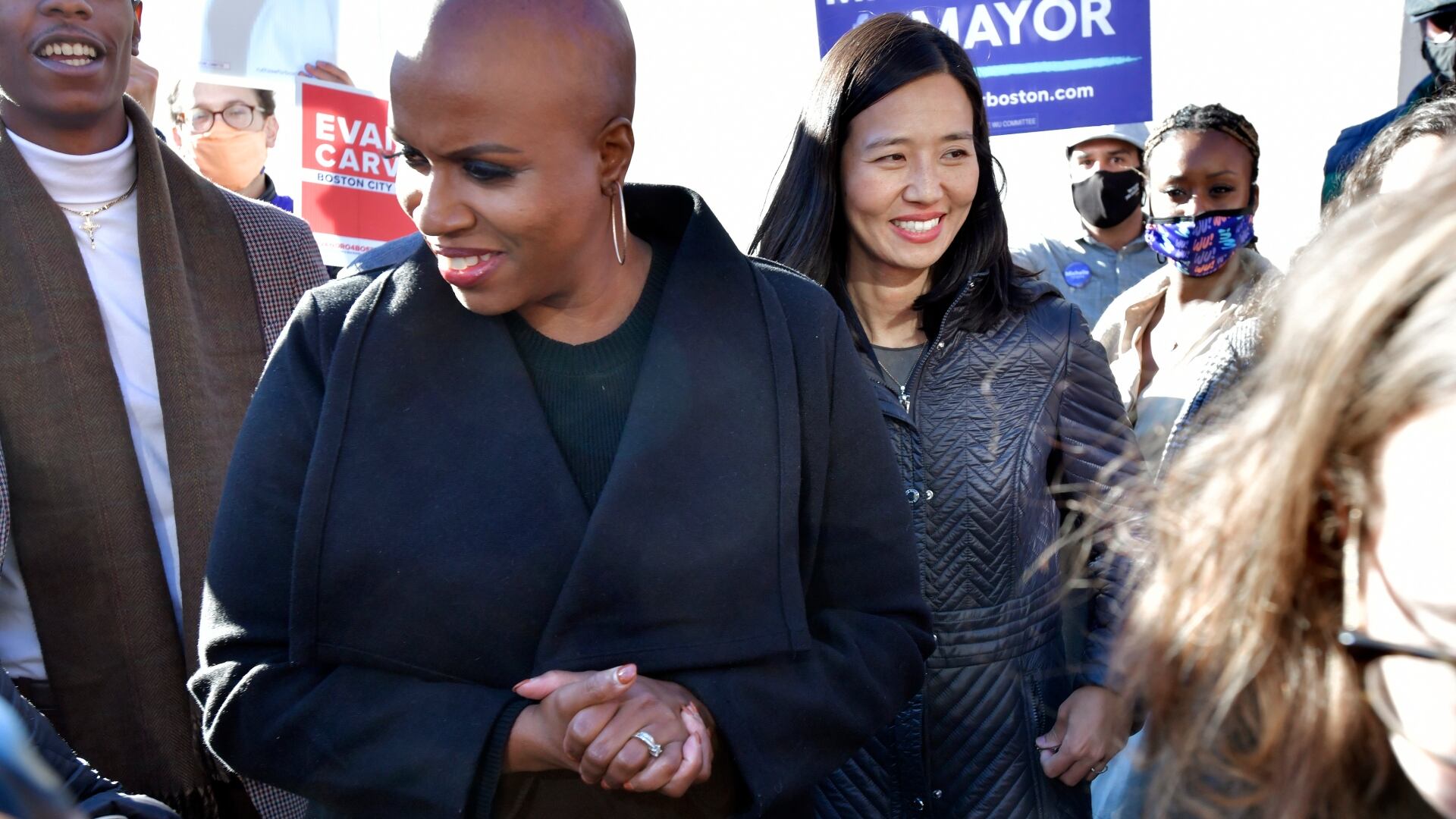
As President Biden's poll numbers fall with Black voters, Rep. Ayanna Pressley (D-Mass. 7th District) joined Cheddar to discuss what she feels could help the embattled administration: deliver on policies. Pressley pointed to stalled legislation such as new voting rights laws and Build Back Betters and canceling student loan debt, which would go a long way to improving his standing with Black constituents. "President Biden has the authority and the power to alleviate this burden, which would also help in closing the racial wealth gap, and he can do it by executive action with the stroke of a pen," she said. "And it doesn't require one vote from Congress. So, the Biden administration just needs to deliver to Black America in a tangible and impactful way."