After nearly 25 years, the iconic Ford Bronco is getting revamped and making a comeback with two new additions to the series' family, Dave Pericak, global director of icons at Ford, told Cheddar.
"If you look at SUVs, they're more popular now than they've ever been. In 2019, SUVs had their most sales ever. So, now is the time," he said.
The iconic off-roader's sport model is set to hit the sales floor in the U.S. later this year, according to Pericak, with the two-door and first-ever four-door versions to hit the market next year. Even as the fully gas-powered SUVs draw anticipation, they're not currently part of Ford's push to reduce greenhouse gas emissions.
Pericak said the company will be spending more than $11.5 billion in electrification over the next several years, but noted the initial focus will be on the F-150, Mustang, and Transit.
The coronavirus pandemic has hit U.S. automakers, including Ford, where deliveries reportedly dropped by a third year-over-year in Q2. Still, Pericak is optimistic that an uptick is coming as economies reopen.
"I hope that we're going to be coming out of this coronavirus pretty soon. I think we're going to be hitting it at the right time when people have a lot of the pent up demand," he said.
Ford is set to debut the new line of vehicles on July 13.
Retailers face tariffs and cost challenges this holiday season. Wells Fargo's Lauren Murphy shares insights on pricing, promotions, and shopping trends.
Dateability, founded by sisters Jacqueline and Alexa Child, is the only dating app for disabled and chronically ill communities, fostering love without limits.
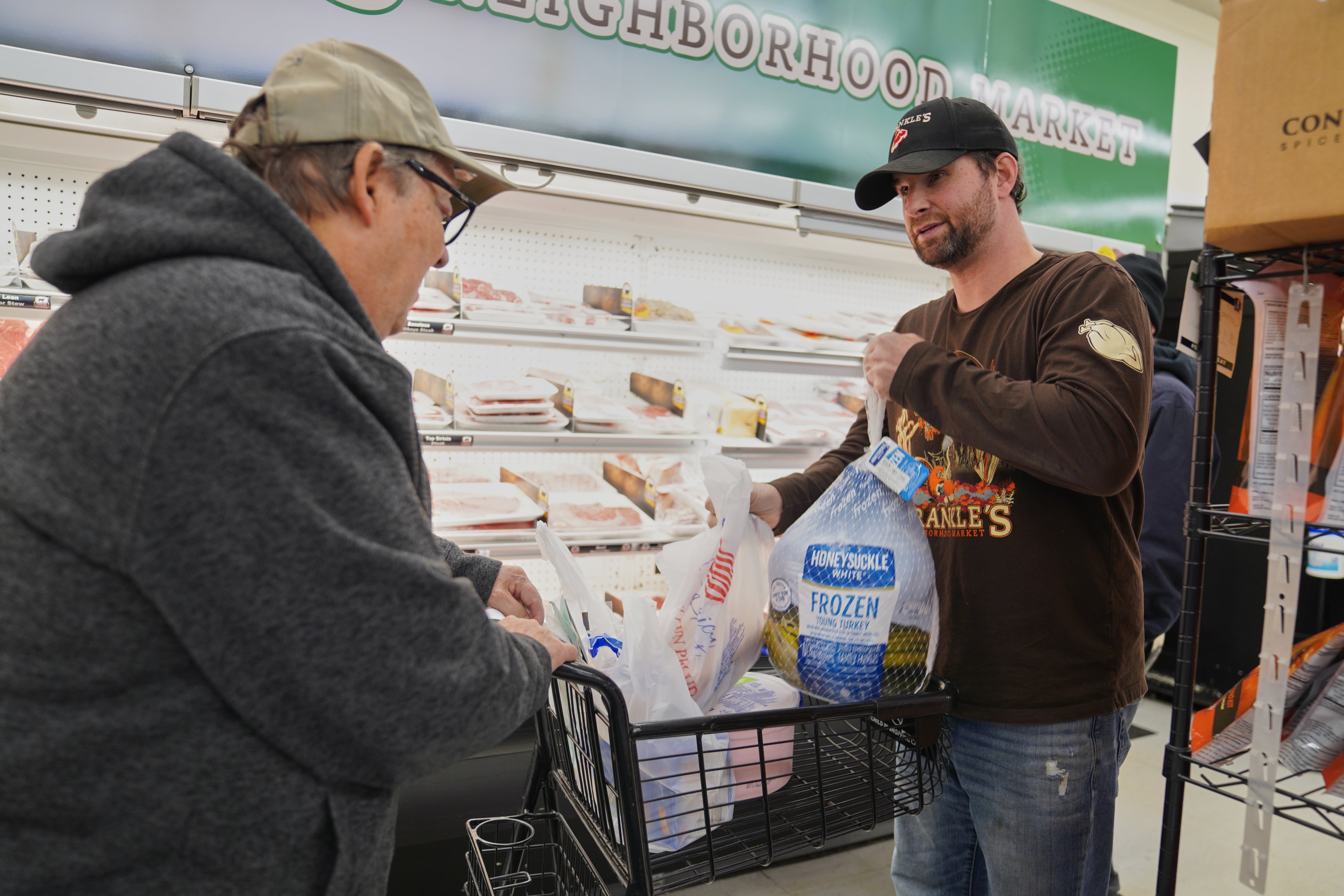
Some small grocery stores and neighborhood convenience stores are eager for the U.S. government shutdown to end and for their customers to start receiving federal food aid again. Late last month, the Trump administration froze funding for the SNAP benefits that about 42 million Americans use to buy groceries. The U.S. Department of Agriculture says about 74% of the assistance was spent last year at superstores like Walmart and supermarkets like Kroger. Around 14% went to smaller stores that are more accessible to SNAP beneficiaries. A former director of the United Nations World Food Program says SNAP is not only a social safety net for families but a local economic engine that supports neighborhood businesses.
Andy Baehr, Head of Product at CoinDesk Indices, breaks down crypto’s Black Friday crash, Bitcoin dipping under $100K, and what’s driving the market rout.
Billionaire Warren Buffett warned shareholders Monday that many companies will fare better than his Berkshire Hathaway in the decades ahead as Father Time catches up
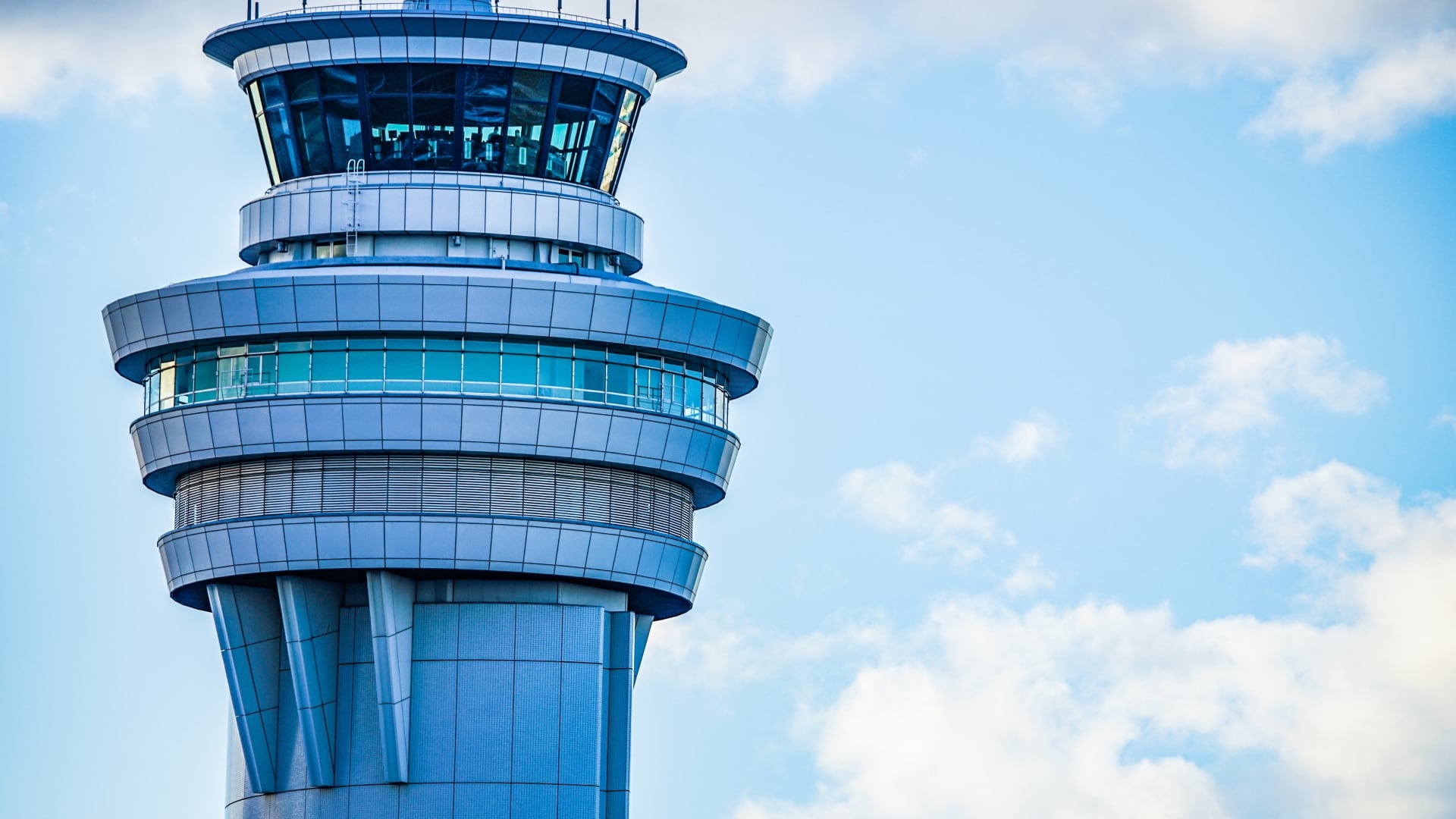
Chris Marquette of POLITICO breaks down how the FAA is cutting flights and facing a critical shortage of air‑traffic controllers amid the government shutdown.