Flipboard CEO on Lessons Facebook Needs to Learn from Journalism
There's a spotlight on Facebook as the social media giant reports earnings Wednesday. The company faces increasing scrutiny over fake news on its platform. Flipboard CEO Mike McCue explains the lessons he thinks Facebook needs to learn from journalism.
"When you are building algorithms that are responsible for informing entire populations, the whole society of people you want to make sure you are applying basic journalistic principles, " said McCue. The five lessons McCue says algorithms must learn from journalism include truth and accuracy, independence, fairness and impartiality, humanity, and accountability.
Facebook recently updated its algorithm to prioritize friends and family over media publishers. McCue says Facebook's algorithms should be controlled by journalists.
Jill and Carlo cover the latest on Omicron, another school shooting in America and more. Plus, bidding farewell to 'transitory' inflation, and the controversy surrounding 'Lovely Bones' author Alice Sebold.
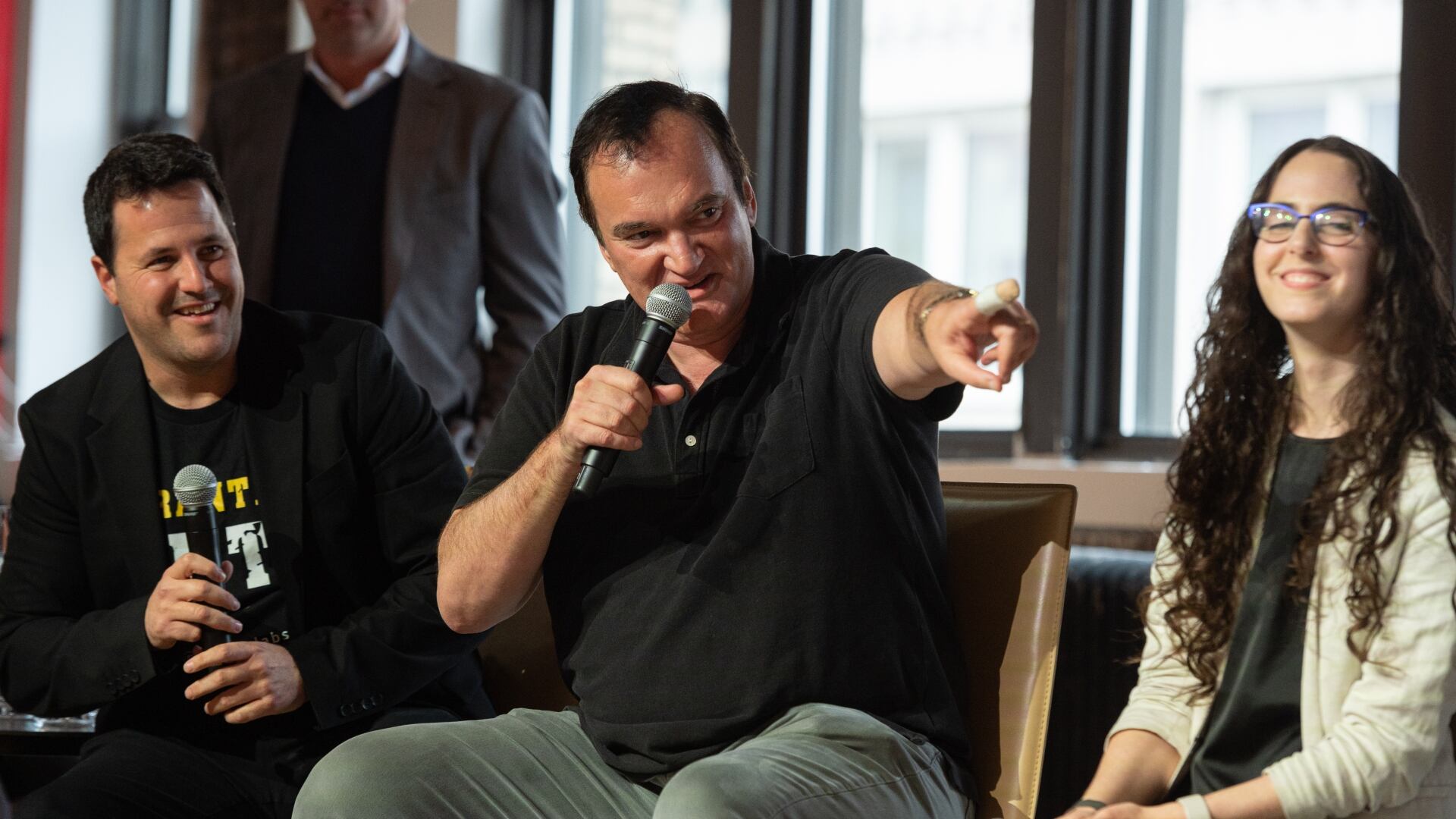
Capitalizing on the NFT hype while riding the rush to all things '90s, tarantino announced earlier this month a planned sale of NFTs based off his hand-written, original script of 'Pulp Fiction.' Days after the announcement, the studio that produced the iconic film, Miramax, filed suit against Tarentino. Kal Raustiala, Professor of comparative and international law at UCA joins Cheddar News.
Sam Burd, president of Dell Technologies Client Solutions Group, joined Cheddar to talk about the firm's Q3 earnings beat and what consumers can expect from the tech company in the future. He noted a return to offices alongside the overall change to how people work as sources for the earnings beat. Burd also discussed how the company has been able to navigate the ongoing global semiconductor chip shortage.
Sarav Arunachalam, air pollution scientist at the University of North Carolina at Chapel Hill, joins Cheddar Climate, where he discusses what he needs to happen when it comes to EV production on a global level to help reduce the effects of climate change.
In recent years, extreme weather events like flooding and wildfires have become more frequent, and more severe - and scientists say global warming is to blame. Climate crises could leave people in need of help, and that's where Global Rescue steps in. The crisis response firm employs former Navy Seals and Army Rangers to rescue travelers from climate-related emergencies. Global Rescue CEO Dan Richards joins Cheddar Climate to discuss.