Facebook is back under the microscope for failing to stop the spread of fake news. Sara Fischer, media reporter for AXIOS, joins to explain how the big tech companies are, or are not, addressing the problem.
Fischer explains that Facebook is trying to address the problem by prioritizing local news content over other news sources. However, she wonders if that is enough considering during breaking news, like the school shooting that recently happened, misinformation is still shared.
There are still changes that need to be made. For example, Twitter and Facebook require authentification to cancel an account, but the same is not required to create an account.
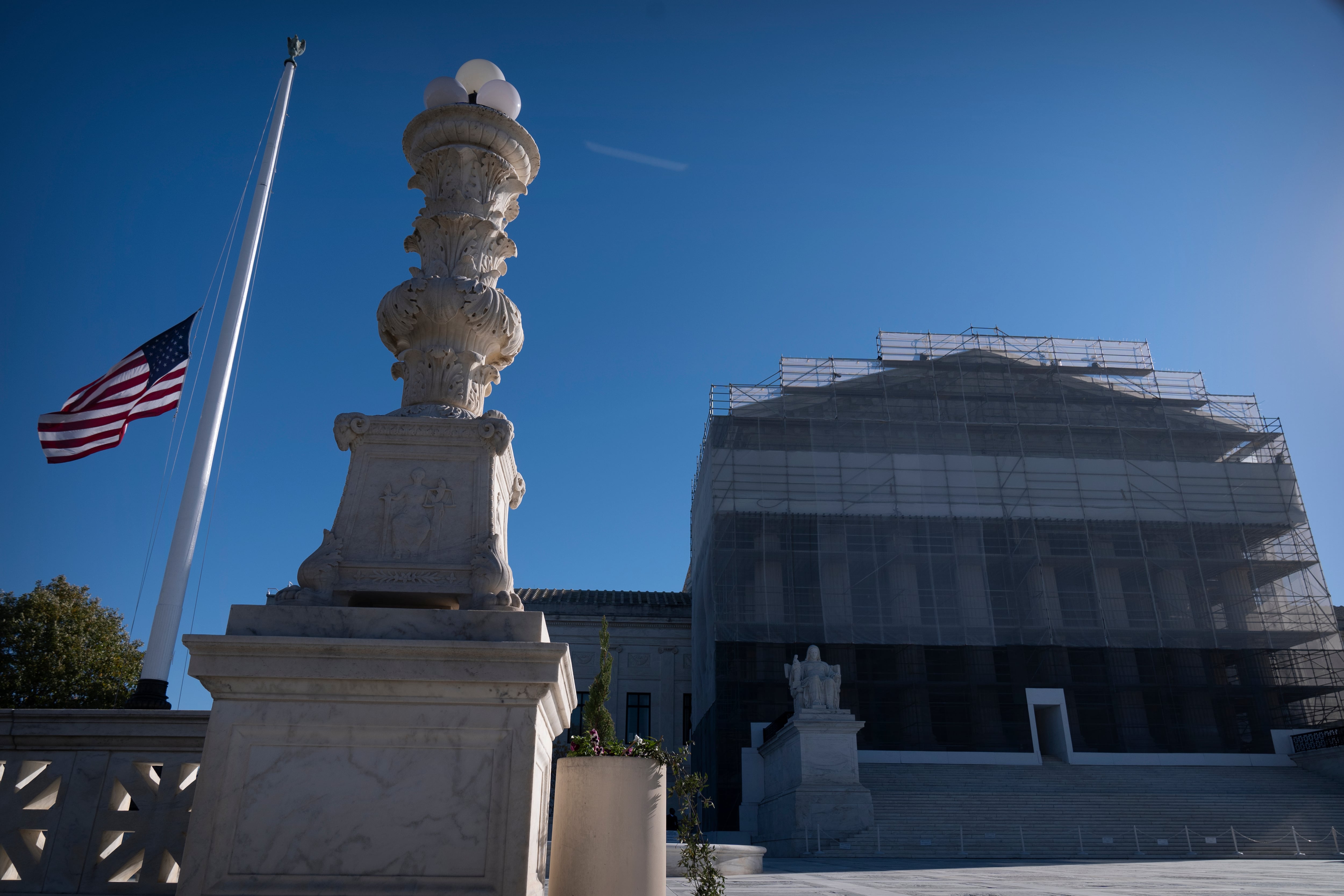
Arguments at the Supreme Court have concluded for the day as the justices consider President Donald Trump's sweeping unilateral tariffs in a trillion-dollar test of executive power.
AI is reshaping investigations. Longeye CEO Guillaume Delepine shares how their AI workspace empowers law enforcement to uncover insights faster and smarter.
Stephen Kates, Financial Analyst at Bankrate, joins to discuss the Fed’s 25-basis-point rate cut, inflation risks, and what it all means for consumers and marke
Big tech earnings take center stage as investors digest results from Alphabet, Meta, Microsoft, Amazon, and Apple, with insights from Gil Luria of D.A. Davidson
Disney content has gone dark on YouTube TV, leaving subscribers of the Google-owned live streaming platform without access to major networks like ESPN and ABC. That’s because the companies have failed to reach a new licensing deal to keep Disney channels on YouTube TV. Depending on how long it lasts, the dispute could particularly impact coverage of U.S. college football matchups over the weekend — on top of other news and entertainment disruptions that have already arrived. In the meantime, YouTube TV subscribers who want to watch Disney channels could have little choice other than turning to the company’s own platforms, which come with their own price tags.