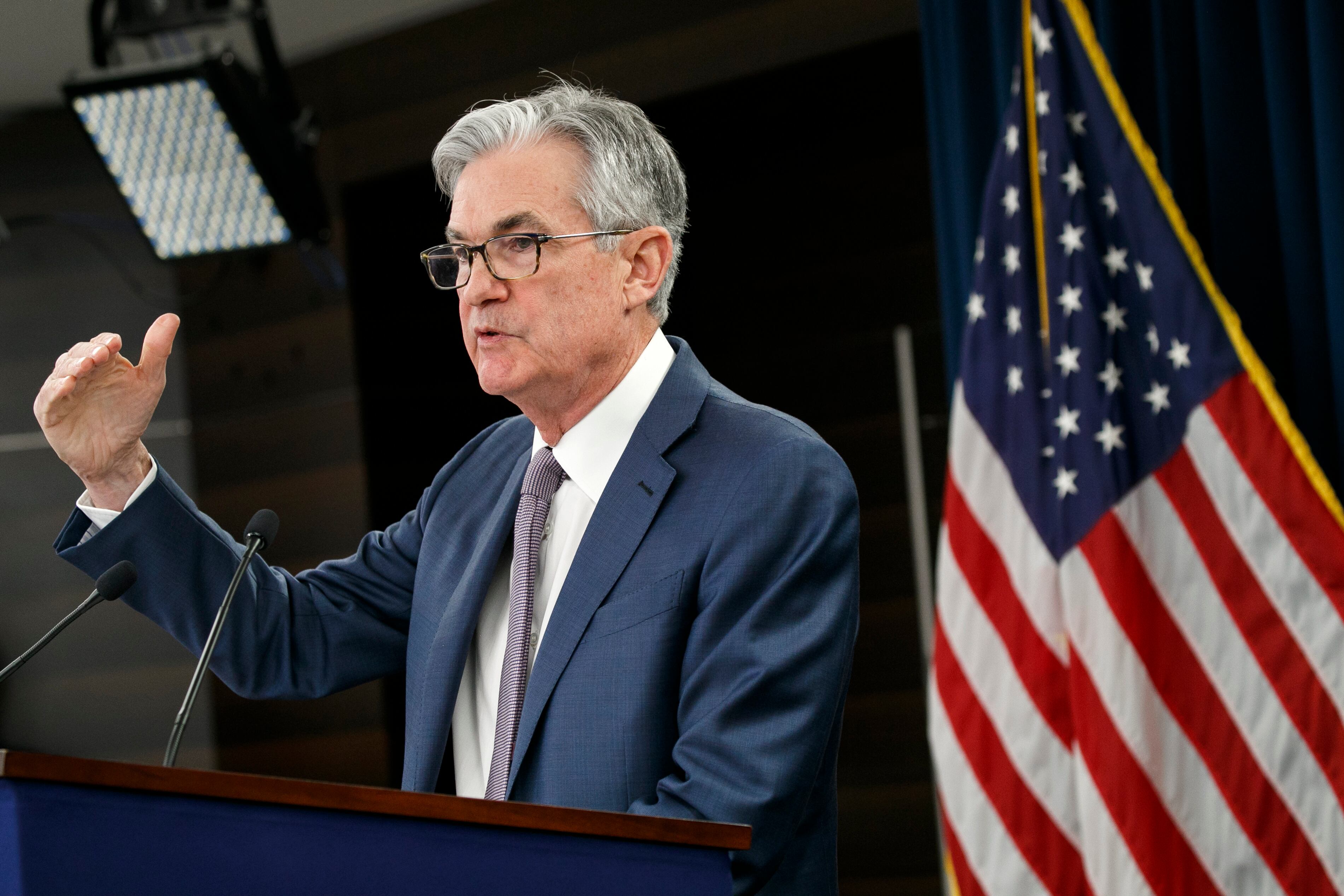
In this March 3, 2020 file photo, Federal Reserve Chair Jerome Powell speaks during a news conference to discuss an announcement from the Federal Open Market Committee, in Washington. (AP Photo/Jacquelyn Martin, File)
By Martin Crutsinger
The Federal Reserve announced a significant change Thursday in how it manages interest rates by saying it plans to keep rates near zero even after inflation has exceeded the Fed’s 2% target level.
The change signifies that the Fed is prepared to tolerate a higher level of inflation than it generally has in the past. And it means that borrowing rates for households and businesses — for everything from auto loans and home mortgages to corporate expansion — will likely remain ultra-low for years to come.
The new goal says that “following periods when inflation has been running persistently below 2%, appropriate monetary policy will likely aim to achieve inflation moderately above 2% for some time.”
The new Fed policy sought to underscore its belief that a low jobless rate was good for the economy by saying it would seek to assess the “shortfalls” in employment from the maximum level.
In a speech detailing the changes, Chairman Jerome Powell made clear that the policy change reflects the reality that high inflation — once the biggest threat to the economy — no longer appears to pose a serious danger, even when unemployment is low and the economy is growing strongly. Rather, Powell said, the economy has evolved in a way that allows the Fed to keep rates much lower than it otherwise would without igniting price pressures.
“The economy is always evolving,” Powell said. “Our revised statement reflects our appreciation for the benefits of a strong labor market, particularly for many in low- and moderate-income communities and that a robust job market can be sustained without causing an unwelcome increase in inflation."
In his speech, Powell said that the Fed's decision to allow unemployment to fall to a 50-year low before the pandemic had played an important role in lifting the fortunes of low-income workers.
A.I. startup Fractal has raised $360 million in funding, officially entering the unicorn club. Pranay Agrawal, CEO and Co-Founder of Fractal, joined Cheddar News' Closing Bell to discuss what the company plans to do with the fresh capital.
Electric vehicles are quickly becoming an accessible way for consumers to slash emissions as legacy automakers begin to electrify their fleets and world leaders including President Joe Biden push for broad EV adoption. But consumers have concerns about EV range, the availability of charging stations, and more. What if it were both helpful to consumers — and feasible from a climate change standpoint — to keep hybrid models that run on gas on the market? Gill Pratt, CEO of the Toyota Research Institute & Toyota Motor Corporation's Chief Scientist joins Cheddar Climate to discuss his team's research about 'carbon return on investment,' how Toyota is electrifying its fleet, and more.
Fresh off of a $42 million Series B Fundraise, co-founder and CEO of Chapter, Cobi Blumenfeld-Gantz, joined Cheddar to discuss the company's business model and how it will use the capital going forward. He explained that Chapter is a Medicare advisor that searches savings on medical options in order to help users find the right plan for them. "We want to make sure we can help all of our existing members and as many new Americans find the right Medicare coverage, so we're hiring aggressively for the best talent we can," Blumenfeld-Gantz said.
Apple's iMessage has come under fire after a Google executive accused the fellow tech giant of bullying — Android Users. Hiroshi Lockheimer, Google SVP of Android, said that Apple's lack of RCS adoption is holding the industry back while the company uses peer pressure to bolster iMessage.
Fresh off of receiving an innovation award at ShowStoppers @ CES 2022, Iasha King, co-founder of SOLO Secure joined Cheddar to explain how its platforms, the GoSOLO app and the SOLO Backpackpacker device, helps improve personal safety for users. "People just don't know what's going on around them, so it's very important that you're using smart technology to provide them with what's going on," she said. "For example, if there has been an increase in robberies in a neighborhood, that's something that our technology would inform a user."
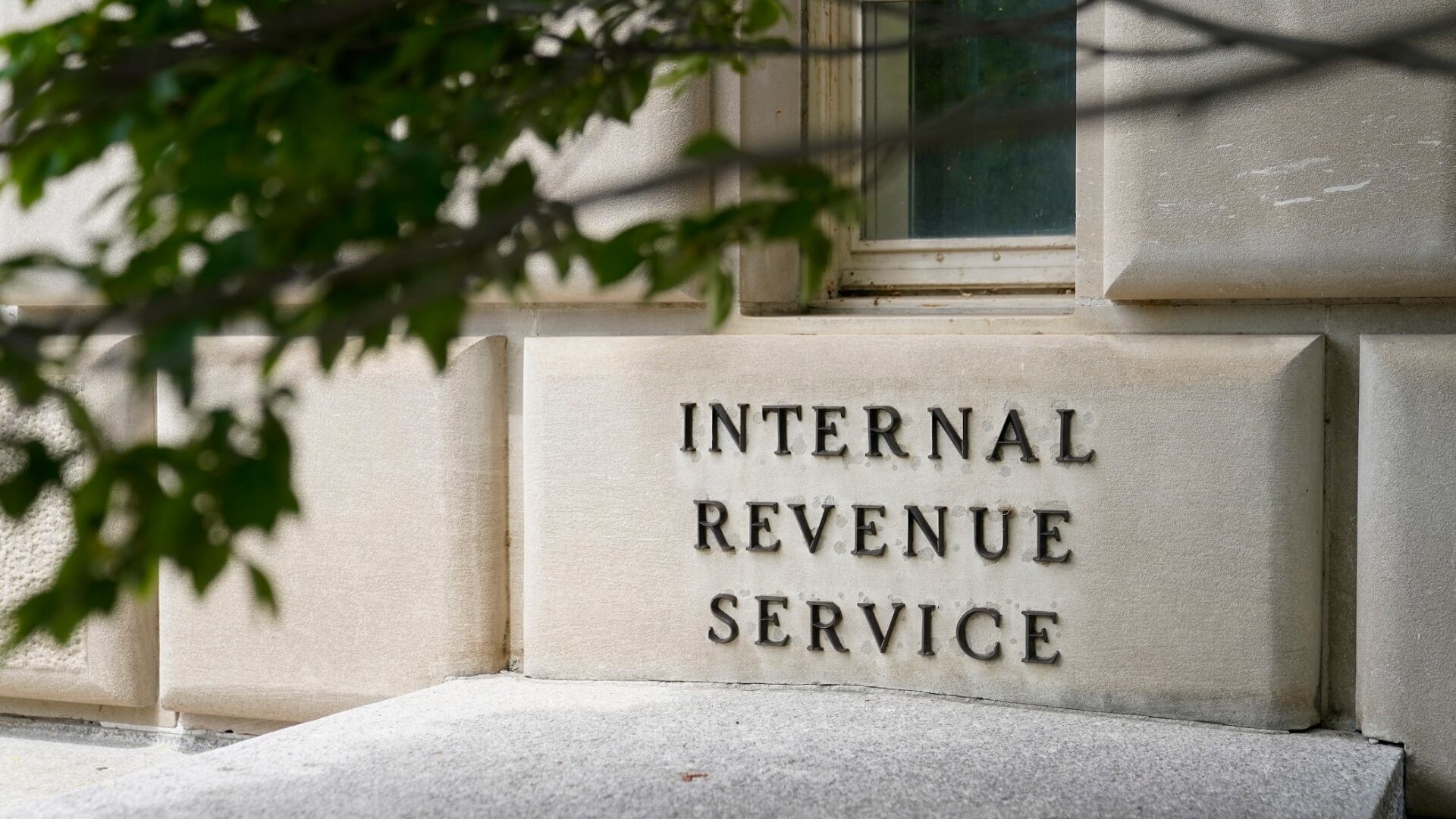
The Department of Treasury is warning Americans to expect delays on their tax returns this year as the IRS manages staffing shortages due to the pandemic.