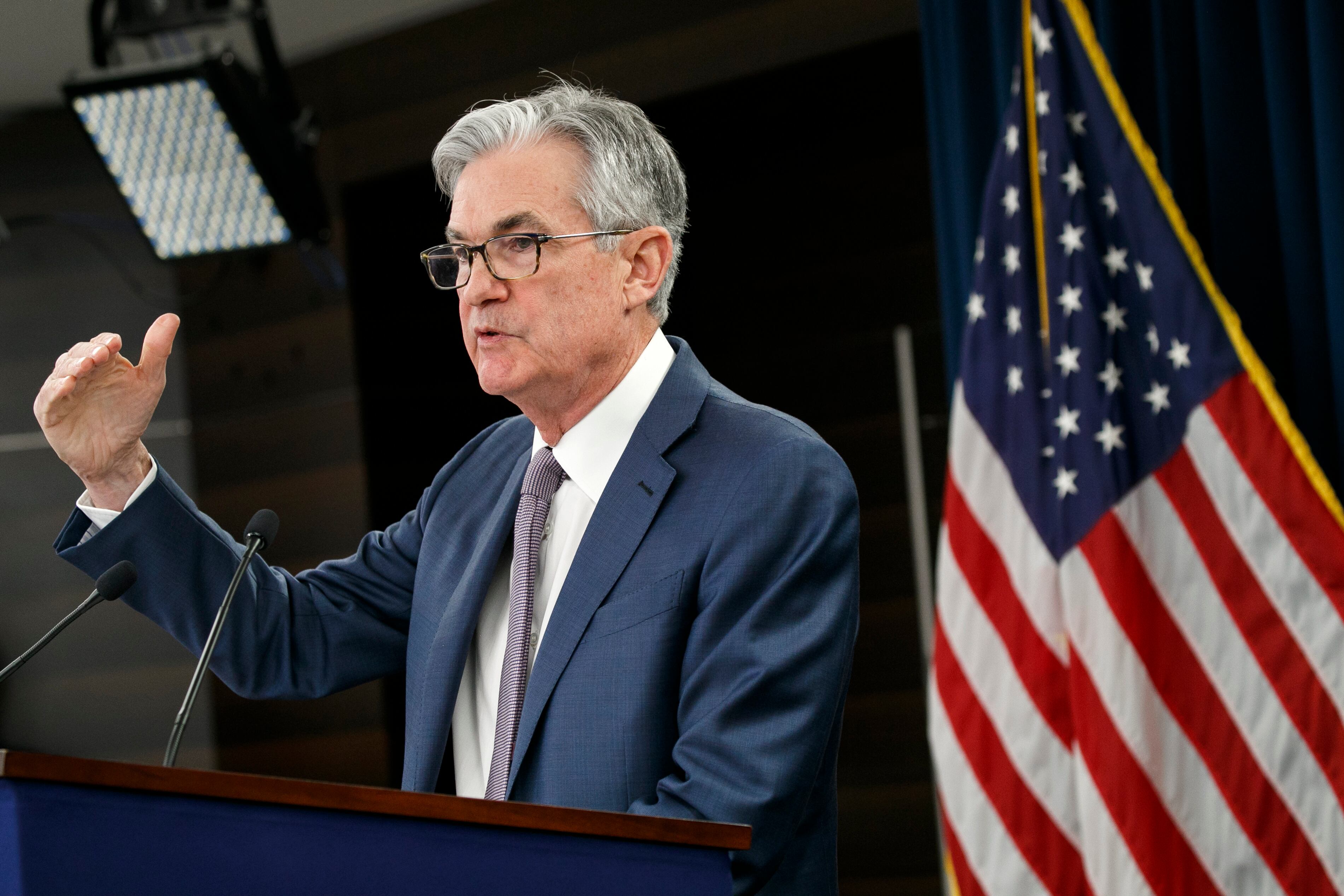
In this March 3, 2020 file photo, Federal Reserve Chair Jerome Powell speaks during a news conference to discuss an announcement from the Federal Open Market Committee, in Washington. (AP Photo/Jacquelyn Martin, File)
By Martin Crutsinger
The Federal Reserve announced a significant change Thursday in how it manages interest rates by saying it plans to keep rates near zero even after inflation has exceeded the Fed’s 2% target level.
The change signifies that the Fed is prepared to tolerate a higher level of inflation than it generally has in the past. And it means that borrowing rates for households and businesses — for everything from auto loans and home mortgages to corporate expansion — will likely remain ultra-low for years to come.
The new goal says that “following periods when inflation has been running persistently below 2%, appropriate monetary policy will likely aim to achieve inflation moderately above 2% for some time.”
The new Fed policy sought to underscore its belief that a low jobless rate was good for the economy by saying it would seek to assess the “shortfalls” in employment from the maximum level.
In a speech detailing the changes, Chairman Jerome Powell made clear that the policy change reflects the reality that high inflation — once the biggest threat to the economy — no longer appears to pose a serious danger, even when unemployment is low and the economy is growing strongly. Rather, Powell said, the economy has evolved in a way that allows the Fed to keep rates much lower than it otherwise would without igniting price pressures.
“The economy is always evolving,” Powell said. “Our revised statement reflects our appreciation for the benefits of a strong labor market, particularly for many in low- and moderate-income communities and that a robust job market can be sustained without causing an unwelcome increase in inflation."
In his speech, Powell said that the Fed's decision to allow unemployment to fall to a 50-year low before the pandemic had played an important role in lifting the fortunes of low-income workers.
Ride share competitors Uber and Lyft both posted their fourth quarter earnings days apart from each other. Both companies have been trying to get back on their feet after taking some pandemic-related hits, but the Omicron variant had other ideas as the year came to a close, with each company taking a hit in ridership in December. Lance Ippolito, head trader at The Future of Wealth explains how Uber and Lyft measured up this earnings period and why Uber may still have an edge over the competition.
The Super Bowl might be over, but people are still buzzing about the players, commercials, halftime show, and more. Google tracks the top searches before and after the game every year, revealing the show-stopping moments of the biggest sporting event of the year. Sadie Thoma, Director of US Creative Partnerships at Google, joined Cheddar's Opening Bell to discuss the top trends this year.
Parallel Systems has been selected to receive $4.5 million from the Department of Energy for an advanced testing program of its autonomous, battery-electric rail vehicles. The startup, which has raised more than $53 million to date, was founded by former SpaceX engineers to reimagine the rail system by creating a more efficient, decarbonized freight network. Matt Soule, Co-founder & CEO of Parallel Systems, joined Cheddar's Opening Bell to discuss what the company hopes to achieve.
Disney reported earnings beat on both top and bottom lines. Earnings per share came in at $1.06 versus Refinitiv estimates of 63 cents. Revenue also exceeded expectations at $21.82 billion dollars versus $20.91 billion expected. Meanwhile, Disney+ added 11.8 million new subscribers this quarter to reach nearly 130 million total. Tuna Amobi, media and entertainment expert at CFRA research, joined Cheddar to gives his take on Disney's earnings blowout.
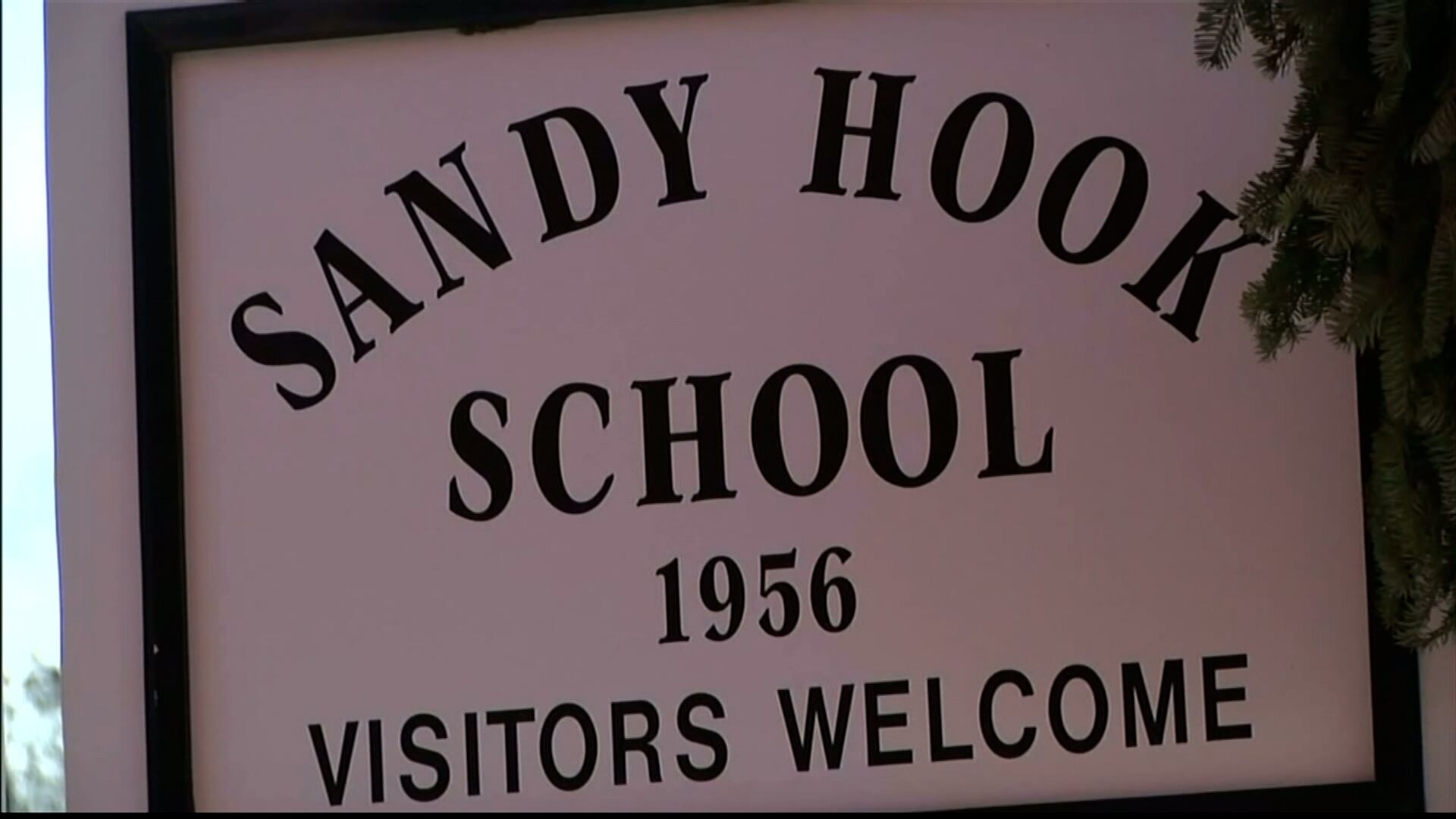
Almost a decade after facing a parent's worst nightmare, the families of the young students killed in the Sandy Hook School shooting reached a settlement with gun manufacturer Remington, makers of the Bushmaster AR-15 used in the crime. David Pucino, deputy chief counsel, Giffords Law Center to Prevent Gun Violence joined Cheddar News to discuss the families' case and how its strategy brought about the legal settlement. "They built a really great case showing the way that Bushmaster developed its advertising to drive sales using those toxic messages.
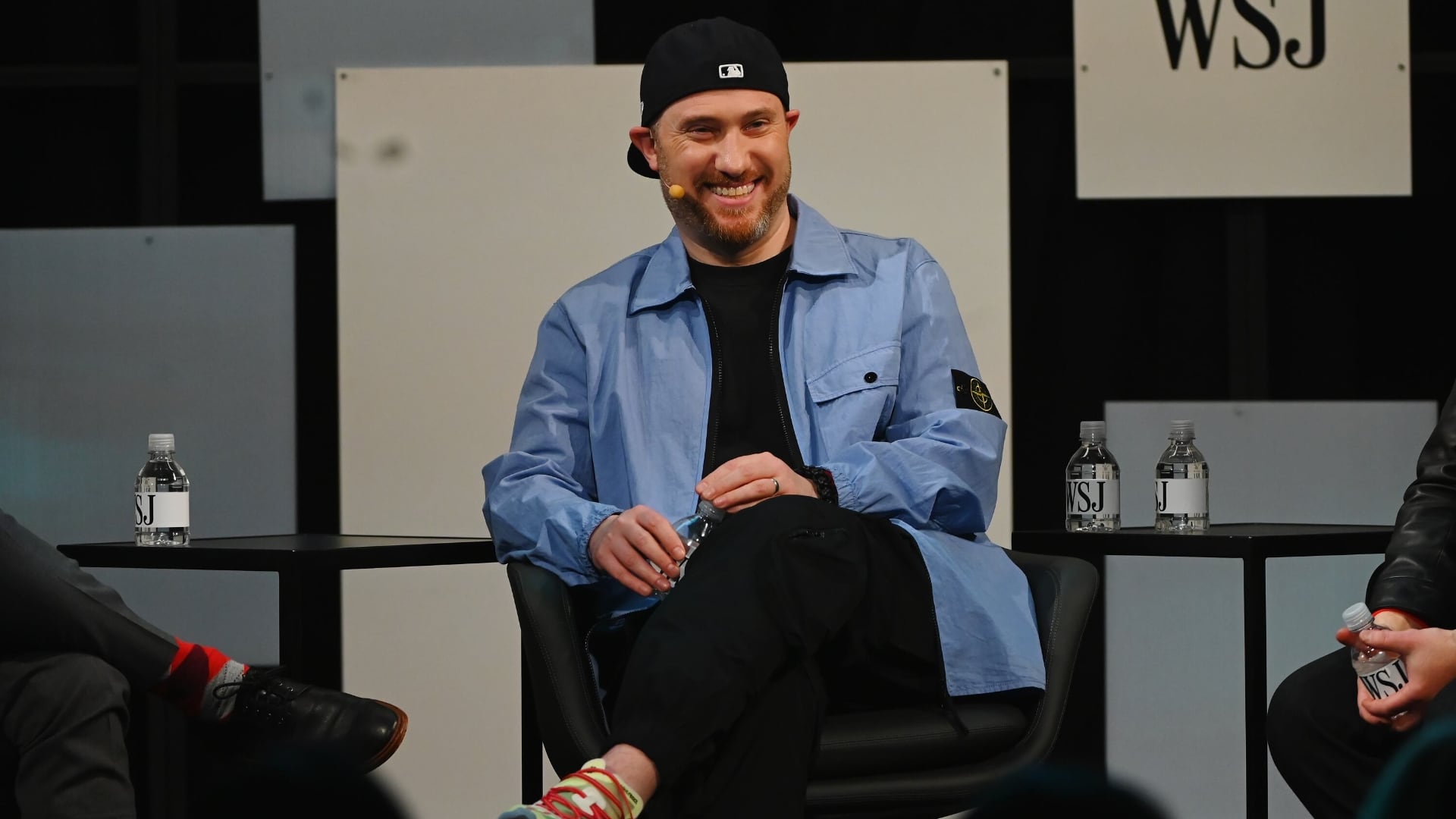
Private equity firms are taking a big interest in investing in NBA teams, the sports league showing the highest ROI over the last two decades according to Sportico, Forbes, and PitchBook. Wylie Fernyhough, lead analys for private equity at PitchBook joined Cheddar News to discuss the way firms are looking to get a piece of the action on the court. “There’s a certain amount of rarity, with these," Fernyhough said. "They’re not exactly printing new NBA franchises."