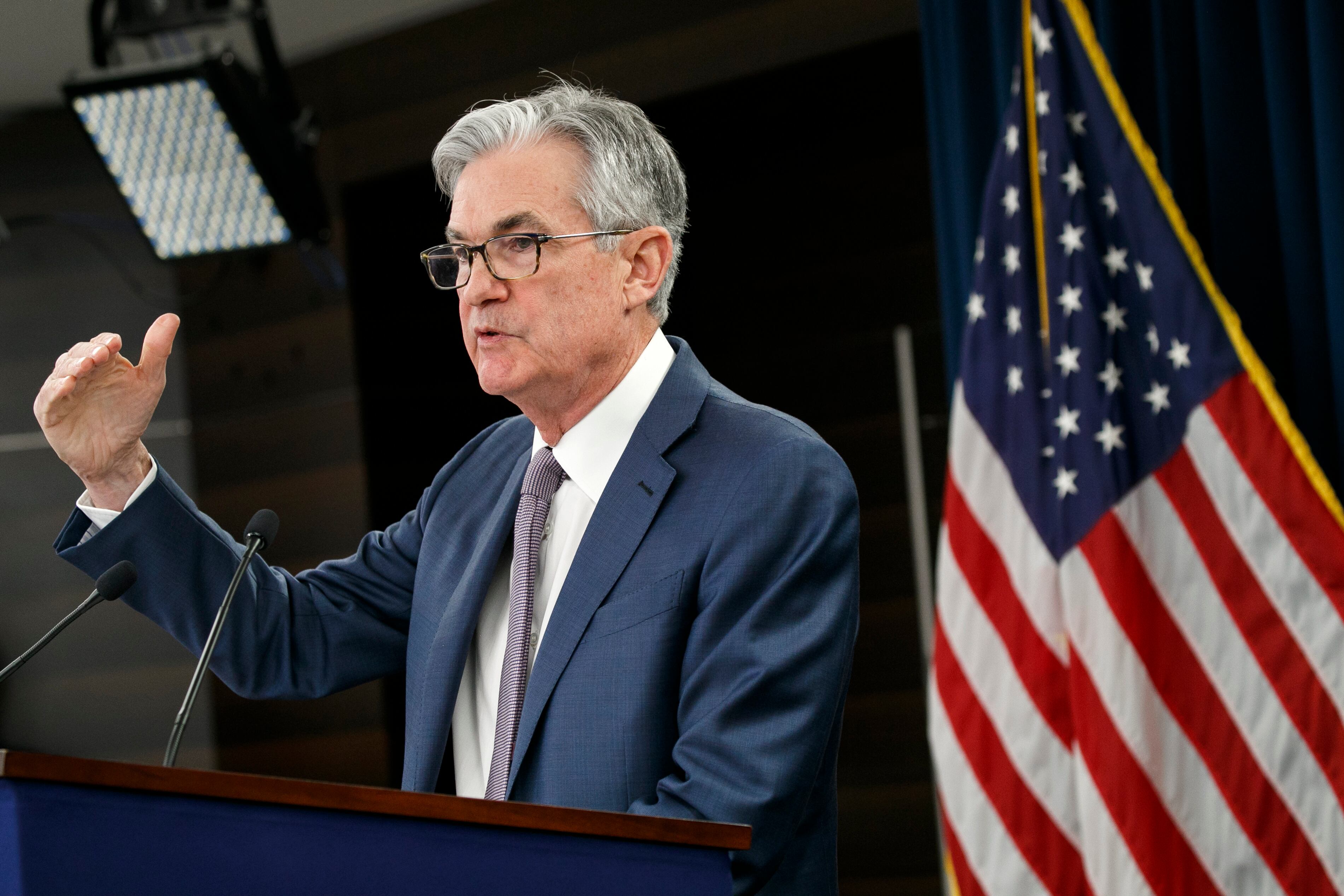
In this March 3, 2020 file photo, Federal Reserve Chair Jerome Powell speaks during a news conference to discuss an announcement from the Federal Open Market Committee, in Washington. (AP Photo/Jacquelyn Martin, File)
By Martin Crutsinger
The Federal Reserve announced a significant change Thursday in how it manages interest rates by saying it plans to keep rates near zero even after inflation has exceeded the Fed’s 2% target level.
The change signifies that the Fed is prepared to tolerate a higher level of inflation than it generally has in the past. And it means that borrowing rates for households and businesses — for everything from auto loans and home mortgages to corporate expansion — will likely remain ultra-low for years to come.
The new goal says that “following periods when inflation has been running persistently below 2%, appropriate monetary policy will likely aim to achieve inflation moderately above 2% for some time.”
The new Fed policy sought to underscore its belief that a low jobless rate was good for the economy by saying it would seek to assess the “shortfalls” in employment from the maximum level.
In a speech detailing the changes, Chairman Jerome Powell made clear that the policy change reflects the reality that high inflation — once the biggest threat to the economy — no longer appears to pose a serious danger, even when unemployment is low and the economy is growing strongly. Rather, Powell said, the economy has evolved in a way that allows the Fed to keep rates much lower than it otherwise would without igniting price pressures.
“The economy is always evolving,” Powell said. “Our revised statement reflects our appreciation for the benefits of a strong labor market, particularly for many in low- and moderate-income communities and that a robust job market can be sustained without causing an unwelcome increase in inflation."
In his speech, Powell said that the Fed's decision to allow unemployment to fall to a 50-year low before the pandemic had played an important role in lifting the fortunes of low-income workers.
Lila Snyder, CEO of Bose, joins Cheddar News anchor Hena Doba to discuss her journey to the top of the corporate world, the business of selling top of the line speakers, and how new technologies such as machine learning are shaking up the industry.
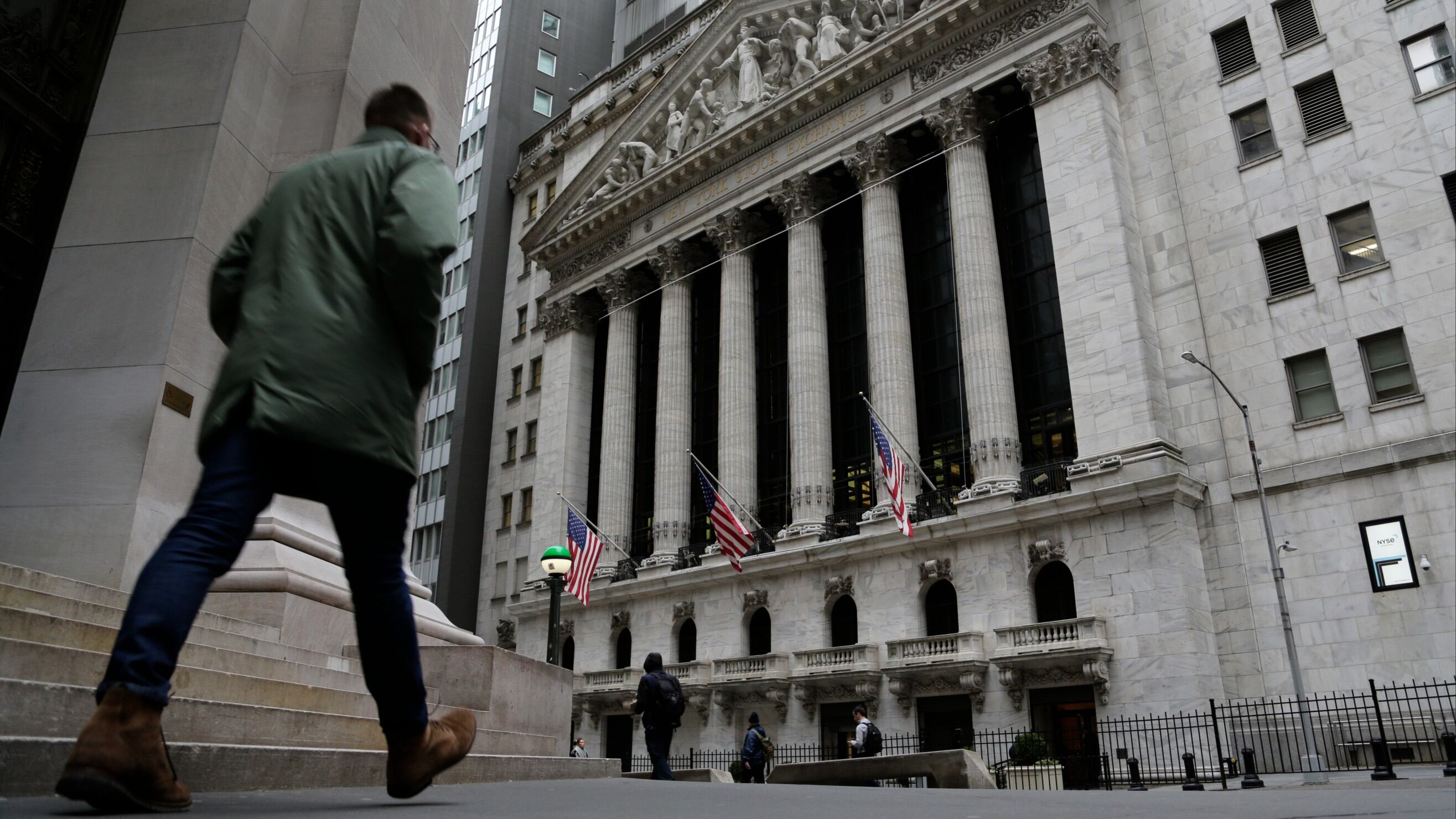
Stocks drifted ahead of reports that could offer clues on questions that have kept Wall Street at a standstill, including on where the economy and corporate profits are heading.
Aidan McClean, co-founder and CEO of UFODRIVE, joined Cheddar News to discuss how his company plans to shake up the car rental market with a digital experience. "There are no lines, there are no paperwork, there is no key collection ... no pushy insurance or pushy fuel options," he said. "You simply arrive for your electric car, use your smartphone and drive away."
Nearly half of Americans report having to side hustle to make ends meet, according to a survey from LendingTree. Jane Oates, president of WorkingNation, joined Cheddar News to discuss the state of play as families are having a difficult time with inflation and high-interest rates.
Melissa Armo, founder and owner of The Stock Swoosh, joined Cheddar News to discuss this week's markets which were little changed in trading as investors digested the latest corporate earnings results as concerns over a coming recession grow.
Peter Krull, a partner and director of sustainable investing at Prime Capital Investment Advisors company Earth Equity Advisors, joined Cheddar News to give some tips on green investments.
Investment in space was down 53% over the first three months of the year, according to a report from investment fund Space Capital. Chad Anderson, founder and managing partners of Space Capital, joined Cheddar News to discuss the funding downturn that's hit the lowest level in 14 quarters for the space industry.