By Martin Crutsinger
The Federal Reserve announced a significant change Thursday in how it manages interest rates by saying it plans to keep rates near zero even after inflation has exceeded the Fed’s 2% target level.
The change signifies that the Fed is prepared to tolerate a higher level of inflation than it generally has in the past. And it means that borrowing rates for households and businesses — for everything from auto loans and home mortgages to corporate expansion — will likely remain ultra-low for years to come.
The new goal says that “following periods when inflation has been running persistently below 2%, appropriate monetary policy will likely aim to achieve inflation moderately above 2% for some time.”
The new Fed policy sought to underscore its belief that a low jobless rate was good for the economy by saying it would seek to assess the “shortfalls” in employment from the maximum level.
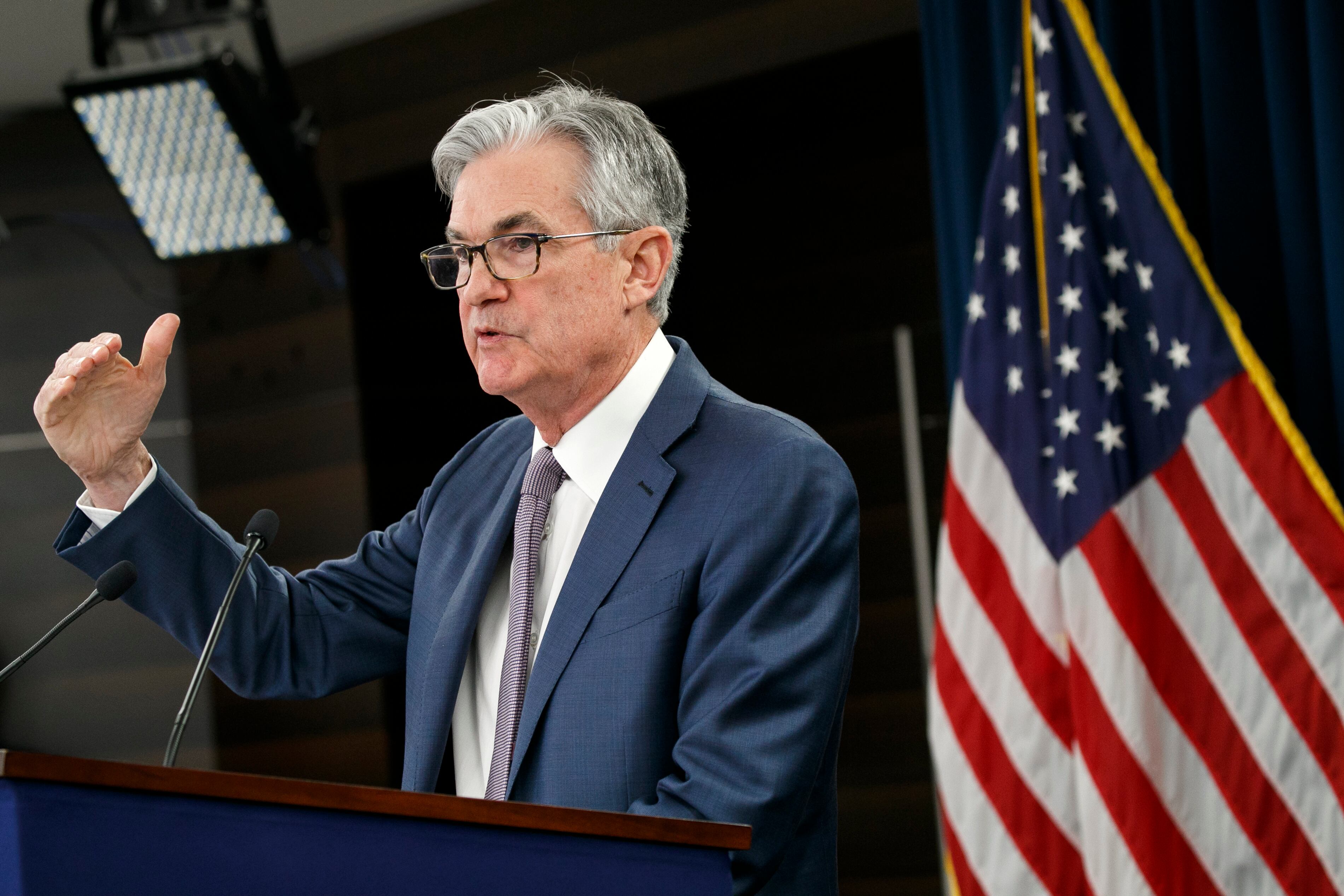
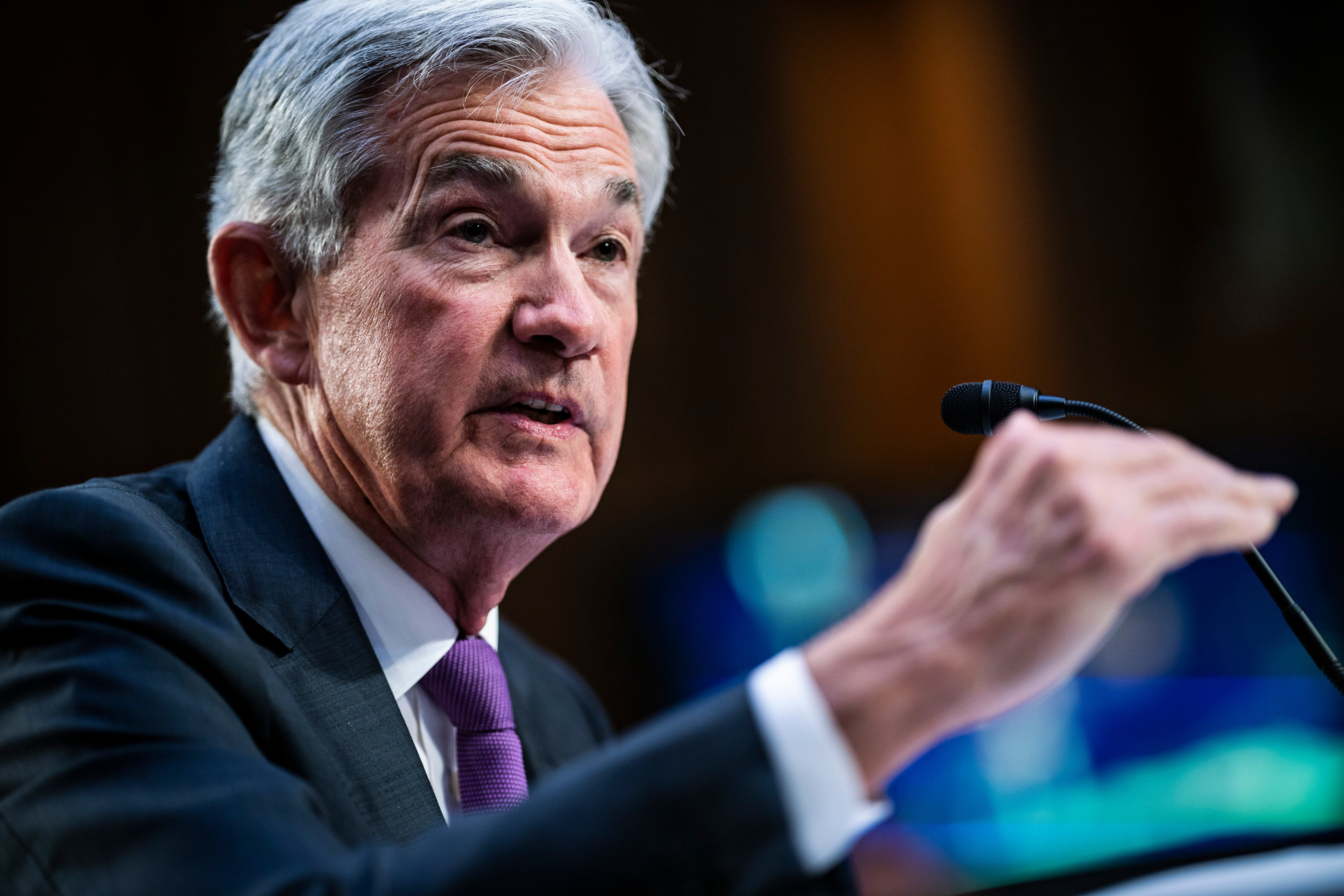
In a speech detailing the changes, Chairman Jerome Powell made clear that the policy change reflects the reality that high inflation — once the biggest threat to the economy — no longer appears to pose a serious danger, even when unemployment is low and the economy is growing strongly. Rather, Powell said, the economy has evolved in a way that allows the Fed to keep rates much lower than it otherwise would without igniting price pressures.
“The economy is always evolving,” Powell said. “Our revised statement reflects our appreciation for the benefits of a strong labor market, particularly for many in low- and moderate-income communities and that a robust job market can be sustained without causing an unwelcome increase in inflation."
In his speech, Powell said that the Fed's decision to allow unemployment to fall to a 50-year low before the pandemic had played an important role in lifting the fortunes of low-income workers.
Edward Moya, chief market strategist with Oanda, joined Cheddar News to discuss Thursday's gains as investors were surprised by a jump in weekly job claims and as Wall Street braces for key inflation data and the Fed's latest policy announcement.
Rebecca Walser, financial planner and wealth strategist, offers some tips on how to bring everyday spending in line with budgets by avoiding certain purchases.
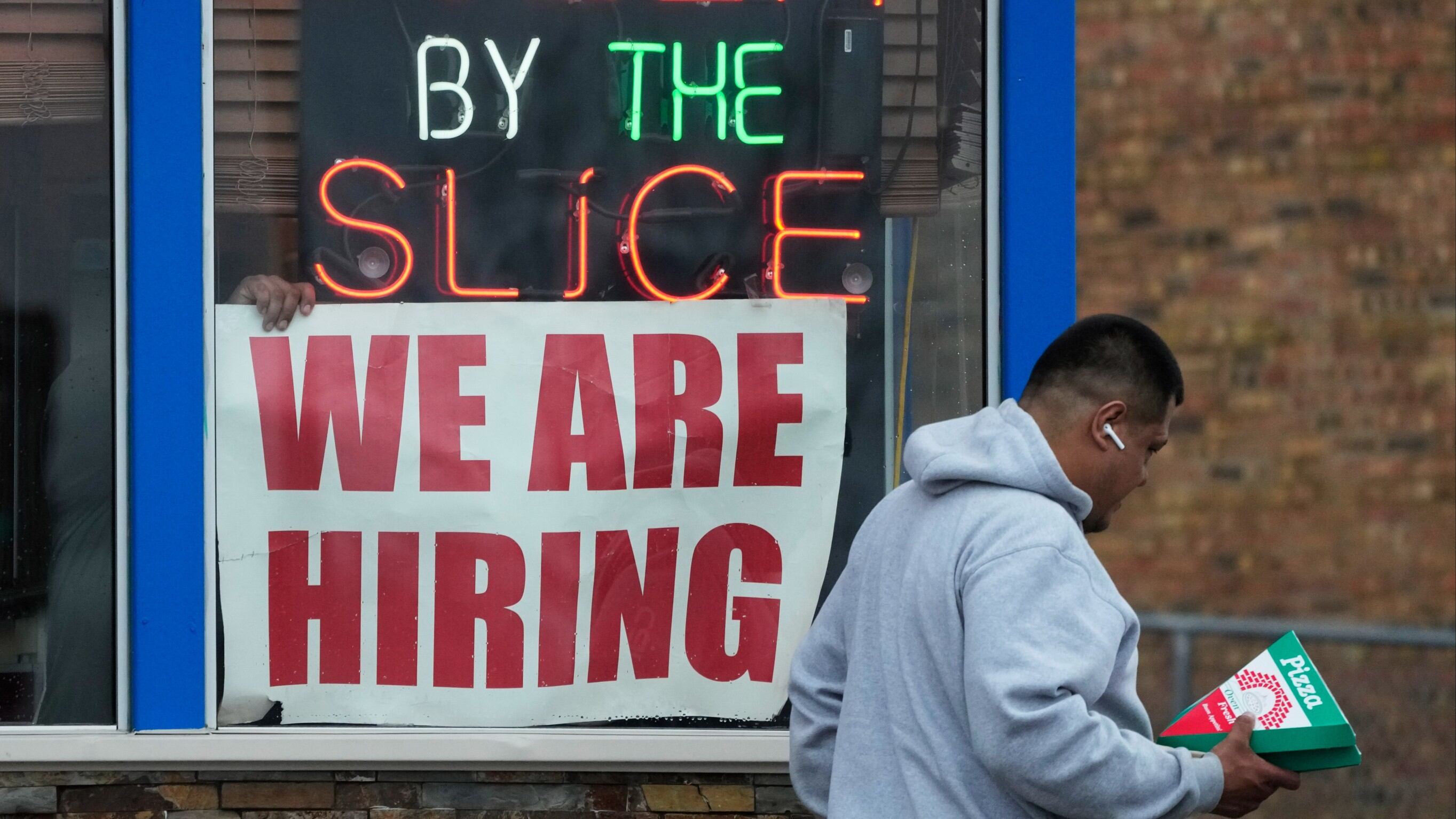
The number of Americans applying for unemployment benefits last week rose to its highest level since October 2021, but the labor market remains one of the healthiest parts of the U.S. economy.
Stocks are drifting Thursday, continuing this week’s lull as Wall Street waits for several big events next week.
Apple's new iOS 17 has some promising upgrades in store for group chats. Previously, when a iMessage group chat contained an Android user, it would lose features such as text editing and threaded replies. Now group chats will retain those features, even when there is a "green bubble" in the mix.
Workers at the Barnes & Noble in Manhattan's Union Square, one of the retail chain's signature stores and home to its corporate offices, have voted to unionize.
U.S. and British cybersecurity officials warned Wednesday that a Russian cyber-extortion gang's hack of a file-transfer program popular with corporations could have widespread global impact. Initial data-theft victims include the BBC, British Airways and Nova Scotia's government.
Wilson Aerospace, a Colorado-based tools company with close ties to NASA, is suing Boeing for allegedly stealing trade secrets over the past two decades.
Apple recently acquired augmented reality company Mira following its launch of the Vision Pro headset. Cheddar News explains how Apple is looking to tap into the AR market long dominated by Meta.
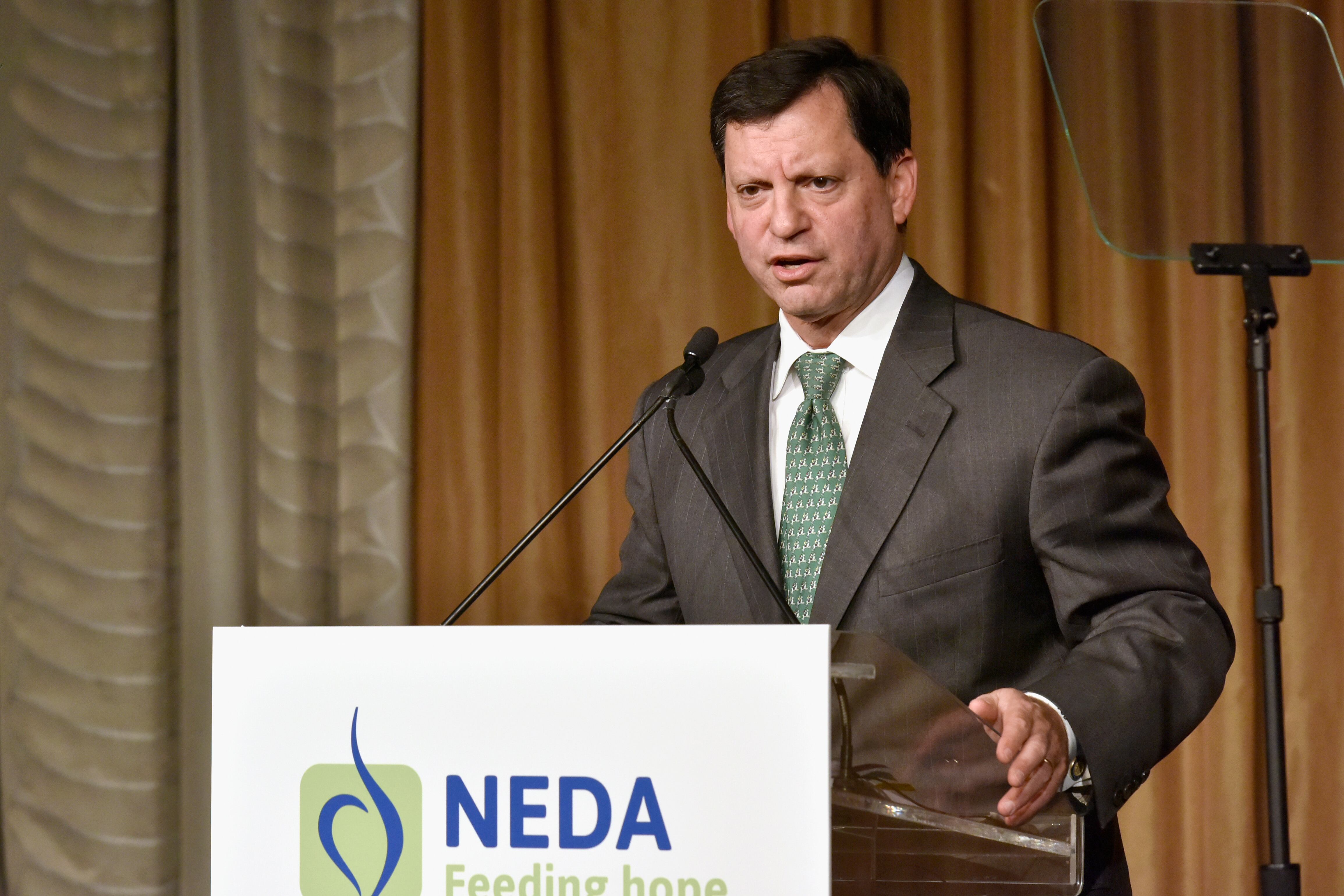
Fiserv President and Chief Executive Frank Bisignano spoke to Cheddar News about what the transfer to the New York Stock Exchange means for his company and how Fiserve plans to use its partnership with the exchange in the fintech space. "We do believe that we could do a lot here creatively with the stock exchange," he said. "