*By Lauren Babbage*
A two-day meeting of the the Federal Reserve's Open Market Committee was to begin Tuesday, when central bank officials will consider a potential second rate hike this year.
There are a number of challenges the committee will face, in addition to an uptick in inflation. The economy may be near full employment, but wages haven't increased. The country's fiscal spending, according to the Congressional Budget Office, may increase the national debt as a percent of GDP to a higher level than Italy in five years.
One might expect to see the economy pullback, but that's not been the case.
"It's like 2 A.M., everyone has been partying all night, and the federal government comes out and goes, 'No no, we're going to keep going for a lot more hours' and now the Fed has to try to keep everyone healthy," said Lenore Hawkins, the chief macro strategist at Tematica Research. "That's like, alright, start doing the shots of espresso, but the Fed is trying to keep everyone from getting the jitters. This is not an easy thing for them to do."
Investors were spooked last week when the 10-year Treasury note hit 3 percent for a brief period, and Hawkins said that nervousness will continue.
The market is seeing a decrease in liquidity, which means an increase in volatility, she said. That is heightened by the increasing debt of the U.S. Treasury.
For full interview, [click here](https://cheddar.com/videos/the-fed-interest-rate-face-off).
As commercial options tighten, more travelers are turning to private aviation. Wheels Up CEO George Mattson breaks down capacity and demand challenges.
Layoffs, hiring slowdowns, and shifting skill demands dominate this year’s job talk. LinkedIn’s Kory Kantenga explains what workers should watch for next.
Retailers face tariffs and cost challenges this holiday season. Wells Fargo's Lauren Murphy shares insights on pricing, promotions, and shopping trends.
Dateability, founded by sisters Jacqueline and Alexa Child, is the only dating app for disabled and chronically ill communities, fostering love without limits.
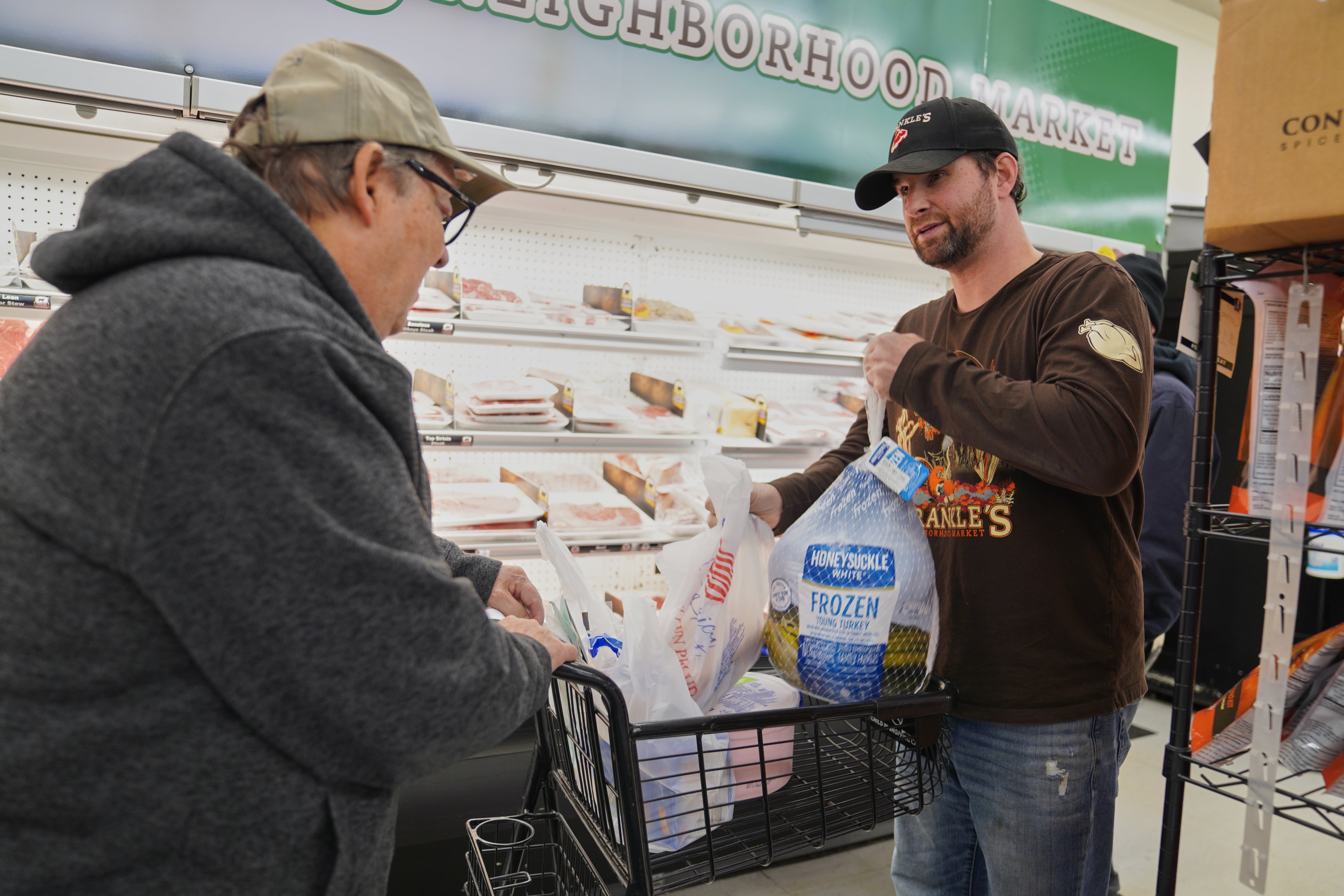
Some small grocery stores and neighborhood convenience stores are eager for the U.S. government shutdown to end and for their customers to start receiving federal food aid again. Late last month, the Trump administration froze funding for the SNAP benefits that about 42 million Americans use to buy groceries. The U.S. Department of Agriculture says about 74% of the assistance was spent last year at superstores like Walmart and supermarkets like Kroger. Around 14% went to smaller stores that are more accessible to SNAP beneficiaries. A former director of the United Nations World Food Program says SNAP is not only a social safety net for families but a local economic engine that supports neighborhood businesses.
Andy Baehr, Head of Product at CoinDesk Indices, breaks down crypto’s Black Friday crash, Bitcoin dipping under $100K, and what’s driving the market rout.