*By Lauren Babbage*
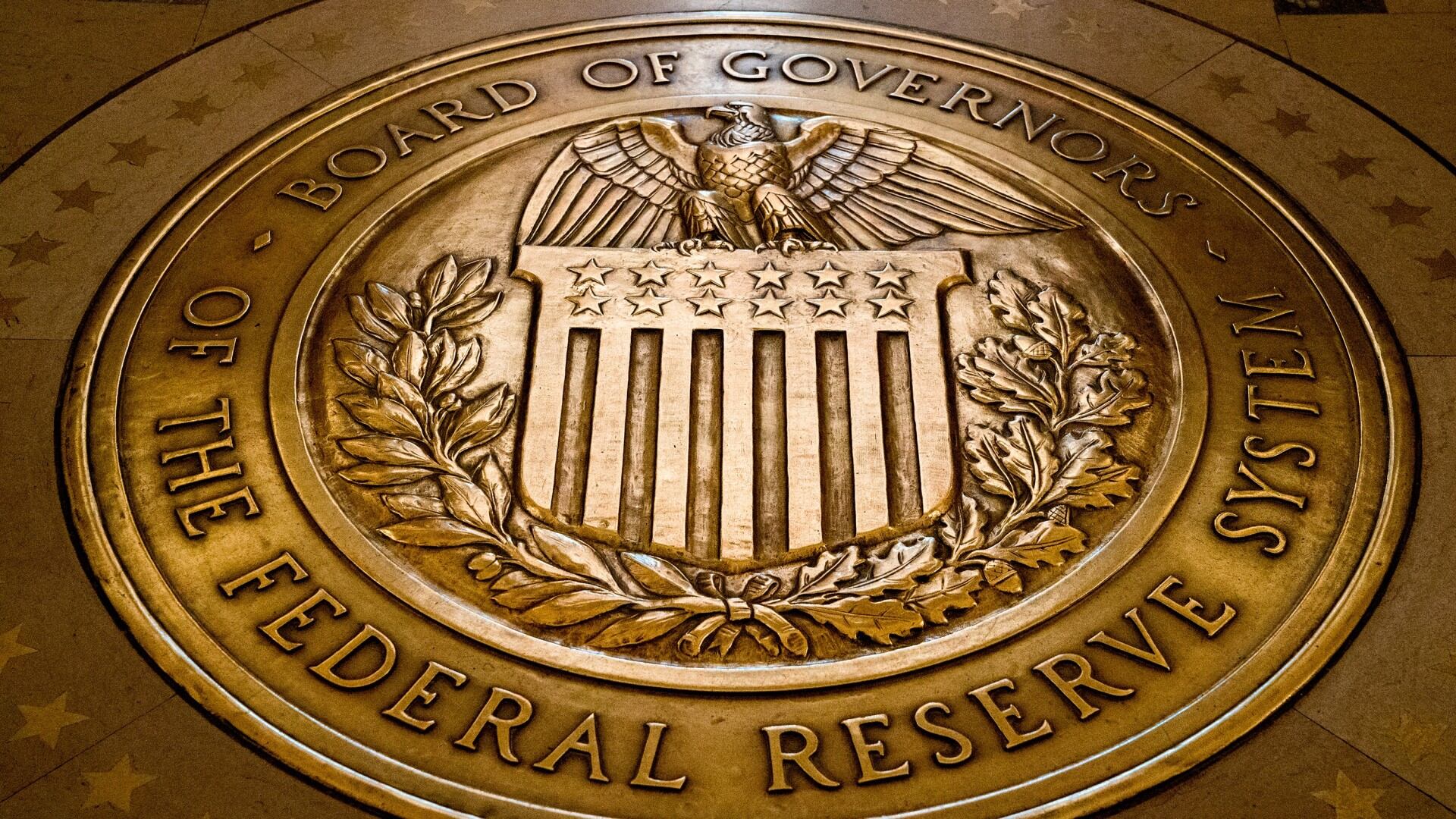
A two-day meeting of the the Federal Reserve's Open Market Committee was to begin Tuesday, when central bank officials will consider a potential second rate hike this year.
There are a number of challenges the committee will face, in addition to an uptick in inflation. The economy may be near full employment, but wages haven't increased. The country's fiscal spending, according to the Congressional Budget Office, may increase the national debt as a percent of GDP to a higher level than Italy in five years.
One might expect to see the economy pullback, but that's not been the case.
"It's like 2 A.M., everyone has been partying all night, and the federal government comes out and goes, 'No no, we're going to keep going for a lot more hours' and now the Fed has to try to keep everyone healthy," said Lenore Hawkins, the chief macro strategist at Tematica Research. "That's like, alright, start doing the shots of espresso, but the Fed is trying to keep everyone from getting the jitters. This is not an easy thing for them to do."
Investors were spooked last week when the 10-year Treasury note hit 3 percent for a brief period, and Hawkins said that nervousness will continue.
The market is seeing a decrease in liquidity, which means an increase in volatility, she said. That is heightened by the increasing debt of the U.S. Treasury.
For full interview, [click here](https://cheddar.com/videos/the-fed-interest-rate-face-off).
UPS recently announced it would equip delivery trucks with air conditioning. Dr. Douglas Casa, CEO of Korey Stringer Institute at the University of Connecticut, spoke with Cheddar News on the dangers of heat stroke and how workers can keep themselves safe from extreme weather.
The push for clean energy is igniting an interest in electric vehicles but charging EVs continues to be a concern for consumers looking to save. Brian Moody, executive editor with Autotrader, joined Cheddar News to discuss how people can make home-charging more affordable.
Gannett has filed a civil lawsuit against Google and its parent company Alphabet, claiming that they unlawfully hold monopolies in the advertising technology tools that publishers and advertisers use to buy and sell online ad space.