This May 22, 2020 photo shows the Federal Reserve building in Washington. (AP Photo/Patrick Semansky)
By Martin Crutsinger
he Federal Reserve is promising to use its “full range of tools” to pull the country out of a recession brought on by a global pandemic, signaling that it would keep interest rates low through 2022.
In its semi-annual monetary policy report to Congress, the central bank said Friday that the COVID-19 outbreak was causing “tremendous human and economic hardship across the United States and around the world.”
In response, the Fed said it's “committed to using its full range of tools to support the U.S. economy in this challenging time."
The Fed’s report comes two days after a policy meeting where the central bank kept it benchmark interest rate at a record low of zero to 0.25% and signaled that it planned to keep it there through 2022. The Fed said it would continue to buy billions of dollars of Treasury and mortgage-backed securities to support the financial market.
Federal Reserve Chairman Jerome Powell will testify before congressional committees for two days next week, starting Tuesday, on the new report. Lawmakers are expected to ask Powell to explain how the central bank plans to further support the economy during what is expected to be the steepest economic downturn in the last 70 years.
Powell predicted this week that the recovery will likely be slow with Americans “well into the millions” unable to get their old jobs back.
Powell’s downbeat assessment of how long it could take labor market to recover along with other renewed fears about the pandemic’s impact on the economy helped trigger a huge selloff in the market on Thursday with the Dow Jones industrial average falling 1,861.82 points or 6.9%.
After the market plunge, President Donald Trump sent out a tweet criticizing the Fed's views that a full economic recovery could take a long time.
“The Federal Reserve is wrong so often,” Trump tweeted. “I see the numbers also, and do MUCH better than they do. We will have a very good Third Quarter, a great Fourth Quarter, and one of our best ever years in 2021.”
The report submitted to Congress this week included economic projections from Powell and other top Fed officials. They showed that Fed officials expect a steep drop in economic growth of 6.4% this year with unemployment remaining at a sharply elevated 9.3% through this year.
A recently as February, unemployment was at a half-century low of 3.5%,
The economic projections showed that the Fed's key interest rate, which the central bank cut in March to a record low near zero, is expected to remain at that level through the end of 2022 with only two of the 15 Fed officials expecting a rate higher than zero by late 2022.
The Fed did not announce any new policy initiatives at its meeting this week, but financial analysts believe that those could be unveiled later this year, depending on how the economy performs in the second half.
The Fed noted a sharp deterioration in the labor market with nearly 20 million jobs lost since February, “reversing almost 10 years of job gains.”
“The most severe job losses have been sustained by the socioeconomic groups that are disproportionately represented among low-wage jobs,” according to the report.
The Fed on Friday also summarized a series of events that it has been holding since last year aimed at getting public input into improvements the central bank can make in its monetary policy work. That included an event in May in which it sought to determine how the coronavirus was impacting people's lives.
“People have put their lives and livelihoods on hold during this public health emergency,” Powell wrote in an introductory note. “While all of us have been affected, the burdens are falling most heavily on those least able to carry them.”
The Fed, Powell said, remains focused on laying the foundation for a return to the strong labor market the country was experiencing last year.
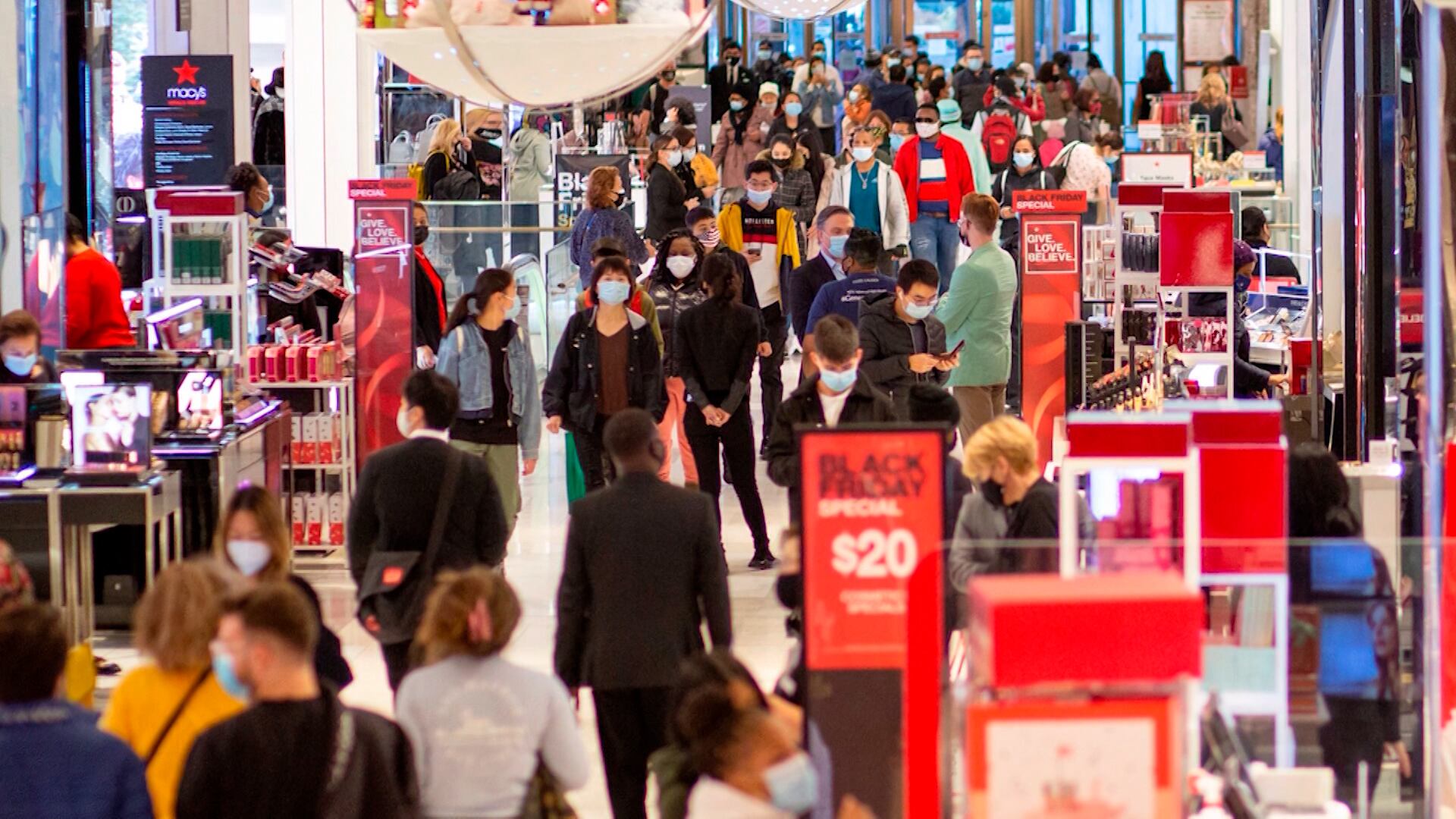
If there's any question about whether inflation is here to stay, today's November consumer price index data gives us an answer. This is the second month in a row we've seen a hot inflation reading — CPI last month rose to 6.8%, after jumping to 6.2% in October. Amid the holiday shopping season, what does this mean for consumers? And how will the Federal Reserve move forward after previously announcing it would speed up its asset taper timeline? Art Hogan, Chief Market Strategist at National Securities, joins Cheddar News' Closing Bell to discuss November's CPI jump, where consumers are hurting the most, what the Fed could do to help ease inflation, and more.
Editorial and stock photo provider Getty Images is gearing up to make its public debut via a SPAC merger with CC Neuberger Principal Holdings II bringing it to a $4.8 billion valuation. CEO Craig Peters joined Cheddar to break down the decision to go public and noted that the merger will help to pay down debt. "That's going to really enable a lot of additional free cash flow and financial flexibility into the business," he noted. "That's just going to allow us to just invest more aggressively into the business to accelerate what is already accelerating growth." Peters also discussed the legacy image platform's place going forward in the expanding world of digital assets like NFTs and the metaverse.
Ben Schiller, the managing editor for features and opinion at CoinDesk, breaks down how the year's top 10 crypto influencers were selected and what to expect from the blockchain ecosystem, especially the growth of NFTs, in 2022. "This whole crypto story has become not just a story about money or the future of money," he said. "It's also become a cultural story where it's getting into gaming, it's getting into artwork, into collectibles, and all kinds of cultural categories it wasn't in before." Schiller noted that he expects the U.S. and other world governments to establish crypto regulations in the coming year.
Ford said it will ramp up production for its Mustang Mach-E as demand for the electric vehicle surges. The automaker expects to sell upwards of 200,000 annually by 2023.
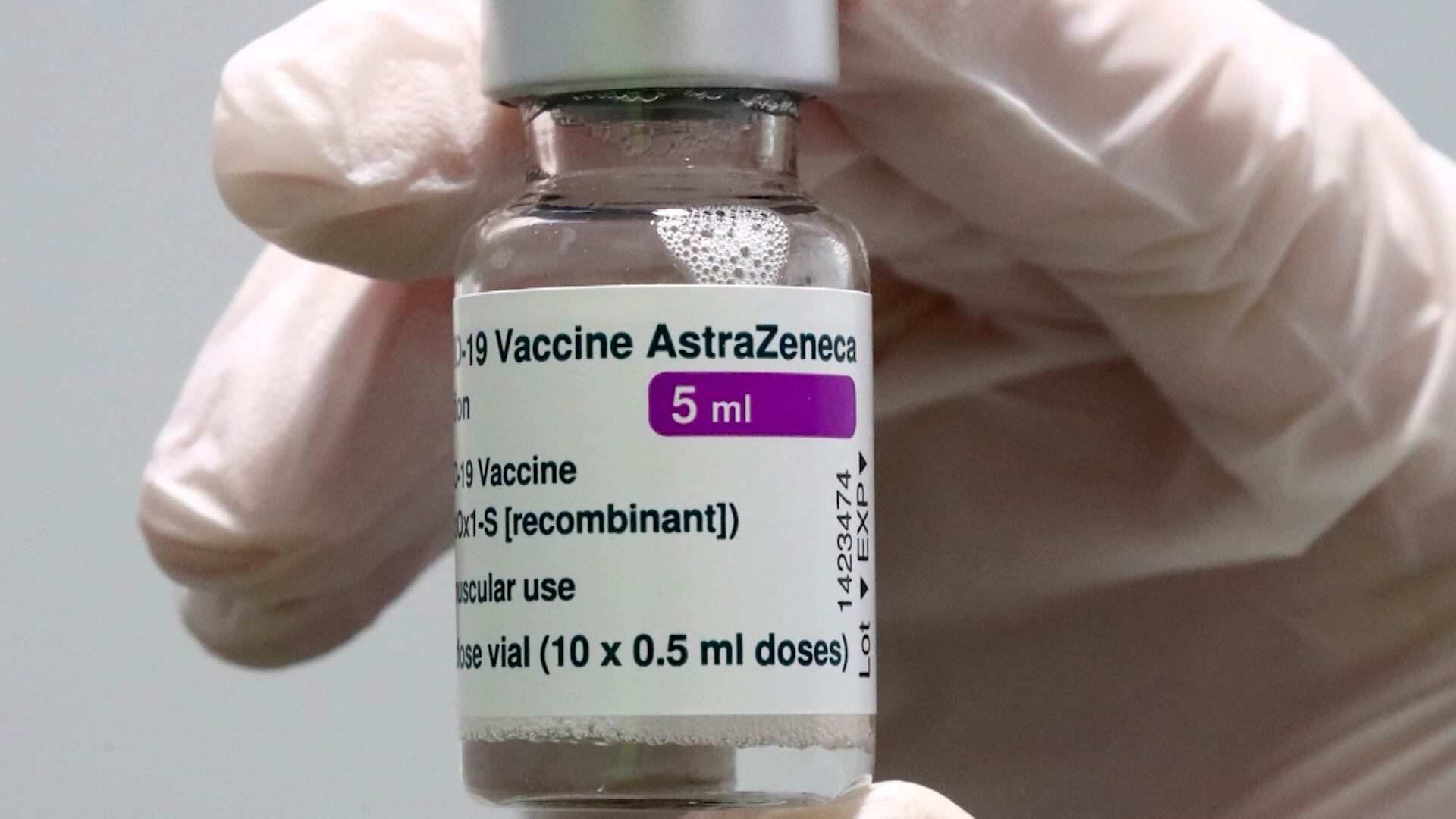
Mina Makar, senior vice president of respiratory and immunology, Astrazeneca, joined Cheddar to discuss the FDA's decision to give emergency use authorization to the pharma giant's COVID-19 antibody treatment called Evusheld for immunocompromised patients For about 2 percent of the U.S. Makar noted that the injection is supposed to provide antibody protection for those who can't generate their own adequate immune response via the vaccines for a minimum of six months, though long-term trials are underway.
The pandemic has forced corporate America to reshape itself to adapt, including onboarding doctors as chief medical officers to help maintain the health and safety of staff. Dr. Geeta Nayyar, chief medical officer at Salesforce, joined Cheddar to break down her role and how it has become relevant and necessary in the evolving workplace. "Every business today is now in the business of healthcare," she said. "It is a priority to empower employees to then serve your customers."
Sustainable consumer products maker Grove Collaborative is gearing up to launch an IPO via a SPAC merger with Richard Branson's Virgin Group Acquisition Corp II. Stuart Landesberg, CEO and co-founder of Grove Collaborative, talked to Cheddar's Kristen Scholer about going public through the merger and aligning with a partner he felt also prioritizes climate. "What this partnership will mean is that we're able to expand the assortment and innovations that we bring to market in products that work just as well as the conventionals and market leaders but have a significantly different environmental profile," Landesberg said.
Cuy Sheffield, head of crypto at Visa, joined Cheddar's "Closing Bell" to talk about Visa's commitment and the partnerships the company has established to make crypto a conventional form of currency. He noted that banks are becoming more receptive to digital currency as their customers move portions of money to crypto platforms and also explained steps Visa is taking to make them more climate conscious.
Many brands and industries are announcing their predictions for new trends to watch in 2022. According to Forbes, cooking robots and plant-based meat are just some of the many food trends that are expected to dominate. Jeff Crivello, CEO of BBQ Holdings, joins Cheddar News to discuss more.