This May 22, 2020 photo shows the Federal Reserve building in Washington. (AP Photo/Patrick Semansky)
By Martin Crutsinger
he Federal Reserve is promising to use its “full range of tools” to pull the country out of a recession brought on by a global pandemic, signaling that it would keep interest rates low through 2022.
In its semi-annual monetary policy report to Congress, the central bank said Friday that the COVID-19 outbreak was causing “tremendous human and economic hardship across the United States and around the world.”
In response, the Fed said it's “committed to using its full range of tools to support the U.S. economy in this challenging time."
The Fed’s report comes two days after a policy meeting where the central bank kept it benchmark interest rate at a record low of zero to 0.25% and signaled that it planned to keep it there through 2022. The Fed said it would continue to buy billions of dollars of Treasury and mortgage-backed securities to support the financial market.
Federal Reserve Chairman Jerome Powell will testify before congressional committees for two days next week, starting Tuesday, on the new report. Lawmakers are expected to ask Powell to explain how the central bank plans to further support the economy during what is expected to be the steepest economic downturn in the last 70 years.
Powell predicted this week that the recovery will likely be slow with Americans “well into the millions” unable to get their old jobs back.
Powell’s downbeat assessment of how long it could take labor market to recover along with other renewed fears about the pandemic’s impact on the economy helped trigger a huge selloff in the market on Thursday with the Dow Jones industrial average falling 1,861.82 points or 6.9%.
After the market plunge, President Donald Trump sent out a tweet criticizing the Fed's views that a full economic recovery could take a long time.
“The Federal Reserve is wrong so often,” Trump tweeted. “I see the numbers also, and do MUCH better than they do. We will have a very good Third Quarter, a great Fourth Quarter, and one of our best ever years in 2021.”
The report submitted to Congress this week included economic projections from Powell and other top Fed officials. They showed that Fed officials expect a steep drop in economic growth of 6.4% this year with unemployment remaining at a sharply elevated 9.3% through this year.
A recently as February, unemployment was at a half-century low of 3.5%,
The economic projections showed that the Fed's key interest rate, which the central bank cut in March to a record low near zero, is expected to remain at that level through the end of 2022 with only two of the 15 Fed officials expecting a rate higher than zero by late 2022.
The Fed did not announce any new policy initiatives at its meeting this week, but financial analysts believe that those could be unveiled later this year, depending on how the economy performs in the second half.
The Fed noted a sharp deterioration in the labor market with nearly 20 million jobs lost since February, “reversing almost 10 years of job gains.”
“The most severe job losses have been sustained by the socioeconomic groups that are disproportionately represented among low-wage jobs,” according to the report.
The Fed on Friday also summarized a series of events that it has been holding since last year aimed at getting public input into improvements the central bank can make in its monetary policy work. That included an event in May in which it sought to determine how the coronavirus was impacting people's lives.
“People have put their lives and livelihoods on hold during this public health emergency,” Powell wrote in an introductory note. “While all of us have been affected, the burdens are falling most heavily on those least able to carry them.”
The Fed, Powell said, remains focused on laying the foundation for a return to the strong labor market the country was experiencing last year.
Stocks closed lower on the last trading day of 2021, but all three major indexes ended the year with double-digit growth. The S&P 500, in particular, marked its third straight positive year. What's in store for 2022 amid the Federal Reserve's plans to speed up asset tapering and raise interest rates, and how could COVID-19 continue to impact stocks? Steve Sosnick, Chief Strategist at Interactive Brokers, joins Cheddar News' Closing Bell to discuss movement on the last trading day of 2021, market predictions for 2022, and more.
As the pandemic continues to evolve, and cases of the omicron variant increase, how will this impact economic growth and movement in the new year? Consumer behavior continues to shift, labor issues linger, and questions about whether the pandemic will eventually become endemic are on economists' minds as we enter 2022. Jason Ware, Economist & Chief Investment Officer at Albion Financial Group, joins Cheddar News' Closing Bell to discuss.
Mike Draper, Founder and Owner of Raygun, joins Cheddar News' Closing Bell, where he discusses how increases to the minimum wage in several states next year will help his company and explains why he advocates for it nationally.
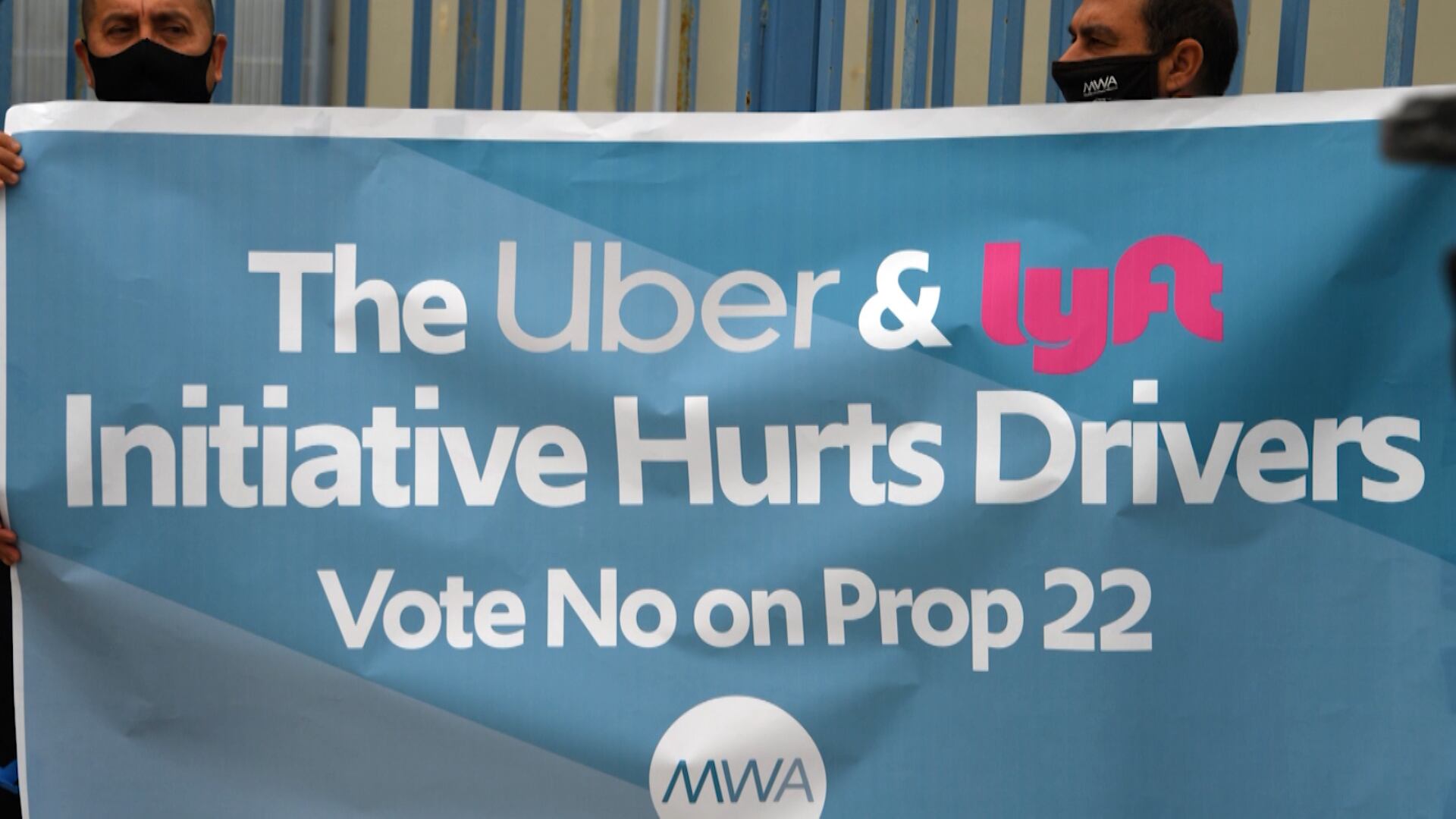
The push to regulate the gig worker economy is gaining steam as the share of workers who participate in freelancing through businesses like Uber and Lyft have also exponentially grown during the pandemic. Employment attorney Mark Kluger, founding partner at Kluger Healey, LLC, joined Cheddar to break down how the battle to reclassify gig workers will continue in the new year, and why the issue continues to generate conflict. "More and more workers are using gig work as their primary source of income and as a result of that they are not like employees in the sense that they don't have benefits like health insurance," Kluger noted.
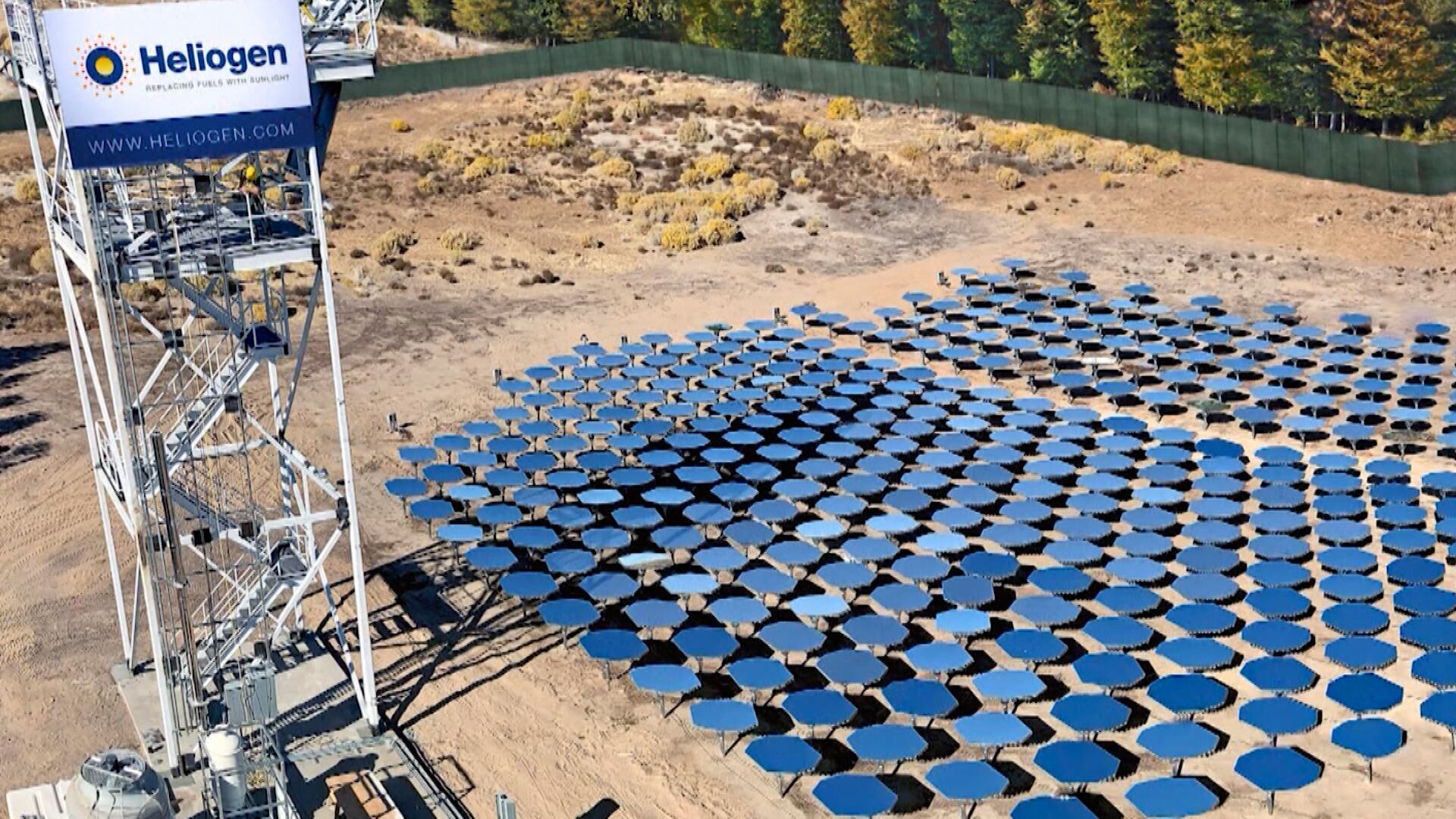
Renewable energy company Heliogen has gone public via a SPAC merger with blank check company Athena Technology Acquisition Corp. on the NYSE. Joining Cheddar, founder and CEO Bill Gross went into why he felt the end of 2021 was the best time to get into the public markets. "If you think of the Industrial Revolution and the digital revolution, this renewable revolution is probably going to be as big or larger than that," he said. "So we're going to use this capital to scale our business, to meet more customer demand, to do more projects in parallel, and to scale our research and development to continue to drive down the price to be competitive with fossil fuels."
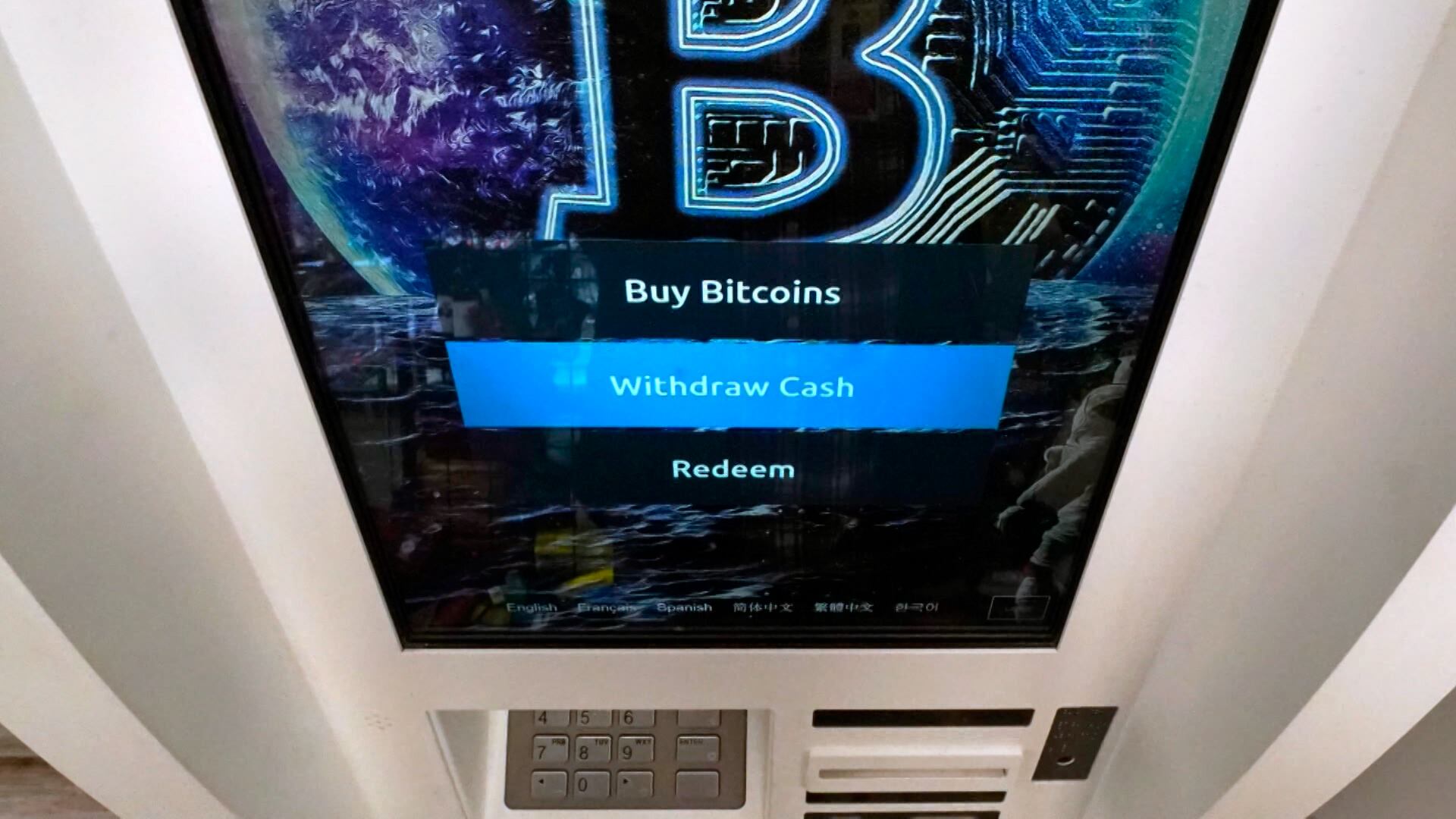
Carl "The Moon" Runefelt, a Bitcoin investment expert, recently made a hefty purchase of a $2 million Bugatti sports car at a Dubai dealership. The Swedish crypto evangelist joined Cheddar to talk about how he made the big acquisition of a luxury item he had long had his eye on and why he chose the dealership, The Car Vault, to make the unprecedented transaction. "They accepted crypto directly, and that was important to me," he said. "I am not going to go to any car dealership that don't accept crypto, and that's kind of a principle I have today."
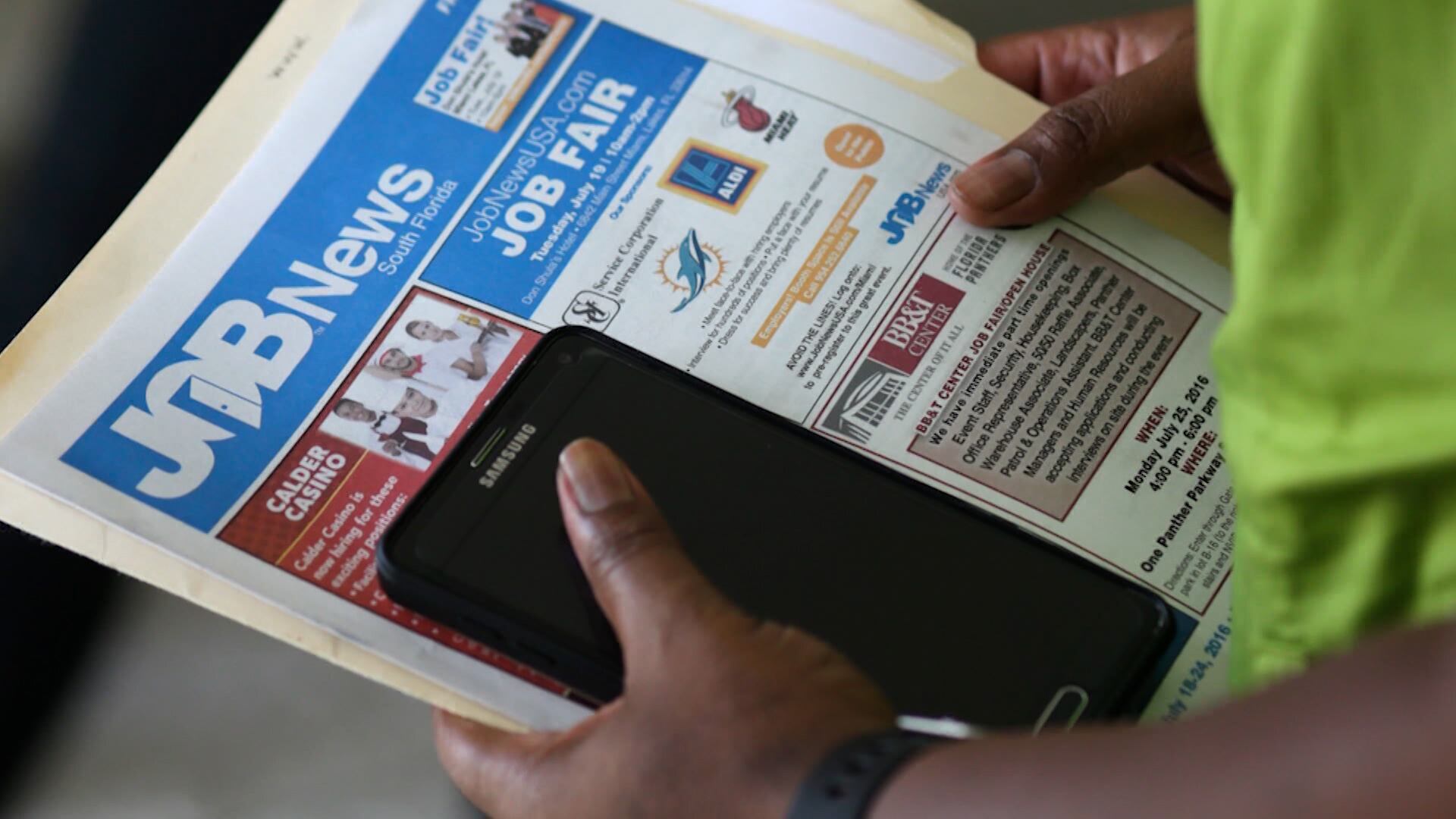
Marjorie Mesidor, Partner at Phillips & Associates, joined Wake Up With Cheddar to break down the latest trends in the job market, as the demand for labor has recovered, but as the number of people willing to fill positions remains relatively low.
2021 proved that crypto currency is here to stay. This year saw more and more adoptions of crypto, from top athletes looking to be paid in bitcoin, to Elon Musk even experimenting with bitcoin and dogecoin payments for a bit over at Tesla. And it wasn't all bitcoin either - other cryptos like Cardano and Solana saw some action in 2021 as well. Patrick McConlogue, CEO of Overline and former Citadel Investment Group Engineer explains why 2021 was such a good year for crypto, and what to expect in 2022.