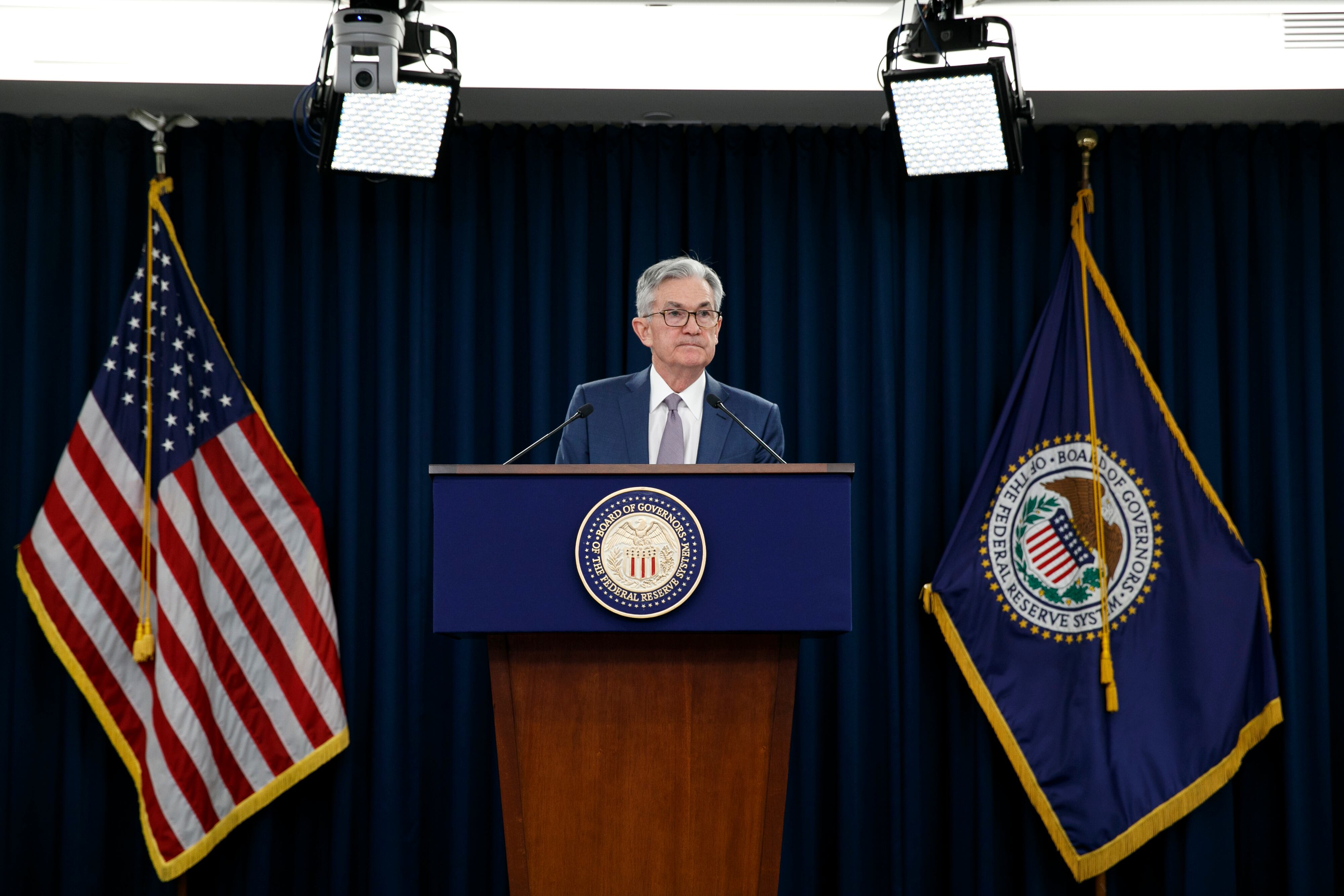
Federal Reserve Chair Jerome Powell speaks during a news conference, Tuesday, March 3, 2020. (AP Photo/Jacquelyn Martin)
By Martin Crutsinger
The Federal Reserve is taking additional steps to provide up to $2.3 trillion in loans to support the economy. The money will target American households and businesses, as well as local governments besieged by the coronavirus outbreak.
The Fed said Thursday that it is activating a Main Street Business Lending Program authorized by the CARES Act, the largest economic relief package ever passed by Congress.
Federal Reserve Chairman Jerome Powell said the Fed's role was to “provide as much relief and stability as we can during this period of constrained economic activity.”
In addition, the Fed activated a loan program for municipal governments, as well as additional support for the Paycheck Protection Program, which the Small Business Administration rolled out last week. The program provides loans to businesses with fewer than 500 employees.
The Main Street lending program “will make a significant difference for the 40,000 medium-sized business that employ 35 million Americans," Treasury Secretary Steven Mnuchin said.
The government's pay protection plan for small businesses is off to a rocky start. They have had difficulty getting banks to provide the loans. The banks have said that the government has not made clear how they should process such loans, even what forms are required.
The Fed announced the new infusion of cash on the same day the U.S. reported applications for unemployment benefits last week reached a staggering 6.6 million. That means more than one in 10 workers have lost their jobs in just the past three weeks to the coronavirus outbreak.
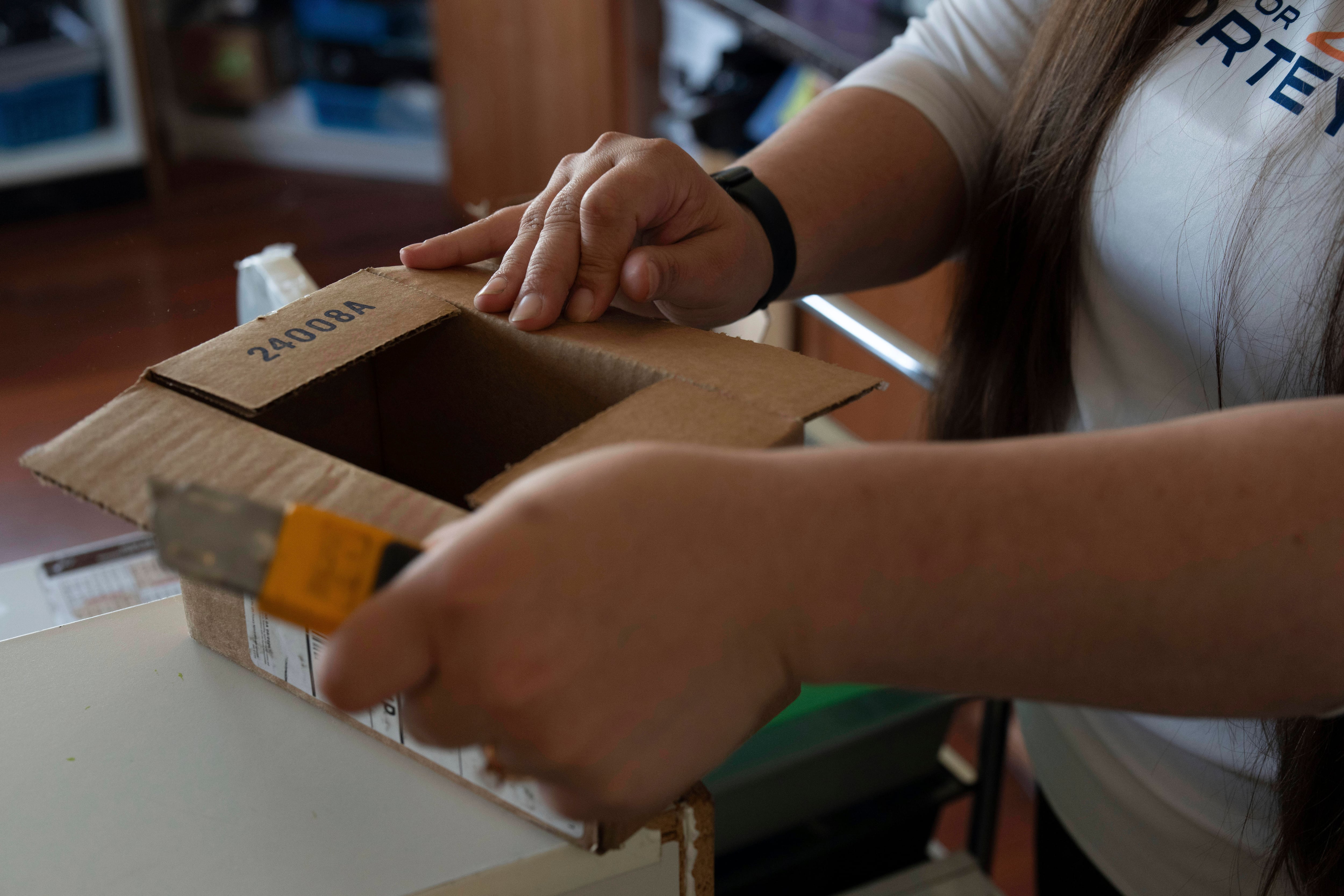
Low-value imports are losing their duty-free status in the U.S. this week as part of President Donald Trump's agenda for making the nation less dependent on foreign goods. A widely used customs exemption for international shipments worth $800 or less is set to end starting on Friday. Trump already ended the “de minimis” rule for inexpensive items sent from China and Hong Kong, but having to pay import taxes on small parcels from everywhere else likely will be a big change for some small businesses and online shoppers. Purchases that previously entered the U.S. without needing to clear customs will be subject to the origin country’s tariff rate, which can range from 10% to 50%.
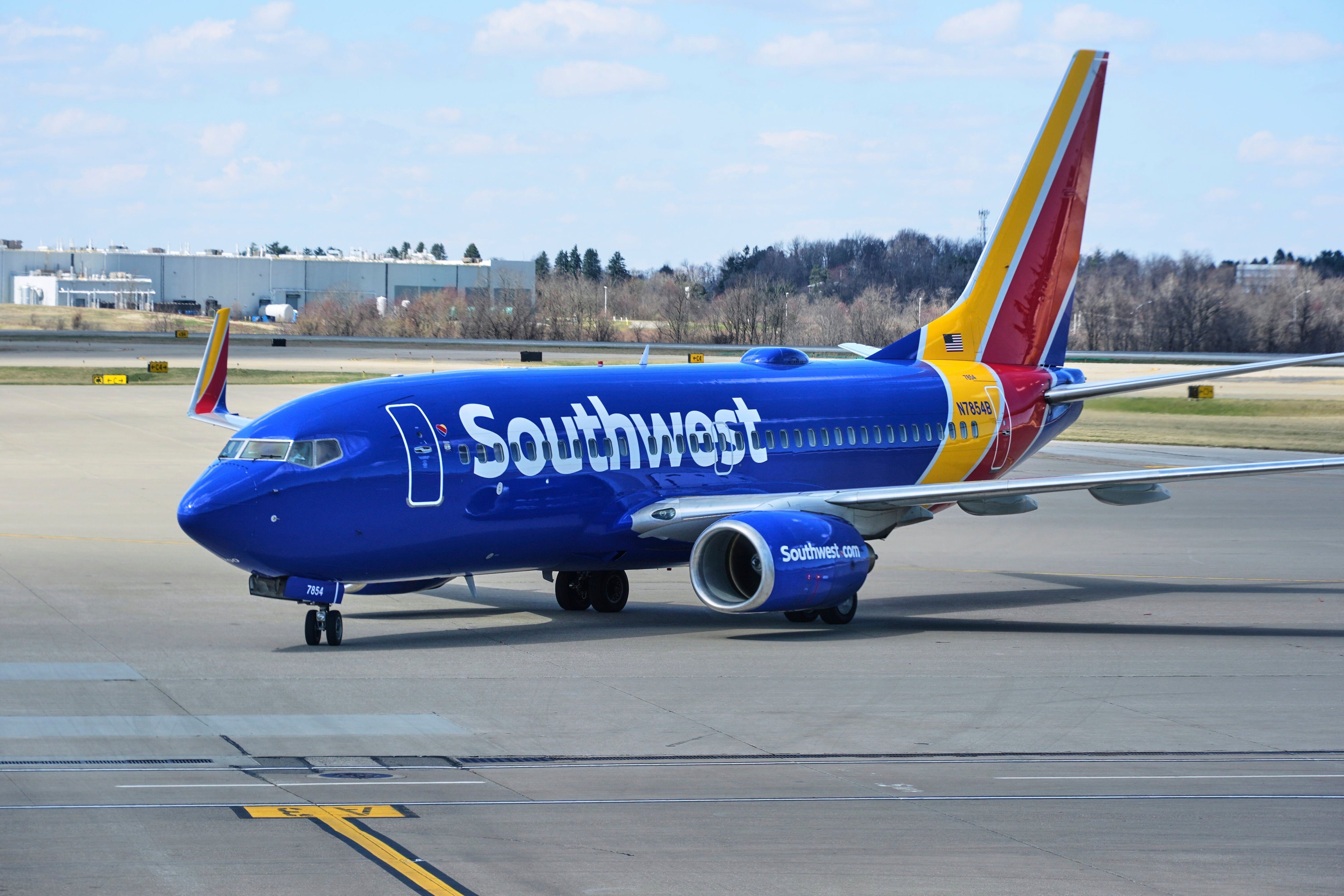
Southwest Airlines will soon require plus-size travelers to pay for an extra seat in advance if they can't fit within the armrests of one seat. This change is part of several updates the airline is making. The new rule starts on Jan. 27, the same day Southwest begins assigning seats. Currently, plus-size passengers can pay for an extra seat in advance and later get a refund, or request a free extra seat at the airport. Under the new policy, refunds are still possible but not guaranteed. Southwest said in a statement it is updating policies to prepare for assigned seating next year.
Cracker Barrel is sticking with its new logo. For now. But the chain is also apologizing to fans who were angered when the change was announced last week.
Elon Musk on Monday targeted Apple and OpenAI in an antitrust lawsuit alleging that the iPhone maker and the ChatGPT maker are teaming up to thwart competition in artificial intelligence.
Hear from Gabino & Stephen Roche on Saphyre’s institutional AI platform that centralizes pre‑ and post‑trade data, redefining settlement speed and accuracy.
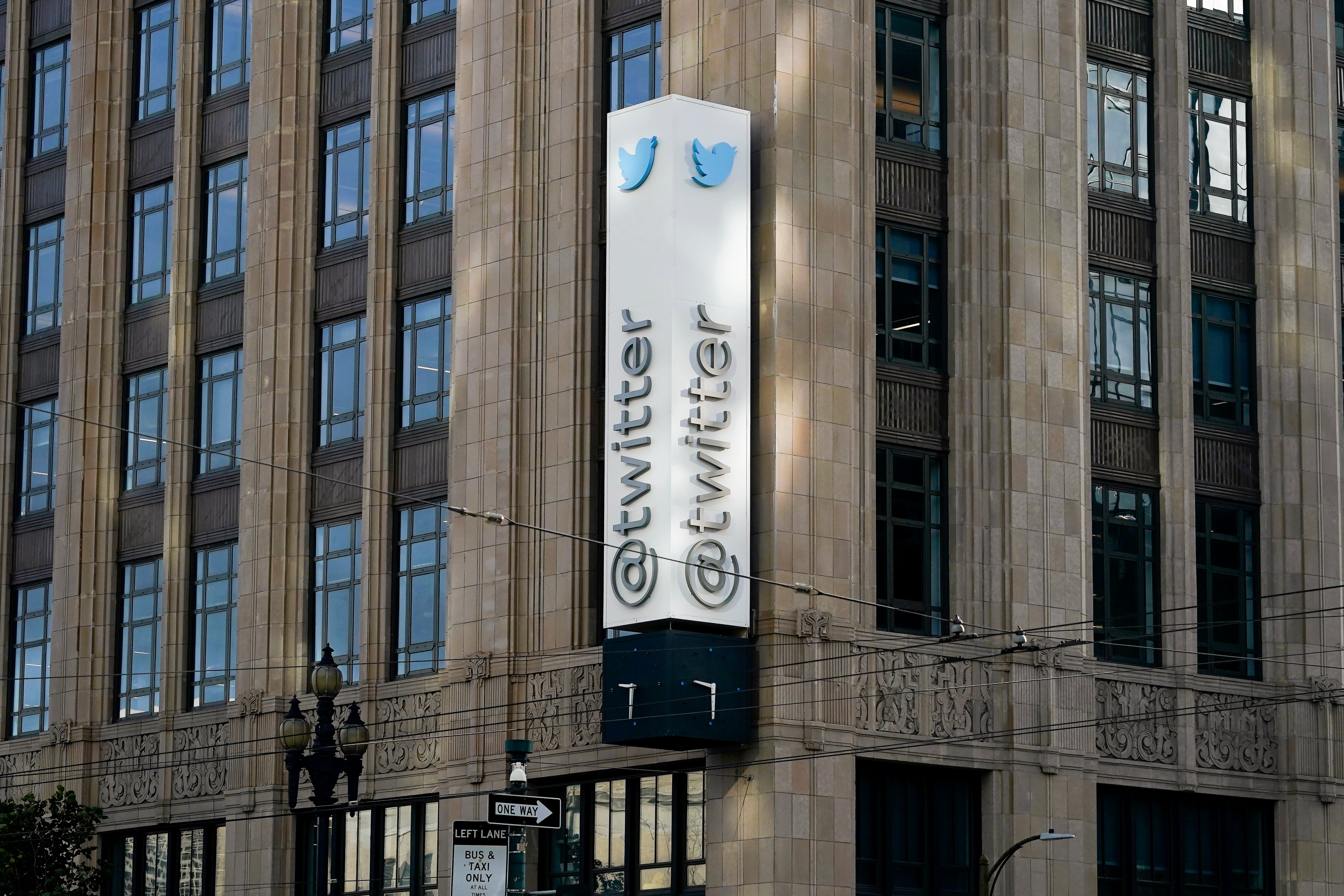
Elon Musk’s X has reached a tentative settlement with former employees of the company then known as Twitter who’d sued for $500 million in severance pay.