We have liftoff!
SpaceX successfully launched its Falcon Heavy rocket on Tuesday afternoon, ending years of anticipation and a couple hours of last-minute delays.
John Timmer, science editor at Ars Technica, explains why this historic launch is such “an amazing achievement.”
“Traditionally, these huge launch vehicles have been the domain of governments,” Timmer told Cheddar, referring to the U.S. and Russian space programs.
This marks the first time a private company has ever developed a rocket like this.
The launch puts the Elon Musk-led company ahead of Blue Origin, run by Amazon CEO Jeff Bezos. Timmer says that company plans its own high-power rocket launch but is still a few years away.
And Roscosmos, the Russian space program, also tried to launch a rocket with many small engines but “failed spectacularly,” a stark contrast to the Falcon Heavy, which was propelled by 27 engines.
“SpaceX, between current computer control systems and their careful manufacturing, has apparently solved the problem necessary to send something into orbit with that many engines,” Timmer said.
The Falcon Heavy launched from Kennedy Space Center at 3:45 pm ET on Tuesday. Musk added some showmanship to the event, by including his own Tesla roadster as the payload. By the end of the day the roadster was on a trajectory that is planned to put it in a long elliptical orbit around Mars.
For full interview, [click here](https://cheddar.com/videos/despite-doubts-falcon-heavy-has-a-successful-launch).
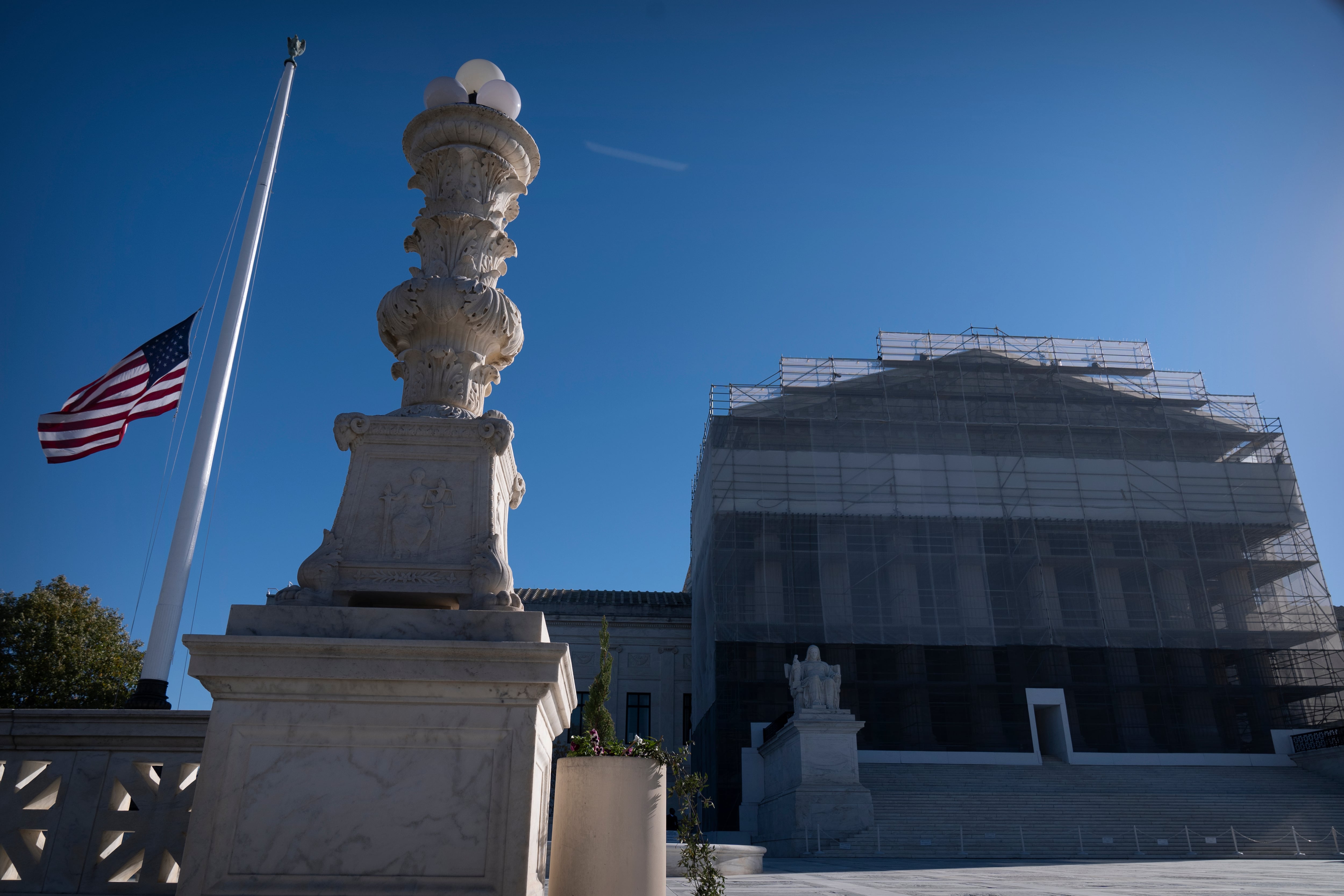
Arguments at the Supreme Court have concluded for the day as the justices consider President Donald Trump's sweeping unilateral tariffs in a trillion-dollar test of executive power.
AI is reshaping investigations. Longeye CEO Guillaume Delepine shares how their AI workspace empowers law enforcement to uncover insights faster and smarter.
Stephen Kates, Financial Analyst at Bankrate, joins to discuss the Fed’s 25-basis-point rate cut, inflation risks, and what it all means for consumers and marke
Big tech earnings take center stage as investors digest results from Alphabet, Meta, Microsoft, Amazon, and Apple, with insights from Gil Luria of D.A. Davidson
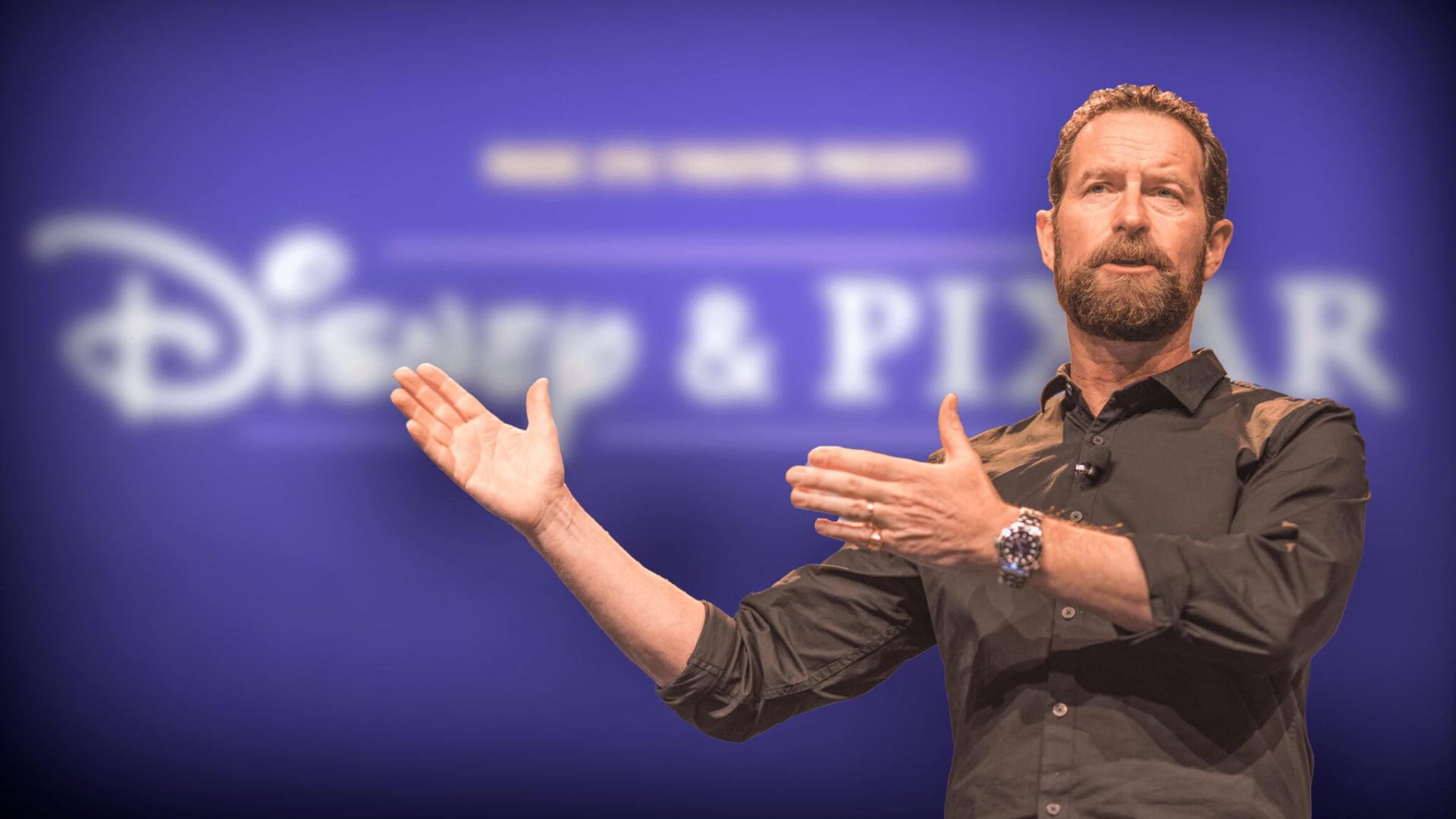
Disney content has gone dark on YouTube TV, leaving subscribers of the Google-owned live streaming platform without access to major networks like ESPN and ABC. That’s because the companies have failed to reach a new licensing deal to keep Disney channels on YouTube TV. Depending on how long it lasts, the dispute could particularly impact coverage of U.S. college football matchups over the weekend — on top of other news and entertainment disruptions that have already arrived. In the meantime, YouTube TV subscribers who want to watch Disney channels could have little choice other than turning to the company’s own platforms, which come with their own price tags.